
1. 🏕️ The Short Answer
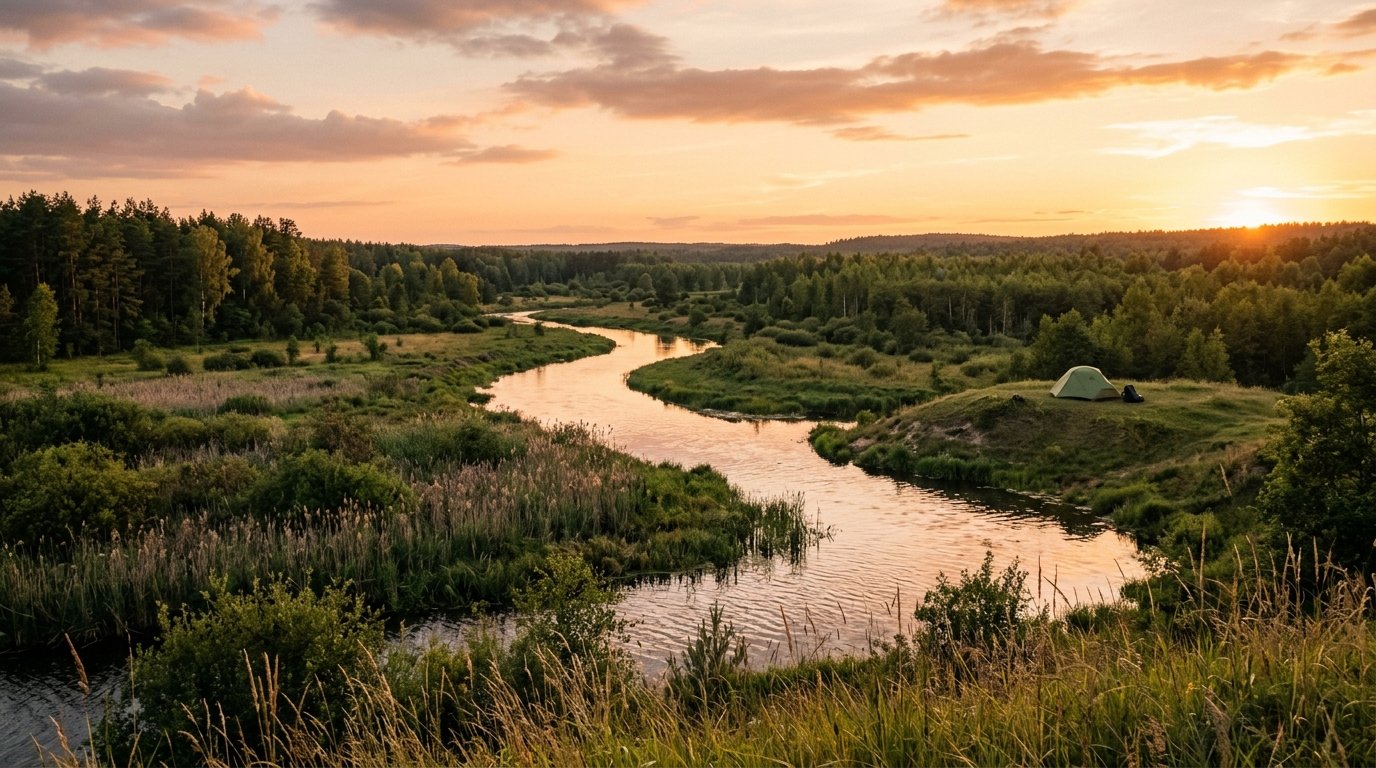
Wild and dispersed camping is generally legal and widely tolerated in Belarus’s vast public forests, provided tourists adhere to strict environmental rules and do not pitch tents in protected national parks or sensitive border zones. However, foreign tourists must navigate strict mandatory registration laws, meaning you must proactively register your stay with the government online if you are not checking into a hotel.
2. 🌲 Wild & Dispersed Camping Rules
- Legality on Public Land: Under the Belarusian Constitution and the “Forest Code,” the country’s forests (which cover roughly 40% of the land) are publicly owned. Foreign tourists are legally allowed to roam freely, forage for berries, and wild camp in unprotected forest areas.
- Distance Rules & Limits: You must pitch your tent at least 50 meters away from inhabited houses or state buildings. Camping on cultivated agricultural land or private property without the owner’s permission is strictly prohibited.
- The Tourist Registration Catch: Belarus requires foreign visitors to register their stay within 10 days of arrival. Hotels normally do this automatically. If you are exclusively wild camping or living in a van, you must register yourself online via the unified portal of e-services to avoid hefty fines, detention, or deportation upon exiting the country.
- Enforcement: In deep forests and near remote lakes, enforcement of general camping is rare. However, authorities actively patrol for illegal fires, unregistered foreigners, and border zone incursions.
3. 🏞️ National Park & Protected Area Rules
- Strict Designated Zones: In national parks like Belovezhskaya Pushcha, Braslav Lakes, and Pripyatsky, wild camping is strictly forbidden. You must use official, designated tourist campsites.
- Permits & Booking: Staying at a national park campsite usually requires a small fee (paid at park visitor centers or online). Failing to pay for a pitch in places like Braslav Lakes can result in fines ranging from $45 to over $200.
- Seasonal Closures & Fire Bans: During the dry summer months, Belarus frequently implements strict regional and national fire bans. When fire danger is high, authorities block forest tracks, and entering the forest entirely—let alone camping in it—becomes an illegal and heavily fined offense.
4. 🚐 Van Life & Overnight Vehicle Sleeping
- Sleeping in Vehicles: Sleeping overnight in your car or campervan in public car parks, highway rest stops, and roadsides is legal and tolerated.
- Parking vs. Camping: Belarus follows the standard European distinction: as long as you remain inside the vehicle and do not extend your “footprint” (no awnings, chairs, or outdoor stoves), you are simply parking. Once you set up gear outside, you are legally “camping” and must obey distance laws and national park bans.
- Designated Areas & Rules: In protected areas like Braslav Lakes, driving or parking off public roads is prohibited, and vehicles must be parked at least 30 meters horizontally from any shoreline. Standard roadside rest areas exist along major highways but generally feature very basic facilities, often just simple wooden WCs.
5. 🔥 Campfires & Practical Restrictions
- Campfire Rules: Open fires are heavily restricted. They are generally banned in forests outside of specifically designated fire pits. Lighting a fire under tree canopies or near coastlines is an easily finable offense. Always use a self-contained, portable gas stove instead.
- Border Zones: Do not camp anywhere near the borders with Poland, Ukraine, Lithuania, or Latvia. These are highly sensitive, militarized zones requiring special border permits; unauthorized tourists will face arrest and deportation.
- Radiation Zones: Avoid wild camping or foraging for mushrooms, wood, and berries in the southeastern regions of Belarus (near the Gomel region) due to lingering radioactive contamination from the 1986 Chernobyl nuclear disaster.
6. 🔗 Official Sources & Links
To understand general tourist requirements and learn how to register your stay, visit the official Belarusian government portal at Belarus.by – Travel. For real-time regulations, boating rules, and campsite bookings in one of the country’s most popular protected areas, check the Braslav Lakes National Park Official Site.
Disclaimer: Camping and land-use laws change frequently, as do visa and mandatory tourist registration requirements. Always verify current regulations, seasonal fire bans, and border restrictions with official local authorities or your embassy before traveling to Belarus.
Adrenaline junkie with a passion for exploring off-the-beaten-path destinations and finding unique ways to stay active. Expect stunning scenery, challenging workouts, awesome travel tips and a whole lot of fun. Let’s get sweaty and explore the world together!