
1. 🏕️ The Short Answer
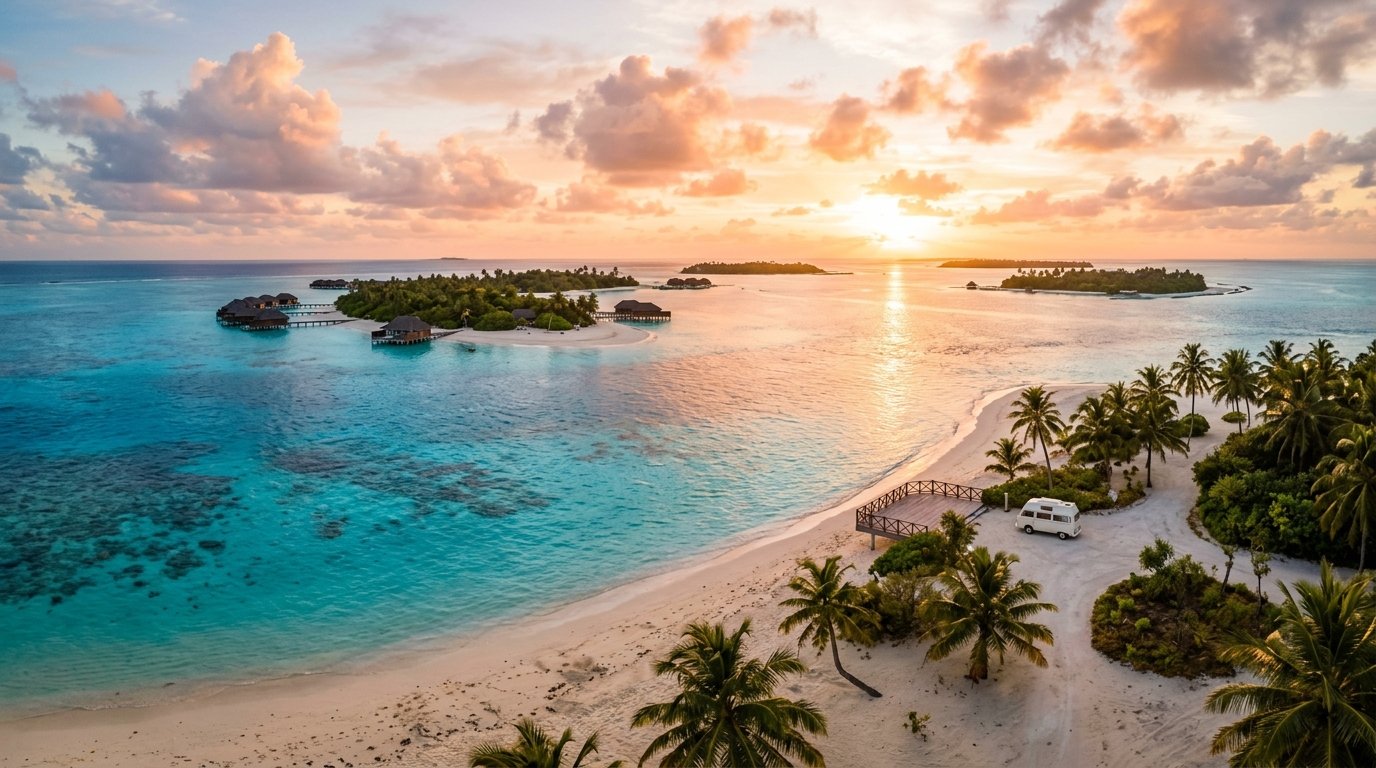
Wild and dispersed camping is effectively illegal and practically impossible for independent tourists in the Maldives. To camp legally, foreign visitors must book an organized overnight excursion to an uninhabited island through a licensed local guesthouse, tour operator, or resort that has secured the necessary permits from the local Island Council and the Ministry of Tourism.
2. 🌲 Wild & Dispersed Camping Rules
- Is camping outside official campsites legal for tourists on public land? No. By law, foreign tourists must hold a confirmed reservation at a registered tourist facility (such as a resort, guesthouse, or liveaboard vessel) to pass through immigration. Pitching a tent independently on a random local beach or deserted island is a violation of local tourism and immigration regulations.
- Are there duration limits or distance rules? Because independent dispersed camping is prohibited, standard duration limits do not apply. If you book an authorized “desert island survival” or glamping excursion through a registered operator, these trips are typically limited to 1 or 2 nights.
- Is this actively enforced? Yes. Tourism is the primary economic engine of the Maldives, and the government strictly regulates it to collect mandatory green taxes and ensure visitor safety. Local island councils, police, and residents actively enforce these rules. If you attempt to wild camp independently, you will likely be reported and instructed to move to a registered hotel or guesthouse.
3. 🏞️ National Park & Protected Area Rules
- Do national parks have a separate camping permit system? The Maldives protects its environment through Marine Protected Areas and UNESCO Biosphere Reserves (such as Baa Atoll) rather than a terrestrial “National Park” system. There is no public, backcountry permit system that allows independent tourists to apply for personal camping permits.
- Is camping restricted to designated sites only? Yes. The Ministry of Tourism designates specific zones and islands for tourism. If a protected area allows overnight stays, it is strictly managed by licensed operators who handle all local permissions and environmental compliance.
- Are there seasonal closures? Yes. Most authorized camping excursions are halted during the monsoon season (May to October) due to high winds, heavy rain, and dangerous sea conditions. Additionally, specific sandbanks and islands may be temporarily closed to protect nesting sea turtles and migratory seabirds.
4. 🚐 Van Life & Overnight Vehicle Sleeping
- Is it legal to sleep overnight in a vehicle? “Van life” is entirely non-existent in the Maldives. The country is an archipelago of tiny islands with very few roads. Only a handful of heavily urbanized islands (like Malé, Hulhumalé, and Fuvahmulah) have cars, and there is no campervan rental industry.
- Does local law distinguish between “parking” and “camping”? This distinction does not apply to the Maldivian tourism infrastructure, as there are no road trip networks between the islands.
- Are there designated overnight areas? There are no aires, RV parks, or rest stops. Sleeping in a parked car on an urban island is unregulated, highly suspicious, and would likely result in police intervention directing you to a registered accommodation.
5. 🔥 Campfires & Practical Restrictions
- Are open campfires generally allowed? On authorized uninhabited island excursions, licensed guides are generally permitted to build beach bonfires below the high-tide line. However, tourists are strictly prohibited from lighting independent fires, chopping local vegetation for firewood, or leaving burn scars on beaches due to strict environmental protection laws.
- Key no-camp zones tourists should avoid:
- Resort Islands: These are privately leased and highly exclusive. Non-guests caught trespassing will be immediately removed by security.
- Inhabited Local Islands: Beaches on local islands are public but regulated; pitching a tent here violates local ordinances and cultural norms.
- Sensitive Ecological Zones: Coral nurseries, turtle nesting beaches, and bird sanctuaries.
6. 🔗 Official Sources & Links
Because camping excursions require navigating specific local regulations, always verify with official operators and government sources:
- Ministry of Tourism Maldives – The official government body overseeing all tourist regulations, facility registrations, and island leases.
- Visit Maldives – The official tourism board, which can help direct you to authorized guesthouses and tour operators offering legal island camping excursions.
Disclaimer: Land-use and tourism laws in the Maldives are strictly enforced and subject to frequent changes. Independent camping carries legal and immigration risks. Always verify current regulations with official Maldivian authorities and book through registered tour operators before your trip.

Adrenaline junkie with a passion for exploring off-the-beaten-path destinations and finding unique ways to stay active. Expect stunning scenery, challenging workouts, awesome travel tips and a whole lot of fun. Let’s get sweaty and explore the world together!