
1. 🚦 The Short Answer
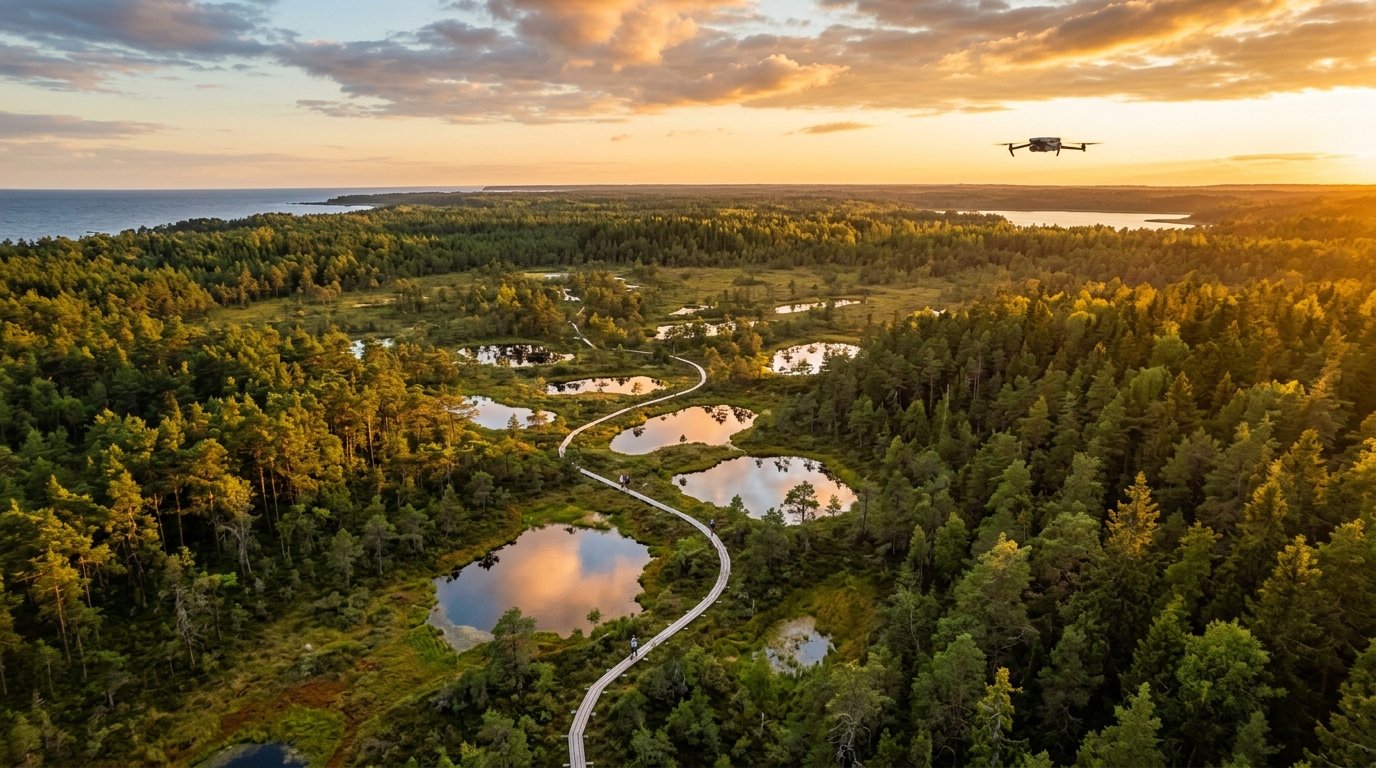
Recreational drones are allowed in Estonia, provided foreign tourists follow standard European Union Aviation Safety Agency (EASA) rules. This includes mandatory online registration and pilot training for almost all camera-equipped drones.
2. 🛃 Customs & Importation Rules
- Customs: A tourist can legally bring a recreational drone into Estonia through airport customs. There are no special bans on standard consumer drones.
- Declarations: No specific aviation declarations are required upon arrival at customs for standard, low-risk hobby drones.
- Confiscation Risk: Your drone will not be confiscated at the border simply for lacking flight permits. However, flying it later without proper EASA registration can lead to fines or confiscation by local police.
3. 📝 Registration & Permit Process for Tourists
- Pre-Arrival Requirements: If you do not already hold a valid EASA drone registration from another European country, you must register before you fly in Estonia. If you are already registered in another EASA member state, your registration is valid here.
- The Process: You must register as an Operator via the Estonian Transport Administration (Transpordiamet) online portal, known as the LOIS system. Once registered, you will receive an Operator ID that must be visibly marked on your drone. Additionally, you must complete online study materials and pass a multiple-choice test to get an A1/A3 remote pilot certificate.
- Fees & Time: Online registration and testing are processed quickly. The registration is valid for one year and must be renewed annually.
4. 🚫 Key Flight Rules & Restrictions
- Standard Rules: Pilots must maintain Visual Line of Sight (VLOS) at all times and cannot fly higher than 120 meters (400 feet) above the ground. Night flying is prohibited.
- Weight Restrictions: Drones under 250g (like a DJI Mini) have fewer restrictions regarding flying near people, but they still require registration if they have a camera. Drones over 250g must maintain strict distances from uninvolved people and residential areas.
- No-Fly Zones: Flights are strictly prohibited near airports, military bases, and certain nature conservation areas. Estonia requires pilots to check the official Estonian Drone Map application (utm.eans.ee) to review geographical flight zones and to request specific take-off clearances if flying in restricted airspace, such as near Tallinn Airport.
5. 🔗 Official Sources & Links
For the most current information, to access the LOIS registration system, and to check official airspace maps, please use the following resources:
- Estonian Transport Administration (Transpordiamet) – Drone Rules
- Estonian Drone Map & Airspace Authorizations
Disclaimer: Aviation laws and local airspace restrictions change frequently. Always double-check official sources and consult the local Drone Map application immediately before your trip and before every flight.
Adrenaline junkie with a passion for exploring off-the-beaten-path destinations and finding unique ways to stay active. Expect stunning scenery, challenging workouts, awesome travel tips and a whole lot of fun. Let’s get sweaty and explore the world together!