1. 🚦 The Short Answer
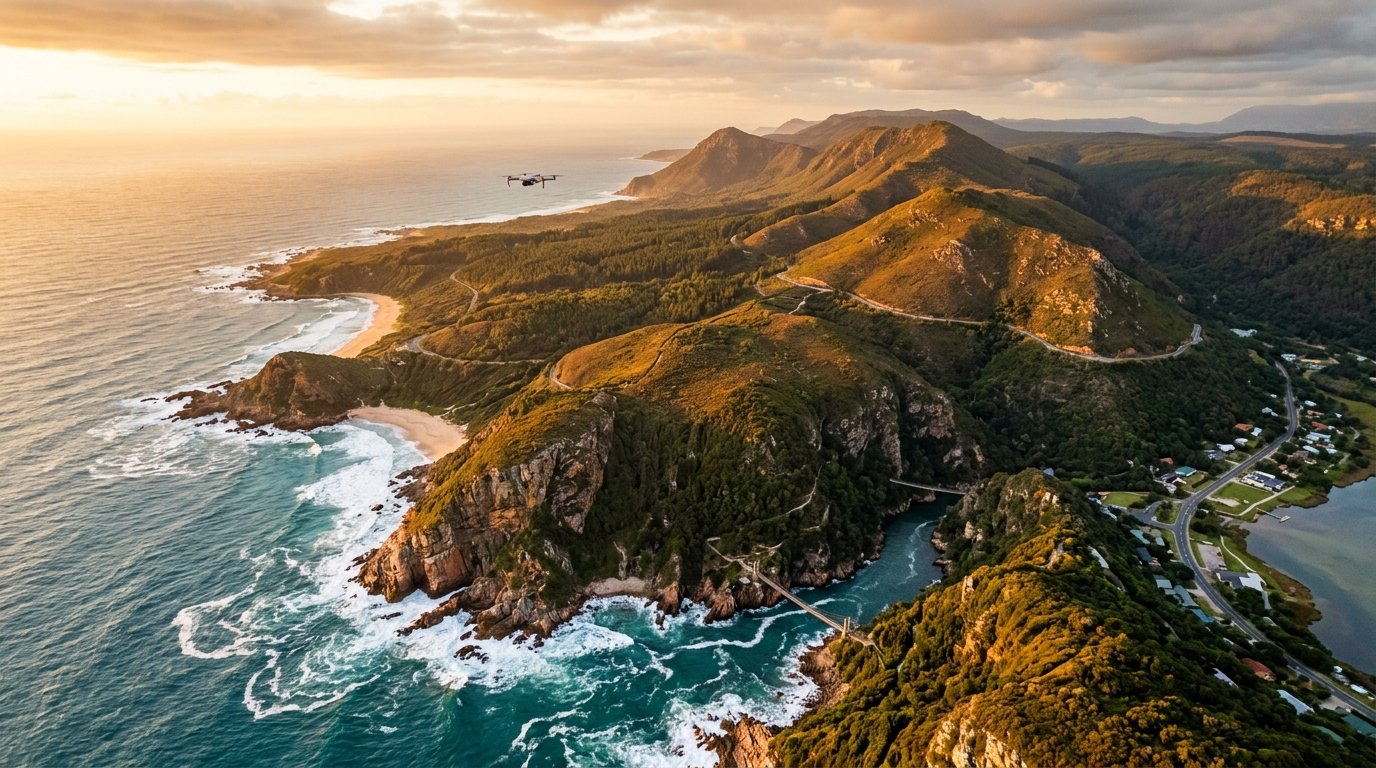
Recreational drones are generally allowed in South Africa for foreign tourists and do not require strict registration as long as they are flown purely for personal use and adhere to basic flight rules. However, using a drone for commercial purposes or flying in national parks is strictly prohibited without special authorization.
2. 🛃 Customs & Importation Rules
- Can you bring it through customs? Yes, tourists can legally bring small consumer drones into South Africa through airport customs.
- Declarations: There are no specific drone-related customs declarations required for recreational tourists upon arrival. However, it is highly recommended to carry your drone in your carry-on luggage to comply with standard airline lithium battery rules, and keep proof of purchase with you to prove you did not buy it in South Africa, which helps avoid potential import duties when you leave.
- Confiscation risks: Your drone will not be confiscated at the border for lack of prior paperwork, provided it looks like a standard consumer drone and is not intended for resale.
3. 📝 Registration & Permit Process for Tourists
- Is prior registration needed? No. Foreign tourists flying drones strictly for recreational or hobbyist purposes do not need to register their drone or obtain a permit before arriving, provided the drone weighs less than 7 kilograms (15.4 lbs).
- The Process: Because there is no recreational registration system for tourists, you simply arrive and fly according to the local airspace rules.
- Fees and Wait Times: Not applicable for recreational flyers. Note: If you plan to monetize your footage in any way, you must register with the South African Civil Aviation Authority (SACAA) and obtain a Remote Pilot Licence (RPL), which is a lengthy and expensive process meant for commercial operators.
4. 🚫 Key Flight Rules & Restrictions
- Standard Rules: You must maintain visual line of sight (VLOS) at all times and only fly during daylight hours. The maximum altitude is 120 meters (400 feet) above the ground. You must stay at least 50 meters (164 feet) away from people, private property, and public roads.
- Weight Classes: The recreational exemption applies to all drones under 7kg. While sub-250g drones are incredibly popular for travel, they do not get special operational rule exemptions in South Africa and must follow the exact same flight rules and no-fly zones as heavier drones.
- Strict No-Fly Zones: Do not fly within 10km (6.2 miles) of any airport, helipad, or aerodrome. CRITICAL FOR TOURISTS: Drones are strictly banned in all South African National Parks (SANParks), including Kruger National Park and Table Mountain. This rule is heavily enforced with fines and confiscations to combat poaching and protect wildlife.
5. 🔗 Official Sources & Links
For the most up-to-date and authoritative information, travelers should verify regulations directly with the South African Civil Aviation Authority (SACAA). You can also review the national parks drone ban on the SANParks official website.
Disclaimer: Aviation laws and national park policies change frequently. Always double-check official government and local sources immediately before your trip.
Adrenaline junkie with a passion for exploring off-the-beaten-path destinations and finding unique ways to stay active. Expect stunning scenery, challenging workouts, awesome travel tips and a whole lot of fun. Let’s get sweaty and explore the world together!