1. 🚦 The Short Answer
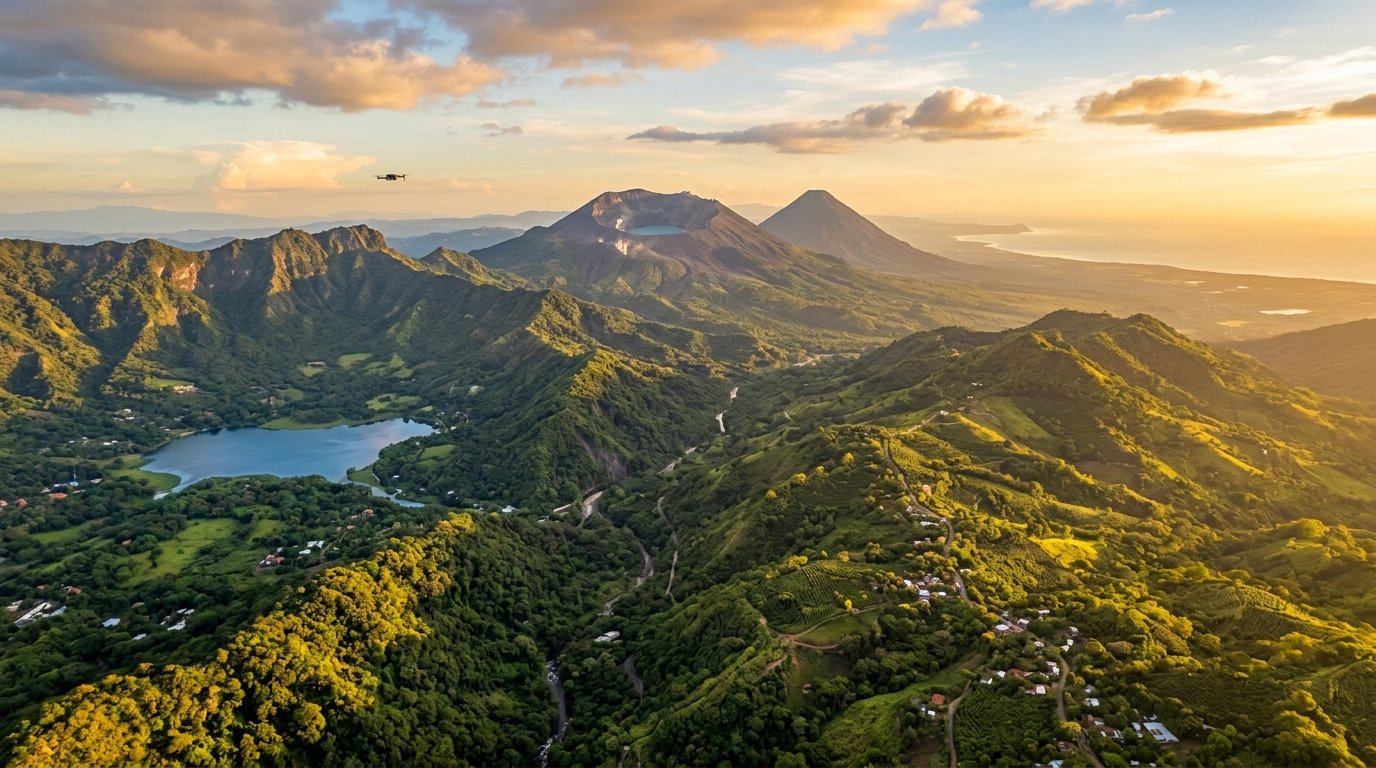
Recreational drones are generally allowed for foreign tourists in El Salvador, but they operate under strict rules and a mandatory registration framework. Unlike some neighboring countries that completely ban drones, El Salvador welcomes aerial enthusiasts as long as you register your drone with the civil aviation authority beforehand and carry proper third-party liability insurance.
2. 🛃 Customs & Importation Rules
- Airport Customs: Tourists can legally bring standard recreational drones into El Salvador through airport customs.
- Arrival Declarations: You do not generally need to make a special customs declaration just for the hardware, but you must have your official local aviation registration paperwork ready to show officials if asked.
- Confiscation Risks: Drones are rarely confiscated at the border for tourists. However, having your registration approved prior to arrival is highly recommended to guarantee a smooth entry and prevent delays.
3. 📝 Registration & Permit Process for Tourists
- Is Registration Required? Yes. Under the RAC-RPAS regulations, all foreign tourists must register their drones with the Civil Aviation Authority of El Salvador (AAC) before flying. Mandatory third-party liability insurance is also required for all flights.
- The Process: You must submit a registration request to the AAC (usually via their contact email: oir@aac.gob.sv) including a copy of your passport, travel itinerary, insurance proof, and your drone’s technical specifications. Once approved, you will receive a unique operator code that must be physically marked on your drone and controller.
- Fees & Time: Registration carries a modest processing fee (typically around $20 USD). Because the forms are mostly in Spanish and processing requires manual approval, tourists should initiate the application at least 2 to 3 weeks before arriving.
4. 🚫 Key Flight Rules & Restrictions
- Standard Operations: You must fly during daylight hours, maintain visual line of sight (VLOS) at all times, and never exceed a maximum altitude of 120 meters (400 feet).
- Weight Classes: The AAC applies baseline rules to all drones. While some sources note exemptions for toys under 200g, it is legally safest to register any camera-equipped drone—including sub-250g models like the DJI Mini—to avoid issues with local police.
- No-Fly Zones: You must stay at least 6 km (3.7 miles) away from international airports, 2 km from private airstrips, and 250 meters from helipads. Flying over military bases, government buildings, crowds, and private property (without explicit written owner permission) is strictly prohibited.
5. 🔗 Official Sources & Links
You can verify current drone laws, download forms, and contact officials via the official Civil Aviation Authority (AAC) website:
Disclaimer: Aviation laws and customs policies change frequently. Always double-check with the official national authorities or your local embassy immediately before you travel.
Adrenaline junkie with a passion for exploring off-the-beaten-path destinations and finding unique ways to stay active. Expect stunning scenery, challenging workouts, awesome travel tips and a whole lot of fun. Let’s get sweaty and explore the world together!