
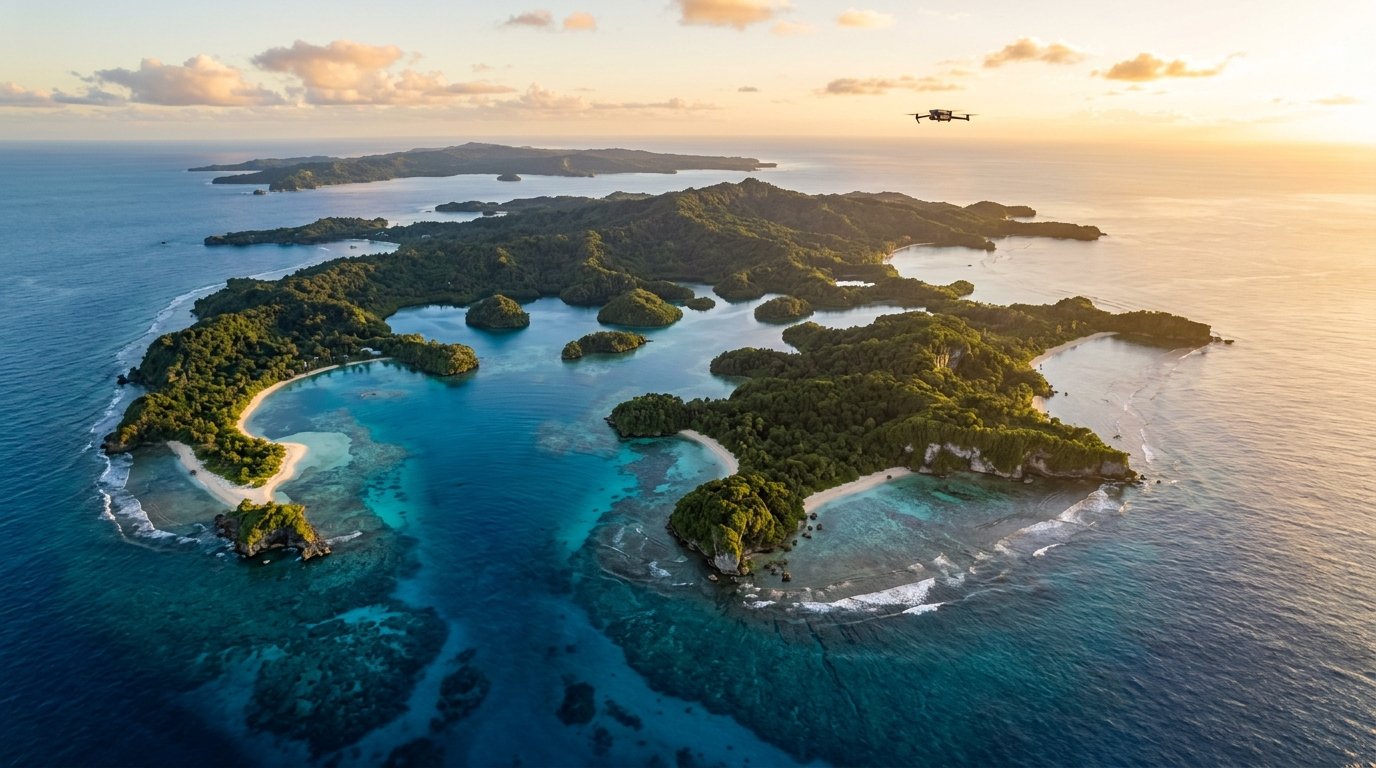
1. 🚦 The Short Answer
Recreational drones are generally allowed in Tonga, but they are subject to strict mandatory registration with the local civil aviation authority before you are permitted to fly.
2. 🛃 Customs & Importation Rules
- Airport Customs: Tourists can legally bring drones into Tonga, but the equipment is subject to inspection upon arrival. It is highly advised to pack your drone in your carry-on luggage with batteries safely stored.
- Declarations: You must declare your drone to customs officers at the border. You will likely be asked to present your drone registration paperwork.
- Confiscation Risk: If your drone is not registered beforehand, customs officials may temporarily hold your drone at the airport. They will issue you a receipt, and you can retrieve your drone once you visit the local aviation office to secure your registration.
3. 📝 Registration & Permit Process for Tourists
- Registration Requirement: Yes, a foreign tourist must register their drone. It is recommended to contact the authorities via email prior to arrival, but in-person registration on arrival is also common.
- The Process: You must register with the Tonga Civil Aviation Division (CAD). If doing this in person, their office is located behind the Ministry of Infrastructure in the capital, Nuku’alofa. You will need to fill out a form and present your passport, the drone itself, and any home-country drone licenses you hold.
- Fees & Timeframe: Registration is currently reported to be free for standard recreational tourists (though historical fees of $50 have sometimes been applied). The in-person approval process is very fast, usually taking about 15 minutes, and includes a brief orientation on local flight rules.
4. 🚫 Key Flight Rules & Restrictions
- Standard Rules: Drones must be flown below a maximum altitude of 120 meters (400 feet). You must maintain visual line of sight (VLOS) at all times and only fly during daylight hours in good weather.
- Weight Classes: Tonga operates under adopted New Zealand Civil Aviation Rules (Part 101). While drones under 25kg fall under standard recreational rules, there are no special exemptions for sub-250g drones (like the DJI Mini)—all drones must be registered.
- No-Fly Zones: You must not fly within 4 kilometers (2.5 miles) of any airport. Flights are strictly prohibited over the Royal Palace, the Royal Tombs, military facilities, moving vehicles, and crowds. Additionally, you must stay clear of whales and whale-watching boats, which are heavily protected under local conservation laws.
5. 🔗 Official Sources & Links
For the most accurate and updated information, or to initiate your registration, check with the regional oversight bodies or contact the CAD directly (email: dronetonga@gmail.com).
Disclaimer: Aviation laws change frequently and without notice. Travelers should always double-check official local government sources or contact the civil aviation authority directly before their trip to ensure full legal compliance.
Adrenaline junkie with a passion for exploring off-the-beaten-path destinations and finding unique ways to stay active. Expect stunning scenery, challenging workouts, awesome travel tips and a whole lot of fun. Let’s get sweaty and explore the world together!