1. 🚦 The Short Answer
Recreational drones are generally allowed in Singapore, but flights are subject to strict airspace rules and mandatory registration for any drone weighing over 250 grams.
2. 🛃 Customs & Importation Rules
- Bringing it in: Tourists can legally bring personal recreational drones through Singapore airport customs without issue.
- Declarations: There are no special customs declarations or import permits required for standard consumer drones upon arrival.
- Confiscation: Your drone will not be confiscated at the border just for possessing it, but you absolutely must meet local aviation requirements before you attempt to fly it anywhere in the country.
3. 📝 Registration & Permit Process for Tourists
- Sub-250g Drones: If your drone weighs 250g or less (e.g., standard DJI Mini series), you do not need to register it or get a permit for casual, recreational flights.
- Over 250g Drones: If your drone exceeds 250g, you must register it with the Civil Aviation Authority of Singapore (CAAS) before taking off. Because foreign tourists do not have a local digital ID (Singpass), you will need to apply for a “UAPass” account on the CAAS portal.
- The Process: You must purchase a physical registration label (which features a unique ID number) either online or at designated Singapore Post offices. You then affix this label to your drone and register the number on the CAAS UA Portal. There is a small registration fee (typically around $25 SGD). As of recent regulations, drones over 250g must also comply with Broadcast Remote Identification (B-RID) rules.
- Permits: Drones under 7kg flown for recreational purposes do not require an activity permit as long as you follow standard flight limits.
4. 🚫 Key Flight Rules & Restrictions
- Maximum Altitude: You are strictly limited to flying no higher than 200 feet (60 meters) above mean sea level.
- Visibility: You must maintain direct Visual Line of Sight (VLOS) with your drone at all times. Night flying is prohibited.
- Weight Restrictions: Drones over 1.5kg require a Basic Training Certificate, making them largely impractical for short-term tourists. Stick to drones under 1.5kg (ideally under 250g) for hassle-free flying.
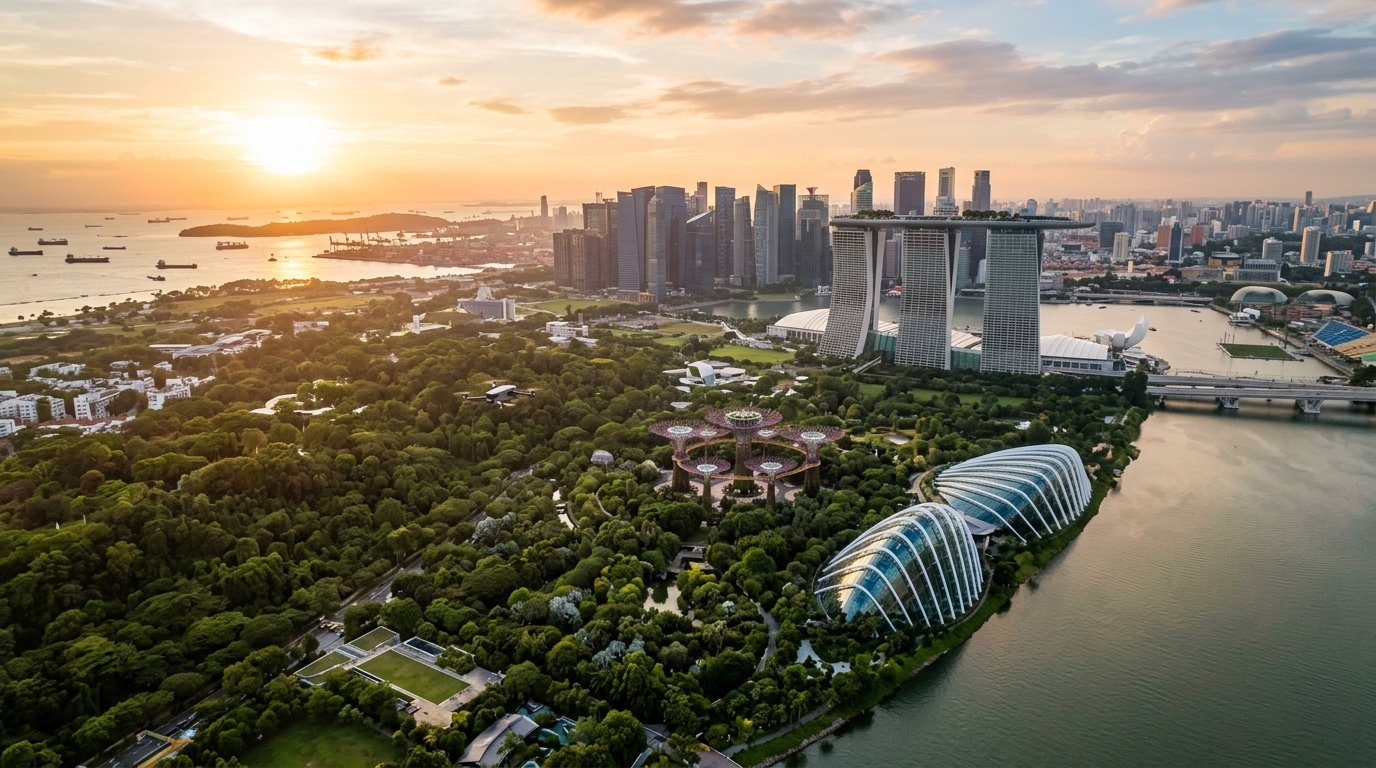
- No-Fly Zones: It is illegal to fly within 5km (3.1 miles) of airports, military bases, or over crowds, roads, and emergency situations. Many iconic tourist spots, such as Marina Bay and Gardens by the Bay, are strictly restricted airspace. Always check the official CAAS airspace map before powering on your drone.
5. 🔗 Official Sources & Links
For the official no-fly zone maps, registration labels, and the latest tourist guidelines, please visit the Civil Aviation Authority of Singapore (CAAS) Unmanned Aircraft Page.
Disclaimer: Aviation laws and no-fly zones change frequently and enforcement in Singapore is extremely strict, with heavy fines for non-compliance. Always verify current regulations directly with local authorities before your trip and use official apps to check airspace permissions before every flight.

Adrenaline junkie with a passion for exploring off-the-beaten-path destinations and finding unique ways to stay active. Expect stunning scenery, challenging workouts, awesome travel tips and a whole lot of fun. Let’s get sweaty and explore the world together!