1. 🚦 The Short Answer
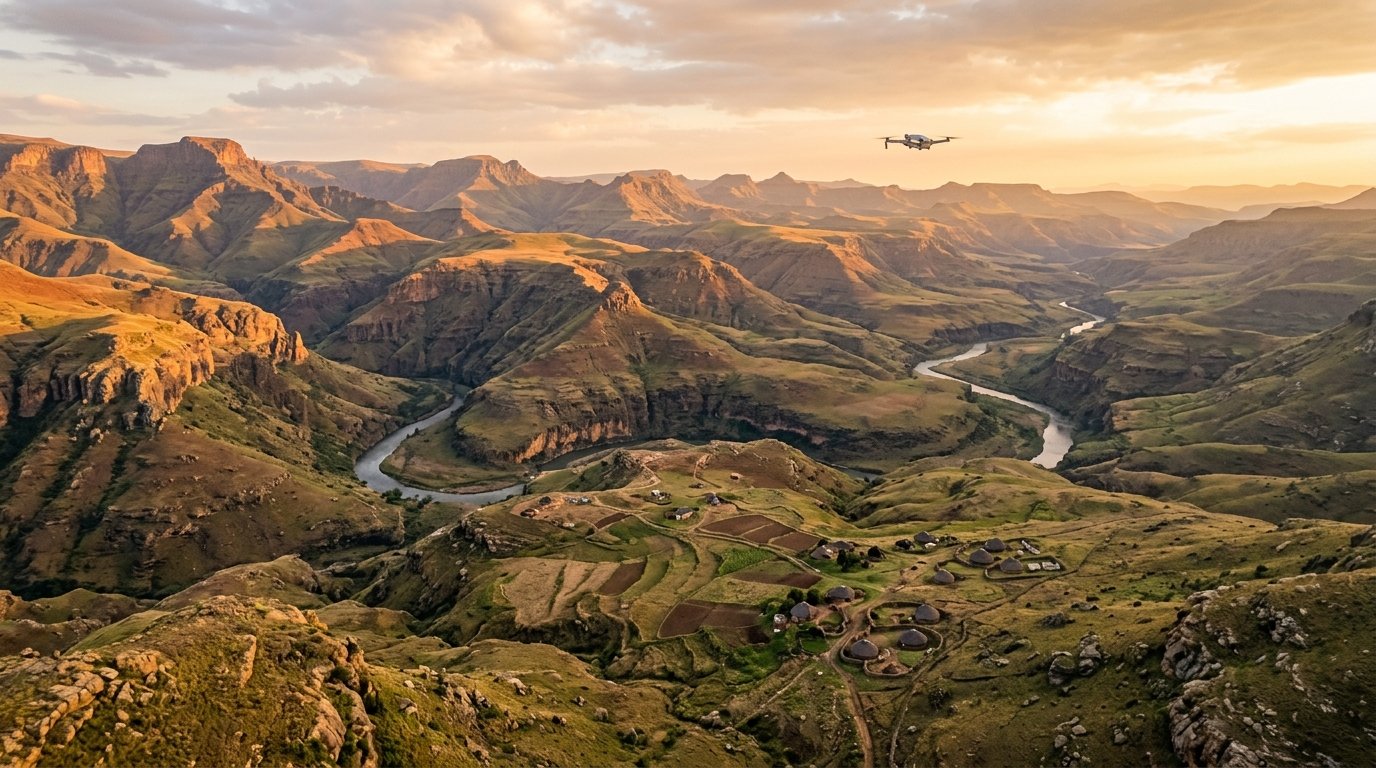
Recreational drones are generally allowed for tourists in Lesotho, provided you follow basic, common-sense aviation rules. The country’s Department of Civil Aviation (DCA) has not yet implemented a formalized set of laws specifically for recreational drones, meaning foreign tourists are expected to follow general International Civil Aviation Organization (ICAO) safety guidelines.
2. 🛃 Customs & Importation Rules
- Airport Customs: Tourists can legally bring standard recreational drones into Lesotho. Ensure all spare drone batteries (LiPo) are placed in your carry-on luggage to comply with international airline safety standards.
- Declarations: While there are no formal drone-specific customs forms, it is highly recommended to declare your equipment upon arrival and politely explain it is for personal vacation use.
- Confiscation Risks: Confiscation at the border is rare for hobbyists. However, since most tourists reach Lesotho by transiting through South Africa, you must ensure you comply with South African transit laws for electronics to avoid delays.
3. 📝 Registration & Permit Process for Tourists
- Prior Registration: There is currently no mandatory online registration portal or formal permit required for foreign tourists flying drones purely for personal, recreational use.
- The Process: Since regulations are unwritten, cautious travelers are advised to email the Lesotho Department of Civil Aviation prior to their trip with their drone model and flight intent to secure a written courtesy clearance. Commercial drone operations, however, strictly require an official paid permit from the DCA.
- Fees & Timeframes: There are no official fees or waiting periods for casual recreational flyers.
4. 🚫 Key Flight Rules & Restrictions
- Standard Operations: Follow standard ICAO rules. You must maintain a visual line of sight (VLOS) with your drone at all times, do not fly higher than 120 meters (400 feet) above the ground, and only fly during daylight hours in clear weather.
- Weight Classes: Lesotho does not currently categorize drones by weight, so rules for sub-250g drones (like the DJI Mini) are exactly the same as those for heavier consumer drones.
- No-Fly Zones: Never fly near Moshoeshoe I International Airport (stay at least 8km / 5 miles away). Do not fly near military bases, government facilities, large crowds, or national parks where wildlife could be disturbed.
5. 🔗 Official Sources & Links
Because there is no dedicated civil aviation website just for drones, you can contact the civil aviation authorities via the main government portal at the Government of Lesotho Official Portal or review standard international safety frameworks at the International Civil Aviation Organization (ICAO).
Disclaimer: Aviation laws and customs policies change frequently. Always double-check with the official Lesotho Department of Civil Aviation or your local embassy shortly before your trip to ensure no emergency regulations have been implemented.

Adrenaline junkie with a passion for exploring off-the-beaten-path destinations and finding unique ways to stay active. Expect stunning scenery, challenging workouts, awesome travel tips and a whole lot of fun. Let’s get sweaty and explore the world together!