
FitcationHQ
  • Home
  • Travel Planning
  • Destinations
    • Africa
      • Egypt
      • Kenya
      • Morocco
      • Mozambique
      • Namibia
      • Rwanda
      • South Africa
      • Tanzania
    • Asia
      • Bhutan
      • Cambodia
      • China
      • Indonesia
      • Laos
      • Malaysia
      • Maldives
      • Nepal
      • Thailand
      • Turkmenistan
    • Europe
      • Bulgaria
      • Croatia
      • Georgia
      • Greece
      • Iceland
      • Ireland
      • Italy
      • Montenegro
      • Norway
      • Portugal
      • Scotland
      • Turkey
    • Middle East
      • Jordan
      • UAE
    • North America
      • Canada
      • USA
    • Oceania
      • New Zealand
    • South America
      • Argentina
      • Bolivia
      • Chile
      • Costa Rica
      • Ecuador
      • Peru
  • Travel Tips
    • Budget Travel
    • Family Travel
    • Food and Dining
    • Health and Wellness
    • Luxury Travel
    • Packing
    • Safety
    • Solo Travel
    • Transportation
    • Travel Insurance
    • Sustainable Travel
    • Visa and Immigration
  • Travel Gear
    • Luggage
    • Clothing
    • Photography Gear
    • Security Gear
    • Travel Accessories
    • Travel Electronics
FitcationHQ
Exercise
Health and WellnessTravel Tips

Staying active and exercising while traveling

by Travel Geek April 26, 2023
written by Travel Geek

Traveling is an excellent way to experience new cultures, try new foods, and explore new places. However, it can also disrupt your usual routine, including your exercise habits. Maintaining an active lifestyle while traveling can be challenging, but it’s essential for your physical and mental well-being. Here are some tips to help you stay active and exercise while traveling:

  1. Plan ahead

Before you leave for your trip, research the fitness options available to you in the places you’ll be visiting. Look for gyms, fitness centers, or outdoor activities that you can participate in. You can also consider packing lightweight exercise equipment such as resistance bands, a jump rope, or a yoga mat to use in your hotel room or at a park.

  1. Choose active transportation

Walking or biking is an excellent way to explore a new place while also getting exercise. Instead of taking a taxi or public transportation, consider walking or renting a bike to get around. You’ll get to see more of the city while also getting some exercise.

  1. Take advantage of hotel amenities

Many hotels have fitness centers, swimming pools, or other recreational facilities that you can use during your stay. If your hotel doesn’t have a gym, ask the front desk if they have any partnerships with nearby fitness centers that offer discounts for hotel guests.

  1. Exercise during long flights

Long flights can be exhausting and leave you feeling stiff and sore. To stay active during your flight, consider doing some in-flight exercises such as stretching or walking up and down the aisle. You can also do simple exercises while seated, such as leg raises or shoulder rolls, to keep your blood flowing.

  1. Join a fitness class

Many travel destinations offer fitness classes such as yoga, Pilates, or dance classes. Consider joining a local fitness class to meet new people, stay active, and learn something new.

  1. Incorporate exercise into your sightseeing

Sightseeing can be a great opportunity to get some exercise. Look for activities such as hiking, kayaking, or snorkeling that will allow you to explore the local scenery while also getting some exercise. You can also choose to walk instead of taking a tour bus or car to explore the area.

  1. Stay active in your hotel room

If you don’t have access to a gym or fitness center, there are still plenty of exercises you can do in your hotel room. Simple bodyweight exercises such as squats, lunges, and push-ups require no equipment and can be done in a small space.

  1. Stay motivated

Traveling can be tiring, and it’s easy to skip your exercise routine. To stay motivated, set achievable fitness goals and track your progress. Consider using a fitness app or wearable device to track your steps, distance, and other fitness metrics. You can also join an online fitness community or connect with other travelers to stay accountable.

Staying active and exercising while traveling is essential for your physical and mental well-being. By planning ahead, taking advantage of hotel amenities, and incorporating exercise into your sightseeing, you can maintain an active lifestyle while on the go. Remember to listen to your body and make adjustments to your exercise routine as needed. With a little effort and creativity, you can stay fit and healthy while experiencing all the joys of travel.


April 26, 2023 0 comments
0 FacebookTwitterPinterestEmail
Safe food and water practices
Health and WellnessTravel Tips

Safe food and water practices while traveling

by Travel Geek April 26, 2023
written by Travel Geek

Traveling can be a wonderful adventure, but it can also come with some health risks, especially when it comes to food and water. Eating and drinking in unfamiliar places can increase the risk of foodborne illnesses and dehydration. However, with some knowledge and preparation, you can minimize these risks and stay healthy while enjoying your travels.

Here are some safe food and water practices you should consider when traveling:

  1. Drink safe water

Access to safe drinking water is essential for maintaining good health, and it’s not always readily available in some parts of the world. To ensure you are drinking safe water while traveling, consider the following tips:

  • Stick to bottled or filtered water: Avoid tap water, ice cubes, and drinks that may have been made with tap water. Instead, opt for bottled water or drinks that have been filtered, boiled or sterilized.

  • Bring a water bottle: It’s important to stay hydrated, especially in hot climates. Bring a reusable water bottle with you and fill it up with safe drinking water whenever possible.

  • Be cautious with water sources: If you are in a remote area where bottled water is not available, consider using a water purification system, such as a water filter or purifying tablets.

  1. Practice safe food handling

Foodborne illnesses are a common concern for travelers, especially in areas where food hygiene standards may not be up to par. To avoid getting sick from contaminated food, consider these tips:

  • Choose reputable food establishments: Look for restaurants and food vendors that have a good reputation and clean facilities.

  • Wash your hands: Make sure to wash your hands with soap and water before eating, especially if you have been handling money or touching surfaces that may be contaminated.

  • Avoid raw or undercooked food: Raw or undercooked food, such as meat, seafood, or eggs, can harbor harmful bacteria that can cause food poisoning. Stick to well-cooked food, and avoid any dishes that may contain raw or undercooked ingredients.

  • Be wary of street food: Street food can be tempting, but it’s also a common source of foodborne illness. If you choose to indulge, look for vendors who are preparing food fresh in front of you, and avoid dishes that have been sitting out for a long time.

  • Peel your fruit: Fruits and vegetables can be a healthy and refreshing snack, but they can also be a source of contamination. To reduce the risk of illness, wash your fruits and vegetables with clean water, and peel them before eating.

  1. Be prepared for emergencies

Even with the best precautions, emergencies can still happen. It’s important to be prepared in case you do get sick while traveling. Consider these tips:

  • Carry medication: If you have a pre-existing medical condition, make sure to bring enough medication to last for the duration of your trip. You should also consider carrying basic first aid supplies, such as bandages and antiseptic.

  • Know the location of medical facilities: Before you travel, research the location of medical facilities in the areas you’ll be visiting. Keep a list of emergency contacts with you at all times.

  • Get travel health insurance: Travel health insurance can provide coverage for unexpected medical expenses, such as emergency medical treatment or evacuation.

Safe food and water practices are crucial for maintaining good health while traveling. By drinking safe water, practicing safe food handling, and being prepared for emergencies, you can reduce the risk of illness and enjoy your travels with peace of mind. Remember to always consult with a healthcare professional before taking any medications or making any changes to your health routine while traveling.

April 26, 2023 0 comments
0 FacebookTwitterPinterestEmail
HealthCare
Health and WellnessTravel Tips

Accessing healthcare while traveling

by Travel Geek April 26, 2023
written by Travel Geek

Traveling to a new country can be an exciting and rewarding experience, but it can also come with some risks, especially when it comes to your health. Whether you’re traveling for business or pleasure, it’s essential to know how to access healthcare while you’re abroad, including finding doctors and hospitals, getting travel health insurance, and understanding the local healthcare system. In this article, we’ll provide some tips and guidelines to help you access healthcare while traveling and ensure a safe and healthy trip.

Research Healthcare Options Before You Travel

Before you embark on your trip, it’s a good idea to research healthcare options in the countries you’ll be visiting. This can include finding out about the quality of healthcare, the availability of doctors and hospitals, and the cost of medical treatment.

You can start by checking with your travel provider, such as your airline or travel agency, to see if they offer any resources or recommendations for healthcare providers in your destination country. You can also check with your health insurance provider to see if they offer coverage for medical treatment abroad or if they have any recommendations for healthcare providers in your destination country.

Additionally, you can research local hospitals and clinics online, check with the local embassy or consulate for recommendations, or even ask for recommendations from locals once you arrive at your destination.

Get Travel Health Insurance

One of the most important steps you can take to protect yourself while traveling is to get travel health insurance. Travel health insurance can provide coverage for medical treatment abroad, including emergency medical treatment, hospitalization, and medical evacuation in the event of a serious illness or injury.

Before you purchase travel health insurance, make sure to read the policy carefully and understand the coverage and limitations. Some policies may exclude coverage for certain pre-existing conditions or activities such as extreme sports or adventure travel.

It’s also important to understand the claims process and the documentation required to submit a claim, as well as the process for accessing medical treatment and the preferred providers recommended by the insurance company.

Carry Your Medical Information with You

When you’re traveling, it’s essential to carry your medical information with you, including any medical conditions, allergies, medications, and emergency contact information. This information can be crucial in the event of a medical emergency or if you need to seek medical treatment while you’re abroad.

You can carry this information in a paper format, such as a medical alert bracelet or card, or in a digital format on your smartphone or other electronic device. Make sure to keep this information up to date and easily accessible, and let your travel companions know where to find it in case of an emergency.

Understand Local Healthcare Systems

Understanding the local healthcare system in the countries you’ll be visiting can be essential in accessing healthcare while traveling. Healthcare systems can vary widely between countries, and it’s important to understand the process for accessing medical treatment, the availability of doctors and hospitals, and the cost of medical treatment.

You can start by researching the local healthcare system online or by talking to locals or your hotel staff. It’s also important to understand any cultural or language barriers that may impact your ability to communicate with healthcare providers.

If you’re traveling to a country with a different language or cultural background, consider hiring a local guide or translator who can help you navigate the healthcare system and communicate with healthcare providers.

Be Prepared for Emergencies

Even with the best planning and preparation, emergencies can still happen while traveling. It’s essential to be prepared for emergencies and know how to access emergency medical treatment if needed.

Before you travel, make sure to research the emergency medical services in your destination country, including the phone numbers for emergency services such as ambulance or police. You should also know the location of the nearest hospitals or clinics, and keep a list of emergency contacts with you at all times.

It’s also a good idea to pack a small first aid kit with basic medical supplies, such as bandages, antiseptic, pain relievers, and any prescription medications you’re taking. Make sure to check the local laws and regulations regarding medication, as some countries may have restrictions on bringing prescription medication across borders.

Consider Preventive Measures

In addition to accessing healthcare while traveling, there are also some preventive measures you can take to protect your health and reduce the risk of illness or injury. These include:

  • Getting vaccinated before you travel: Depending on your destination and your medical history, you may need to get vaccinated against certain diseases before you travel. Check with your doctor or a travel medicine specialist to see which vaccines you need.

  • Practicing good hygiene: Wash your hands frequently, especially before eating or handling food. Avoid touching your face, mouth, or eyes, as this can spread germs.

  • Staying hydrated: Drink plenty of water and avoid alcohol and caffeine, which can dehydrate you.

  • Getting enough rest: Jet lag and travel fatigue can take a toll on your body, so make sure to get enough rest and sleep.

  • Eating healthy: Try to eat a balanced diet with plenty of fruits and vegetables. Avoid eating street food or food from questionable sources, as this can increase the risk of foodborne illness.


Accessing healthcare while traveling is an essential part of ensuring a safe and healthy trip. By researching healthcare options before you travel, getting travel health insurance, carrying your medical information with you, understanding local healthcare systems, being prepared for emergencies, and taking preventive measures, you can help protect your health and enjoy your travels with peace of mind. Remember to always consult with a healthcare professional before taking any medications or making any changes to your health routine while traveling.

April 26, 2023 0 comments
0 FacebookTwitterPinterestEmail
Jet Lag Management
Health and WellnessTravel Tips

Jet Lag Management and Prevention: Tips for a Smooth Transition

by Travel Geek April 26, 2023
written by Travel Geek

Jet lag is a common condition that affects travelers who cross multiple time zones, disrupting their internal body clock and causing a range of symptoms that can include fatigue, sleep disturbances, digestive issues, and cognitive impairment. While jet lag is generally considered to be a temporary condition that resolves itself within a few days, it can significantly impact the quality of your travel experience, especially if you’re traveling for business or need to be alert and focused upon arrival. Fortunately, there are several strategies you can use to manage and prevent jet lag, allowing you to enjoy your trip without the burden of jet lag symptoms.

Understand the Science of Jet Lag

The first step to managing and preventing jet lag is to understand its underlying cause. Jet lag occurs when your body’s internal clock, or circadian rhythm, becomes out of sync with the external cues of the new time zone you’re in. The circadian rhythm is regulated by a small region in the brain called the suprachiasmatic nucleus, which responds to external cues such as light and darkness, temperature, and social interactions to keep the body in sync with the 24-hour cycle of the day.

When you travel across multiple time zones, your circadian rhythm is disrupted, and your body struggles to adjust to the new time zone. This disruption can cause a range of symptoms, including fatigue, insomnia, irritability, digestive problems, and difficulty concentrating.

Use Light Exposure to Reset Your Body Clock

One of the most effective ways to manage jet lag is to use light exposure to reset your body clock. Exposure to light helps to synchronize the circadian rhythm with the new time zone, allowing your body to adjust more quickly to the new schedule.

If you’re traveling eastward, try to expose yourself to bright light in the morning and avoid exposure to bright light in the evening. If you’re traveling westward, try to expose yourself to bright light in the evening and avoid exposure to bright light in the morning. You can use natural sunlight or artificial light sources such as light boxes to help reset your body clock.

Adjust Your Sleep Schedule Before You Travel

Another effective way to manage jet lag is to adjust your sleep schedule before you travel. If you’re traveling eastward, try to go to bed and wake up earlier in the days leading up to your trip. If you’re traveling westward, try to go to bed and wake up later.

By gradually adjusting your sleep schedule before you travel, you can help your body adjust more quickly to the new time zone. This strategy is especially helpful if you’re traveling for a short period and need to be alert upon arrival.

Stay Hydrated and Avoid Alcohol and Caffeine

Staying hydrated is essential for managing jet lag symptoms. Dehydration can exacerbate fatigue and digestive problems, making it harder to adjust to the new time zone. Make sure to drink plenty of water before, during, and after your flight to help your body adjust.

It’s also important to avoid alcohol and caffeine, as they can disrupt your sleep and exacerbate jet lag symptoms. Alcohol can cause dehydration and disrupt your sleep, while caffeine can make it harder to fall asleep and stay asleep. Stick to water and non-caffeinated beverages to help manage jet lag.

Use Medications to Help Manage Jet Lag Symptoms

If natural strategies aren’t enough to manage your jet lag symptoms, there are several medications you can use to help manage the condition. Melatonin is a hormone that regulates sleep, and taking melatonin supplements can help reset your body clock and improve your sleep quality. Other medications, such as sleeping pills and stimulants, can also be used to manage jet lag symptoms, but they should only be used

with caution and under the guidance of a healthcare professional.

Plan for Rest and Relaxation Upon Arrival

Finally, it’s important to plan for rest and relaxation upon arrival to help your body adjust to the new time zone. If possible, avoid scheduling important meetings or activities during the first few days of your trip, and allow yourself time to rest and adjust to the new schedule.

Try to get outside and expose yourself to natural sunlight during the day, as this can help reset your body clock and improve your sleep quality at night. Make sure to get plenty of restful sleep at night, and avoid using electronics such as smartphones or laptops before bedtime, as the blue light they emit can disrupt your sleep.


Jet lag is a common condition that can significantly impact the quality of your travel experience. By understanding the underlying cause of jet lag and using strategies such as light exposure, sleep schedule adjustments, hydration, and medication, you can manage and prevent jet lag symptoms and enjoy your trip without the burden of fatigue, digestive problems, and cognitive impairment. By planning for rest and relaxation upon arrival and allowing yourself time to adjust to the new time zone, you can make the most of your travel experience and arrive at your destination alert, focused, and ready to enjoy all that your destination has to offer.

April 26, 2023 0 comments
0 FacebookTwitterPinterestEmail
Nairobi
AfricaDestinationsKenya

Experience the Best of Nairobi: 10 Must-See Places in Kenya’s Capital

by Travel Geek April 24, 2023
written by Travel Geek

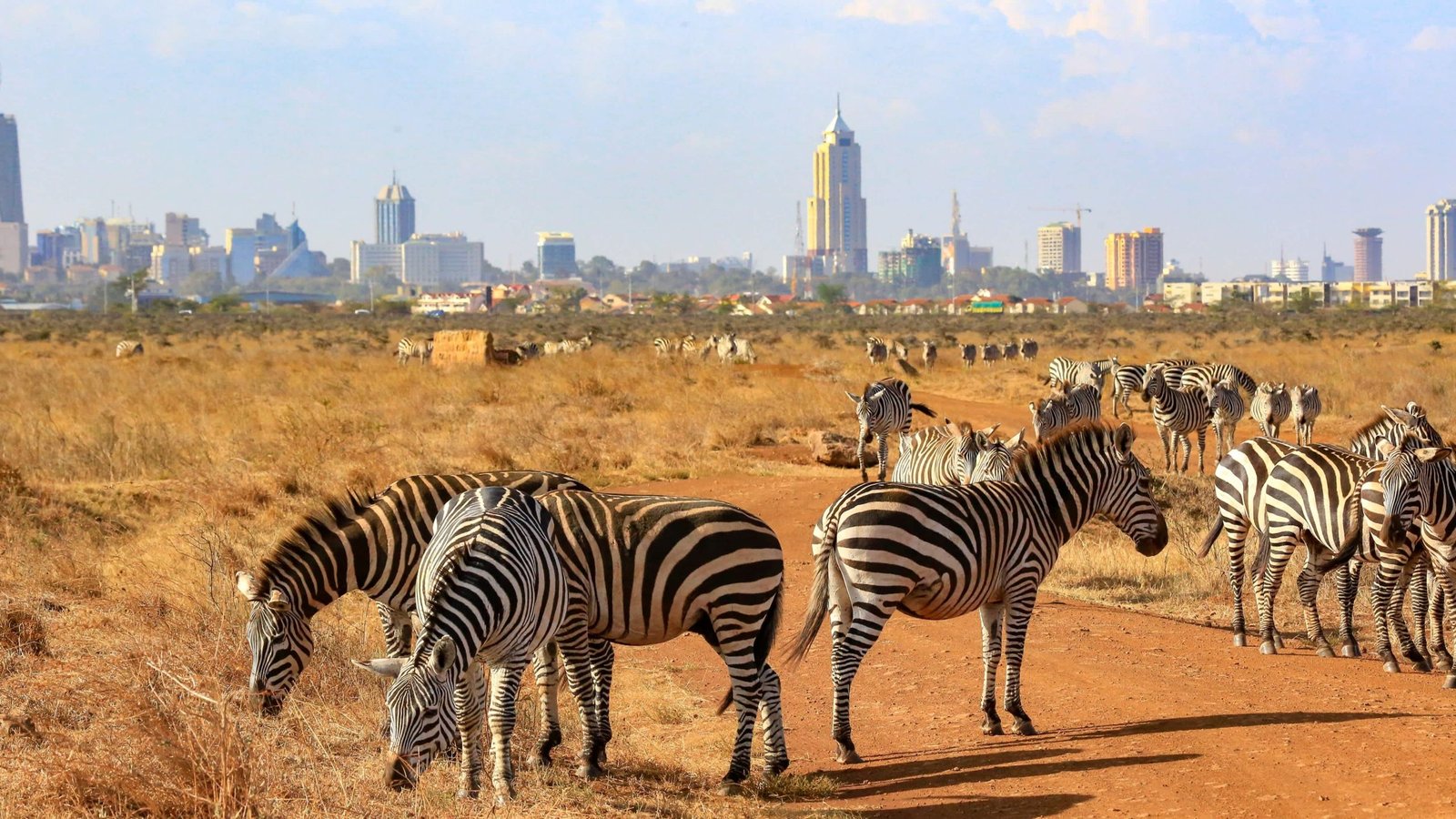
Nairobi, the capital city of Kenya, is a bustling metropolis that offers a perfect blend of nature and urban life. It is a city that is vibrant, full of life, and boasts of an array of tourist attractions. If you are planning a trip to Nairobi, there are numerous must-visit places that you should add to your itinerary. In this blog post, we have compiled a list of ten places you should consider visiting in Nairobi.

  1. Nairobi National Park Nairobi National Park is one of the few national parks in the world that is located within a city. It is a haven for wildlife enthusiasts and offers an opportunity to view Kenya’s Big Five (elephants, rhinos, lions, leopards, and buffalos) in their natural habitat. The park is also home to over 400 bird species, making it a must-visit destination for bird watchers.

  2. Giraffe Centre Located in the leafy suburbs of Lang’ata, the Giraffe Centre is a must-visit attraction in Nairobi. The centre offers an opportunity to get up close and personal with the endangered Rothschild’s giraffe, where you can feed them and take photos with them. The centre also has an educational aspect, where visitors learn about conservation efforts and the plight of endangered species.

  3. David Sheldrick Wildlife Trust The David Sheldrick Wildlife Trust is an orphanage for baby elephants and rhinos that have been abandoned by their mothers. Visitors can watch the baby elephants and rhinos being fed and enjoy seeing them play in the mud. It is an excellent opportunity for visitors to learn about conservation efforts and the challenges facing wildlife in Kenya.

  4. Karen Blixen Museum The Karen Blixen Museum is located in the former home of Karen Blixen, the author of “Out of Africa.” The museum offers an insight into the life of Karen Blixen and her contribution to the literary world. The museum also has a beautiful garden that visitors can explore.

  5. Nairobi National Museum The Nairobi National Museum is an excellent place to learn about the history and culture of Kenya. It has numerous exhibits that showcase Kenya’s prehistoric past, cultural diversity, and contemporary art. The museum also has a botanical garden that is home to over 900 species of indigenous plants.

  6. Bomas of Kenya Bomas of Kenya is a living museum that showcases Kenya’s cultural heritage. It has numerous exhibits that include traditional dances, music, and crafts. Visitors can also sample traditional Kenyan dishes at the on-site restaurant.

  7. Karura Forest Karura Forest is a beautiful urban forest that is located in the outskirts of Nairobi. It is an excellent destination for nature lovers, where visitors can go hiking, cycling, and bird watching. The forest also has numerous picnic sites where visitors can relax and enjoy the serene surroundings.

  8. Uhuru Park Uhuru Park is a popular destination for families and couples. It has a man-made lake where visitors can enjoy boat rides, and numerous picnic sites where visitors can relax and enjoy the beautiful surroundings. The park also has an on-site restaurant that serves traditional Kenyan dishes.

  9. Nairobi Gallery The Nairobi Gallery is located in the heart of Nairobi’s central business district. It is a contemporary art gallery that showcases works by Kenyan artists. It is an excellent destination for art lovers and offers an opportunity to view and purchase unique pieces of Kenyan art.

  10. Maasai Market The Maasai Market is a popular open-air market that sells a variety of traditional Kenyan crafts, including jewelry, textiles, and wood carvings. It is an excellent destination for souvenir shopping and offers an opportunity to interact with local artisans.

Nairobi is a vibrant city with numerous must-visit destinations. Whether you are interested in wildlife, culture, history, or art, there is something for everyone in Nairobi. The above ten places are just a few examples of the many attractions that Nairobi has to offer. Whether you are a local or a foreign visitor, be sure to add these destinations to your itinerary for a truly unforgettable experience in Nairobi.

April 24, 2023 0 comments
0 FacebookTwitterPinterestEmail
off-season travel
Budget TravelTravel Tips

Off-Season Travel: How to Save Money by Avoiding Peak Tourist Times

by Travel Geek April 19, 2023
written by Travel Geek

Traveling can be expensive, especially during peak tourist times. But did you know that you can save a lot of money by traveling during the off-season? Not only will you save money on flights and accommodations, but you’ll also avoid the crowds and have a more authentic experience. In this post, we’ll show you how to make the most of off-season travel.

  1. Choose the Right Destination

The first step in planning an off-season trip is to choose the right destination. Some destinations are better suited for off-season travel than others. For example, a beach destination may not be as enjoyable during the off-season when the weather is cooler and the water is colder. However, a city destination may be just as enjoyable during the off-season, with fewer crowds and more authentic experiences. Research your destination to determine the best time to visit for a budget-friendly, off-season trip.

  1. Consider Shoulder Season

If the off-season is too quiet or too cold for your liking, consider traveling during shoulder season. Shoulder season is the time between the off-season and peak season, when prices are lower but the weather is still pleasant. For example, the shoulder season for a beach destination might be in the spring or fall when the weather is still warm enough to enjoy the beach, but the crowds have thinned out.

  1. Be Flexible with Your Travel Dates

One of the biggest advantages of off-season travel is that you can be flexible with your travel dates. If you’re not tied to specific travel dates, you can save a lot of money by traveling during the least expensive times. Flights and accommodations are typically much cheaper during the off-season, so take advantage of this by being flexible with your travel dates.

  1. Use Travel Rewards

Another way to save money on off-season travel is to use travel rewards. If you have credit card points or airline miles, consider using them to offset the cost of your flights or accommodations. Many travel rewards programs offer discounts or special deals for off-season travel, so be sure to check for these before booking your trip.

  1. Embrace the Weather

Off-season travel often means cooler or less predictable weather, but don’t let that discourage you. Embrace the weather and pack accordingly. Bring layers for cooler weather, and don’t forget rain gear if you’re traveling during a rainy season. With the right clothing and gear, you can enjoy your off-season trip regardless of the weather.

  1. Plan for Indoor Activities

If the weather is too cold or wet for outdoor activities, plan for indoor activities instead. Museums, galleries, and other indoor attractions are often less crowded during the off-season, and many offer discounts or free admission. Use this time to explore the indoor attractions of your destination.

  1. Support Local Businesses

Off-season travel can be tough on local businesses that rely on tourism. As a responsible traveler, consider supporting local businesses by shopping at local markets, eating at local restaurants, and staying in locally owned accommodations. Not only will you be supporting the local economy, but you’ll also have a more authentic experience.

  1. Enjoy the Authentic Experience

Finally, one of the biggest benefits of off-season travel is the authentic experience. You’ll have the opportunity to see your destination as the locals do, without the crowds and commercialism that can often come with peak tourist times. Take advantage of this opportunity to immerse yourself in the local culture and enjoy the authentic experience.

Off-season travel can be a budget-friendly and authentic way to see the world. By choosing the right destination, being flexible with your travel dates, embracing the weather, and supporting local businesses, you can make the most of your off-season trip. Happy travels!

April 19, 2023 0 comments
0 FacebookTwitterPinterestEmail
Budget Airline
Budget TravelTravel Tips

Budget Airline Survival Guide: How to Make the Most of Low-Cost Flights

by Travel Geek April 19, 2023
written by Travel Geek

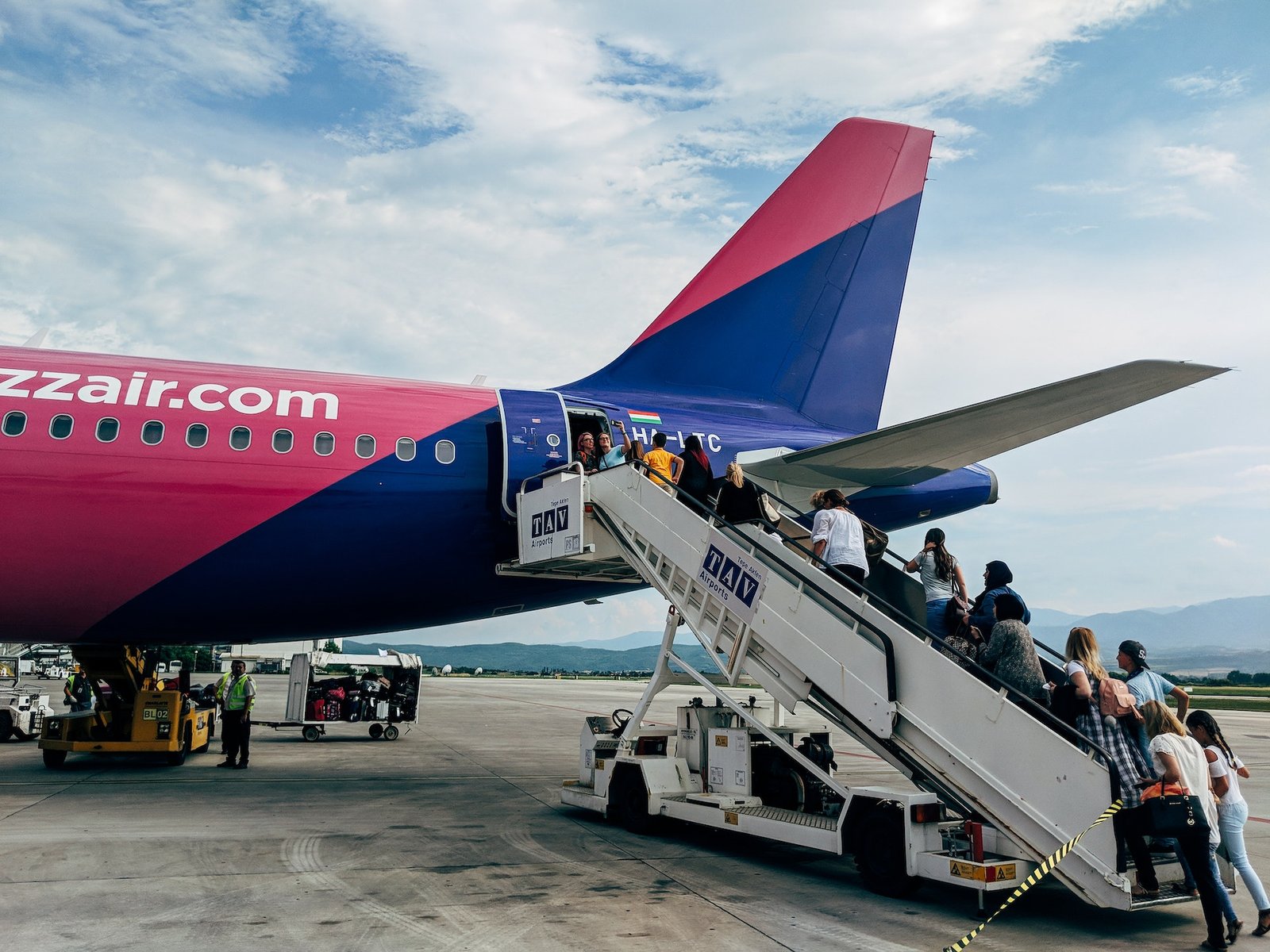
With the rise of low-cost airlines, it’s easier than ever to travel on a budget. However, flying with a budget airline can come with some challenges. In this guide, we’ll share some tips for surviving and making the most of your budget airline experience.

  1. Book early and be flexible: The key to getting the best deals on budget airlines is to book early and be flexible with your travel dates. The earlier you book, the cheaper the flights are likely to be. Also, consider flying during off-peak times to save even more.

  2. Pack light: Budget airlines often charge extra for checked baggage, so it’s important to pack light. Make sure to check the airline’s baggage policy before you pack, and consider packing everything in a carry-on bag to avoid additional fees.

  3. Bring your own food and water: Many budget airlines charge for food and drinks, so it’s a good idea to bring your own snacks and a water bottle. This will not only save you money, but also ensure that you have something to eat and drink during the flight.

  4. Check-in online and print your boarding pass: Most budget airlines charge extra for airport check-in and printing your boarding pass at the airport. Save money by checking in online and printing your boarding pass before you arrive at the airport.

  5. Be prepared to pay for extras: Budget airlines often charge extra for things like seat selection, priority boarding, and in-flight entertainment. If you want any of these extras, be prepared to pay for them.

  6. Be prepared for delays and cancellations: Budget airlines are known for their frequent delays and cancellations. Make sure to have a backup plan in case your flight is delayed or canceled, such as bringing a book or having a phone charger.

  7. Be mindful of the fine print: Budget airlines often have strict policies on things like cancellations, changes, and refunds. Make sure to read the fine print before you book your flight so you know what to expect.

By following these tips, you can make the most of your budget airline experience and save money on your travels. Happy flying!

April 19, 2023 0 comments
0 FacebookTwitterPinterestEmail
Papavero
Budget TravelTravel Tips

Cheap Eats: Where to Find Delicious and Inexpensive Food While Traveling

by Travel Geek April 19, 2023
written by Travel Geek

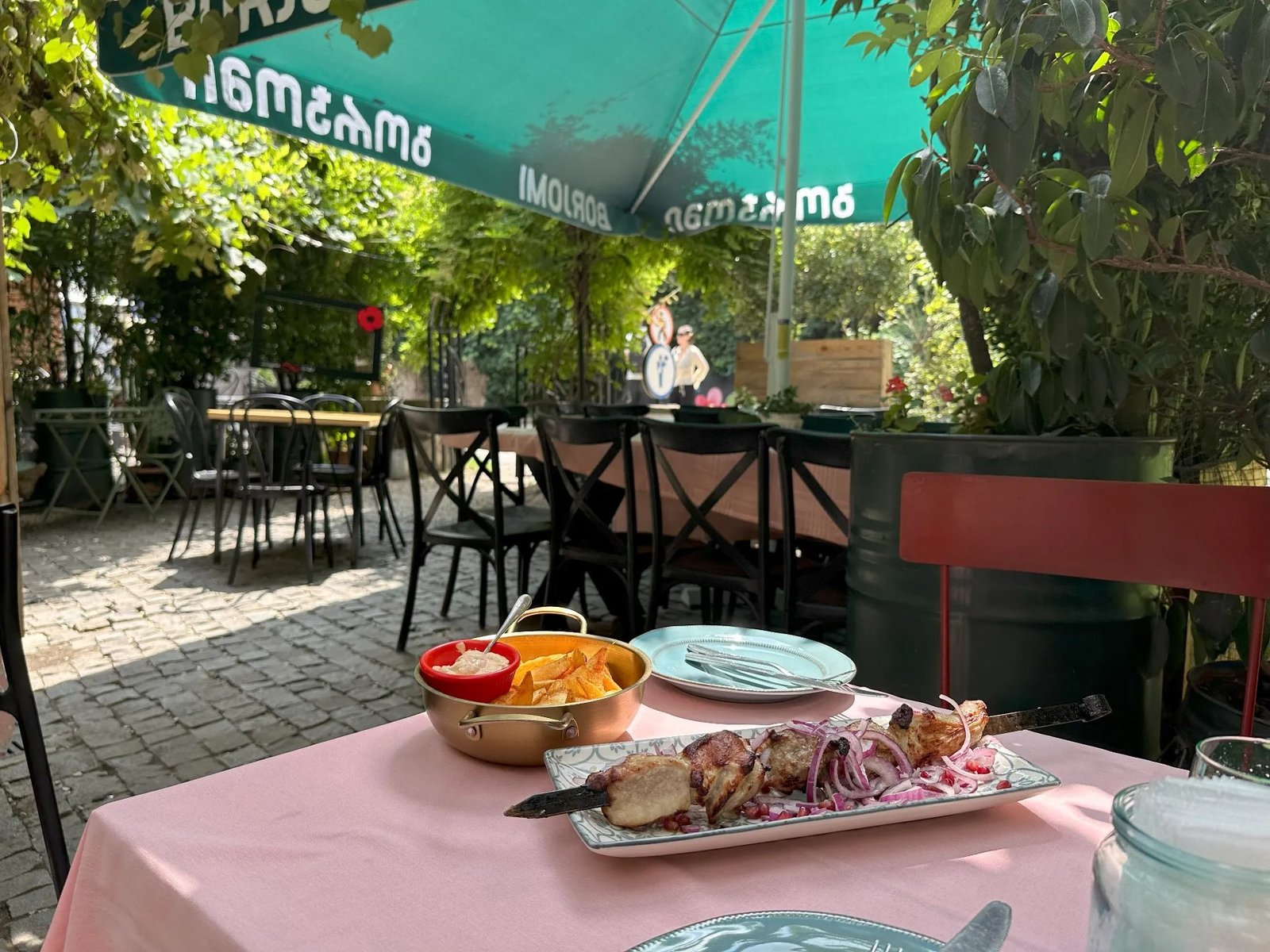
Traveling is a wonderful experience, but it can be costly. One of the major expenses that travelers face is food. However, there are ways to eat well and save money while traveling. In this article, we’ll explore some of the best places to find delicious and inexpensive food while on the road.

  1. Street Food

One of the best ways to save money while traveling is to eat street food. Street food is often a lot cheaper than restaurant food, and it’s a great way to experience local cuisine. In many countries, street food is a cultural institution, and you can find some of the best and most authentic dishes from street vendors. Just make sure that you choose a vendor that looks clean and hygienic.

  1. Markets

Local markets are another great place to find inexpensive and delicious food. In many countries, markets are the heart of the food culture, and you can find fresh and seasonal produce, meat, fish, and other ingredients that you can use to prepare your own meals. You can also find prepared foods such as sandwiches, salads, and soups, which are often cheaper than eating out.

  1. Local Cafes and Diners

If you want to eat out, look for local cafes and diners instead of touristy restaurants. These places often serve simple but delicious food at a fraction of the price of fancy restaurants. You can find local favorites such as breakfast sandwiches, soup, and sandwiches, and often they are made with locally sourced ingredients.

  1. Food Trucks

Food trucks are another great way to experience local cuisine while on the road. They often offer a variety of dishes at a reasonable price, and they’re perfect for a quick and tasty meal on the go. Look for food trucks near popular tourist attractions or on busy streets.

  1. Fast Food Chains

Although fast food chains aren’t the most exciting places to eat while traveling, they can be a good option for budget travelers. Many fast food chains offer budget-friendly meals and specials that can help you save money. Additionally, many fast food chains offer local menu items that you may not be able to find in other parts of the world.

  1. Picnics

If you want to save money and enjoy the outdoors, consider packing a picnic. You can buy ingredients from a local market and prepare a simple meal to enjoy in a park or other scenic location. Not only is this a budget-friendly option, but it’s also a great way to immerse yourself in the local culture.

  1. Grocery Stores

If you’re looking to save money on food while traveling, it’s a good idea to visit a local grocery store. You can find basic food items such as bread, cheese, and fruit that can be used to prepare simple meals. Grocery stores also often sell prepared meals, such as sandwiches and salads, which can be a budget-friendly alternative to eating out.

  1. Happy Hour

If you want to enjoy a drink or two while traveling, look for bars and restaurants that offer happy hour specials. During happy hour, drinks and food are often offered at a discounted price, making it a great way to enjoy a night out without breaking the bank.

  1. All-Inclusive Resorts

If you’re planning to stay at an all-inclusive resort, you can save money by taking advantage of the food and drinks that are included in your package. Many all-inclusive resorts offer a variety of dining options, including buffets, a la carte restaurants, and snack bars.

  1. Cooking Classes

If you’re interested in learning about local cuisine, consider taking a cooking class. Not only will you learn how to prepare local dishes, but you’ll also get to eat what you cook. This can be a fun and budget-friendly way to enjoy the local food culture while traveling.

By following these tips, you can enjoy delicious and inexpensive food while traveling without blowing your budget. Happy eating!

April 19, 2023 0 comments
0 FacebookTwitterPinterestEmail
Backpacking
Budget TravelTravel Tips

Budget-Friendly Backpacking: A Guide to Low-Cost Adventures

by Travel Geek April 19, 2023
written by Travel Geek

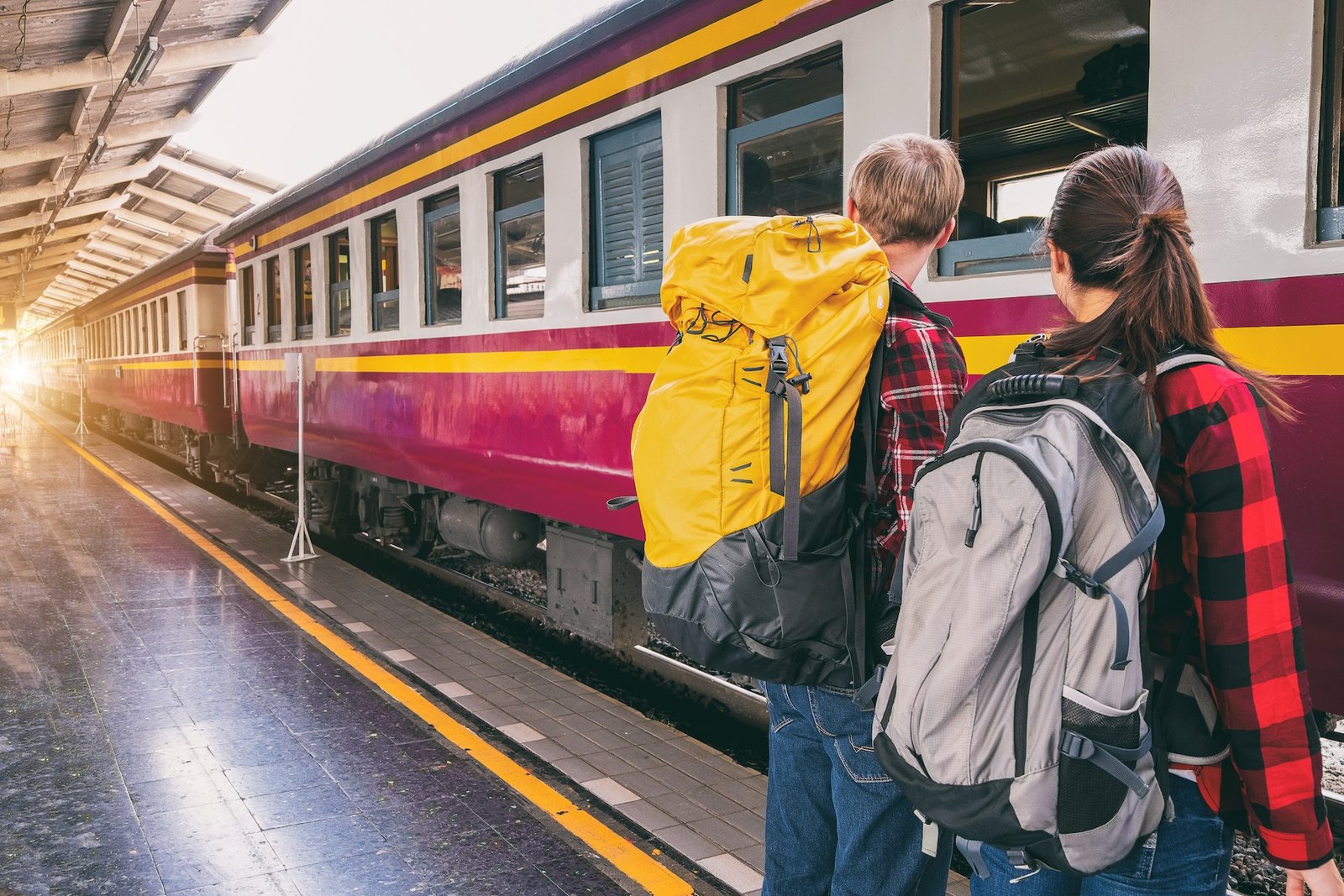
Backpacking is a popular way to travel for many people, offering the opportunity to explore new places, meet new people, and experience new cultures. However, backpacking can also be expensive, especially if you’re traveling long-term. In this article, we’ll provide a guide to low-cost backpacking, including tips and tricks for saving money while on the road.

  1. Plan ahead One of the best ways to save money while backpacking is to plan ahead. Research your destination and create a budget for your trip, including transportation, accommodation, food, and activities. Look for budget-friendly options, such as hostels, homestays, and cheap eats.

  2. Choose the right gear When it comes to backpacking gear, you don’t need to spend a fortune. Look for budget-friendly options, such as secondhand gear, or borrow from friends. Invest in quality essentials, such as a durable backpack and comfortable shoes, but don’t overspend on unnecessary gadgets and accessories.

  3. Travel off-season If you’re flexible with your travel dates, consider traveling off-season. This can save you money on flights, accommodation, and activities, and also allow you to avoid the crowds. However, be aware that some destinations may have limited services or activities during the off-season.

  4. Use public transportation Instead of taking expensive taxis or private transfers, use public transportation to get around. This can include buses, trains, and local transport, such as tuk-tuks or shared taxis. Not only is this cheaper, but it can also be a more authentic way to experience the local culture.

  5. Stay in budget-friendly accommodation Hostels, homestays, and guesthouses are all great options for budget-friendly accommodation. Look for places that offer shared rooms or dormitories, or even campgrounds if you’re traveling with a tent. You can also consider house-sitting or house-swapping to save on accommodation costs.

  6. Cook your own meals Eating out can quickly add up, especially in touristy areas. Instead, consider cooking your own meals. Many hostels and guesthouses have communal kitchens where you can prepare your own food, or you can even bring a portable stove and cook outdoors. Shopping at local markets can also be a great way to save money on food.

  7. Look for free activities Many destinations offer free or low-cost activities and attractions. Look for free walking tours, hikes, and museums, or even just explore the local neighborhood. You can also look for volunteer opportunities or cultural exchanges, which can provide a unique experience while also helping you save money.

  8. Stay safe While backpacking on a budget, it’s important to prioritize safety. Keep your valuables secure, avoid walking alone at night, and be aware of local scams and pickpockets. It’s also a good idea to invest in travel insurance, which can provide peace of mind in case of unexpected emergencies or accidents.

Backpacking on a budget is all about being smart with your money and prioritizing experiences over material possessions. With a little bit of planning and creativity, you can enjoy low-cost adventures and unforgettable experiences while traveling the world.

April 19, 2023 0 comments
0 FacebookTwitterPinterestEmail
Cruise
Family TravelTravel Tips

Cruising with Kids: Tips for Choosing the Right Ship and Itinerary

by Travel Geek April 19, 2023
written by Travel Geek

Cruising can be a fun and exciting family vacation, but when traveling with kids, it’s important to choose the right ship and itinerary. Here are some tips to help you choose the perfect cruise for your family:

  1. Research family-friendly cruise lines

When choosing a cruise line for your family, look for those that cater to families with children. Many cruise lines offer family-friendly amenities, such as kids’ clubs, age-appropriate activities, and babysitting services. Research the cruise line’s policies on age requirements, childcare, and family activities before booking.

  1. Choose the right ship

When choosing a cruise ship, consider the ship’s size, amenities, and activities. Larger ships may offer more amenities, such as water parks, rock climbing walls, and mini-golf courses, while smaller ships may offer a more intimate and relaxed atmosphere. Look for ships that have family-friendly cabins, such as suites or connecting rooms, to ensure that everyone has enough space and privacy.

  1. Pick the right itinerary

When choosing a cruise itinerary, consider the ports of call and the activities offered at each destination. Look for itineraries that offer a variety of activities for both kids and adults, such as beach excursions, historical tours, and cultural experiences. Keep in mind that some itineraries may have age restrictions or may not be suitable for young children.

  1. Plan ahead for excursions

When planning shore excursions, consider your child’s age and interests. Look for excursions that are age-appropriate and offer activities that your child will enjoy. Consider booking excursions through the cruise line, as they often offer family-friendly options and guarantee that you will return to the ship on time.

  1. Pack smart

When packing for a family cruise, it’s important to pack smart. Bring plenty of sunscreen, hats, and sunglasses for everyone, as well as swimwear and cover-ups. Pack a first-aid kit with essentials, such as bandages, insect repellent, and motion sickness medication. Don’t forget to bring plenty of entertainment for your kids, such as books, toys, and electronics.

  1. Set expectations

When traveling with kids, it’s important to set expectations before the trip. Talk to your kids about the ship, the itinerary, and the rules on board. Discuss safety precautions, such as staying together and wearing life jackets when necessary. Encourage your kids to participate in the ship’s activities and make new friends, but also remind them that they need to follow the rules and respect other passengers.

Cruising with kids can be a fun and rewarding experience for the whole family, but it requires some planning and preparation. By researching family-friendly cruise lines, choosing the right ship and itinerary, planning ahead for excursions, packing smart, and setting expectations, you can ensure a successful and enjoyable family cruise vacation. Bon voyage!

April 19, 2023 0 comments
0 FacebookTwitterPinterestEmail
Newer Posts
Older Posts

Follow Us

Facebook Twitter Instagram Pinterest Youtube Tiktok

Recent Posts

  • A Day in Sukhothai: History, Morning Monks, and Peaceful Ruins

    April 8, 2026
  • 10 Places Around the World Where You Can Pan for Gold for Free

    April 8, 2026
  • Guide to Burnout Retreats: What They Are & Where to Go on Any Budget

    April 7, 2026
  • Asia Fuel Crisis 2026: Should You Cancel Your Travel Plans?

    March 31, 2026
  • Guide to Crossing the Thailand-Laos Border via Friendship Bridge IV

    March 28, 2026

Categories

  • Destinations (80)
    • Africa (7)
      • Egypt (2)
      • Kenya (2)
      • Morocco (3)
      • Namibia (1)
      • Rwanda (1)
      • South Africa (2)
      • Tanzania (1)
      • Zambia (1)
    • Asia (68)
      • Bhutan (1)
      • Cambodia (1)
      • China (2)
      • India (1)
      • Indonesia (8)
      • Laos (1)
      • Malaysia (2)
      • Maldives (1)
      • Nepal (2)
      • Sri Lanka (1)
      • Thailand (60)
      • Turkmenistan (1)
      • Vietnam (3)
    • Europe (14)
      • Bulgaria (1)
      • Croatia (1)
      • Georgia (3)
      • Greece (2)
      • Iceland (1)
      • Ireland (2)
      • Italy (1)
      • Montenegro (1)
      • Norway (1)
      • Portugal (3)
      • Scotland (1)
      • Spain (1)
      • Switzerland (1)
      • Turkey (5)
    • Middle East (6)
      • Jordan (1)
      • Oman (1)
      • Qatar (1)
      • UAE (2)
    • North America (6)
      • Canada (2)
      • Mexico (1)
      • USA (5)
    • Oceania (4)
      • Australia (1)
      • New Zealand (3)
    • South America (7)
      • Argentina (1)
      • Bolivia (2)
      • Chile (4)
      • Costa Rica (3)
      • Dominica (1)
      • Ecuador (1)
      • Peru (2)
  • Travel Gear (64)
    • Clothing (15)
    • Luggage (10)
    • Photography Gear (7)
    • Security Gear (8)
    • Travel Accessories (21)
    • Travel Electronics (10)
  • Travel Tips (217)
    • Budget Travel (42)
    • Family Travel (35)
    • Food and Dining (16)
    • Health and Wellness (48)
    • Luxury Travel (24)
    • Packing (12)
    • Safety (19)
    • Solo Travel (33)
    • Sustainable Travel (12)
    • Transportation (45)
    • Travel Insurance (14)
    • Visa and Immigration (13)

Subscribe to our newsletter and be the first to know about our latest and greatest news, exclusive offers, and funny cat videos (yes, we promise to include those too)..

We don’t spam! Read our privacy policy for more info.

You’ve been successfully subscribed to our newsletter!

  • About Us
  • Destinations
  • Travel Tips
  • Travel Gear
  • Contact Us
  • Terms and Conditions
  • Privacy policy
  • Refund and Cancelation Policy

© Copyright 2026 FitcationHQ

FitcationHQ
FitcationHQ
  • Home
  • Travel Planning
  • Destinations
    • Africa
      • Egypt
      • Kenya
      • Morocco
      • Mozambique
      • Namibia
      • Rwanda
      • South Africa
      • Tanzania
    • Asia
      • Bhutan
      • Cambodia
      • China
      • Indonesia
      • Laos
      • Malaysia
      • Maldives
      • Nepal
      • Thailand
      • Turkmenistan
    • Europe
      • Bulgaria
      • Croatia
      • Georgia
      • Greece
      • Iceland
      • Ireland
      • Italy
      • Montenegro
      • Norway
      • Portugal
      • Scotland
      • Turkey
    • Middle East
      • Jordan
      • UAE
    • North America
      • Canada
      • USA
    • Oceania
      • New Zealand
    • South America
      • Argentina
      • Bolivia
      • Chile
      • Costa Rica
      • Ecuador
      • Peru
  • Travel Tips
    • Budget Travel
    • Family Travel
    • Food and Dining
    • Health and Wellness
    • Luxury Travel
    • Packing
    • Safety
    • Solo Travel
    • Transportation
    • Travel Insurance
    • Sustainable Travel
    • Visa and Immigration
  • Travel Gear
    • Luggage
    • Clothing
    • Photography Gear
    • Security Gear
    • Travel Accessories
    • Travel Electronics

Shopping Cart

Close

No products in the cart.

Close