FitcationHQ
  • Home
  • Travel Planning
  • Destinations
    • Africa
      • Egypt
      • Kenya
      • Morocco
      • Mozambique
      • Namibia
      • Rwanda
      • South Africa
      • Tanzania
    • Asia
      • Bhutan
      • Cambodia
      • China
      • Indonesia
      • Laos
      • Malaysia
      • Maldives
      • Nepal
      • Thailand
      • Turkmenistan
    • Europe
      • Bulgaria
      • Croatia
      • Georgia
      • Greece
      • Iceland
      • Ireland
      • Italy
      • Montenegro
      • Norway
      • Portugal
      • Scotland
      • Turkey
    • Middle East
      • Jordan
      • UAE
    • North America
      • Canada
      • USA
    • Oceania
      • New Zealand
    • South America
      • Argentina
      • Bolivia
      • Chile
      • Costa Rica
      • Ecuador
      • Peru
  • Travel Tips
    • Budget Travel
    • Family Travel
    • Food and Dining
    • Health and Wellness
    • Luxury Travel
    • Packing
    • Safety
    • Solo Travel
    • Transportation
    • Travel Insurance
    • Sustainable Travel
    • Visa and Immigration
  • Travel Gear
    • Luggage
    • Clothing
    • Photography Gear
    • Security Gear
    • Travel Accessories
    • Travel Electronics
FitcationHQ
Flight Canceled or Delayed? Here’s What You’re Entitled To
TransportationTravel Tips

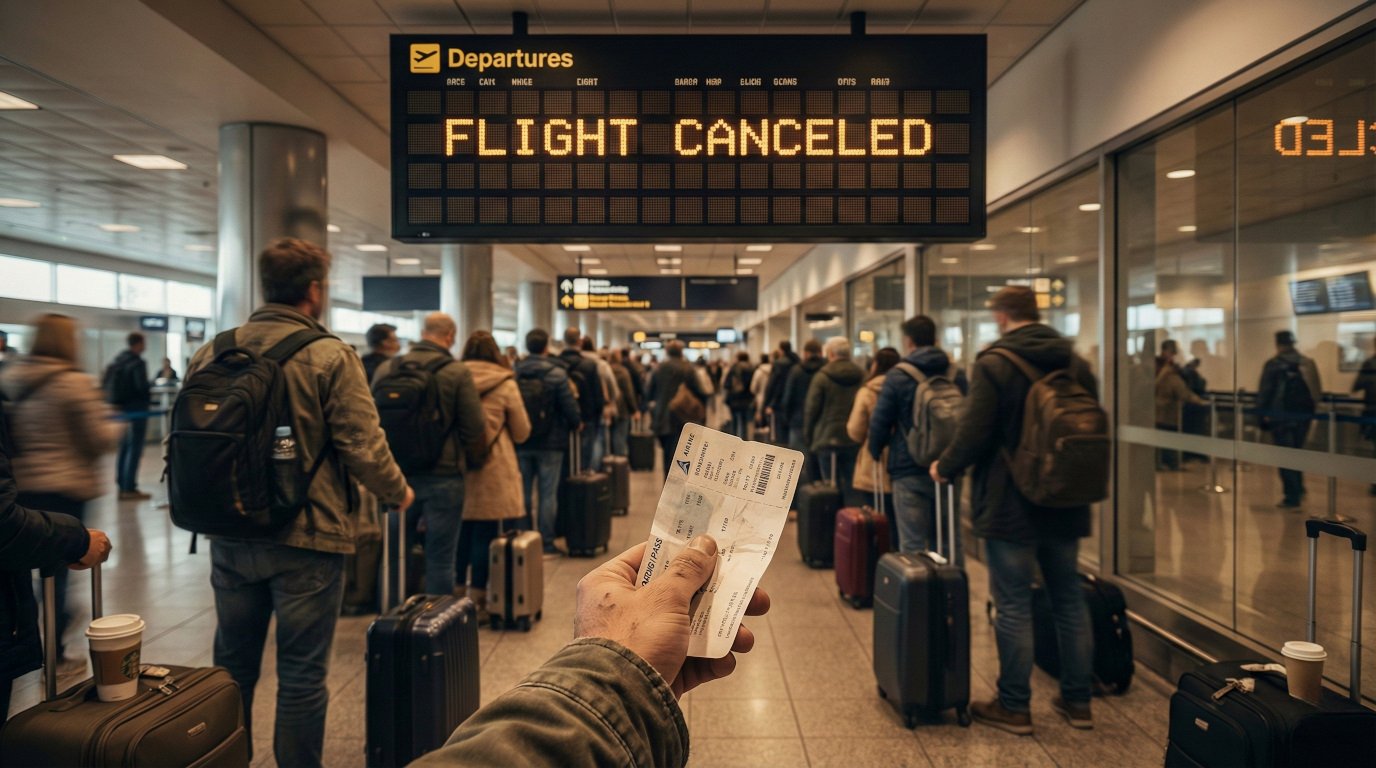
Flight Canceled or Delayed? Here’s What You’re Entitled To

by Travel Geek November 27, 2025
written by Travel Geek

Let’s face it: travel delays are the absolute worst. After planning a trip, nothing is more frustrating than seeing that dreaded “Delayed” or “Canceled” status pop up on the airport screen.

But here’s the good news: depending on where you are flying, you might be entitled to hundreds of dollars in compensation—not just a measly food voucher. The key is knowing which set of rules applies to your flight.

The global system for passenger rights is split into two main groups: those that demand fixed cash compensation (like Europe and Canada) and those that only require a full refund (like the USA).

This guide breaks down your rights, so you can stop waiting around and start claiming what you’re owed. (And yes, services like AirHelp and Compensair exist precisely because navigating these rules can be tricky!)

1. Europe and Canada: The Cash Compensation Kings

If your flight takes off from, lands in, or is operated by an airline registered in the European Union (EU) or Canada, you are likely covered by the world’s most generous passenger protection laws. These rules are designed to give you a fixed sum of money for the time you lost, provided the delay was the airline’s fault.

The EU’s EC 261 Rule: Fixed Payouts by Distance

The European Union Regulation EC 261 is the gold standard. It applies if you depart from an EU airport (on any airline) or arrive at an EU airport (on an EU-registered airline).

The Big Rule: If you arrive at your final destination 3 hours or more late due and the cause was within the airline’s control (like a mechanical failure or staffing issue), you are owed compensation based on the distance of your flight.

Your Dual Entitlement:

  1. The Right to Care: For delays over 2, 3, or 4 hours (depending on distance), the airline must give you free meals, refreshments, and access to communication. If you need to stay overnight, they must pay for your hotel and transport. You get this care regardless of why the flight was delayed.

  2. Financial Compensation: This is the cash payout if the delay was the airline’s fault.

Flight Distance

Minimum Delay to Qualify

Compensation Amount

Short-Haul (up to 1,500 km)

$3 hours

€250 (Approx. $270 USD)

Medium-Haul (1,500 km to 3,500 km)

$3 hours

€400 (Approx. $430 USD)

Long-Haul (over 3,500 km)

$3 hours

€600 (Approx. $645 USD)

(Note: These are for delays that are the airline’s fault. If your flight is canceled, you have the right to a refund, a replacement flight, AND this compensation unless you were notified well in advance.)

Canada’s APPR: Payouts Based on Delay Time

Canada’s Air Passenger Protection Regulations (APPR) offer similar protection but calculate the compensation amount based on the total delay at your final arrival and the size of the airline.

Delay Threshold (Arrival)

Large Airline Compensation (CAD)

Small Airline Compensation (CAD)

3 to< 6 Hours

$400

$125

6 to< 9 Hours

$700

$250

>9 Hours

$1,000

$500

Crucially, Canadian airlines must offer compensation in cash, not just vouchers, unless the voucher is worth more than the required cash amount and has no expiration date.

The Airline’s Only Defense: “Extraordinary Circumstances”

Airlines don’t have to pay compensation if the delay was caused by “extraordinary circumstances” or things outside their control.

Examples of Extraordinary Circumstances (No Compensation):

  • Extreme weather (e.g., unexpected snowstorm).

  • Air traffic control strikes (not airline strikes).

  • Political unrest or terrorism.

Examples of Compensable Delays (The Airline Must Pay):

  • Most technical or mechanical faults.

  • Airline staff sickness or staff shortages.

  • Pilots or cabin crew striking (if they are the airline’s own staff).

  • Delays caused by a previous flight using the same aircraft (the ripple effect).

2. The United States: Focused on Refunds and Denied Boarding

The U.S. Department of Transportation (DOT) follows a different approach. They don’t force airlines to pay fixed compensation for simple delays (no matter how long). Instead, the rules focus on giving you a full refund when service fails entirely or paying high compensation for involuntary denied boarding.

The Refund Rule for Cancellations and Big Changes

If your flight is canceled or the airline makes a “significant change” to the schedule, you are entitled to a full refund, even if you bought a non-refundable ticket. You do not have to accept a voucher.

What is a “Significant Change”? The DOT says you are owed a full refund if you reject the alternative flight offered and the change includes:

  • Departure or arrival times delayed by more than 3 hours (domestic) or 6 hours (international).

  • A change in the departure or arrival airport.

  • Being downgraded to a lower class of service (e.g., from Business to Economy).

Denied Boarding Compensation (DBC)

This is the clearest exception for mandatory cash compensation in the US. If you are involuntarily “bumped” from an oversold flight, you are owed a payout based on how late your replacement flight is.

Delay in Arrival Time (Compared to Original)

Compensation (Based on One-Way Fare)

Financial Cap

Domestic: 1 to 2 hours

200% of the fare

Limited to $1,075 USD

Domestic: Over 2 hours

400% of the fare

Limited to $2,150 USD

International: 1 to 4 hours

200% of the fare

Limited to $1,075 USD

International: Over 4 hours

400% of the fare

Limited to $2,150 USD

3. The Global Safety Net: The Montreal Convention (MC99)

This is an international treaty that covers most international flights worldwide. It’s important because it lets you claim for consequential financial losses—not just for inconvenience.

For example, if a delay caused you to miss a non-refundable connection, a pre-paid cruise, or an important business meeting where you lost money, you can use MC99 to recover those specific economic losses, up to about $8,800 USD per passenger. This is separate from any fixed compensation you might get from EC 261 or APPR.

4. Quick Checks for Other Regions

While the EU and Canada are the most common places for fixed payouts, other regions are catching up:

Jurisdiction

Delay/Cancellation Right

Compensation Notes

Saudi Arabia (GACA/GCC)

Right to a full refund if the delay exceeds 2 hours.

Fixed compensation of about 50 to 150 SDRs (around $70 to $210 USD) for delays over 3 hours.

India (DGCA)

Full refund if you refuse the offered alternative flight.

Compensation is mandated only if the airline fails to inform you of a cancellation at least 3 hours in advance.

China (CAAC)

Airline must provide meals and accommodation for delays/cancellations at agreed stopping places, regardless of the cause.

Compensation is generally required for delays over 4 hours due to airline fault, but specific fixed amounts vary.

5. Don’t Miss the Deadline: Claiming Time Limits

Getting compensation takes time, and airlines are not going to send you a check automatically. You must file a formal claim.

This is the biggest trick in the system: The time you have to file a claim depends on the country you are claiming in! If your flight falls under EU rules, check the country of departure or arrival for the longest window.

Jurisdiction Governing Claim

Statutory Time Limit

United Kingdom, Ireland

6 Years

France, Greece, Spain

5 Years

Germany, Austria, Denmark

3 Years

Canada (APPR)

1 Year

Your Strategy

File ASAP!

How to Get Your Money

While you can file a claim directly with the airline, many travelers find that their claims are delayed or denied unfairly.

This is where specialized services come in. If you want to avoid the paperwork and legal back-and-forth, companies like AirHelp and Compensair will handle the entire claim process for you, including any legal action, for a percentage of the final payout. They are experts at navigating the “extraordinary circumstances” defense and ensuring you get what you are owed.

Next time you are stuck waiting, remember to document everything: take pictures of the departure board, keep your boarding pass, and save all receipts for any unexpected expenses. Knowing the difference between the EU’s distance-based rules and the US’s refund-first model is the first step toward getting paid. Happy (and compensated!) travels!

November 27, 2025 0 comments
0 FacebookTwitterPinterestEmail
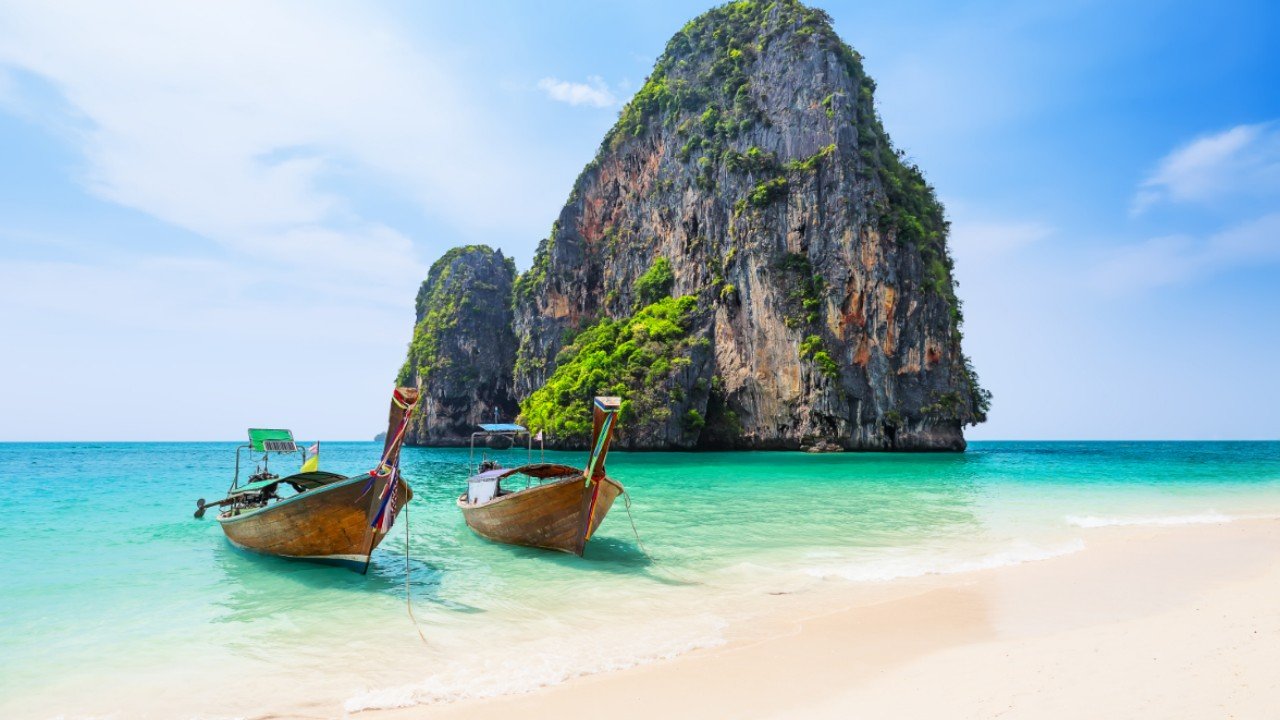
Your Ultimate Guide to Thailand Travel
AsiaBudget TravelDestinationsFamily TravelLuxury TravelThailandTravel TipsVisa and Immigration

Guide to Thailand Travel: New Rules for the 2025/2026 Holiday Season

by Travel Geek November 26, 2025
written by Travel Geek

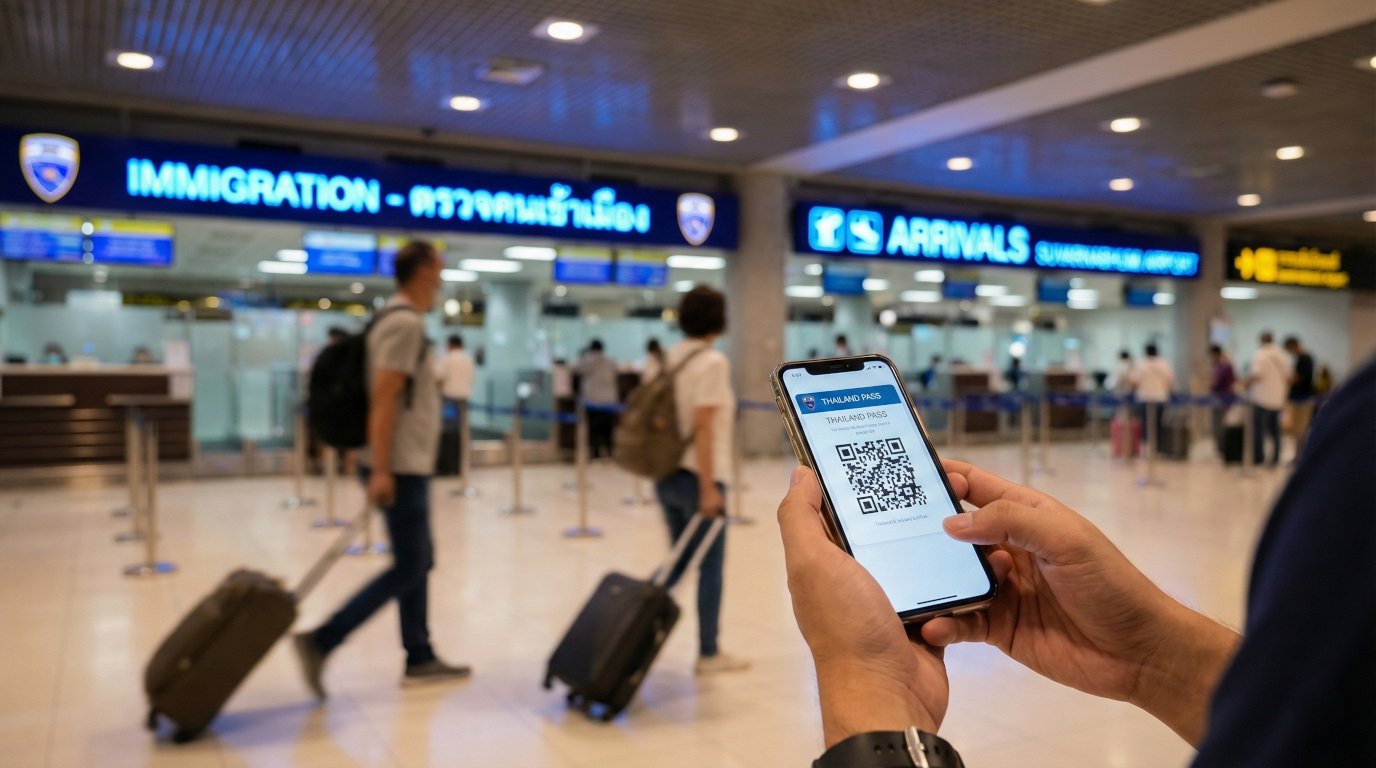
Thailand is calling! But wait—before you book that last flight, know that things have changed. New regulations rolled out in late 2025 mean you need to prepare a little differently than before. From a mandatory digital entry form to new rules on extending your stay, here is everything you need to know for a stress-free holiday in the Land of Smiles.

1. Entering Thailand: It’s All Digital Now!

Forget the old paper forms on the plane—entry is now mandatory through a new online system.

The Mandatory Digital Arrival Card (TDAC)

To get through Immigration smoothly, you must complete the Thailand Digital Arrival Card (TDAC) online.

  • When to file it: You can submit it up to three days (72 hours) before your flight arrives.

  • What happens if I forget? You risk serious delays or even being denied entry, so don’t skip this step!

  • COVID-19 Check: As of November 2025, you do not need to show proof of COVID-19 vaccination or travel insurance based on official Thai policy. However, be aware that some airlines or transit airports might still ask for this, so travel prepared.

2. The Big Visa Change: Say Goodbye to ‘Visa Runs’

If you were hoping to stay for many months by frequently popping over a border and returning, the new rules have closed that door. The government wants to encourage proper visa planning, not endless short visits.

Stricter Rules for Visa Exemptions

For many nationalities, you still get a 60-day visa exemption upon arrival by air for tourism. However, the ability to extend your stay is now very limited and officers are checking travel history much closer.

Aspect

What Used to Happen (Before Nov 2025)

What Happens Now (New Rule)

What This Means for You

Land Border Entry

You could often get a 30-day extension inside Thailand.

No Extensions Allowed. You get 60 days max, and then you must leave the country.

The border-hopping strategy is finished. Plan your exit early!

Air Entry Extensions

Extensions were often granted multiple times a year.

Limited to 2 extensions per calendar year (30 days + a final 7-day emergency extension).

Your stay is now capped at around 97 days total unless you have a formal long-term visa.

Risk of Denial

Extension requests were usually rubber-stamped.

Officers must meet stricter goals and can deny your request if your travel history looks suspicious (e.g., too many back-to-back tourist entries).

Prepare documents and apply early for extensions; they are not guaranteed anymore.

Important: If you are trying to switch to a long-term visa (like a student visa), start that process immediately upon arrival. You might not have enough time with the new extension limits!

3. Party Safely: What You Need to Know About the New Alcohol Law

A major law change (the Alcoholic Beverage Control Act No. 2) came into effect on November 8, 2025. It mostly targets advertising, but there are three key things tourists need to know about sales and service.

A. Sobriety Checks by Staff

This is the biggest change: staff at all venues (restaurants, bars, convenience stores) are now legally required to check both your age (20+) and your sobriety before serving you. This means if you appear too drunk in a venue, the staff has the legal right—and obligation—to refuse you service. Be polite and drink responsibly, especially during busy holiday events.

B. Extended Hours for Certain Venues

Great news for late-night holiday celebrations:

  • Licensed Hotels: You can now order alcohol to your room 24/7.

  • Designated Entertainment Zones: Bars and clubs in areas like Bangkok, Phuket, and Chiang Mai can now serve alcohol until 4:00 AM.

C. Retail Curfew Still Applies

The extended hours only apply to licensed entertainment venues and hotels. If you want to buy a bottle of beer or liquor from a convenience store or supermarket, the sales curfew remains strictly in place:

  • No sales allowed between midnight and 11:00 AM.

4. Safety First: Places to Avoid (Geopolitical Risk)

Thailand is largely safe, but official advisories strongly caution against non-essential travel to two specific border regions due to ongoing security risks.

Region

Warning Level

Areas to Avoid

Key Danger

Southern Border

Avoid all but essential travel.

Pattani, Yala, Narathiwat, and four districts of Songkhla.

Ongoing insurgency and regular attacks. Avoid the Hat Yai to Padang Besar train line.

Cambodia Border

Avoid all but essential travel.

The entire 50km zone next to the Cambodia border, including islands like Koh Chang and Koh Kood.

Tensions, sporadic conflict, and unexploded landmines. Land crossings are closed indefinitely.

Heads Up: If you visit a high-risk area against official government advice, your standard travel insurance policy may be voided!

5. Holiday Planning: Watch Out for the New Year’s Closure!

The Thai government has approved an extended five-day holiday for the New Year to boost domestic tourism.

  • The Regulatory Dead Zone: All government offices, including Immigration, will be closed from Wednesday, December 31, 2025, to Sunday, January 4, 2026.

  • Logistical Pinch: This means if your visa exemption is due to expire anytime around this date (e.g., December 28th through January 5th), you must apply for your extension no later than December 27th to avoid an overstay fine.

  • Travel Congestion: Expect extremely high demand for trains, buses, and domestic flights during this five-day period. Book all long-distance travel immediately to avoid price hikes and delays.

  • Bangkok Airport Transfer: If you are connecting through Bangkok, make sure your flights use the same airport (BKK or DMK). Transferring between the two during peak holiday traffic is a nightmare!

Happy Traveling!

These new rules are all about making tourism safer and more structured. The best advice is to plan your entry and exit strategies clearly, know the rules about alcohol, and be smart about where you travel in the border regions. Have a fantastic time exploring Thailand! Let me know if you have any questions about specific visa application processes or need help finding a safe travel route.

November 26, 2025 0 comments
0 FacebookTwitterPinterestEmail
Urgent Warnings About Methanol Poisoning in Tourist Destinations
AfricaAsiaDestinationsEuropeHealth and WellnessMiddle EastNorth AmericaOceaniaSouth AmericaTravel Tips

Warnings About Methanol Poisoning in Tourist Destinations (2025)

by Travel Geek November 21, 2025
written by Travel Geek

The Risk is Real: Why You Need to Check Your Drink

You’re traveling to a beautiful place, ready to relax with a cocktail. But there is a silent, growing danger in the global alcohol supply chain: methanol poisoning. Governments around the globe have recently updated their travel warnings, telling tourists to be extremely careful when drinking alcohol overseas.

This isn’t just about avoiding cheap, homemade spirits anymore. Criminals are faking expensive, well-known brands and selling them to licensed bars and resorts. Methanol is a cheap, industrial chemical that looks and smells exactly like safe drinking alcohol, but even a tiny amount—just a sip—can cause permanent blindness, brain damage, or death.

Your safety starts with knowing where the risk is highest and how to protect yourself.

High-Alert Destinations: Where to Be Extra Safe

Due to recent incidents, major travel authorities have expanded their lists of countries where the risk of consuming contaminated alcohol is high.

If you are visiting any of the countries listed below, extra caution is absolutely essential.

Region

Country

Specific Context or Local Concerns

Americas

Mexico

Incidents in major tourist resorts; check seals carefully 

Americas

Costa Rica

Government health alerts for specific products; recent deaths 

Americas

Ecuador, Peru, Brazil

Recently added to official advisories 

Asia/Oceania

Indonesia

High risk from counterfeit local spirits like Arak 

Asia/Oceania

India, Malaysia

Added to recent warnings; concern over local drinks 

Asia/Oceania

Thailand, Vietnam, Laos, Cambodia, Fiji

Known high percentage of unregulated local alcohol 

Middle East/Africa

Morocco, Jordan, Iran, Kenya, Nigeria, Uganda, Rwanda, Malawi, Libya, P. New Guinea, Bangladesh

Widespread additions reflecting a global rise in cases

Europe/Eurasia

Russia, Turkey

Concerns over fake branded spirits (e.g., raki in Turkey) 

Know the Signs: The Critical 48-Hour Timeline

The most dangerous thing about methanol poisoning is the delay. You won’t feel sick right away. Symptoms often mimic a bad hangover, making it easy to ignore until it’s too late.

Time Frame Post-Ingestion

Symptoms (Key Indicators)

Severity Level

Action Required

0 to 12 Hours

Mild drunkenness, nausea, vomiting, dizziness. (Feels like a regular night out)

Dangerous Delay

Urgent monitoring. If symptoms are much worse than normal, seek help.

12 to 24 Hours

Extreme headache, worsening confusion, feeling breathless or weak.

Severe

IMMEDIATE EMERGENCY MEDICAL HELP. Tell staff you suspect methanol exposure.

24 to 48 Hours+

Blurred vision, “seeing snowy static” (like an old TV screen), seizures, fainting.

Life-Threatening

CRITICAL INTERVENTION. This requires specialized treatment and may lead to permanent blindness or death without help.

Your 5 Must-Do Safety Checks

Since you can’t see or smell methanol, your only defense is prevention. Follow these strict rules to stay safe:

  1. Check the Seal (This is Rule #1): Make sure the bottle seal is completely intact and unbroken when the drink is opened. Even in a nice bar, criminals can refill branded bottles with fake liquor. Always inspect the seal yourself.

  2. Avoid Unregulated Sources: Never drink spirits from unmarked bottles, street vendors, or anything that seems unusually cheap or homemade (like local moonshine).

  3. Choose Bottles Over Shots: Be cautious of mixed drinks, especially spirits and shots, or large communal jugs. It is safer to stick to mass-produced beer, wine, or internationally recognized brands that are opened right in front of you.

  4. Be Suspicious: If a drink tastes strange, has sediment, or if the price is far too low for the supposed brand, do not drink it.

  5. Get Comprehensive Insurance: Treatment for methanol poisoning requires a very expensive, life-saving antidote called Fomepizole and blood cleaning (dialysis). Hospitals in some high-risk countries may not stock it due to cost. Make sure your travel insurance covers toxicological emergencies and medical evacuation—it could literally save your life.

Remember: If you feel symptoms that are worse than a normal hangover, don’t wait. Time is the most important factor in saving your vision and your life. Get to a hospital right away and tell the medical team you are worried about tainted alcohol.

November 21, 2025 0 comments
0 FacebookTwitterPinterestEmail
Thailand’s Sunscreen Ban: What Travelers Need to Know About the New 100,000 Baht Fine
AsiaDestinationsHealth and WellnessThailandTravel Tips

Thailand’s Sunscreen Ban: What You Need to Know About the New 100,000 Baht Fine

by Travel Geek October 21, 2025
written by Travel Geek

If you’re planning a beach trip to Thailand, there’s a new rule you should know about before packing your sunscreen. The Thai government has banned certain types of sunscreens that contain chemicals known to harm coral reefs. Breaking this rule could lead to a fine of up to 100,000 baht (around USD 2,700).

This move is part of Thailand’s ongoing effort to protect its marine parks and preserve the country’s stunning coral reefs. Here’s everything travelers need to know about the new sunscreen law, what products are banned, and what safe alternatives you can use.

Why Thailand Banned Certain Sunscreens

Thailand is home to some of the most beautiful marine parks in the world, from Maya Bay in Krabi to the Similan Islands and Koh Phi Phi. Over the years, the country has seen coral bleaching and reef damage caused by pollution and tourist activity.

Scientists have found that some sunscreen ingredients are toxic to coral. Even small amounts can slow coral growth, damage its DNA, and make it more vulnerable to bleaching. With millions of tourists swimming in Thailand’s waters each year, the buildup of these chemicals has become a serious problem.

To protect its marine life, Thailand decided to take action by banning sunscreens that contain these harmful substances.

Sunscreen Ingredients Banned in Thailand

Travelers are no longer allowed to use sunscreens that contain:

  • Oxybenzone (Benzophenone-3)

  • Octinoxate (Ethylhexyl methoxycinnamate)

  • 4-Methylbenzylidene camphor

  • Butylparaben

These chemicals are often found in popular sunscreen brands, so it’s important to check the label before bringing one into Thailand’s marine parks. Even applying them before entering the water can still affect coral health, as the chemicals wash off your skin.

The Fine for Using Banned Sunscreen in Thailand

Violating the new sunscreen rule can lead to a fine of up to 100,000 baht. The ban applies mainly within Thailand’s national marine parks, which include many popular snorkeling and diving spots.

Park rangers and local authorities have been instructed to watch for violations. You won’t usually be searched at the entrance, but if you’re caught using a banned product or leaving behind empty bottles, you could face a penalty.

The aim isn’t to punish tourists, but to encourage everyone to make more responsible choices that protect the country’s natural treasures.

What Sunscreens Are Safe to Use in Thailand?

The good news is you can still stay safe from the sun without harming the ocean. Look for products labeled reef-safe or mineral-based. These usually contain:

  • Zinc oxide

  • Titanium dioxide

These natural minerals create a physical barrier on your skin that reflects UV rays instead of absorbing them, and they don’t damage coral.

Reef-safe sunscreens are easy to find in Thailand, especially in areas like Phuket, Krabi, Koh Samui, and Bangkok. Many local stores and eco-friendly brands already sell approved products.

How Travelers Can Help Protect Thailand’s Coral Reefs

Aside from using reef-safe sunscreen, there are a few simple ways you can make a difference:

  1. Avoid touching coral or standing on reefs while swimming or snorkeling.

  2. Don’t feed fish or disturb marine life.

  3. Use eco-friendly products like biodegradable shampoos and lotions.

  4. Join local beach clean-up activities—many tour companies offer these as part of their programs.

Small actions from travelers add up to big results when it comes to protecting Thailand’s coral reefs for future generations.

Thailand’s new sunscreen ban might seem like a small rule, but it’s a big step toward sustainable tourism. By choosing reef-safe sunscreen and respecting local guidelines, travelers can enjoy the country’s crystal-clear waters while helping preserve them.

Before you head out to Thailand’s beaches, double-check your sunscreen label. A little awareness goes a long way—both for your skin and for the ocean.

October 21, 2025 0 comments
0 FacebookTwitterPinterestEmail
Muay Thai for Beginners: 10 Things I Wish I Knew Before My First Class
AsiaDestinationsThailand

Muay Thai for Beginners: 10 Things I Wish I Knew Before My First Class

by Travel Geek September 16, 2025
written by Travel Geek

Stepping into a Muay Thai gym for the first time is thrilling—and intimidating. You might feel a mix of excitement, curiosity, and fear. Questions about your fitness, the risk of injury, or fitting in with seasoned fighters can feel overwhelming.

But here’s the truth: every champion in the gym was once a beginner. The fears you feel are normal, and facing them is part of the journey. Muay Thai is more than a combat sport; it’s a transformative practice that teaches resilience, discipline, and self-empowerment. The following insights will help you navigate your first camp with confidence and clarity.

Fear is Part of the Journey

Fear is universal when starting something new, and Muay Thai is no exception. You may worry about looking clumsy, not being fit enough, getting hurt, or failing socially. These anxieties are not personal failings—they’re shared by everyone stepping onto the mats for the first time.

The key is how you approach them. Experienced fighters don’t pretend fear doesn’t exist—they learn to work with it. In fact, the same nervous energy that creates anxiety can also be reframed as excitement. Confidence isn’t something you need before stepping into the gym; it’s something you build by showing up consistently, listening carefully, and trusting the process. The very activity that scares you is also what will dissolve your fears.

Your First Class: What to Expect

A typical beginner class has a rhythm that balances intensity, learning, and recovery. Arriving early gives you time to acclimate, wrap your hands, and settle in. The warm-up is usually tough—skipping rope, jogging, shadowboxing, and bodyweight exercises will leave you breathless. But it’s also the moment your body starts adapting to the demands of the sport.

After warming up, the instructor introduces the basics: stance, guard, footwork, and fundamental strikes. Drills follow, often paired with a partner or on pads. You’ll spend time holding pads and practicing strikes, which is just as important as delivering them. Classes typically end with conditioning and stretching to prepare your body for recovery.

Expect to feel awkward and exhausted. You may be drenched in sweat, your movements may feel clumsy, and your personal space will be challenged by close-contact techniques like the clinch. But it’s through this shared struggle that you start to feel part of the community. The first class is intense, yes—but it’s also where you begin learning, adapting, and connecting with others.

Gearing Up: What You Really Need

Equipment doesn’t have to be overwhelming or expensive at the start. On day one, comfortable workout clothes, hand wraps, a water bottle, and a towel are enough. Hand wraps protect your wrists and knuckles, and wearing clean gear shows respect for yourself and your partners.

After attending a few classes and committing to training, investing in gloves, shin guards, and a mouthguard becomes essential. Gloves protect both you and your partner, shin guards prevent injury during kicks, and a mouthguard safeguards your teeth and jaw. Optional items, like ankle supports or groin protection, can be added later. The important thing is to start simple, avoid overthinking, and gradually build your gear arsenal.

The Unwritten Rules: Being a Good Training Partner

Respect and etiquette are central to Muay Thai culture. Arriving on time, paying attention when the instructor demonstrates, and keeping the mats clean are small but vital gestures. Leave your ego outside the gym; Muay Thai is about learning, not proving toughness.

Personal hygiene is equally important. Keep your gear clean, trim your nails, and wear proper undergarments for comfort and modesty. Showing respect for the gym and your partners builds trust, which accelerates your learning and integration into the community.

Master the Basics Before Chasing the Flashy Moves

It’s tempting to go straight for high kicks or powerful strikes, but solid fundamentals are everything. Your stance provides balance, your guard protects you, and footwork allows you to move efficiently. Start with the jab, cross, teep, and roundhouse kick—power comes from technique, not brute strength.

Focusing on these basics builds a foundation that makes advanced techniques easier and safer to learn later. Skipping fundamentals risks ingraining bad habits that are much harder to unlearn than learning from the start.

Understanding Pain and Recovery

Muay Thai is physically demanding, and soreness is inevitable. Bruises, aching muscles, and tender shins are normal—they signal that your body is adapting. But it’s crucial to recognize when pain is a warning of injury. Sharp joint pain, swelling, or pain that worsens with activity should never be ignored. Listen to your body, and rest when needed.

Recovery isn’t passive. Nutrition, hydration, sleep, stretching, and light activity on rest days all enhance your progress. Your body learns and adapts outside the gym just as much as it does on the mats.

Sparring: A Learning Conversation

Sparring is often feared, but it’s not a fight—it’s a dialogue. With your coach’s approval, sparring lets you test techniques, timing, and control in a safe environment. The goal is improvement, not victory. Communication, empathy, and control are essential. Even as a beginner, sparring is a valuable diagnostic tool that reveals weaknesses and helps you grow faster than practicing alone.

Pacing Yourself for Long-Term Progress

Beginners often start too aggressively. Training every day without adequate rest leads to burnout and injury. Start slow—two to three sessions per week is usually sufficient. Set small goals, celebrate incremental improvements, and embrace the journey. Consistency over time is far more important than intensity on any single day.

You Are Stronger Than You Know

Muay Thai is more than physical skill—it’s a journey of self-discovery. Facing fear, embracing discomfort, and committing to the process builds courage and resilience. By stepping through the gym door, you’ve taken the first and hardest step. Everything that follows is growth waiting to happen.

Remember, every professional fighter, every seasoned coach, was once a beginner. Your first class, your first pad session, your first high kick—they’re all part of a transformative adventure. Trust the process, respect the journey, and discover the strength and resilience within you.

September 16, 2025 0 comments
0 FacebookTwitterPinterestEmail
Phuket Fitness Capital
AsiaDestinationsThailand

Why Phuket is the World’s Unofficial Capital of Wellness Travel

by Travel Geek September 13, 2025
written by Travel Geek

When most people hear “Phuket,” they picture golden beaches, nightlife, and cocktails by the pool. But there’s a different side to this Thai island that’s quickly becoming the main reason travelers are coming: wellness. From sunrise yoga on the sand to luxury detox retreats tucked into the hills, Phuket has quietly transformed itself into one of the world’s best destinations for health and balance.

Phuket’s Shift from Party to Wellness

Phuket used to be known mostly for its party scene. While the island still offers lively nights for those who want them, more travelers are choosing Phuket for the exact opposite reason: to reset. This change has been fueled by growing interest in wellness travel, where the main goal isn’t just sightseeing but feeling healthier—physically and mentally—by the time you leave.

Wellness Retreats in Phuket

Wellness retreats in Phuket are as varied as the island itself. You’ll find quiet yoga resorts where mornings start with meditation and healthy juices. There are fitness camps where visitors train in Muay Thai, CrossFit, or strength programs. For those looking for deep relaxation, luxury resorts offer spa treatments, nutrition workshops, and personalized wellness plans. Whether you want a full reset or a fitness holiday, Phuket has something that fits.

Health and Fitness Holidays in Phuket

Many travelers now see Phuket as more than a vacation spot—it’s a chance to build better habits. Fitness holidays have become especially popular, blending workouts with local adventures. A typical day might start with a bootcamp session, followed by a healthy Thai meal, then a snorkeling trip in the afternoon. It’s travel that leaves you stronger, not just sunburned.

The Best Wellness Resorts in Thailand—Right in Phuket

Phuket is home to some of the best wellness resorts in Thailand. These places go beyond a simple spa day. They’re designed for total well-being, offering everything from detox programs to stress management courses. Some focus on Eastern healing traditions, while others combine modern science with natural therapies. What they all share is the setting: tropical gardens, ocean views, and an atmosphere that makes it easy to slow down and breathe.

Why Phuket Leads Asia in Wellness Travel

Asia has long been linked to wellness, but Phuket stands out because it’s easy to reach, affordable compared to many global destinations, and diverse in what it offers. You don’t need to choose between yoga, fitness, or relaxation—you can try it all in one trip. That flexibility has made Phuket a leader in wellness travel not just in Asia but worldwide.

FitcationHQ: Your Guide to Phuket Wellness Travel

If you’re curious about wellness travel but don’t know where to start, that’s where FitcationHQ comes in. We explore and test wellness retreats, fitness holidays, and health-focused experiences across Phuket. Our goal is simple: to help you pick the retreat or program that matches your lifestyle, goals, and budget.

Phuket isn’t just about beaches and nightlife anymore. It has become a wellness capital where travelers leave healthier than they arrived. Whether you’re after a yoga retreat, a fitness holiday, or one of the best wellness resorts in Thailand, Phuket is ready to welcome you.

September 13, 2025 0 comments
0 FacebookTwitterPinterestEmail
Power Bank on Your Flight
Travel ElectronicsTravel Gear

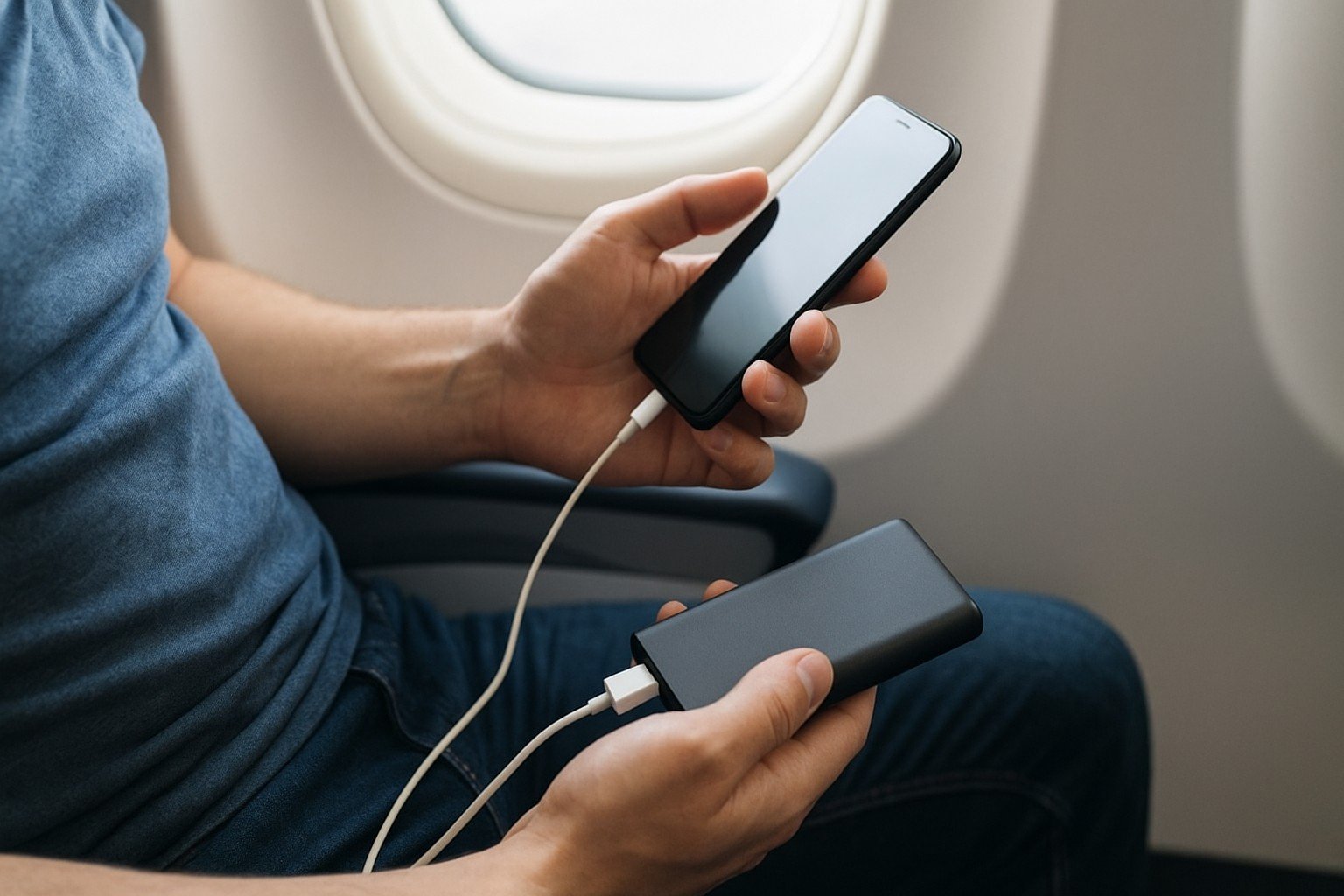
Bringing a Power Bank on Your Flight? What You Need to Know

by Travel Geek August 13, 2025
written by Travel Geek

If you’ve ever needed a quick phone charge during a flight, you know how helpful a power bank can be. But airlines have rules about these portable chargers—rules that are changing. Here’s what to know before packing one along.

General Rules (What Applies on Most Flights)

  • Carry-on only. Power banks must go in your carry-on bag, not your checked luggage. That’s a safety rule from groups like the FAA, TSA, IATA and others. 

  • Size matters (watt-hours, Wh):

    • Up to 100 Wh: generally allowed without approval.

    • 100–160 Wh: usually allowed, but you must get airline permission—often limited to one or two banks.

    • Over 160 Wh: not allowed at all.

These limits keep the cabin safe from battery fires or overheating.

Airline-Specific Rules (Now or Soon)

Here are some current or upcoming rules from major airlines and regions:

Emirates

  • From October 1, 2025, you’re allowed only one power bank under 100 Wh in your carry-on. 

  • You cannot use it onboard—that means no charging your phone or charging the power bank itself. 

  • It must be stored in your seat pocket or under your seat—not in the overhead bin.

Singapore Airlines (and Scoot)

  • Starting April 1, 2025, you can’t use power banks during flight.

Southwest Airlines (USA)

  • Since May 28, 2025, using a power bank to charge a device while it’s stowed out of sight (like in an overhead bin) is banned. You must keep it visible—on your tray table or in a seat pocket. 

Other Airlines in Asia / Global

Many Asian carriers now ban power-bank use during flight and may require them to be kept with you—not in overhead bins. These include:

  • AirAsia, EVA Air, Thai Airways, China Airlines, Air Busan, Starlux Airlines, Tigerair Taiwan, Singapore Airlines, Scoot, Cathay Pacific, Hong Kong Airlines, Greater Bay Airlines, Korean Air, Asiana, Air India, Qatar Airways, Jeju Air, T’Way Air, Air Premia, Malaysia Airlines, Batik Air, VietJet, KLM, and others. 

Australia / CASA (Civil Aviation Safety Authority)

  • Power banks are allowed only in your carry-on. Batteries over 160 Wh are banned except for medical devices. 

Why the Rules Are Getting Tighter

Some recent incidents underline the risks:

  • A KLM flight in August 2025 had to deal with smoke when a power bank caught fire mid-flight. No one was hurt—but it was a scary reminder of the risks. 

  • Airlines like Southwest and Emirates have stepped up safety policies after seeing more battery-related events.

What You Can Do Before Your Trip

  1. Find your power bank’s Wh rating (if it’s in mAh, convert it: mAh × voltage ÷ 1000).

  2. Check your airline’s current rules—they vary and evolve fast.

  3. Limit to one power bank under 100 Wh for airlines like Emirates, if using them on one of their flights.

  4. Keep your power bank visible when using it, especially on airlines like Southwest.

  5. Store it in your seat pocket or under the seat—not in overhead bins—for planes like Emirates.

  6. Be ready to follow no-use rules: some airlines don’t allow charging power banks—or using them—while the flight is in the air.

Keeping charged on a flight takes a bit of planning—but with these rules in mind, it’s easy and safe. Need a simple checklist or a compact power bank recommendation that fits current rules? I’d be happy to help.

For more travel tech tips, visit Fitcation HQ.

August 13, 2025 0 comments
0 FacebookTwitterPinterestEmail
Definitive Guide to the U.S. Visa Integrity Fee
Travel TipsVisa and Immigration

Definitive Guide to the U.S. Visa Integrity Fee

by Travel Geek August 11, 2025
written by Travel Geek

The United States is set to implement a significant change to its visa fee structure that will affect millions of prospective travelers worldwide. Effective October 1, 2025, a new, mandatory $250 Visa Integrity Fee (VIF) will be levied on the vast majority of foreign nationals applying for nonimmigrant visas to enter the country. This fee, established under the “One Big Beautiful Bill Act” (OBBBA), is separate from and in addition to all existing application fees, such as the standard Machine-Readable Visa (MRV) fee.

The two most critical features of the Visa Integrity Fee for applicants are its broad application and the highly conditional nature of its refundability. The fee applies to nearly all nonimmigrant visa categories, including tourist, business, student, and temporary worker visas, primarily impacting travelers from countries not participating in the Visa Waiver Program (VWP).4 Individuals from VWP countries who use the Electronic System for Travel Authorization (ESTA) are exempt from this new charge.

While the legislation frames the fee as “refundable,” this characteristic comes with substantial and challenging caveats. A refund is only possible after the visa has expired—which can be up to a decade after issuance—and only if the visa holder has maintained perfect compliance with all U.S. immigration laws, including departing the country on time and not engaging in unauthorized employment.2 As of this report, the U.S. government has not established a formal process for applicants to claim this refund, creating significant uncertainty.

The introduction of the VIF is not an isolated event but rather a component of a broader U.S. government strategy to increase the use of financial instruments as a tool for immigration enforcement and vetting. It joins other measures, such as a targeted Visa Bond Pilot Program, in creating a landscape where financial capacity is increasingly linked to travel eligibility.

Given the stringent conditions and the profound logistical challenges associated with the refund process, this report’s primary recommendation is that all prospective travelers and their sponsors should treat the $250 Visa Integrity Fee as a non-refundable expense for all practical budgeting and financial planning purposes.

The Visa Integrity Fee: A Comprehensive Analysis

This section provides an exhaustive breakdown of the Visa Integrity Fee, addressing its definition, legislative origins, scope, payment process, and the critical question of its refundability.

1.1. Defining the Visa Integrity Fee: A Conditional Compliance Bond

The Visa Integrity Fee is a new, mandatory $250 charge that will be applied to most nonimmigrant visa applications upon approval by a U.S. consular officer.1 While it is officially termed a “fee,” its structure and purpose more closely resemble that of a conditional compliance bond. It is designed to be held by the U.S. government as a financial guarantee that the visa holder will adhere to the terms of their admission. The fee is only eligible for a refund after the visa’s validity period has ended, contingent upon the traveler’s strict compliance with U.S. immigration regulations during all their visits.

Key characteristics of the Visa Integrity Fee include:

  • It is non-waivable: Unlike some other U.S. Citizenship and Immigration Services (USCIS) fees, the VIF cannot be waived or reduced under any circumstances, including for humanitarian reasons or financial hardship.
  • It is additive: The $250 fee is charged in addition to all other applicable visa fees, such as the standard MRV application fee, fraud prevention fees for specific work visas, and any country-specific reciprocity fees.
  • It is subject to change: The initial $250 amount is the minimum established for fiscal year 2025. The law permits the Department of Homeland Security (DHS) to increase this amount through future rulemaking. Furthermore, beginning in fiscal year 2026, the fee will be adjusted annually to account for inflation, meaning it is likely to rise over time.

The following table provides a high-level summary of the most critical facts about the Visa Integrity Fee.

Visa Integrity Fee – Key Facts at a Glance

Feature

Details

Fee Name

Visa Integrity Fee (VIF)

Amount

$250 (Minimum for FY 2025; subject to inflation adjustments from 2026)

Effective Date

October 1, 2025

Who Pays

Applicants for nearly all nonimmigrant visas (e.g., B-1/B-2, F, M, J, H, L, O)

Who is Exempt

Travelers under the Visa Waiver Program (ESTA), most Canadian citizens, and other visa-exempt individuals

When Paid

At the time of visa issuance by a U.S. embassy or consulate (after application approval)

Refundable?

Theoretically, yes, but under extremely strict conditions and after visa expiration

Legislative Basis

The “One Big Beautiful Bill Act” (OBBBA), Public Law 119-21

1.2. Legislative Origin and Stated Purpose: The “One Big Beautiful Bill Act”

The legal foundation for the Visa Integrity Fee is the “One Big Beautiful Bill Act” (OBBBA), which was signed into law on July 4, 2025. This legislation introduced a range of new fees and adjustments to existing immigration policies.

The official rationale behind the VIF is to bolster the integrity of the U.S. visa system. By imposing a financial stake, the government aims to create a powerful incentive for visa holders to comply with the terms of their admission, particularly by departing the United States before their authorized period of stay expires and by refraining from unauthorized activities, such as working illegally. According to the legislation, any funds collected from forfeited fees—that is, fees that are not successfully refunded—will be directed to the general fund of the U.S. Treasury for the purpose of deficit reduction.

Politically, the fee is positioned as a central element of an administration policy focused on enhancing national security, strengthening border controls, and addressing the issue of individuals who overstay their visas.

1.3. Who is Required to Pay? A Broad Mandate

The mandate for the Visa Integrity Fee is exceptionally broad, encompassing the majority of nonimmigrant visa categories. This means that nearly every foreign national who requires a visa to travel to the U.S. temporarily will be subject to the fee. Applicable visa categories include, but are not limited to:

  • B-1/B-2: Temporary visitors for business or pleasure, the most common type of U.S. visa.
  • F/M: Academic and vocational students.
  • J: Exchange visitors, including scholars, trainees, and au pairs.
  • H, L, O, P, Q, R: A wide range of temporary workers, including specialty occupation workers (H-1B), intracompany transferees (L-1), and individuals with extraordinary ability (O-1).
  • TN: Professional workers from Canada and Mexico under the USMCA agreement.

The geographic impact of this fee will be felt most acutely by applicants from countries that are not part of the Visa Waiver Program. This includes many of the world’s most populous nations and major sources of tourism, business travel, and student flows to the United States, such as India, China, Nigeria, Brazil, Mexico, Colombia, and the Philippines.

1.4. Who is Exempt? The Critical VWP Distinction

The most significant group of travelers exempt from the Visa Integrity Fee are citizens of the 40-plus countries participating in the Visa Waiver Program (VWP).4 These individuals are not required to apply for a visa for short-term tourism or business trips (up to 90 days). Instead, they must obtain an authorization through the Electronic System for Travel Authorization (ESTA) prior to their travel. This directly answers a key component of the user’s query: travelers from visa-exempt countries who use ESTA will

not pay the $250 Visa Integrity Fee.

Other visa-exempt individuals, most notably Canadian citizens who generally do not need a visa for temporary visits for business or pleasure, are also not subject to this fee as they are not engaging in the visa application process where the fee is levied.

1.5. Payment Process and Timing: Post-Adjudication, Pre-Issuance

The implementation timeline and payment process are crucial for applicants to understand.

  • Effective Date: The requirement to pay the Visa Integrity Fee will begin for all applicable visas issued on or after October 1, 2025. Individuals who apply for and receive their visa before this date will not be subject to the fee.
  • Payment Trigger: The fee is collected at a specific point in the visa process: after a consular officer has interviewed the applicant and adjudicated the application as approvable, but before the physical visa foil is printed and placed in the applicant’s passport. This means the fee is tied to visa issuance, not the initial application.
  • Agency Coordination: The administration of the fee will be a joint effort between the Department of State, which operates U.S. embassies and consulates abroad, and the Department of Homeland Security. However, as of the latest available information, the specific operational details and collection mechanisms have not yet been published in a formal Federal Register notice, indicating that the precise procedures are still under development.

1.6. The Critical Question of Refundability: A Deep Dive

The “refundable” nature of the Visa Integrity Fee is its most complex and contentious feature. While legally possible, the path to a successful refund is fraught with stringent conditions and logistical uncertainties.

1.6.1. Official Conditions for a Successful Refund

The OBBBA legislation outlines a strict set of criteria that a visa holder must meet to become eligible for a refund. An individual must have:

  1. Used the Visa for Entry: The traveler must have been admitted to the United States at least once using the visa associated with the fee.
  2. Maintained Full Compliance: The traveler must have fully complied with all terms and conditions of their nonimmigrant status during their time in the U.S. This includes, most notably, not engaging in any form of unauthorized employment.
  3. Departed in a Timely Manner: The traveler must have departed the United States within five days of the expiration date listed on their Form I-94 Arrival/Departure Record for every visit made on the visa.
  4. Avoided or Successfully Obtained Status Changes: The traveler must not have applied for an extension of stay or must have successfully and in a timely manner been granted an extension of their nonimmigrant status or adjusted their status to that of a lawful permanent resident (green card holder).
  5. Waited for Visa Expiration: The refund can only be processed after the visa itself has expired.2 Since many nonimmigrant visas (such as B-1/B-2 tourist visas) are issued with a validity of five or ten years, this means an applicant may have to wait up to a decade before they can even begin the process of claiming their refund.

1.6.2. The Refund Process: Acknowledged Uncertainties and Practical Realities

The conditions for a refund are demanding, but the practical process for obtaining it introduces even greater challenges. The “refundable” aspect of the fee appears to be more of a policy framework than a practical benefit for the average traveler.

First, the law establishes a set of stringent and punitive conditions. For instance, the rule penalizing those who apply for an extension of stay—a perfectly legal action—creates a disincentive for travelers to follow established immigration procedures if they need to prolong their visit for legitimate reasons.

Second, the requirement that a traveler must wait until their visa expires creates a massive time lag. For a visa with a ten-year validity, an individual would need to maintain records of their compliance and personal information (address, bank accounts) for over a decade to have a chance at reclaiming the $250. Over such a long period, personal circumstances, contact details, and banking information are highly likely to change, making the logistical task of processing a refund immensely complicated for both the applicant and the government.

Third, and most critically, the U.S. government has not yet established or published a formal process for how these refunds will be administered. There is no defined application form, no designated agency office, and no stated timeline for processing these claims. This lack of a clear mechanism suggests that the system is not designed for efficient and widespread reimbursement.

The combination of these factors—the punitive conditions, the extreme time delay, and the absence of a defined process—leads to a clear conclusion. The primary functions of the Visa Integrity Fee are likely twofold: to modify behavior by creating a strong financial deterrent against any deviation from initial visa terms, and to generate revenue for the U.S. Treasury through a high rate of forfeiture. This forfeiture will occur not only through non-compliance but also through the sheer administrative difficulty and impracticality of claiming a refund years after the fact. Therefore, for all practical purposes, applicants should view this fee as a non-refundable cost.

1.7. Refundability for Unsuccessful Visa Applications

A crucial point of clarification for all applicants is the fee’s relationship to the outcome of the visa application itself. The Visa Integrity Fee is explicitly tied to visa issuance, not the application process.

Therefore, if a visa application is reviewed by a consular officer and subsequently denied, the applicant will not be required to pay the $250 Visa Integrity Fee. The fee is only collected after an application is deemed successful. However, it is important to remember that the standard MRV application fee (e.g., $185 for a tourist visa) is paid upfront to secure an interview and is always non-refundable, regardless of the application’s outcome.

Navigating the Complex Landscape of U.S. Immigration Fees

The term “integrity fee” can be a source of confusion, as the U.S. immigration system contains several fees with similar-sounding names or purposes. It is vital for applicants to distinguish the new Visa Integrity Fee from other charges to avoid costly errors.

2.1. The Visa Integrity Fee vs. The Standard MRV Application Fee

  • Machine-Readable Visa (MRV) Fee: This is the foundational, non-refundable fee required to initiate a visa application. For most non-petition-based visas like the B-1/B-2 tourist visa, this fee is currently $185. It must be paid

before an applicant can schedule their interview. It covers the cost of processing the application.

  • Visa Integrity Fee (VIF): This is a separate, $250 fee paid after the application is approved but before the visa is issued. Its purpose is to ensure compliance, not to cover initial processing costs.

2.2. The Visa Integrity Fee vs. The Fraud Prevention and Detection Fee

  • Fraud Prevention and Detection Fee: This is a specific, non-refundable $500 fee that must be paid by the U.S. employer (the petitioner) for certain work-based petitions, namely new H-1B and L-1 visas, as well as for petitions to change employers in these categories. Its purpose is to fund government efforts to combat visa fraud within these specific employment programs. Official guidance explicitly states this fee is

not refundable, even if paid by mistake.

  • Visa Integrity Fee (VIF): This fee is paid by the individual visa applicant (not the employer), applies to nearly all nonimmigrant visa types, and is theoretically refundable under strict conditions.

2.3. The Visa Integrity Fee vs. The EB-5 Integrity Fund Fee

  • EB-5 Integrity Fund Fee: This is a substantial annual fee ($10,000 or $20,000) paid by EB-5 Regional Centers, which are organizations that pool capital from foreign investors for development projects. It is not paid by individual investors or other visa applicants. The fee’s purpose is to fund USCIS’s oversight and auditing of the EB-5 Immigrant Investor Program to ensure its integrity.
  • Visa Integrity Fee (VIF): This is a much smaller, individual fee for temporary, nonimmigrant travelers and has no connection to the EB-5 investment program.

2.4. The Visa Integrity Fee vs. The Visa Bond Pilot Program

The introduction of the VIF coincides with another, separate policy that also uses a financial instrument to ensure compliance: the Visa Bond Pilot Program. Distinguishing between them is critical.

  • Visa Bond Pilot Program: This is a temporary, one-year pilot program that requires a very high-value, refundable bond—$5,000, $10,000, or $15,000—from a small, targeted group of applicants. It applies

only to B-1/B-2 (business/tourist) visa applicants from a select list of countries identified as having high visa overstay rates.

  • Visa Integrity Fee (VIF): This is a much lower ($250), permanent, and near-universal fee that applies to almost all nonimmigrant visa applicants from all non-VWP countries.

The concurrent implementation of these two policies is not a coincidence. It reveals a deliberate, multi-pronged policy shift towards what can be termed “financial vetting.” The U.S. government is increasingly using an applicant’s ability to furnish significant, conditionally refundable sums of money as a proxy indicator of their intent to comply with immigration laws. The VIF acts as a broad-based, lower-level financial hurdle for the general population of visa applicants. The Visa Bond Pilot Program serves as a targeted, high-level financial hurdle for a specific group deemed to be at higher risk of overstaying. Together, they create a tiered system of financial requirements that fundamentally alters the landscape of U.S. travel access, with significant implications for equity, particularly for travelers from lower-income nations.

The following table provides a clear comparison of these distinct fees to prevent confusion.

Comparison of Key U.S. Visa-Related Integrity and Compliance Fees

Fee Name

Amount

Who Pays

Applicable Visas

Refundable?

Visa Integrity Fee

$250

Individual Applicant

Nearly all nonimmigrant visas

Yes, in theory, under strict conditions after visa expiration

Visa Bond Pilot Program

$5,000, $10,000, or $15,000

Individual Applicant

B-1/B-2 visas from select countries only

Yes, upon timely departure

Fraud Prevention and Detection Fee

$500

U.S. Employer/Petitioner

H-1B and L-1 petitions

No, explicitly non-refundable

EB-5 Integrity Fund Fee

$10,000 or $20,000 (annual)

EB-5 Regional Center

N/A (Applies to organizations)

No, it is an annual operational fee

Section 3: The Visa Waiver Program (VWP) and ESTA: A Separate Pathway

A central part of the user’s query concerns travelers from visa-exempt countries. This section provides a definitive explanation of the separate system that governs their travel and confirms their exemption from the Visa Integrity Fee.

3.1. Understanding the VWP and ESTA Framework

The Visa Waiver Program (VWP) allows eligible citizens of approximately 40 participating countries to travel to the United States for tourism or business for stays of up to 90 days without first obtaining a visa. Instead of a visa, VWP travelers must have a valid authorization from the Electronic System for Travel Authorization (ESTA) before boarding a carrier to the U.S.. ESTA is an automated system that performs a preliminary security screening to determine a traveler’s eligibility to use the VWP. An approved ESTA is generally valid for two years and allows for multiple entries into the U.S..

3.2. The ESTA Fee: Cost, Breakdown, and Refund Policy

Travelers using the VWP do not apply for a visa, but they are required to pay a fee for their ESTA application. This fee is entirely separate from the visa fee system.

  • Total Cost: The current total fee for an ESTA application is $21.
  • Fee Breakdown: This $21 fee is composed of two distinct parts, which determines its refundability:
    1. A $4.00 Processing Charge: This is an administrative fee charged to every applicant for the processing of their application. This portion is non-refundable.
    2. A $17.00 Authorization Charge: This fee is only charged if the ESTA application is approved. The funds from this portion are used for travel promotion purposes.
  • Refund Policy: The refund policy is built into the fee structure. If an ESTA application is denied, the applicant is only charged the $4.00 processing fee. The $17.00 authorization charge is never collected. This effectively functions as a partial refund, as the applicant does not pay the full cost for an unsuccessful application.

3.3. Final Confirmation: VWP Travelers Are Not Subject to the Visa Integrity Fee

This report can state with certainty that individuals who are eligible for and travel under the Visa Waiver Program are not subject to the $250 Visa Integrity Fee. The VIF is exclusively a component of the visa application process conducted at U.S. embassies and consulates. Since VWP travelers do not apply for a visa, the fee does not apply to them.

The implementation of the VIF, however, dramatically sharpens the existing divide in the cost of travel to the U.S., creating a much starker two-tier system of financial burden. A comparison of the costs illustrates this point clearly. A traveler from a VWP country, such as Japan or Germany, pays a maximum of $21 for a two-year travel authorization. In contrast, a traveler from a non-VWP country, such as Brazil or India, will now face a total upfront cost of at least $435 for a tourist visa ($185 MRV fee plus the $250 VIF).

This disparity, where the cost for a non-VWP traveler is over 20 times higher than for a VWP traveler, is not trivial. VWP countries are predominantly wealthy, developed nations, while the list of non-VWP countries includes the vast majority of developing nations in Latin America, Africa, and Asia.5 The Visa Integrity Fee, therefore, structurally reinforces global mobility inequalities. It significantly raises the financial barrier to entry for tourism, family visits, education, and business opportunities for individuals from a large portion of the world, potentially impacting diplomatic and economic relationships.

Final Confirmation: VWP Travelers Are Not Subject to the Visa Integrity Fee

This report can state with certainty that individuals who are eligible for and travel under the Visa Waiver Program are not subject to the $250 Visa Integrity Fee. The VIF is exclusively a component of the visa application process conducted at U.S. embassies and consulates. Since VWP travelers do not apply for a visa, the fee does not apply to them.

The implementation of the VIF, however, dramatically sharpens the existing divide in the cost of travel to the U.S., creating a much starker two-tier system of financial burden. A comparison of the costs illustrates this point clearly. A traveler from a VWP country, such as Japan or Germany, pays a maximum of $21 for a two-year travel authorization. In contrast, a traveler from a non-VWP country, such as Brazil or India, will now face a total upfront cost of at least $435 for a tourist visa ($185 MRV fee plus the $250 VIF).

This disparity, where the cost for a non-VWP traveler is over 20 times higher than for a VWP traveler, is not trivial. VWP countries are predominantly wealthy, developed nations, while the list of non-VWP countries includes the vast majority of developing nations in Latin America, Africa, and Asia. The Visa Integrity Fee, therefore, structurally reinforces global mobility inequalities. It significantly raises the financial barrier to entry for tourism, family visits, education, and business opportunities for individuals from a large portion of the world, potentially impacting diplomatic and economic relationships.

Practical Implications and Strategic Recommendations

This section translates the detailed analysis of the Visa Integrity Fee into actionable advice for prospective travelers and their sponsors.

4.1. Budgeting for a U.S. Visa Application After October 1, 2025

For individuals and families planning to apply for a U.S. visa after the VIF takes effect, it is essential to budget for the full range of costs. The following table provides a sample cost breakdown for a single B-1/B-2 tourist/business visa application.

Table 3: Sample Visa Application Cost Breakdown (Tourist Visa, Post-Oct 2025)

Fee Component

Amount (USD)

Notes

MRV Application Fee

$185

Non-refundable. Paid upfront to schedule the visa interview.

Visa Integrity Fee

$250

Paid only if the visa application is approved. Treat as non-refundable for budgeting.

Total Upfront Cost

$435

This is the minimum total cost for a single applicant.

Potential Reciprocity Fees

Varies by country

This is an additional visa issuance fee charged to citizens of certain countries to match the fees their governments charge U.S. citizens. Check the Department of State website for applicability.

For a family of four, the total cost for visa applications would be at least $1,740 ($435 x 4), with $1,000 of that total being the Visa Integrity Fees alone.

4.2. The “Refund” Dilemma: A Practical Assessment and Recommendation

Given the analysis in Section 1.6, the most prudent financial strategy for all applicants is to treat the $250 Visa Integrity Fee as a non-refundable cost.

While the law contains provisions for a refund, the combination of extremely strict compliance requirements, the necessity of waiting up to a decade for visa expiration, and the current absence of any formal claims process makes the likelihood of a successful refund low and the process itself highly burdensome.4 Relying on the potential return of these funds years in the future is not a sound basis for personal or business financial planning. Applicants should consider the $250 a sunk cost required to obtain the visa.

4.3. A Traveler’s Checklist for Maintaining Compliance

Despite the recommendation to treat the fee as a sunk cost, some travelers may wish to take steps to preserve their theoretical eligibility for a future refund. To do so, maintaining meticulous records and adhering strictly to immigration rules is paramount.

  • Record Everything: Keep digital and physical copies of all travel documents, including flight itineraries, boarding passes, and passport pages with entry and exit stamps for every trip to the U.S. These documents will be essential to prove timely departure.
  • No Unauthorized Work: Never engage in any form of employment or service that is not explicitly authorized by the terms of your visa.
  • Monitor Your I-94: The Form I-94 Arrival/Departure Record, which is now electronic for most travelers, dictates your authorized period of stay. Be hyper-aware of this date and plan your departure several days in advance to account for any potential travel disruptions.
  • Understand the Impact of Status Changes: If you are considering applying for an extension of stay or a change to another visa status while in the U.S., be aware that this action may complicate or entirely void your eligibility for a VIF refund, as per the legislative text.
  • Maintain Long-Term Contact Information: If you hope to receive a refund in 5-10 years, you must maintain a stable, long-term email address and potentially a U.S.-based bank account that the government could use for future correspondence and fund transfers.

4.4. Strategic Timing: The Case for Applying Before the Deadline

Multiple sources and analyses point to a clear strategic consideration for those planning U.S. travel: apply for a visa before the October 1, 2025, effective date.1 By securing a visa before this deadline, applicants can avoid the $250 fee entirely.

However, this “window of opportunity” comes with a significant caution. It is highly probable that as the deadline approaches, U.S. embassies and consulates worldwide will experience a surge in visa applications. This increased demand will likely lead to much longer wait times for interview appointments and potentially slower processing times overall. Therefore, prospective applicants wishing to take advantage of this strategy should begin the application process as early as possible to secure an appointment well before the end of September 2025.

The introduction of the $250 Visa Integrity Fee represents a fundamental and costly shift in the U.S. nonimmigrant visa process. It is not merely an incremental administrative adjustment but a new pillar of immigration policy designed to use financial leverage to encourage compliance with U.S. law.

This report’s analysis yields several key conclusions for prospective travelers. First, the fee is a significant new financial burden that will apply to the vast majority of visa applicants from non-VWP countries, including tourists, students, and temporary workers. Second, it is crucial to distinguish this fee from other charges, particularly the ESTA fee paid by VWP travelers, who are entirely exempt from the VIF. This distinction creates a starkly two-tiered system of access, dramatically increasing the cost of travel for individuals from developing nations compared to those from wealthier, visa-exempt countries.

Finally, and most importantly for practical planning, is the matter of the fee’s refundability. While the governing legislation describes a path to a refund, the conditions are so stringent, the timeline so prolonged, and the process so undefined that the fee’s “refundable” nature is more theoretical than practical. The immense logistical barriers to claiming a refund years after a visa’s expiration strongly suggest that the fee should be treated as a permanent, non-refundable cost for all budgeting purposes.

For millions around the globe, the path to visiting the United States for family, education, or commerce will become more expensive and complex. All prospective travelers are urged to plan for these changes by budgeting for the additional cost, starting the application process well in advance of the October 1, 2025 deadline if they wish to avoid the fee, and, once in the United States, maintaining strict and demonstrable compliance with all terms of their admission.

August 11, 2025 0 comments
0 FacebookTwitterPinterestEmail
AirHelp vs. Compensair: Your Guide to Getting Paid
TransportationTravel Tips

AirHelp vs. Compensair: Your Guide to Getting Paid

by Travel Geek July 7, 2025
written by Travel Geek

We’ve all been there: you’re excited for your trip, you get to the airport, and then…bam! Your flight is delayed, cancelled, or you’re unexpectedly denied boarding. It’s frustrating, but here’s the good news: you might be owed compensation!

Dealing with airlines can be a headache, right? That’s where flight compensation companies like AirHelp and Compensair come in. They handle all the messy bits for you, from paperwork to legal battles, and only charge a fee if they win. But which one is right for you? Let’s break it down.

What Do These Companies Actually Do?

Both AirHelp and Compensair are your go-to helpers for getting money back when your flight plans go sideways. They step in when you’ve experienced:

  • Long Delays: Usually, if your flight arrives 3 hours or more behind schedule.

  • Cancellations: Especially if the airline told you less than 14 days before your flight.

  • Denied Boarding: That annoying situation when a flight is overbooked.

  • Missed Connections: If you miss a connecting flight due to an earlier delay and arrive at your final destination 3+ hours late, and all flights were on one booking.

They work on a “no win, no fee” basis, meaning you only pay them if they successfully get you compensation.

Who Qualifies for Compensation?

The rules around flight compensation can be tricky, but generally, your flight needs to fall under specific regulations. The big one is EU261, which covers flights:

  • Departing from an EU country.

  • Arriving in an EU country on an EU-based airline.

It’s important to know that compensation usually isn’t paid if the disruption was due to “extraordinary circumstances” – think crazy weather, air traffic control strikes, or security issues. You also need to have had a confirmed ticket and arrived at the airport on time for check-in.

Compensair goes a step further, also helping passengers under Turkish Air Passenger Rights and Canadian Air Passenger Protection Regulations. This gives them a bit more reach if your travels take you to or from these regions.

How Much Do They Charge? (The Nitty-Gritty on Fees)

This is a big one for many travelers! Both companies take a cut of your compensation if they win.

  • AirHelp: They typically charge a 35% commission (including VAT). If your case ends up needing a lawyer and going to court, an extra 15% legal fee applies, making the total 50%. AirHelp also offers “AirHelp+” subscription plans. These can give you upfront payouts for certain disruptions (like €100 for a 3+ hour delay) and sometimes mean you pay no percentage fee on claims up to €600, depending on the plan.

  • Compensair: Their standard commission is 30%. If your case needs external legal help, they add an extra 10% legal fee. So, their maximum fee is 40%.

Takeaway: Compensair’s fees are generally lower if legal action becomes necessary. However, AirHelp’s subscription service could be appealing if you’re a frequent flyer and want quick, guaranteed payouts for minor disruptions.

How Do You File a Claim? (The Process)

Both companies make the process pretty straightforward.

  • AirHelp: You start by filling out an online form to see if you’re eligible. If you are, you’ll upload documents like your boarding pass, booking confirmation, and any receipts for expenses (like extra meals or hotel stays due to the delay). AirHelp then takes over, dealing with the airline and even going to court if needed.

  • Compensair: Similar to AirHelp, you submit an online application with your flight details. They then check your eligibility, prepare all the necessary documents, and handle all the back-and-forth with the airline. You’ll need to provide similar documents: flight details, boarding pass, proof of delay, receipts, and any communication you had with the airline.

Overall: Both services aim to make the process hassle-free for you, taking the burden of negotiation off your shoulders.

Beyond Compensation: Any Extra Perks?

  • AirHelp: They offer “AirHelp+” plans with cool perks like fast insurance payouts for delays, cancellations, and even lost luggage. Some plans might give you lounge access during long delays and offer travel discounts. They also provide 24/7 customer support.

  • Compensair: Their main focus is purely on getting your compensation. While they highlight their smart software for quick eligibility checks and their expert legal team, they don’t seem to offer extra travel-related benefits like lounge access or fixed payouts for minor issues.

Verdict: If you’re looking for extra travel-related benefits and insurance-like payouts, AirHelp might have more to offer through its subscription plans. If you just want a reliable service to handle your compensation claim, Compensair sticks to its core business.

What Are Travelers Saying? (Customer Reviews)

It’s always good to hear from other travelers, right?

  • AirHelp: They have a really strong presence with over 185,000 reviews on Trustpilot, averaging a great 4.6 out of 5 stars. People often praise them for being effective and easy to use. However, some common complaints include long waiting times (sometimes over a year) and the higher fees when legal action is involved.

  • Compensair: Their website claims a 4.7 out of 5 rating. Other review sites also show positive feedback, with users liking their efficiency. Some users have mentioned issues with communication, like certain input fields on their website not being fully considered. A few online discussions also hinted at concerns about their data handling, but these weren’t widespread.

Bottom Line on Reviews: Both companies generally get positive marks for successfully getting compensation. AirHelp, with its massive review volume, shows broad satisfaction. The main difference in complaints often revolves around processing times and fees.

The Big Question: AirHelp or Compensair?

Choosing between AirHelp and Compensair depends on what’s most important to you:

Feature

AirHelp

Compensair

Standard Fee

35% (up to 50% with legal action)

30% (up to 40% with legal action)

Extra Services

AirHelp+ subscriptions (fixed payouts, lounge access, travel discounts)

Focus on core compensation, strong legal expertise

Coverage

Primarily EU261 (some global/US DOT for AirHelp+)

EU261, Turkish, Canadian regulations

Reviews

Very high volume of positive reviews (Trustpilot), but some long wait complaints

Generally positive, some communication issues mentioned

Choose AirHelp if:
  • You’re a frequent traveler and interested in the extra benefits of their “AirHelp+” subscription.

  • You value a company with a massive track record and a huge volume of positive reviews.

Choose Compensair if:

  • You want slightly lower potential fees if your case goes to court.

  • Your flight disruption falls under Turkish or Canadian regulations.

  • You prefer a company that focuses solely on compensation claims without extra perks.

Ultimately, both companies are good options for travelers seeking compensation. Before you choose, always make sure to check your eligibility on their websites. Happy travels, and here’s to smoother skies (and getting paid when they’re not!).

July 7, 2025 0 comments
0 FacebookTwitterPinterestEmail
Your Essential Guide to Staying Cool on Hot Weather Adventures
Health and WellnessTravel Tips

Your Essential Guide to Staying Cool on Hot Weather Adventures

by Travel Geek July 2, 2025
written by Travel Geek

Dreaming of ancient ruins, bustling markets, or stunning beaches? Hot destinations offer incredible experiences, but intense summer heat can quickly turn your dream trip into a sweaty nightmare. Don’t let a heatwave ruin your vacation! As a travel blogger who’s navigated sizzling cities and sun-drenched landscapes, I’m here to share the ultimate guide to staying cool, safe, and happy when traveling during a heatwave.

This isn’t about giving up on your adventures. It’s about smart planning and savvy moves to ensure you still have an amazing time, even when the mercury rises.

Why Tourists Feel the Heat More (and What to Do About It)

You might wonder why the heat feels extra intense when you’re traveling. It’s not just you! Tourists often face unique challenges:

  • No Time to Adjust: Locals are used to the heat, but your body needs time – sometimes a week or two – to get used to extreme temperatures. You don’t have that luxury on a typical vacation.

  • Vacation Mode Hydration: It’s easy to forget to drink enough water when you’re busy sightseeing, and a few extra alcoholic drinks (hello, beach cocktails!) can make dehydration worse.

  • Active Plans: Most tourist itineraries involve lots of walking, exploring, and outdoor activities, which are much harder in the heat.

  • Unfamiliar Surroundings: You don’t know where the nearest cool spot is, or how to easily find help if you’re not feeling well.

  • Public Transport Pains: Hot, crowded trains or buses can make you feel much worse.

Understanding these challenges is the first step to beating the heat!

Pack Smart, Stay Cool: Your Heatwave Packing List

What you bring can make a big difference. Think light, loose, and protective.

  • Reusable Water Bottle: This is your number one essential. Fill it up whenever you can.

  • Electrolyte Packs: Add these to your water to replace essential salts you lose through sweat.

  • Cooling Towel: Wet it, wring it, and drape it around your neck for instant relief.

  • Personal Fan or Mist Spray Bottle: A small, battery-operated fan or a spray bottle you can fill with water can be a lifesaver.

  • Sunscreen (SPF 30+): Reapply often, especially after sweating.

  • Sunglasses: Protect your eyes from harsh glare.

  • Wide-Brim Hat: A hat that shades your face, neck, and ears is better than a baseball cap.

  • Lightweight, Loose Clothing: Opt for natural fabrics like cotton or linen. Light colors reflect sun better than dark ones. Consider long sleeves and pants for maximum sun protection without feeling too hot.

  • Salty Snacks: Pretzels or crackers can help replenish salts lost through sweat.

Your Daily Playbook: Smart Strategies for Hot Days

How you plan your days is key to staying comfortable.

  • Early Bird, Late Night Explorer: Do your outdoor sightseeing and most active excursions during the coolest parts of the day – typically early morning or late evening.

  • Midday Chill: When the sun is strongest (usually 10 AM to 4 PM), seek out indoor attractions. Think museums, galleries, air-conditioned shops, or a long, leisurely lunch in a cool restaurant.

  • Hydrate, Hydrate, Hydrate: Drink water constantly, even if you don’t feel thirsty. If your urine is dark, you need more fluids. Avoid sugary drinks, sodas, and especially alcohol and caffeine, as these can dehydrate you.

  • Find Your Cool Zones: Schedule regular breaks in air-conditioned places. Duck into cafes, shopping malls, libraries, or even just shaded parks.

  • Wet Your Pulse Points: Dab cool water on your wrists, neck, and temples to help cool your body down.

  • Eat Light: Heavy, hot meals can make you feel sluggish. Stick to lighter fare like salads, fruits, and cold dishes.

Know the Signs: Heat-Related Illnesses

It’s vital to recognize the warning signs of heat stress. Don’t ignore them!

Heat Cramps:

  • Signs: Muscle pains or spasms, often in your stomach, arms, or legs.

  • What to Do: Get to a cooler place, gently stretch the cramped muscle, and drink water or a sports drink.

Heat Exhaustion: This is more serious.

  • Signs: Heavy sweating, cold/clammy skin, fast weak pulse, nausea or vomiting, muscle cramps, tiredness, dizziness, headache, fainting.

  • What to Do: Get to a cooler place (ideally air-conditioned), loosen clothing, sip water, apply cool wet cloths to your body. If you are vomiting, symptoms get worse, or last more than an hour, seek medical help right away.

Heatstroke: This is an emergency! Call for medical help immediately.

  • Signs: High body temperature (103°F or higher), hot red dry or damp skin, fast strong pulse, headache, dizziness, nausea, confusion, slurred speech, unconsciousness.

  • What to Do While Waiting for Help: Move the person to a cooler place, try to cool them down with cool cloths or a bath. Do NOT give them anything to drink.

Finding Help: Resources for Tourists

When you’re in an unfamiliar place, knowing where to turn is essential.

  • Emergency Numbers: Before you travel, look up the emergency number (like 911 or 112) for your destination country. Write it down or save it in your phone.

  • Your Embassy/Consulate: If you’re a US citizen, find the website for the US embassy or consulate in the country you’re visiting. They often have lists of local doctors and hospitals. Other nationalities should do the same for their own embassies.

  • Hotel Staff: Your hotel’s front desk or concierge can often provide local emergency numbers, recommend doctors, or direct you to cooling centers.

  • Tourist Information Centers: These official centers are a great resource for local information, including where to find cool spots.

  • Local Search: Use Google Maps or similar apps to find nearby hospitals, pharmacies, or medical clinics.

  • Cooling Centers: In many cities experiencing heatwaves, local governments open public “cooling centers” (like libraries or community centers) with air conditioning. Check local government websites, news, or ask around upon arrival.

Travel Tips: Accommodation & Getting Around

Make smart choices about where you stay and how you move.

  • Accommodation with Reliable AC: When booking, make sure your accommodation has good, reliable air conditioning. Read reviews carefully. It’s worth paying a bit more for comfort during a heatwave. Some travelers even look for places with backup power, if possible.

  • Flexible Bookings: If you can, choose accommodations or activities with flexible cancellation policies in case the heat becomes unbearable.

  • Navigating Public Transport:

    • Time it Right: Use apps to time your arrival at bus stops or train stations to minimize waiting in direct sun.

    • Bring Your Own Shade: A compact umbrella or a wide-brim hat can provide personal shade while waiting.

    • Stay Hydrated: Always have water with you.

    • Cooling Tools: Use your portable fan or cooling towel on public transport.

    • Dress Smart: Wear light-colored, loose clothing made from breathable fabrics.

    • Cool Your Pulse Points: Dab water on your wrists or neck to feel cooler.

  • Consider Taxis/Ride-Shares: On particularly hot days, an air-conditioned taxi or ride-share might be a better (and safer) option than walking or public transport, especially for longer distances.

Extra Care for Special Travelers

Some groups need a bit more attention during heatwaves.

  • Families with Babies and Young Children:

    • Stay Out of Direct Sun: Babies under 12 months should be kept out of direct sunlight.

    • Dress Lightly: One layer of light, loose clothing is usually enough for babies.

    • Extra Hydration: Offer breast milk, formula, or sips of water (for babies 6+ months) more often. Avoid sugary drinks.

    • Stroller Smarts: Use open-aired strollers with mesh for good airflow. Never cover a stroller or car seat with a blanket or towel – it traps heat and can be very dangerous. Use clip-on fans or stroller umbrellas for shade.

    • Car Travel: Use window sunshades in the car. Dress babies in one layer. Plan for extra hydration breaks on long drives.

    • Cool Sleeping: Ensure their sleeping space is the coolest room in your accommodation.

  • Older Adults and Those with Chronic Health Conditions:

    • Doctor’s Visit: Talk to your doctor before your trip about traveling in hot weather, especially if you have heart disease, diabetes, or other chronic conditions. Discuss how heat might affect your medications. Some medications can make you more sensitive to heat or dehydration.

    • Stay Hydrated: Drink plenty of water, but if you have fluid restrictions due to a medical condition, follow your doctor’s advice.

    • Medication Storage: Keep medications stored correctly. If they need refrigeration, use a small cool-box. Don’t leave them in a hot car.

    • Listen to Your Body: Don’t push yourself. Take frequent breaks, rest when tired, and avoid strenuous activity during peak heat.

    • Medical ID: Consider wearing a medical ID bracelet or necklace if you have a condition that might need quick attention.

Traveling during a heatwave requires extra care, but it doesn’t mean you have to stay home. By following these tips, packing smart, and being aware of your body’s signals, you can still enjoy an incredible, memorable, and safe adventure! Stay cool, fellow travelers!

July 2, 2025 0 comments
0 FacebookTwitterPinterestEmail
Newer Posts
Older Posts

Follow Us

Facebook Twitter Instagram Pinterest Youtube Tiktok

Recent Posts

  • Asia Fuel Crisis 2026: Should You Cancel Your Travel Plans?

    March 31, 2026
  • Guide to Crossing the Thailand-Laos Border via Friendship Bridge IV

    March 28, 2026
  • How to See the Best of Nizwa, Oman in One Day

    March 27, 2026
  • Is Cancel For Any Reason (CFAR) Travel Insurance Worth It?

    March 26, 2026
  • What to Pack: 7 Travel Items That Actually Matter in 2026

    March 25, 2026

Categories

  • Destinations (77)
    • Africa (7)
      • Egypt (2)
      • Kenya (2)
      • Morocco (3)
      • Namibia (1)
      • Rwanda (1)
      • South Africa (2)
      • Tanzania (1)
      • Zambia (1)
    • Asia (66)
      • Bhutan (1)
      • Cambodia (1)
      • China (2)
      • Indonesia (7)
      • Laos (1)
      • Malaysia (2)
      • Maldives (1)
      • Nepal (2)
      • Thailand (58)
      • Turkmenistan (1)
      • Vietnam (3)
    • Europe (12)
      • Bulgaria (1)
      • Croatia (1)
      • Georgia (3)
      • Greece (2)
      • Iceland (1)
      • Ireland (1)
      • Italy (1)
      • Montenegro (1)
      • Norway (1)
      • Portugal (2)
      • Scotland (1)
      • Spain (1)
      • Switzerland (1)
      • Turkey (5)
    • Middle East (5)
      • Jordan (1)
      • Oman (1)
      • UAE (2)
    • North America (5)
      • Canada (1)
      • Mexico (1)
      • USA (4)
    • Oceania (3)
      • Australia (1)
      • New Zealand (2)
    • South America (7)
      • Argentina (1)
      • Bolivia (2)
      • Chile (4)
      • Costa Rica (3)
      • Dominica (1)
      • Ecuador (1)
      • Peru (2)
  • Travel Gear (64)
    • Clothing (15)
    • Luggage (10)
    • Photography Gear (7)
    • Security Gear (8)
    • Travel Accessories (21)
    • Travel Electronics (10)
  • Travel Tips (217)
    • Budget Travel (42)
    • Family Travel (35)
    • Food and Dining (16)
    • Health and Wellness (48)
    • Luxury Travel (24)
    • Packing (12)
    • Safety (19)
    • Solo Travel (33)
    • Sustainable Travel (12)
    • Transportation (45)
    • Travel Insurance (14)
    • Visa and Immigration (13)

Subscribe to our newsletter and be the first to know about our latest and greatest news, exclusive offers, and funny cat videos (yes, we promise to include those too)..

We don’t spam! Read our privacy policy for more info.

You’ve been successfully subscribed to our newsletter!

  • About Us
  • Destinations
  • Travel Tips
  • Travel Gear
  • Contact Us
  • Terms and Conditions
  • Privacy policy
  • Refund and Cancelation Policy

© Copyright 2026 FitcationHQ

FitcationHQ
FitcationHQ
  • Home
  • Travel Planning
  • Destinations
    • Africa
      • Egypt
      • Kenya
      • Morocco
      • Mozambique
      • Namibia
      • Rwanda
      • South Africa
      • Tanzania
    • Asia
      • Bhutan
      • Cambodia
      • China
      • Indonesia
      • Laos
      • Malaysia
      • Maldives
      • Nepal
      • Thailand
      • Turkmenistan
    • Europe
      • Bulgaria
      • Croatia
      • Georgia
      • Greece
      • Iceland
      • Ireland
      • Italy
      • Montenegro
      • Norway
      • Portugal
      • Scotland
      • Turkey
    • Middle East
      • Jordan
      • UAE
    • North America
      • Canada
      • USA
    • Oceania
      • New Zealand
    • South America
      • Argentina
      • Bolivia
      • Chile
      • Costa Rica
      • Ecuador
      • Peru
  • Travel Tips
    • Budget Travel
    • Family Travel
    • Food and Dining
    • Health and Wellness
    • Luxury Travel
    • Packing
    • Safety
    • Solo Travel
    • Transportation
    • Travel Insurance
    • Sustainable Travel
    • Visa and Immigration
  • Travel Gear
    • Luggage
    • Clothing
    • Photography Gear
    • Security Gear
    • Travel Accessories
    • Travel Electronics

Shopping Cart

Close

No products in the cart.

Close