FitcationHQ
  • Home
  • Travel Planning
  • Destinations
    • Africa
      • Egypt
      • Kenya
      • Morocco
      • Mozambique
      • Namibia
      • Rwanda
      • South Africa
      • Tanzania
    • Asia
      • Bhutan
      • Cambodia
      • China
      • Indonesia
      • Laos
      • Malaysia
      • Maldives
      • Nepal
      • Thailand
      • Turkmenistan
    • Europe
      • Bulgaria
      • Croatia
      • Georgia
      • Greece
      • Iceland
      • Ireland
      • Italy
      • Montenegro
      • Norway
      • Portugal
      • Scotland
      • Turkey
    • Middle East
      • Jordan
      • UAE
    • North America
      • Canada
      • USA
    • Oceania
      • New Zealand
    • South America
      • Argentina
      • Bolivia
      • Chile
      • Costa Rica
      • Ecuador
      • Peru
  • Travel Tips
    • Budget Travel
    • Family Travel
    • Food and Dining
    • Health and Wellness
    • Luxury Travel
    • Packing
    • Safety
    • Solo Travel
    • Transportation
    • Travel Insurance
    • Sustainable Travel
    • Visa and Immigration
  • Travel Gear
    • Luggage
    • Clothing
    • Photography Gear
    • Security Gear
    • Travel Accessories
    • Travel Electronics
FitcationHQ
Budget TravelTravel Tips

How to Find Cheap Flights in 2025: The Ultimate Guide

by Travel Geek June 6, 2023
written by Travel Geek

Finding a cheap flight can make your travel dreams come true, but it can also be a daunting task. There are so many factors that affect the price of airfare, such as demand, season, destination, competition, fuel costs, and more. How can you find the best deal among thousands of options?

Don’t worry, we’ve got you covered. In this article, we’ll share some of the best tips and tricks on how to find cheap flights on any airline. Whether you’re planning a trip to Europe, Asia, Africa, or anywhere else in the world, these tips will help you save money and time on your flight search.

1. Ignore the Myths

The first thing you need to know is that there is no magic formula or secret trick to finding a cheap flight. You may have heard some myths online about how to find cheap flights, such as:

  • It is cheaper to buy airfare on a Tuesday or any other specific day of the week.
  • Searching incognito or clearing your cookies leads to cheaper deals.
  • There is an exact date or time period in which to book your airfare.
  • You can predict airline prices and websites that do are reliable.

These are all lies. They are based on outdated or inaccurate information and will not help you find a cheap flight. Airlines use complex algorithms and dynamic pricing to determine their fares, based on various factors that change constantly. There is no one-size-fits-all rule or hack that works for every flight.

Instead of following these myths, you should focus on the tips that actually work and are based on facts and data. Here are some of them:

2. Be Flexible with Your Travel Dates and Times

One of the most important factors that affect the price of airfare is the date and time of your travel. Generally speaking, flying during peak seasons, holidays, weekends, or popular times of the day will cost you more than flying during off-peak seasons, weekdays, or less popular times of the day.

For example, flying to Europe in the summer will be more expensive than flying in the winter. Flying on a Friday night will be more expensive than flying on a Tuesday morning. Flying on Christmas Eve will be more expensive than flying on any other day in December.

Therefore, if you want to find a cheap flight, you should be flexible with your travel dates and times. Try to avoid traveling when everyone else is traveling and look for alternative dates and times that are less in demand.

To do this, you can use tools like Google Flights , Skyscanner , or Kayak , which allow you to compare prices across different dates and times. You can also use their calendar or chart features to see the cheapest days or months to fly to your destination.

For example, using Google Flights , you can see that flying from New York to London in January 2023 costs $344 round-trip if you fly on January 18 and return on January 25. However, if you fly on January 11 and return on January 18, it costs $284 round-trip. That’s a saving of $60 just by changing your dates by one week.

3. Be Flexible with Your Destinations

Another factor that affects the price of airfare is your destination. Some destinations are more expensive than others due to factors such as distance, taxes, fees, competition, demand, and more.

For example, flying from New York to Tokyo will be more expensive than flying from New York to Toronto. Flying from New York to Paris will be more expensive than flying from New York to Lisbon.

Therefore, if you want to find a cheap flight, you should also be flexible with your destinations. Instead of having a fixed destination in mind, look for alternative destinations that are cheaper or offer better value for money.

To do this, you can also use tools like Google Flights , Skyscanner , or Kayak , which allow you to search for flights to anywhere in the world. You can also use their map or explore features to see the cheapest destinations from your departure airport.

For example, using Skyscanner , you can see that flying from New York in January 2023 costs $284 round-trip if you fly to London. However, if you fly to Barcelona , it costs $231 round-trip. That’s a saving of $53 just by changing your destination by one country.

4. Fly Budget Carriers

Another way to find a cheap flight is to fly with budget carriers. Budget carriers are airlines that offer low fares by cutting costs on amenities, services, and extras. They usually charge for things like checked baggage, seat selection, meals, drinks, entertainment, and more.

Some of the most popular budget carriers in the world are Ryanair , EasyJet , Southwest , JetBlue , AirAsia , and Norwegian . They often fly to secondary airports, which are smaller and less convenient than major airports, but also cheaper and less crowded.

Flying with budget carriers can save you a lot of money on your flight, especially if you travel light and don’t need a lot of extras. However, you should also be aware of the potential drawbacks and hidden fees that may come with flying with budget carriers.

For example, you may have to pay extra for:

  • Checked baggage or carry-on baggage that exceeds the weight or size limit
  • Seat selection or priority boarding
  • Meals, drinks, snacks, or entertainment
  • Printing your boarding pass or checking in at the airport
  • Changing or canceling your booking
  • Taxes, fees, or surcharges that are not included in the advertised fare

Therefore, before you book a flight with a budget carrier, you should read the fine print and compare the total cost with other airlines. You should also check the reviews and ratings of the budget carrier to see what other travelers have experienced.

5. Don’t Always Fly Direct

Another tip to find a cheap flight is to not always fly direct. Flying direct means flying from one airport to another without any stops or layovers. Flying direct is usually faster and more convenient than flying with stops or layovers, but it can also be more expensive.

Flying with stops or layovers means flying from one airport to another with one or more stops or layovers in between. A stop is when you stay on the same plane but it lands at another airport before reaching your final destination. A layover is when you change planes at another airport before reaching your final destination.

Flying with stops or layovers can save you money on your flight, especially if you fly to a popular hub or a nearby city and then take a connecting flight to your final destination. However, you should also consider the trade-offs and risks that may come with flying with stops or layovers.

For example, you may have to deal with:

  • Longer travel time and more fatigue
  • More hassle and stress of changing planes or terminals
  • More chance of missing your connection or losing your baggage
  • More uncertainty and variability of prices and availability

Therefore, before you book a flight with stops or layovers, you should compare the price difference with direct flights and weigh the pros and cons. You should also check the duration and location of your stops or layovers and make sure you have enough time and comfort to make your connection.

6. Keep an Eye for Special Deals

Another way to find a cheap flight is to keep an eye for special deals. Special deals are offers or discounts that airlines give to attract customers and fill seats. They can be for various reasons, such as:

  • Mistake fares: These are fares that are published by mistake due to human error or technical glitch. They are usually much lower than the normal fares and can be fixed or honored by the airline.
  • Flash sales: These are fares that are offered for a limited time or quantity by the airline. They are usually much lower than the normal fares and can be sold out quickly.
  • Promo codes: These are codes that give you a discount on your fare when you enter them during the booking process. They are usually offered by the airline or by third-party websites or apps.
  • Loyalty programs: These are programs that reward you with points or miles for flying with the airline or its partners. You can use these points or miles to redeem for free flights or discounts on future bookings.

To find these special deals, you need to be alert and proactive. You can do this by:

  • Signing up for newsletters or alerts from airlines or third-party websites or apps that offer deals
  • Following airlines or third-party websites or apps on social media platforms like Facebook , Twitter , Instagram , etc.
  • Joining online communities or forums where travelers share tips and deals
  • Checking websites or blogs that specialize in finding deals

Some of the best websites or apps to find special deals are:

  • Scott’s Cheap Flights : This is a service that sends you email alerts when there are mistake fares or flash sales from your departure airport.
  • Airfarewatchdog : This is a website that tracks fares from various airlines and sources and shows you the best deals for your destination.
  • Skiplagged : This is a website that finds hidden city fares , which are fares that are cheaper if you get off at a layover city instead of flying to your final destination.
  • Hopper : This is an app that predicts future prices and tells you when is the best time to book your flight.

7. Remember Not All Search Engines are Equal

Another tip to find a cheap flight is to remember that not all search engines are equal. Search engines are websites or apps that help you find and compare flights from various airlines and sources. However, not all search engines show you the same results or prices.

Some search engines may have exclusive deals or discounts with certain airlines or sources. Some search engines may not include all the airlines or sources that fly to your destination. Some search engines may charge extra fees or commissions on top of the fare.

Therefore, if you want to find a cheap flight, you should use multiple search engines and compare the results and prices. You should also check the official websites of the airlines or sources that offer the best deals, as they may have lower prices or better terms and conditions.

Some of the best search engines to find cheap flights are:

  • Skyscanner : This is a website that compares flights from over 1,200 airlines and sources and shows you the best deals for your destination. You can also use its map or explore features to find the cheapest destinations from your departure airport.
  • Google Flights : This is a website that compares flights from hundreds of airlines and sources and shows you the best deals for your destination. You can also use its calendar or chart features to see the cheapest days or months to fly to your destination.
  • Momondo : This is a website that compares flights from over 700 airlines and sources and shows you the best deals for your destination. You can also use its price alert feature to get notified when the price drops for your destination.
  • OneTravel : This is a website that offers flights from various airlines and sources and shows you the best deals for your destination. You can also use its promo codes or coupons to get discounts on your booking.
  • Costco Travel : This is a website that offers flights from various airlines and sources and shows you the best deals for your destination. You can also use its membership benefits to get extra perks or savings on your booking.

8. Take Advantage of Student Discounts

If you are a student, you can take advantage of student discounts to find a cheap flight. Student discounts are offers or discounts that airlines or third-party websites or apps give to students who have a valid student ID or email.

Student discounts can save you money on your flight, especially if you travel to popular student destinations or during peak seasons. However, you should also be aware of the terms and conditions that may apply to student discounts, such as:

  • Age limit: Some student discounts may only apply to students who are under a certain age, such as 25 or 30 years old.
  • Booking limit: Some student discounts may only apply to bookings made within a certain time period, such as 6 months before departure or 3 months after arrival.
  • Travel limit: Some student discounts may only apply to travel within a certain region, such as Europe or North America.
  • Verification: Some student discounts may require you to verify your student status by providing a valid student ID or email.

To find student discounts, you can use websites or apps that specialize in offering them, such as:

  • StudentUniverse : This is a website that offers flights from various airlines and sources and shows you the best deals for your destination with student discounts applied. You can also use its membership benefits to get extra perks or savings on your booking.
  • STA Travel : This is a website that offers flights from various airlines and sources and shows you the best deals for your destination with student discounts applied. You can also use its ISIC card to get access to more than 150,000 discounts worldwide.
  • Skyscanner : This is a website that compares flights from over 1,200 airlines and sources and shows you the best deals for your destination with student discounts applied. You can also use its map or explore features to find the cheapest destinations from your departure airport.

9. Mix and Match Airlines

Another way to find a cheap flight is to mix and match airlines. Mixing and matching airlines means booking different airlines for your outbound and inbound flights. For example, you can book Delta for your outbound flight and United for your inbound flight.

Mixing and matching airlines can save you money on your flight, especially if you fly to different airports or hubs that have different prices or competition. However, you should also consider the trade-offs and risks that may come with mixing and matching airlines, such as:

  • More hassle and stress of checking in and boarding with different airlines or terminals
  • More chance of missing your connection or losing your baggage
  • More uncertainty and variability of prices and availability
  • Less chance of getting a refund or compensation if something goes wrong

Therefore, before you book a flight with different airlines, you should compare the price difference with booking the same airline and weigh the pros and cons. You should also check the duration and location of your layovers and make sure you have enough time and comfort to make your connection.

To find flights with different airlines, you can use websites or apps that allow you to mix and match airlines, such as:

  • Kayak : This is a website that compares flights from hundreds of airlines and sources and shows you the best deals for your destination with different airlines. You can also use its hacker fares feature to find flights with different airlines that are cheaper than booking the same airline.
  • Kiwi : This is a website that offers flights from various airlines and sources and shows you the best deals for your destination with different airlines. You can also use its guarantee feature to get a refund or compensation if something goes wrong with your connection.
  • AirWander : This is a website that finds flights with different airlines that are cheaper than booking the same airline. You can also use its stopover feature to add a free or cheap stopover to your trip.

10. Use Points and Miles

Another tip to find a cheap flight is to use points and miles. Points and miles are rewards that you earn for flying with an airline or its partners, or for using a credit card or other services that are affiliated with an airline.

Points and miles can help you save money on your flight, as you can use them to redeem for free flights or discounts on future bookings. However, you should also be aware of the terms and conditions that may apply to points and miles, such as:

  • Expiration: Some points and miles may expire after a certain period of time or inactivity, so you should use them before they do.
  • Availability: Some points and miles may have limited availability or blackout dates, so you should book early or be flexible with your dates.
  • Fees: Some points and miles may have fees or taxes associated with them, so you should check the total cost before redeeming them.
  • Value: Some points and miles may have different values depending on how you use them, so you should compare the value of using them versus paying cash.

To earn points and miles, you can join loyalty programs that reward you for flying with an airline or its partners, such as:

  • Alaska Airlines Mileage Plan : This is a program that rewards you based on the number of miles you fly, instead of how much you spend. You can earn miles by flying with Alaska Airlines or its partners, such as American Airlines , British Airways , Emirates , etc. You can also earn miles by using credit cards , hotels , car rentals , shopping , dining , etc. that are affiliated with Alaska Airlines. You can redeem miles for free flights or discounts on Alaska Airlines or its partners.
  • JetBlue’s TrueBlue : This is a program that rewards you based on how much you spend, instead of how many miles you fly. You can earn points by flying with JetBlue or its partners, such as Hawaiian Airlines , Icelandair , Emirates , etc. You can also earn points by using credit cards , hotels , car rentals , shopping , dining , etc. that are affiliated with JetBlue. You can redeem points for free flights or discounts on JetBlue or its partners.
  • Southwest Airlines’ Rapid Rewards : This is a program that rewards you based on how much you spend, instead of how many miles you fly. You can earn points by flying with Southwest or its partners, such as AirTran Airways , Hawaiian Airlines , etc. You can also earn points by using credit cards , hotels , car rentals , shopping , dining , etc. that are affiliated with Southwest. You can redeem points for free flights or discounts on Southwest or its partners.

To use points and miles, you can book flights directly from the airline’s website or app, or from third-party websites or apps that allow you to use them, such as:

  • AwardHacker : This is a website that helps you find the best way to use your points and miles for your destination. You can enter your departure and arrival airports, your preferred class of service, your preferred alliance, and your available points and miles from various programs. It will then show you the best options for redeeming them, including the number of points and miles required, the fees involved, the availability, and the value.
  • AwardWallet : This is a website that helps you track your points and miles from various programs. You can enter your account information from various programs, such as airlines, hotels, credit cards, etc. It will then show you your balance, expiration date, activity history, and redemption options for each program.

Finding a cheap flight can be a challenge, but it is not impossible. By following these tips and tricks, you can save money and time on your flight search and book the best deal for your trip. Remember to:

  • Ignore the myths and focus on the facts and data
  • Be flexible with your travel dates, times, and destinations
  • Fly with budget carriers or with different airlines
  • Keep an eye for special deals or discounts
  • Use points and miles or student discounts
  • Use multiple search engines and compare the results and prices

With these tips and tricks, you can find a cheap flight to anywhere in the world. Happy travels!
June 6, 2023 0 comments
0 FacebookTwitterPinterestEmail
ClothingTravel Gear

What You Need to Know Before Buying Hiking Poles

by Travel Geek June 5, 2023
written by Travel Geek

Hiking poles are a great accessory for hikers, backpackers, trail runners and trekkers. They can improve your stability, reduce the impact on your knees and joints, and help you move faster and more efficiently on different terrains. But how do you choose the right hiking poles for your needs and preferences? Here are some factors to consider:

Design Configuration

Hiking poles come in different designs that affect how they collapse, adjust and pack. Generally speaking, you can choose between three types of designs:

  • Three-section telescoping poles: These are the most common and versatile type of poles. They have three segments that slide into each other and lock with a twist or a lever mechanism. They allow you to adjust the length of the poles within a wide range, usually between 12 and 16 inches. They are also very strong and durable. The main drawback of these poles is that they have a longer minimum packed size than other designs, which can make them harder to stow away when not in use.

  • Folding poles: These are the lightest and most compact type of poles. They have three or four segments that fold into a Z-shape and snap together with a cord or a button. They have a fixed length that cannot be adjusted, but you can choose from different sizes depending on your height. They are ideal for activities that require frequent stowing and deploying of the poles, such as trail running or climbing. The main drawback of these poles is that they are less sturdy and durable than telescoping poles.

  • Combination poles: These are a hybrid type of poles that combine the features of telescoping and folding poles. They have two or three segments that fold into a Z-shape and one segment that slides into another and locks with a twist or a lever mechanism. They allow you to adjust the length of the poles within a narrow range, usually between 4 and 8 inches. They are more compact than telescoping poles but more adjustable than folding poles. The main drawback of these poles is that they are more expensive and complex than other designs.

Length

The length of your hiking poles is important for your comfort and efficiency. The general rule is that your elbows should be at a 90-degree angle when you hold the poles with tips on the ground near your feet. This will ensure that your arms and shoulders are relaxed and that your poles are not too long or too short for your stride.

To find the right length for you, you can use one of these methods:

  • Use a size chart: Most manufacturers provide a size chart that recommends pole lengths based on your height. You can use this as a rough guide, but keep in mind that it may not account for your personal preferences or terrain variations.

  • Use an adjustable pole: If you have an adjustable pole, you can fine-tune the length by following these steps: Turn the pole upside down and grip it under the basket (the small disc at the end of the tip). Your elbow should be at a 90-degree angle. If not, adjust the length until it is. Repeat with the other pole. Make sure both poles are set at the same length.

  • Use a fixed-length pole: If you have a fixed-length pole, you can measure it by following these steps: Stand upright with your arms at your sides. Hold the pole horizontally in front of you with one hand on each end. The pole should be slightly shorter than your shoulder width. If not, choose a different size.

Features

Hiking poles come with various features that can enhance their performance and functionality. Some of these features include:

  • Shock absorption: Some poles have an internal spring or cushioning system that absorbs some of the impact when you plant them on the ground. This can reduce fatigue and stress on your joints, especially on downhill sections. However, shock-absorbing poles are also heavier, more expensive and less reliable than non-shock-absorbing poles.

  • Grip material: The grip material affects how comfortable and secure you feel when holding the poles. The most common materials are cork, rubber and foam. Cork is natural, breathable and molds to your hand shape over time. Rubber is durable, waterproof and provides good traction in wet conditions. Foam is soft, lightweight and absorbs sweat.

  • Strap material: The strap material affects how comfortable and secure you feel when wearing the poles around your wrists. The most common materials are nylon, polyester and leather. Nylon and polyester are synthetic, durable and easy to adjust. Leather is natural, breathable and comfortable.

  • Tip material: The tip material affects how well the poles grip the ground and how durable they are. The most common materials are steel, carbide and rubber. Steel is strong, cheap and good for soft surfaces. Carbide is harder, more expensive and good for hard surfaces. Rubber is soft, flexible and good for paved surfaces.

  • Basket size: The basket size affects how well the poles prevent sinking into soft surfaces such as snow or mud. The most common sizes are small, medium and large. Small baskets are light, compact and good for hard surfaces. Medium baskets are versatile and good for mixed surfaces. Large baskets are heavy, bulky and good for soft surfaces.

Hiking poles are a useful accessory that can make your hiking experience more enjoyable and efficient. To choose the right hiking poles for you, consider the design configuration, length and features that suit your needs and preferences. You can also try out different poles before buying them to see how they feel in your hands and on the ground. Happy hiking!

June 5, 2023 0 comments
0 FacebookTwitterPinterestEmail
What You Need to Know Before Buying a Headlamp
ClothingTravel Gear

What You Need to Know Before Buying a Headlamp for Hiking: Tips and Recommendations

by Travel Geek June 3, 2023
written by Travel Geek

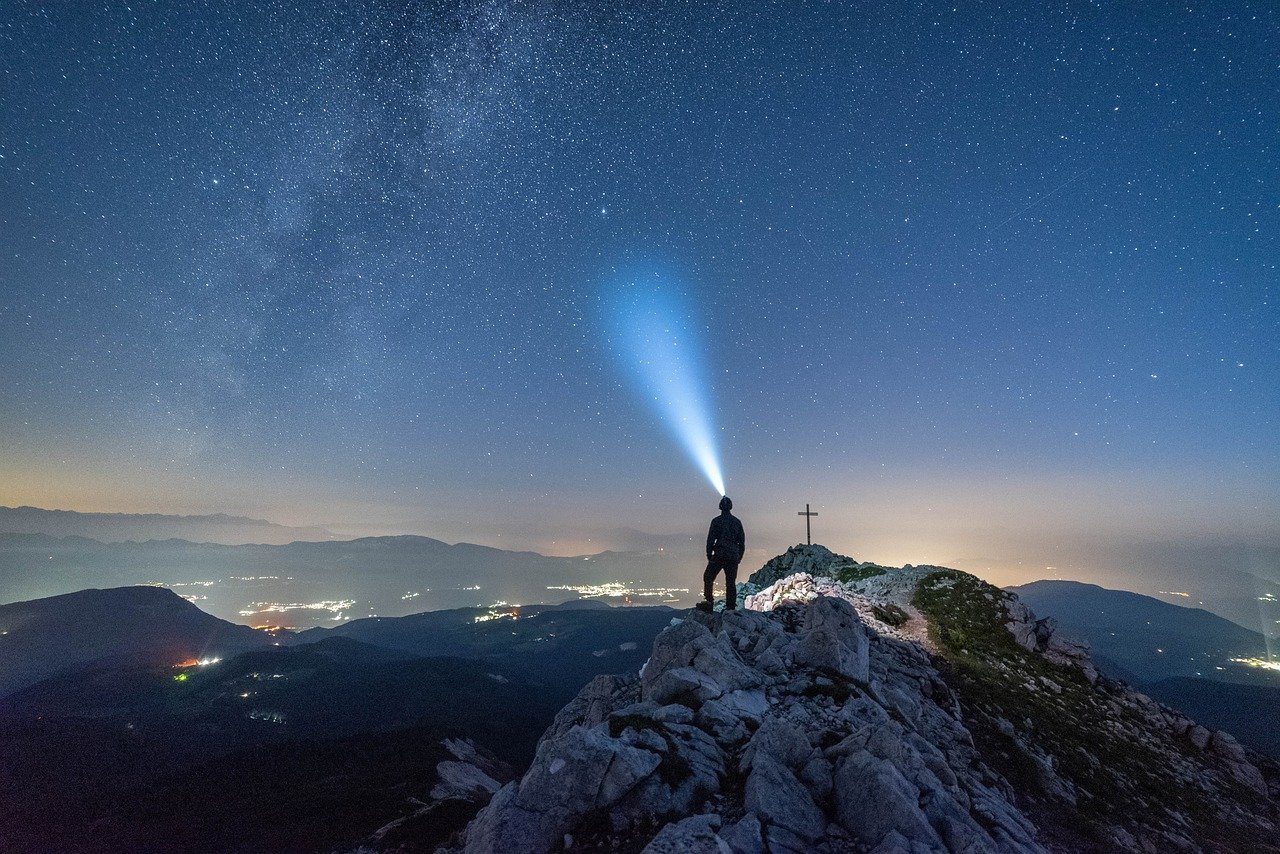
Hiking is a great way to explore nature, enjoy the outdoors and stay fit. However, sometimes you may find yourself hiking in the dark, either because you started late, got lost, or planned a night hike. In these situations, having a good headlamp is essential for your safety and comfort.

A headlamp is a light source that you wear on your head, usually attached to a strap or a band. It allows you to see where you are going and what you are doing, while keeping your hands free for other tasks. A headlamp can also help you signal for help, navigate a trail, read a map, set up a tent, cook a meal, or perform first aid.

But how do you choose the best headlamp for hiking? There are many factors to consider, such as brightness, battery life, weight, size, features and price. In this guide, we will explain some of the most important aspects of headlamps and give you some recommendations based on expert reviews and user feedback.

Brightness

Brightness is one of the most important factors when choosing a headlamp. It determines how far and how well you can see in the dark. Brightness is measured in lumens, which is a unit of luminous flux or light output. The higher the lumens, the brighter the light.

However, brightness is not everything. You also need to consider the beam pattern and quality of the light. The beam pattern refers to how the light is distributed by the headlamp. There are two main types of beam patterns: spot and flood.

  • A spot beam is focused and narrow, allowing you to see farther distances. It is useful for trail finding, spotting wildlife or objects, or signaling for help.
  • A flood beam is wide and diffuse, allowing you to see more of your surroundings. It is useful for close-up tasks, such as reading, cooking or setting up camp.

Some headlamps have both spot and flood modes, which let you switch between them depending on your needs. Some also have adjustable brightness levels, which let you dim or brighten the light according to your preference.

The quality of the light refers to how natural and comfortable it is for your eyes. Some headlamps have warmer or cooler tones of light, which can affect how colors appear in the dark. Some also have red or green modes, which can help preserve your night vision or enhance contrast.

The best headlamps for hiking have a balance of brightness, beam pattern and quality that suits your activities and preferences.

Battery Life

Battery life is another important factor when choosing a headlamp. It determines how long you can use the light before it runs out of power. Battery life depends on several factors, such as the type of battery, the brightness level and the mode of operation.

There are two main types of batteries used in headlamps: disposable and rechargeable.

  • Disposable batteries are usually alkaline or lithium cells that you can buy at any store. They are convenient and widely available, but they can be expensive and wasteful in the long run.
  • Rechargeable batteries are usually lithium-ion or nickel-metal hydride cells that you can charge with a USB cable or a solar panel. They are more eco-friendly and cost-effective in the long run, but they can be less convenient and reliable in some situations.

Some headlamps have both disposable and rechargeable options, which let you choose between them depending on your availability and preference.

The brightness level and the mode of operation also affect the battery life of your headlamp. The higher the brightness level, the shorter the battery life. The more features and modes your headlamp has, such as strobe, SOS or red light modes, the more power it consumes.

The best headlamps for hiking have a long battery life that can last for several hours or even days on low or medium brightness levels. They also have indicators that show you how much battery power is left or when it needs to be recharged.

Weight and Size

Weight and size are also important factors when choosing a headlamp. They determine how comfortable and convenient it is to wear and carry your headlamp. Weight and size depend on several factors, such as the type of battery, the number of LEDs, the design of the headband and the casing.

The type of battery affects the weight and size of your headlamp. Disposable batteries are usually heavier and bulkier than rechargeable batteries. The number of LEDs affects the weight and size of your headlamp. More LEDs usually mean more brightness, but also more weight and size. The design of the headband and the casing affects the weight and size of your headlamp. Some headbands are more adjustable, padded or ventilated than others. Some casings are more durable, waterproof or ergonomic than others.

The best headlamps for hiking have a light weight and a compact size that do not cause discomfort or fatigue on your head or neck. They also have a balanced design that distributes the weight evenly and does not bounce or slip when you move.

Features and Price

Features and price are also important factors when choosing a headlamp. They determine how functional and affordable your headlamp is. Features and price depend on several factors, such as the brand, the model, the quality and the innovation of your headlamp.

The brand affects the features and price of your headlamp. Some brands are more reputable, reliable and popular than others. They usually offer more features, better quality and higher prices than lesser-known brands. The model affects the features and price of your headlamp. Some models are newer, more advanced and more specialized than others. They usually offer more features, better quality and higher prices than older or simpler models. The quality affects the features and price of your headlamp. Some headlamps are more durable, waterproof, shockproof or user-friendly than others. They usually offer more features, better performance and higher prices than lower-quality headlamps. The innovation affects the features and price of your headlamp. Some headlamps have more unique, creative or cutting-edge features than others. They usually offer more functionality, versatility and higher prices than conventional headlamps.

The best headlamps for hiking have a range of features that suit your needs and preferences. They also have a reasonable price that matches your budget and expectations.

Recommendations

Based on our research, here are some of the best headlamps for hiking in 2023, according to expert reviews and user feedback.

  • Petzl Actik Core – Best Overall
  • Black Diamond Spot – Editor’s Choice
  • Vont Spark Headlamp – Best Budget
  • Black Diamond 350 ReVolt – Best Rechargeable
  • Petzl Tikkina – Best Value
  • Petzl Nao Plus


Model

Brightness

Battery Life

Weight

Size

Features

Petzl Actik Core

450 lumens

2 to 130 hours

2.6 oz

2.5 x 1.5 x 1 inches

Spot/flood modes, red light mode, lock mode, rechargeable battery, reflective headband

Check Price

Black Diamond Spot

400 lumens

4 to 200 hours

2.9 oz

2 x 1 x 1 inches

Spot/flood modes, dimming mode, red/green/blue light modes, lock mode, power meter, waterproof

Check Price

Vont Spark Headlamp

200 lumens

90 hours

3 oz

2 x 1 x 1 inches

Spot/flood modes, strobe mode, tilt adjustment, waterproof, lifetime warranty

Check Price

Black Diamond 350 ReVolt

350 lumens

4 to 200 hours

3.1 oz

2 x 1 x 1 inches

Spot/flood modes, dimming mode, red light mode, lock mode, power meter, rechargeable battery, waterproof

Check Price

Petzl Tikkina

250 lumens

2 to 120 hours

3 oz

2 x 1 x 1 inches

Flood mode, three brightness levels, lock mode, compatible with rechargeable battery (not included)

Check Price

Petzl Nao Plus

750 lumens

1.5 to 15 hours

6.5 oz

Not specified

Spot/flood modes, reactive lighting mode (adjusts brightness automatically), red light mode, lock mode, Bluetooth app control, rechargeable battery

Check Price
June 3, 2023 0 comments
0 FacebookTwitterPinterestEmail
Family TravelTravel Tips

Flying with Kids Made Easy: A Step-by-Step Guide for Every Age Group

by Travel Geek May 30, 2023
written by Travel Geek

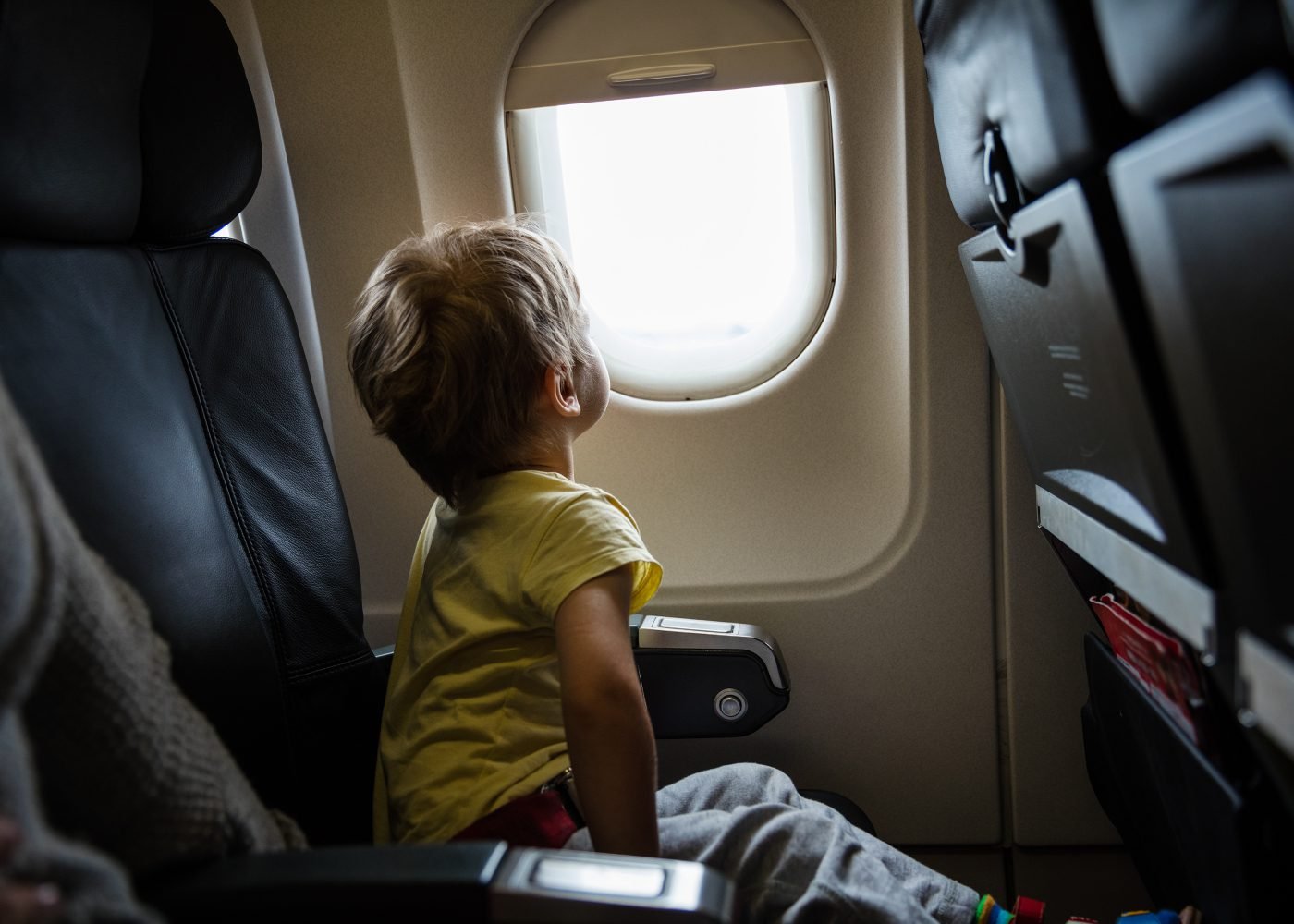
Flying with kids can be a daunting task for many parents. From packing and planning to dealing with security and boredom, there are many challenges and potential pitfalls that can make air travel stressful and exhausting. However, flying with kids can also be a fun and rewarding experience, if you follow some simple tips and tricks that will make your journey smoother and more enjoyable. Here are some of the best ways to fly with kids of different ages and make your flight a breeze.

Flying with Babies

Babies are the easiest travelers in some ways, as they don’t need much entertainment or space. However, they also have special needs and can be unpredictable and fussy at times. Here are some tips to fly with babies:

  • Choose the right flight time: Try to book a flight that coincides with your baby’s nap time or bedtime, so they can sleep through most of the journey. Avoid flights that are too early or too late, as they can disrupt your baby’s routine and make them cranky.
  • Choose the right seat: If possible, book a bulkhead seat or a seat near the window, so you can have more legroom and privacy. You can also request a bassinet or a car seat from the airline, depending on availability and regulations. Alternatively, you can bring your own car seat or baby carrier, as long as they are approved by the airline.
  • Pack smart: Pack a diaper bag with all the essentials for your baby, such as diapers, wipes, changing pad, bottles, formula, snacks, pacifiers, toys, blankets, and extra clothes. You can also pack a small first aid kit with medications, thermometer, and bandages. Make sure to pack enough for the flight and possible delays, but don’t overpack as you will have to carry everything around.
  • Feed on takeoff and landing: To prevent ear pain caused by air pressure changes, feed your baby on takeoff and landing. You can breastfeed, bottle-feed, or give them a pacifier or a snack. This will help them swallow and equalize the pressure in their ears.
  • Keep them comfortable: Dress your baby in layers, as the temperature on the plane can vary. Bring a blanket or a jacket to keep them warm or cool as needed. You can also bring a pillow or a stuffed animal to make them feel cozy and secure.

Flying with Toddlers

Toddlers are more active and curious than babies, which means they need more stimulation and attention. They can also be more prone to tantrums and meltdowns if they are bored, tired, or hungry. Here are some tips to fly with toddlers:

  • Involve them in the process: To make flying more fun and exciting for your toddler, involve them in the process of preparing and packing for the trip. You can let them choose their own backpack or suitcase, their own snacks and toys, and their own outfit for the flight. You can also explain to them what to expect at the airport and on the plane, and answer any questions they may have.
  • Bring lots of entertainment: Toddlers have a short attention span, so you need to bring lots of entertainment options to keep them busy and happy. You can bring books, coloring books, stickers, puzzles, games, dolls, cars, or anything else that your toddler enjoys playing with. You can also download some apps, videos, or music on your phone or tablet for them to watch or listen to. Don’t forget to bring headphones and chargers for your devices.
  • Bring lots of snacks: Toddlers can get hungry easily, so you need to bring lots of snacks for them to munch on during the flight. You can bring crackers, cheese sticks, fruit pouches, granola bars, cookies, or anything else that your toddler likes eating. Avoid messy or sticky foods that can spill or stain. You can also bring some water or juice for them to drink. Avoid sugary drinks that can make them hyperactive.
  • Let them move around: Toddlers need to burn off some energy and stretch their legs during a long flight. You can let them walk up and down the aisle when it is safe and allowed by the crew. You can also take them to the back of the plane where there is more space to play or do some exercises. Just make sure to keep an eye on them and not disturb other passengers.
  • Reward good behavior: To encourage good behavior from your toddler during the flight, you can reward them with praise, stickers, small toys, snacks. 

Flying with Preschoolers

Preschoolers are more independent and communicative than toddlers, but they can also be more stubborn and defiant. They can also get bored easily and need constant stimulation and interaction. Here are some tips to fly with preschoolers:

  • Engage them in conversation: Preschoolers love to talk and learn new things, so you can engage them in conversation during the flight. You can ask them about their favorite things, their hobbies, their friends, or their dreams. You can also teach them about the places you are visiting, the culture, the language, or the history. You can also play some word games, such as I Spy, 20 Questions, or Would You Rather.
  • Bring some surprises: Preschoolers love surprises, so you can bring some small gifts or treats for them to unwrap during the flight. You can bring some new toys, books, stickers, or candy for them to enjoy. You can also make some activity packs with coloring pages, puzzles, mazes, or dot-to-dots for them to do. You can also use these surprises as incentives for good behavior or milestones during the flight.
  • Be flexible and patient: Preschoolers can be unpredictable and moody at times, so you need to be flexible and patient with them during the flight. You may need to adjust your plans or expectations according to their mood or needs. You may need to switch activities or snacks more often than you planned. You may need to deal with some tantrums or meltdowns along the way. Try to stay calm and positive, and don’t take things personally.

Flying with School-Age Kids

School-age kids are more mature and responsible than preschoolers, but they can also be more bored and restless. They can also be more opinionated and demanding about their preferences and choices. Here are some tips to fly with school-age kids:

  • Involve them in decision-making: School-age kids like to have some control and input over their own experiences, so you can involve them in decision-making during the flight. You can let them choose their own seat, their own entertainment, their own snacks, or their own activities. You can also ask them for their opinions or suggestions about the trip or the destination. This will make them feel more valued and engaged.
  • Bring some educational materials: School-age kids are curious and eager to learn new things, so you can bring some educational materials for them to use during the flight. You can bring some books, magazines, maps, guides, or flashcards about the places you are visiting or the topics they are interested in. You can also bring some quizzes, trivia, or puzzles for them to solve. This will keep them entertained and informed at the same time.
  • Encourage independence and cooperation: School-age kids are capable of doing many things on their own, so you can encourage independence and cooperation from them during the flight. You can assign them some tasks or responsibilities, such as packing their own bag, checking in their own luggage, holding their own boarding pass, or helping their younger siblings. You can also encourage them to cooperate with you and other passengers by following the rules, being polite, and sharing their space and resources.

These are some of the best ways to fly with kids of different ages and make your flight a breeze. By following these tips and tricks, you will be able to enjoy your journey with your kids and create some wonderful memories together. Happy flying!

May 30, 2023 0 comments
0 FacebookTwitterPinterestEmail
Comprehensive Guide to Successful Camping
ClothingTravel Gear

The Campers’ Bible: A Comprehensive Guide to Successful Camping Adventures

by Travel Geek May 24, 2023
written by Travel Geek

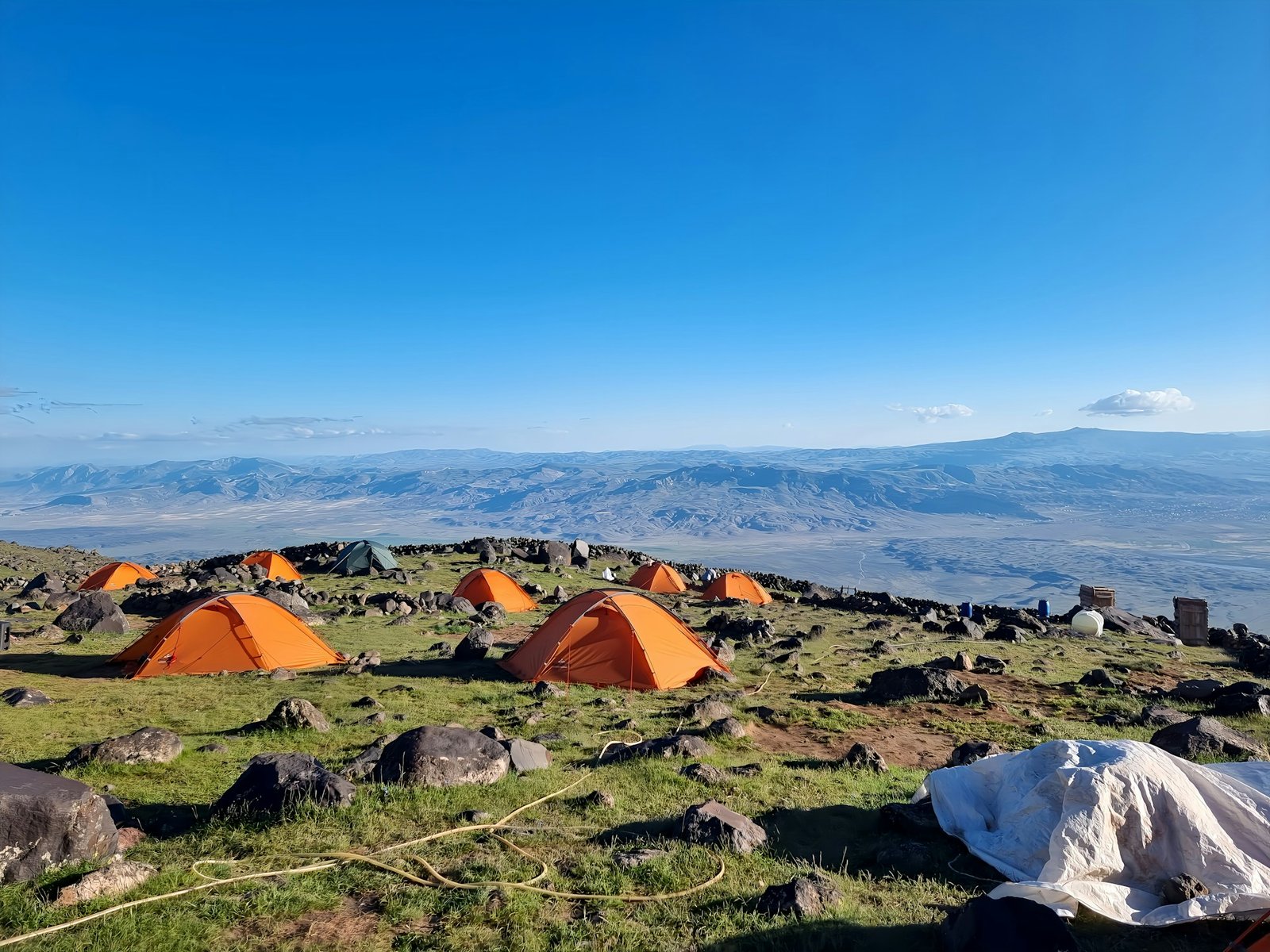
Welcome to the comprehensive camping guide, your go-to resource for planning an unforgettable outdoor adventure. Whether you’re a seasoned camper or embarking on your first camping trip, this guide will equip you with the essential knowledge and items you need for a successful and enjoyable experience in the great outdoors. From choosing the right gear to planning your meals and staying safe, we’ve got you covered. So, grab your camping essentials, get ready to embrace nature, and let’s dive into the world of camping!

  1. Plan your Trip:

    • Decide on the location: Research and choose a suitable campground or camping area based on your preferences, such as proximity, amenities, and activities.
    • Check regulations and permits: Ensure you understand any rules, regulations, or permits required for camping in the chosen area.
    • Determine the duration: Decide how long you’ll be camping, as it will affect the amount of supplies you’ll need.
    • Prepare an itinerary: Outline a general plan for your camping trip, including activities, hikes, and attractions you’d like to explore.
  2. Shelter and Sleeping Gear:

    • Tent: Choose a sturdy, waterproof tent that accommodates the number of people in your group.
    • Groundsheet or footprint: Protect the tent floor from moisture and damage.
    • Sleeping bags: Select warm and comfortable sleeping bags suitable for the expected weather conditions.
    • Sleeping pads or air mattresses: Provide insulation and cushioning for a better night’s sleep.
    • Pillows and blankets: Pack pillows for extra comfort and blankets for colder nights.
  3. Cooking and Food Supplies:

    • Camp stove and fuel: Pick a portable camp stove and bring sufficient fuel for the duration of your trip.
    • Cookware and utensils: Carry a pot, pan, plates, bowls, cups, cutlery, and cooking utensils.
    • Cooler or icebox: Keep perishable food items fresh with a cooler and ice.
    • Food and beverages: Plan and pack meals that are easy to prepare, non-perishable, and suitable for your dietary preferences. Don’t forget to bring water or a water filtration system.
  4. Campfire Essentials:

    • Firewood and fire starters: Check if firewood is available at the campsite or bring your own. Pack fire starters or matches.
    • Campfire cooking tools: Include items like a grill grate, cooking tripod, and long-handled tongs or skewers for campfire cooking.
    • Fire extinguisher and water bucket: Ensure you have the means to control and extinguish the fire if needed.
  5. Clothing and Personal Items:

    • Layered clothing: Pack appropriate clothing for various weather conditions, including warm layers, rain jackets, hats, and extra socks.
    • Sturdy footwear: Wear or bring comfortable, closed-toe shoes or boots suitable for hiking and walking on uneven terrain.
    • Personal hygiene items: Carry toiletries, toilet paper, hand sanitizer, towels, and biodegradable soap.
    • First aid kit: Include essentials such as band-aids, antiseptic ointment, pain relievers, insect repellent, and any necessary medications.
    • Camping chairs and tables: Bring foldable chairs and a table for comfortable seating and dining.
  6. Lighting and Navigation:

    • Headlamp or flashlight: Provide hands-free lighting for various activities in the dark.
    • Lantern or camp lights: Illuminate the campsite at night for convenience and safety.
    • Map and compass: If venturing into remote areas, have a map and compass for navigation. Alternatively, a GPS device or smartphone with offline maps can be useful.
  7. Miscellaneous Essentials:

    • Pocket knife or multi-tool: Carry a versatile tool for various tasks and emergencies.
    • Rope or paracord: Useful for setting up a clothesline, securing items, or emergency situations.
    • Duct tape: Can serve multiple purposes, from gear repair to first aid.
    • Trash bags: Pack extra bags for waste disposal and keeping the campsite clean.
    • Entertainment: Consider bringing books, playing cards, or outdoor games to enjoy during leisure time.

Remember to check any additional requirements specific to your camping location or personal needs. Enjoy your camping trip and stay safe!

May 24, 2023 0 comments
0 FacebookTwitterPinterestEmail
Cappadocia 3 Day Itinerary
DestinationsEuropeTurkey

Cappadocia 3 Day Itinerary: The Best Things to See and Do

by Travel Geek May 23, 2023
written by Travel Geek

Cappadocia is a magical region in central Turkey, famous for its fairy chimneys, cave hotels, underground cities and hot air balloons. It is a place where nature and history blend together in a spectacular way, creating a unique landscape that will leave you breathless. If you are planning to visit Cappadocia, here is a 3-day itinerary that will help you make the most of your time and see the best attractions.

Day 1: Goreme Open Air Museum, Uchisar Castle and Love Valley

On your first day in Cappadocia, start by visiting the Goreme Open Air Museum, a UNESCO World Heritage Site that showcases the rich cultural and religious heritage of the region. The museum consists of several rock-cut churches and monasteries dating back to the 10th to 13th centuries, decorated with beautiful frescoes depicting scenes from the Bible. You can admire the stunning architecture and art of these ancient sanctuaries and learn more about the history and beliefs of the people who lived here.

Next, head to Uchisar Castle, the highest point in Cappadocia, offering panoramic views of the surrounding valleys and villages. The castle is a massive rock formation that was carved out by humans and used as a fortress and a settlement. You can climb up to the top of the castle and enjoy the scenery, or explore the many tunnels and chambers inside.

After lunch, take a hike in the Love Valley, one of the most scenic and amusing valleys in Cappadocia. The valley is named after its peculiar rock formations that resemble giant phalluses. The valley is also home to many pigeons that nest in the holes of the rocks. You can walk along the trail that follows the valley floor and marvel at the bizarre shapes and colors of the rocks.

Day 2: Hot Air Balloon Ride, Ihlara Valley and Derinkuyu Underground City

On your second day in Cappadocia, wake up early and treat yourself to a once-in-a-lifetime experience: a hot air balloon ride over Cappadocia. This is one of the most popular and unforgettable things to do in Cappadocia, as you get to see the sunrise over the fairy chimneys and valleys from above. The balloon ride lasts about an hour and includes a champagne toast and a certificate at the end.

After breakfast, drive to Ihlara Valley, a 14-kilometer long gorge that was formed by a volcanic eruption and carved by a river. The valley is also known for its rock-cut churches that are hidden among the trees and cliffs. You can hike along the river and visit some of these churches, such as Agacalti Church, Yilanli Church and Selime Monastery. The valley is also a great place to enjoy nature and spot some wildlife.

In the afternoon, visit Derinkuyu Underground City, one of the largest and deepest underground cities in Cappadocia. The city was built by early Christians as a refuge from invasions and raids, and could accommodate up to 20,000 people. The city has eight levels that are connected by tunnels and stairs, and includes living quarters, kitchens, storerooms, churches, stables, wells and ventilation shafts. You can explore some of these levels and marvel at the ingenuity and craftsmanship of the builders.

Day 3: Red Valley, Rose Valley and Turkish Bath

On your last day in Cappadocia, explore two of the most beautiful valleys in the region: Red Valley and Rose Valley. These valleys are named after their colors that change according to the sunlight. The valleys are full of fairy chimneys, caves, churches and vineyards. You can hike or bike along the trails that connect the valleys and visit some of the highlights, such as Kolonlu Kilise (Columned Church), Uzumlu Kilise (Grape Church) and Hacli Kilise (Cross Church).

After enjoying the natural beauty of Cappadocia, pamper yourself with a Turkish bath, also known as hamam. A Turkish bath is a traditional ritual that involves washing, scrubbing, massaging and relaxing in a steamy room. It is a great way to cleanse your body and soul, as well as experience some Turkish culture. There are many hamams in Cappadocia where you can enjoy this service for a reasonable price.

Cappadocia is a place that will enchant you with its fairy tale atmosphere and charm you with its history and culture. With this 3-day itinerary, you will be able to see some of the best things that Cappadocia has to offer and have an unforgettable trip.

May 23, 2023 0 comments
0 FacebookTwitterPinterestEmail
A first-time guide to Phuket
AsiaDestinationsThailand

5 Top-Rated Tourist Attractions in Thailand

by Travel Geek May 23, 2023
written by Travel Geek

Thailand is a country that offers something for everyone, from stunning beaches and islands to vibrant cities and ancient temples. Whether you are looking for adventure, culture, relaxation or entertainment, you will find it in the Land of Smiles. Here are five of the best tourist attractions in Thailand that you should not miss on your next trip.

1. Railay Beach

Railay Beach is one of the most beautiful beaches in Thailand, located on a peninsula in Krabi province that can only be reached by boat. Surrounded by towering limestone cliffs, turquoise water and white sand, Railay Beach is a paradise for beach lovers and rock climbers alike. You can enjoy swimming, kayaking, snorkeling or scuba diving in the clear sea, or challenge yourself to scale the dramatic rock formations. You can also visit the nearby Diamond Cave, which has impressive stalactites and stalagmites.

2. Koh Phi Phi

Koh Phi Phi is a group of islands in the Andaman Sea that are famous for their stunning scenery and lively nightlife. The largest and most populated island is Phi Phi Don, where you can find a variety of accommodation, restaurants, bars and shops. The smaller island of Phi Phi Leh is home to the Maya Bay, which was featured in the movie The Beach starring Leonardo DiCaprio. You can take a boat tour to explore the islands and their hidden coves, lagoons and coral reefs. You can also visit Monkey Beach, where you can interact with the cheeky macaques that live there.

3. The Grand Palace

The Grand Palace is the most iconic landmark in Bangkok, the capital city of Thailand. It was the official residence of the kings of Siam and Thailand from 1782 to 1925, and it still hosts important ceremonies and events today. The Grand Palace complex covers an area of 218,000 square meters and consists of several buildings, halls, pavilions and gardens. The most sacred and revered site within the palace is the Temple of the Emerald Buddha, which houses a 66-centimeter tall statue of Buddha carved from a single piece of jade.

4. Chiang Mai

Chiang Mai is the largest city in northern Thailand and a cultural hub that attracts millions of visitors every year. Chiang Mai has a rich history and heritage, dating back to the 13th century when it was the capital of the Lanna Kingdom. You can explore the old city walls and gates, and visit more than 300 temples that dot the cityscape. Some of the most famous ones are Wat Phra Singh, Wat Chedi Luang and Wat Phra That Doi Suthep. Chiang Mai is also known for its night markets, where you can shop for handicrafts, souvenirs, clothes and street food.

5. Pai

Pai is a small town in Mae Hong Son province that has become a popular destination for backpackers and nature lovers. Pai is nestled in a valley surrounded by green hills and rice fields, offering a peaceful and scenic escape from the hustle and bustle of the city. You can enjoy hiking, biking, rafting or elephant riding in the countryside, or relax in one of the many hot springs or waterfalls nearby. You can also visit some of the local attractions, such as the Pai Canyon, the Bamboo Bridge and the White Buddha.

Thailand is a country that will never cease to amaze you with its diversity and beauty. These are just some of the top-rated tourist attractions in Thailand that you should add to your bucket list. However, there are many more places to discover and experience in this amazing land.

May 23, 2023 0 comments
0 FacebookTwitterPinterestEmail
AsiaCambodiaDestinationsIndonesiaLaosNepalVietnam

Discover Asia’s Hidden Gems: 5 Countries that Offer Great Value for Money in 2023

by Travel Geek May 17, 2023
written by Travel Geek

Asia is a continent full of diverse cultures, stunning landscapes, delicious cuisines and fascinating history. It’s also a great destination for budget travelers, as there are many countries in Asia that offer amazing value for money. Whether you’re looking for adventure, relaxation, culture or nature, you can find it all in Asia without breaking the bank. Here are some of the cheapest countries in Asia for a tourist, along with some tips on what to see and do there.

Nepal

Nepal is a landlocked country in South Asia that is home to some of the highest mountains in the world, including Mount Everest. It’s also a country rich in culture, spirituality and natural beauty. Nepal is one of the cheapest countries in Asia for a tourist, as you can find accommodation, food and transportation for very low prices. You can also enjoy many activities and attractions for free or for a small fee, such as hiking, trekking, rafting, wildlife watching, temples and monasteries. Some of the best places to visit in Nepal are Kathmandu (the capital city), Pokhara (a lakeside town with stunning views of the Himalayas), Chitwan National Park (a wildlife reserve with elephants, rhinos and tigers) and Lumbini (the birthplace of Buddha)

Vietnam

Vietnam is a Southeast Asian country that has a long and turbulent history, a vibrant culture and a diverse geography. From the bustling cities of Hanoi and Ho Chi Minh City to the serene countryside of Sapa and Hoi An, Vietnam offers something for everyone. Vietnam is also one of the cheapest countries in Asia for a tourist, as you can find accommodation, food and transportation for very affordable prices. You can also enjoy many attractions and activities for cheap or free, such as visiting museums, pagodas, markets, beaches and islands. Some of the best places to visit in Vietnam are Ha Long Bay (a UNESCO World Heritage Site with thousands of limestone islands), Hue (the former imperial capital with ancient monuments), Da Nang (a coastal city with modern attractions) and Phong Nha-Ke Bang National Park (a natural wonder with caves and karst formations).

Cambodia

Cambodia is a Southeast Asian country that has a tragic past, a resilient present and a hopeful future. It’s also a country with incredible cultural and natural heritage, such as the ancient temples of Angkor Wat, the largest religious monument in the world. Cambodia is one of the cheapest countries in Asia for a tourist, as you can find accommodation, food and transportation for very reasonable prices. You can also enjoy many attractions and activities for cheap or free, such as visiting museums, palaces, markets, beaches and islands. Some of the best places to visit in Cambodia are Siem Reap (the gateway to Angkor Wat), Phnom Penh (the capital city with colonial and Khmer architecture), Battambang (a charming town with French influence) and Kampot (a riverside town with scenic surroundings).

Indonesia

Indonesia is a Southeast Asian country that consists of more than 17,000 islands, each with its own unique culture, nature and attractions. Indonesia is one of the cheapest countries in Asia for a tourist, as you can find accommodation, food and transportation for very low prices. You can also enjoy many attractions and activities for cheap or free, such as visiting temples, volcanoes, beaches and islands. Some of the best places to visit in Indonesia are Bali (the island of the gods with amazing scenery and culture), Jakarta (the capital city with modern and historical attractions), Yogyakarta (the cultural hub with ancient temples and palaces) and Lombok (the island with pristine beaches and mountains).

Laos

Laos is a landlocked country in Southeast Asia that is known for its laid-back atmosphere, friendly people and natural beauty. Laos is one of the cheapest countries in Asia for a tourist, as you can find accommodation, food and transportation for very affordable prices. You can also enjoy many attractions and activities for cheap or free, such as visiting waterfalls, caves, temples and markets. Some of the best places to visit in Laos are Luang Prabang (the former royal capital with UNESCO World Heritage Sites), Vientiane (the capital city with French colonial architecture and Buddhist monuments), Vang Vieng (the backpacker town with stunning scenery and adventure activities) and Si Phan Don (the 4,000 islands on the Mekong River).

May 17, 2023 0 comments
0 FacebookTwitterPinterestEmail
Security GearTravel Gear

RFID Blocking Wallets: Are They Really Necessary for Travel?

by Travel Geek May 12, 2023
written by Travel Geek

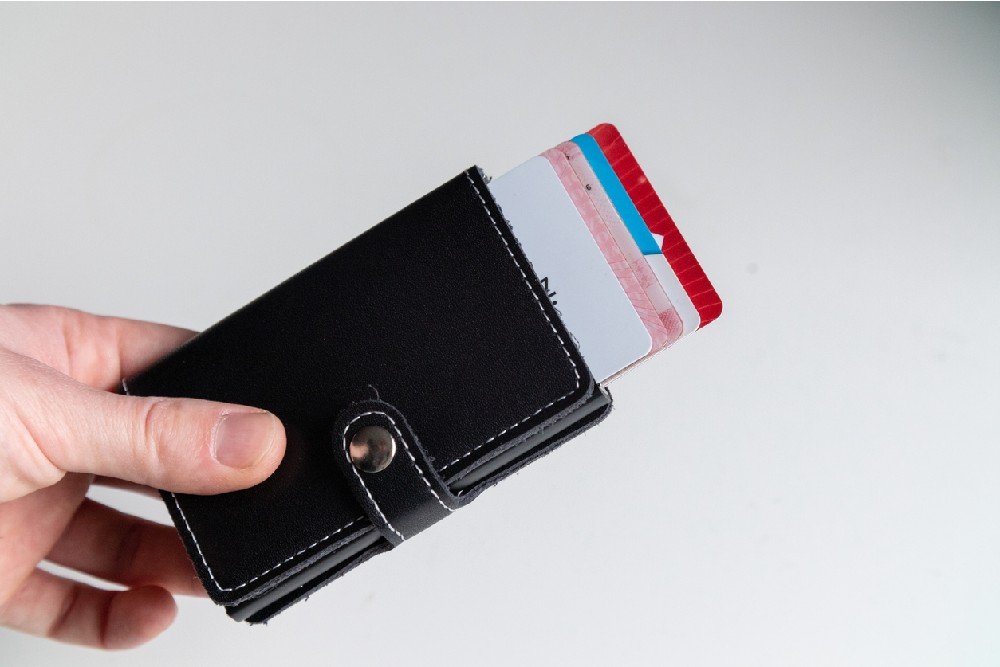
RFID-blocking wallets have become increasingly popular in recent years as a way to protect personal information and prevent identity theft. But are they really necessary for travel? In this article, we’ll explore what RFID technology is, how it can be used to steal personal information, and whether RFID-blocking wallets are an essential travel accessory.

What is RFID Technology?

RFID stands for radio frequency identification. It’s a type of wireless communication that allows data to be transmitted between two devices using radio waves. RFID technology is commonly used in credit cards, passports, and other types of identification cards to transmit personal information wirelessly.

How Can RFID Technology Be Used to Steal Personal Information?

While RFID technology is convenient for quick and easy transactions, it can also be vulnerable to identity theft. RFID skimming is a type of electronic pickpocketing that allows a criminal to steal personal information from a victim’s RFID-enabled card without physically touching it.

RFID skimming can occur in a variety of ways. For example, a criminal could use a portable RFID reader to intercept the radio waves transmitted by an RFID-enabled card. Alternatively, a criminal could install a skimming device on an ATM or other payment terminal to intercept the information transmitted by multiple cards at once.

Are RFID-Blocking Wallets Necessary for Travel?

RFID-blocking wallets are designed to protect personal information by blocking the radio waves transmitted by RFID-enabled cards. While there is a risk of RFID skimming, it’s important to note that not all RFID-enabled cards are vulnerable to this type of attack. Additionally, the risk of RFID skimming may vary depending on the location and circumstances of your travels.

In general, RFID-blocking wallets can be a useful travel accessory, especially if you’re traveling to a high-risk area or carrying multiple RFID-enabled cards. However, they may not be necessary for all travelers or all types of trips.

Other Ways to Protect Your Personal Information While Traveling

In addition to using an RFID-blocking wallet, there are several other ways to protect your personal information while traveling:

  1. Use Cash: Using cash instead of credit cards or other forms of electronic payment can be an effective way to prevent identity theft. While cash can be lost or stolen, it doesn’t transmit personal information wirelessly.
  2. Be Cautious of Public Wi-Fi: Public Wi-Fi networks can be vulnerable to hacking, which can allow criminals to intercept personal information transmitted over the network. To protect your information, avoid using public Wi-Fi for sensitive transactions like online banking or shopping.
  3. Keep Your Devices Secure: Password-protect your electronic devices and keep them with you at all times. Avoid leaving devices unattended in public areas, and be cautious of strangers who may try to access your devices.
  4. Monitor Your Accounts: Regularly monitor your bank and credit card accounts for any suspicious activity. If you notice any unauthorized transactions, report them to your bank or credit card company immediately.

RFID-blocking wallets can be a useful travel accessory for protecting personal information and preventing identity theft. However, they may not be necessary for all travelers or all types of trips. It’s important to be aware of the risks of RFID skimming and to take other measures to protect your personal information while traveling. By using cash, being cautious of public Wi-Fi, keeping your devices secure, and monitoring your accounts, you can enjoy your travels with peace of mind.

May 12, 2023 0 comments
0 FacebookTwitterPinterestEmail
Traveling with Toddlers
Security GearTravel Gear

Traveling with Children: Essential Security Accessories for Family Trips

by Travel Geek May 12, 2023
written by Travel Geek

Traveling with children can be an exciting and rewarding experience, but it also comes with its challenges. As a parent or guardian, your top priority is the safety and security of your children while on the road. To ensure a safe and stress-free trip, there are several essential security accessories that every family should consider bringing on their travels. In this article, we’ll explore some of the most important security accessories for traveling with children.

  • Child locator devices

Child locator devices are small GPS devices that can be attached to a child’s clothing or backpack. These devices allow parents to track their child’s location in real-time, ensuring that they don’t wander off or get lost. Some child locator devices even have an alert feature that can notify parents if their child leaves a designated area.

  • Car seat protectors

Car seat protectors are essential for families traveling with young children. Not only do they protect the car seat from spills and stains, but they also provide an extra layer of protection against bacteria and germs. Some car seat protectors even have built-in storage pockets, making it easy to keep snacks and toys within reach.

  • Portable door locks

Portable door locks are a must-have for families staying in hotels or other types of accommodations. These small devices can be easily installed on any door, providing an extra layer of security and peace of mind. Portable door locks can prevent unwanted entry from strangers and are especially useful in situations where the room’s locks may be unreliable.

  • Stroller locks

Stroller locks are another essential security accessory for families traveling with young children. These locks prevent strollers from being stolen or tampered with while in public areas, such as parks or shopping malls. Some stroller locks even have an alarm feature that sounds if the stroller is moved or tampered with.

  • Child-friendly luggage locks

Luggage locks are an essential security accessory for any traveler, but it’s important to choose child-friendly locks when traveling with children. Child-friendly luggage locks are easy for children to operate but still provide an extra layer of security against theft. These locks are especially important for families traveling with young children who may be more susceptible to wandering off or losing their belongings.

  • ID bracelets

ID bracelets are an excellent way to ensure that your child’s personal information is easily accessible in case of an emergency. These bracelets can be customized with important information, such as your child’s name, your contact information, and any medical conditions or allergies. ID bracelets can be particularly useful for children who may be traveling alone or with a group.

  • First aid kit

A first aid kit is a must-have for any family trip, but it’s especially important when traveling with children. A first aid kit should include essentials like band-aids, antiseptic wipes, and pain relief medication. It’s also a good idea to include any necessary medications, such as allergy medication or an EpiPen, if your child has any medical conditions.


Traveling with children can be a rewarding experience, but it’s important to take extra precautions to ensure their safety and security. By bringing essential security accessories like child locator devices, car seat protectors, portable door locks, stroller locks, child-friendly luggage locks, ID bracelets, and a first aid kit, families can enjoy their travels with peace of mind. As a parent or guardian, it’s always better to be prepared and take preventative measures to avoid potential safety hazards while on the road.

May 12, 2023 0 comments
0 FacebookTwitterPinterestEmail
Newer Posts
Older Posts

Follow Us

Facebook Twitter Instagram Pinterest Youtube Tiktok

Recent Posts

  • 10 Places Around the World Where You Can Pan for Gold for Free

    April 8, 2026
  • Guide to Burnout Retreats: What They Are & Where to Go on Any Budget

    April 7, 2026
  • Asia Fuel Crisis 2026: Should You Cancel Your Travel Plans?

    March 31, 2026
  • Guide to Crossing the Thailand-Laos Border via Friendship Bridge IV

    March 28, 2026
  • How to See the Best of Nizwa, Oman in One Day

    March 27, 2026

Categories

  • Destinations (79)
    • Africa (7)
      • Egypt (2)
      • Kenya (2)
      • Morocco (3)
      • Namibia (1)
      • Rwanda (1)
      • South Africa (2)
      • Tanzania (1)
      • Zambia (1)
    • Asia (67)
      • Bhutan (1)
      • Cambodia (1)
      • China (2)
      • India (1)
      • Indonesia (8)
      • Laos (1)
      • Malaysia (2)
      • Maldives (1)
      • Nepal (2)
      • Sri Lanka (1)
      • Thailand (59)
      • Turkmenistan (1)
      • Vietnam (3)
    • Europe (14)
      • Bulgaria (1)
      • Croatia (1)
      • Georgia (3)
      • Greece (2)
      • Iceland (1)
      • Ireland (2)
      • Italy (1)
      • Montenegro (1)
      • Norway (1)
      • Portugal (3)
      • Scotland (1)
      • Spain (1)
      • Switzerland (1)
      • Turkey (5)
    • Middle East (6)
      • Jordan (1)
      • Oman (1)
      • Qatar (1)
      • UAE (2)
    • North America (6)
      • Canada (2)
      • Mexico (1)
      • USA (5)
    • Oceania (4)
      • Australia (1)
      • New Zealand (3)
    • South America (7)
      • Argentina (1)
      • Bolivia (2)
      • Chile (4)
      • Costa Rica (3)
      • Dominica (1)
      • Ecuador (1)
      • Peru (2)
  • Travel Gear (64)
    • Clothing (15)
    • Luggage (10)
    • Photography Gear (7)
    • Security Gear (8)
    • Travel Accessories (21)
    • Travel Electronics (10)
  • Travel Tips (217)
    • Budget Travel (42)
    • Family Travel (35)
    • Food and Dining (16)
    • Health and Wellness (48)
    • Luxury Travel (24)
    • Packing (12)
    • Safety (19)
    • Solo Travel (33)
    • Sustainable Travel (12)
    • Transportation (45)
    • Travel Insurance (14)
    • Visa and Immigration (13)

Subscribe to our newsletter and be the first to know about our latest and greatest news, exclusive offers, and funny cat videos (yes, we promise to include those too)..

We don’t spam! Read our privacy policy for more info.

You’ve been successfully subscribed to our newsletter!

  • About Us
  • Destinations
  • Travel Tips
  • Travel Gear
  • Contact Us
  • Terms and Conditions
  • Privacy policy
  • Refund and Cancelation Policy

© Copyright 2026 FitcationHQ

FitcationHQ
FitcationHQ
  • Home
  • Travel Planning
  • Destinations
    • Africa
      • Egypt
      • Kenya
      • Morocco
      • Mozambique
      • Namibia
      • Rwanda
      • South Africa
      • Tanzania
    • Asia
      • Bhutan
      • Cambodia
      • China
      • Indonesia
      • Laos
      • Malaysia
      • Maldives
      • Nepal
      • Thailand
      • Turkmenistan
    • Europe
      • Bulgaria
      • Croatia
      • Georgia
      • Greece
      • Iceland
      • Ireland
      • Italy
      • Montenegro
      • Norway
      • Portugal
      • Scotland
      • Turkey
    • Middle East
      • Jordan
      • UAE
    • North America
      • Canada
      • USA
    • Oceania
      • New Zealand
    • South America
      • Argentina
      • Bolivia
      • Chile
      • Costa Rica
      • Ecuador
      • Peru
  • Travel Tips
    • Budget Travel
    • Family Travel
    • Food and Dining
    • Health and Wellness
    • Luxury Travel
    • Packing
    • Safety
    • Solo Travel
    • Transportation
    • Travel Insurance
    • Sustainable Travel
    • Visa and Immigration
  • Travel Gear
    • Luggage
    • Clothing
    • Photography Gear
    • Security Gear
    • Travel Accessories
    • Travel Electronics

Shopping Cart

Close

No products in the cart.

Close