
FitcationHQ
  • Home
  • Travel Planning
  • Destinations
    • Africa
      • Egypt
      • Kenya
      • Morocco
      • Mozambique
      • Namibia
      • Rwanda
      • South Africa
      • Tanzania
    • Asia
      • Bhutan
      • Cambodia
      • China
      • Indonesia
      • Laos
      • Malaysia
      • Maldives
      • Nepal
      • Thailand
      • Turkmenistan
    • Europe
      • Bulgaria
      • Croatia
      • Georgia
      • Greece
      • Iceland
      • Ireland
      • Italy
      • Montenegro
      • Norway
      • Portugal
      • Scotland
      • Turkey
    • Middle East
      • Jordan
      • UAE
    • North America
      • Canada
      • USA
    • Oceania
      • New Zealand
    • South America
      • Argentina
      • Bolivia
      • Chile
      • Costa Rica
      • Ecuador
      • Peru
  • Travel Tips
    • Budget Travel
    • Family Travel
    • Food and Dining
    • Health and Wellness
    • Luxury Travel
    • Packing
    • Safety
    • Solo Travel
    • Transportation
    • Travel Insurance
    • Sustainable Travel
    • Visa and Immigration
  • Travel Gear
    • Luggage
    • Clothing
    • Photography Gear
    • Security Gear
    • Travel Accessories
    • Travel Electronics
FitcationHQ
Travel InsuranceTravel Tips

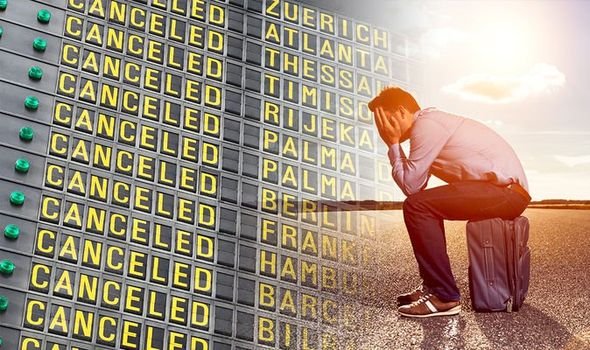
The Rising Importance of Cancel For Any Reason (CFAR) Travel Insurance

by Travel Geek October 3, 2023
written by Travel Geek

Traveling is a source of joy, adventure, and exploration, allowing us to immerse ourselves in new cultures and experiences. However, in an ever-changing world, unforeseen circumstances can disrupt travel plans, making trip cancellations or changes a necessity. In response to this uncertainty, Cancel For Any Reason (CFAR) travel insurance has gained immense importance. In this article, we will delve into the rising significance of CFAR travel insurance and how it provides travelers with flexibility and peace of mind.

Understanding Cancel For Any Reason (CFAR) Travel Insurance

Cancel For Any Reason (CFAR) travel insurance is a type of insurance policy that provides travelers the option to cancel their trip for any reason and receive a partial refund of their non-refundable trip costs. Unlike traditional trip cancellation policies that only cover specific predefined reasons, CFAR insurance allows travelers to cancel without providing a reason, hence the name “cancel for any reason.”

The Flexibility of CFAR Travel Insurance

The main advantage of CFAR travel insurance is the flexibility it offers to travelers. Here are some key aspects that highlight its importance:

1. Coverage for Any Reason:

With CFAR insurance, travelers can cancel their trip for virtually any reason, whether personal, professional, or otherwise. This could include concerns about the current state of the world, sudden work commitments, family emergencies, or simply a change of plans.

2. Partial Reimbursement:

CFAR policies typically provide a percentage (e.g., 50-75%) of the non-refundable trip costs, allowing travelers to recoup a significant portion of their investment even if they decide to cancel for reasons not covered by traditional policies.

3. Extended Cancellation Window:

CFAR insurance usually has an extended cancellation window, often up to 48 hours before the scheduled departure. This is significantly longer than the standard cancellation window provided by typical travel insurance policies.

Reasons for the Rising Importance of CFAR Travel Insurance

The rising importance of CFAR travel insurance can be attributed to several factors:

1. Uncertain Times:

The world we live in is increasingly unpredictable. Factors like geopolitical events, health crises (as seen with the COVID-19 pandemic), or natural disasters can disrupt travel plans. CFAR insurance provides a safety net for travelers in these uncertain times.

2. Increased Travel Flexibility:

Modern travelers often seek flexibility in their plans. CFAR insurance aligns with this desire for adaptability, allowing travelers to have more control over their trip decisions.

3. Protection for High-Cost Trips:

For expensive trips with substantial non-refundable costs, CFAR insurance is invaluable. It offers a way to safeguard a significant portion of the investment in case the trip needs to be canceled.

4. Peace of Mind:

Knowing that you have the option to cancel your trip for any reason and receive a partial refund provides peace of mind. It alleviates concerns about unexpected situations that might compel trip cancellations.

How to Obtain CFAR Travel Insurance

Acquiring CFAR travel insurance is a straightforward process:

  1. Check Eligibility: Confirm if CFAR insurance is offered by your chosen insurance provider and if you are eligible for this coverage.

  2. Understand Terms and Conditions: Thoroughly read and comprehend the terms, conditions, and coverage details associated with CFAR insurance. Understand the percentage of reimbursement offered.

  3. Purchase in a Timely Manner: Purchase CFAR insurance within the specified timeframe, usually within a certain number of days from the initial trip deposit.

  4. Review and Confirm Coverage: Verify that the coverage provided aligns with your needs and expectations.

Cancel For Any Reason (CFAR) travel insurance is becoming increasingly important in the realm of travel. Its flexibility and the peace of mind it offers to travelers in uncertain times make it a valuable addition to travel plans. As travelers seek more control over their trips and look for ways to protect their investments, CFAR insurance is likely to continue growing in relevance, ensuring that travelers can explore the world with confidence and adaptability.

October 3, 2023 0 comments
0 FacebookTwitterPinterestEmail
Travel InsuranceTravel Tips

Travel Insurance for Adventure Seekers

by Travel Geek October 2, 2023
written by Travel Geek

Adventure seekers thrive on adrenaline, seeking the thrill of risky pursuits in the great outdoors or extreme sports. Whether it’s rock climbing, skydiving, trekking in remote terrains, or scuba diving in the deep ocean, these adrenaline-pumping activities offer a unique sense of excitement and adventure. However, engaging in such high-risk activities necessitates careful consideration of safety measures, and one vital aspect is securing appropriate travel insurance. In this article, we will explore the importance of tailoring travel insurance policies to cater to adventure seekers and the specific coverages that should be considered.

The Adventure Seeker’s Mindset

Adventure seekers are passionate about challenging their limits and experiencing the world in an extraordinary way. They are drawn to activities that involve an element of risk and require courage, skill, and proper training. However, these activities also come with inherent dangers that can result in accidents, injuries, or emergencies, making insurance coverage a critical part of their adventure plans.

Why Adventure Seekers Need Specialized Coverage

Standard travel insurance plans may not adequately cover high-risk activities or extreme sports. Adventure seekers require specialized coverage that accounts for the unique risks associated with their chosen pursuits. Here’s why tailored travel insurance is essential for adventure seekers:

1. Coverage for High-Risk Activities:

Adventure seekers often participate in activities that are considered high-risk by standard insurance policies. Tailored coverage ensures these risky pursuits are included in the policy, providing financial protection in case of accidents or injuries during the adventure.

2. Emergency Medical Coverage:

Engaging in extreme sports or adventures carries the risk of accidents that may require immediate medical attention. Adequate medical coverage in a travel insurance policy is crucial to cover emergency medical expenses, hospitalization, and evacuation to a medical facility if needed.

3. Evacuation and Rescue Coverage:

In the event of an emergency, adventure seekers may find themselves in remote or challenging terrains. Specialized insurance should offer coverage for search and rescue operations and emergency evacuations, ensuring the individual is transported to a suitable medical facility promptly.

4. Trip Interruption or Cancellation Coverage:

Adventure plans can be affected by unpredictable circumstances, leading to trip interruptions or cancellations. A tailored policy should cover non-refundable costs in case of trip disruptions, enabling adventure seekers to reschedule their trips without financial loss.

5. Adventure Gear and Equipment Coverage:

Adventure sports often involve specialized gear and equipment. Tailored insurance should cover the loss, theft, or damage of such gear during the trip.

Essential Components of Tailored Travel Insurance

When seeking travel insurance as an adventure enthusiast, here are the key components to consider for a comprehensive and tailored coverage:

1. Adventure Sports Coverage:

Ensure the policy specifically lists the adventure sports or risky activities you plan to undertake during your trip. It should clearly state that these activities are covered.

2. Emergency Medical Evacuation and Repatriation:

Confirm that the policy includes coverage for emergency medical evacuation and repatriation to ensure you receive adequate medical care in case of a serious injury.

3. Search and Rescue Coverage:

Verify if the policy covers search and rescue operations in case you find yourself stranded or in need of assistance in a remote area.

4. Trip Interruption and Cancellation:

Make sure the policy provides coverage for trip interruption or cancellation due to unforeseen events, allowing you to recoup non-refundable trip costs.

5. Gear and Equipment Coverage:

Check if the policy covers the loss, theft, or damage of your adventure gear and equipment, which can be costly to replace.

Tailoring Your Adventure Travel Insurance

Tailoring travel insurance for adventure seekers involves carefully reviewing policy options, understanding the specifics of your adventure plans, and selecting a policy that adequately covers the risks associated with your chosen activities. It’s essential to work with insurance providers who specialize in adventure travel and can customize policies to meet your unique needs.

Adventure seekers live for the thrill and excitement that risky pursuits offer. However, staying safe during these adventures is paramount. Tailoring travel insurance to cover the risks associated with high-risk activities ensures that adventure seekers can pursue their passions with peace of mind. From emergency medical coverage to protection for gear and equipment, a specialized policy can make all the difference in the world of adventure travel. So, before embarking on your adrenaline-fueled escapades, be sure to secure the right travel insurance coverage tailored to your adventurous spirit. Safe travels and exhilarating adventures await!

October 2, 2023 0 comments
0 FacebookTwitterPinterestEmail
AsiaDestinationsThailand

The Top 4 Temples to Visit in Phuket

by Travel Geek October 1, 2023
written by Travel Geek

Phuket is a popular tourist destination in Thailand, known for its beautiful beaches, nightlife, and culture. But Phuket also has a rich spiritual heritage, with many temples and shrines that reflect the diversity and history of the island. Whether you are a Buddhist, a Taoist, or just curious about the local beliefs and traditions, visiting some of the temples in Phuket can be a rewarding and enlightening experience. Here are some of the best temples to visit in Phuket, along with some tips on how to respect the sacred sites.

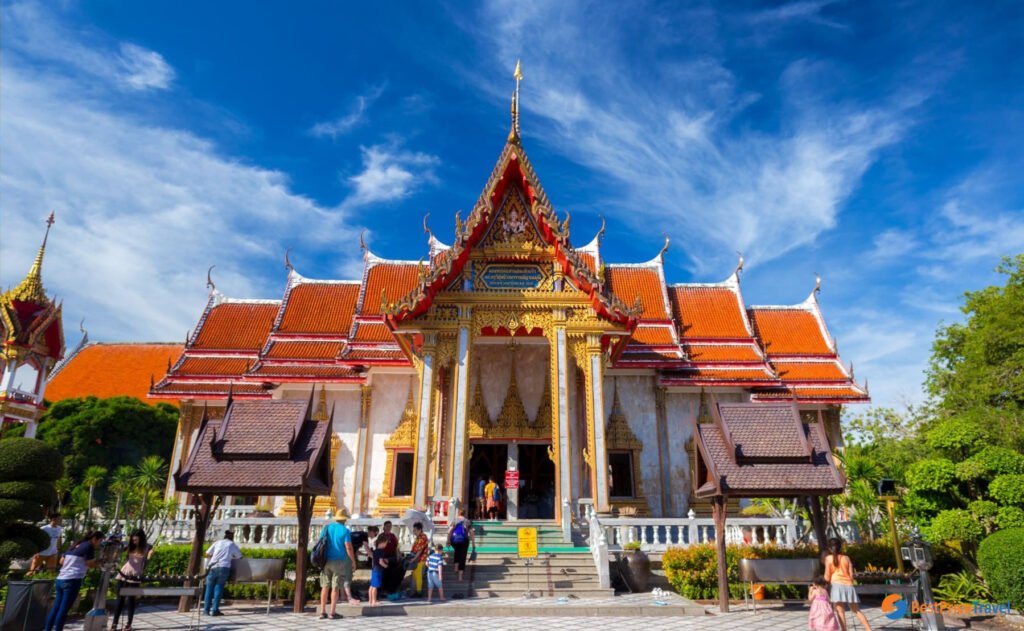
Wat Chalong

Wat Chalong is the largest and most visited Buddhist temple in Phuket. It was built in the early 19th century and is dedicated to two monks who helped the locals fight against the Chinese rebellion in 1876. The temple complex consists of several buildings, including a grand pagoda that contains a relic of the Buddha’s bone. The pagoda is decorated with wall paintings depicting the Buddha’s life story and various Buddha images. You can also see statues of the revered monks and other deities in the temple grounds.

Wat Chalong is open daily from 7 am to 5 pm and admission is free. You should dress modestly, covering your shoulders and knees, and remove your shoes before entering any of the buildings. You can also make a donation or buy incense and flowers to offer to the Buddha or the monks. You can also light candles and firecrackers at the designated areas, but be careful not to disturb other visitors or damage the temple.

Wat Chalong is located in Chalong, about 8 km south of Phuket Town. You can get there by taxi, tuk-tuk, or motorbike. Alternatively, you can join a guided tour that includes Wat Chalong and other attractions in Phuket.

Bootcamp Leisure

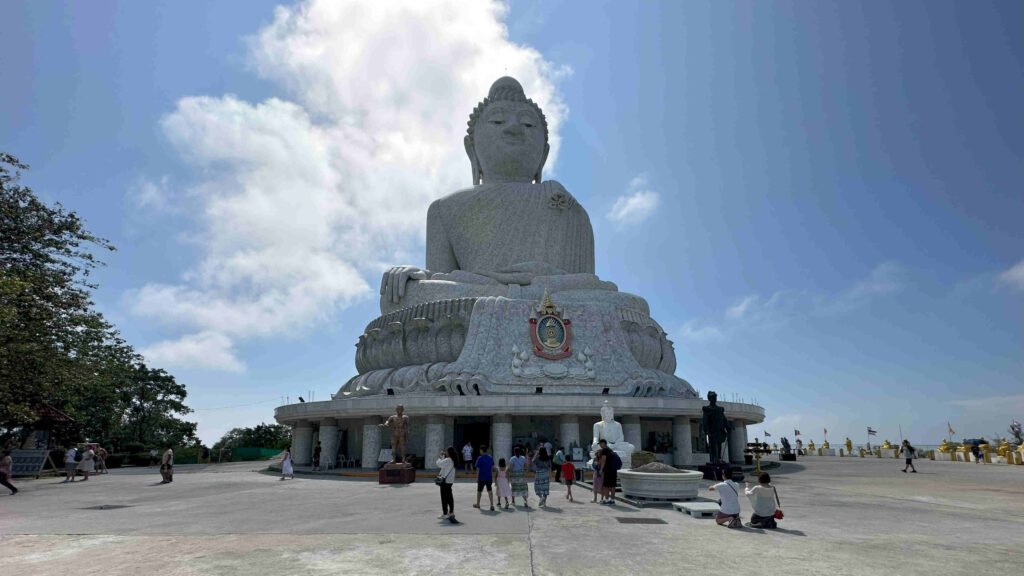
Phuket Big Buddha

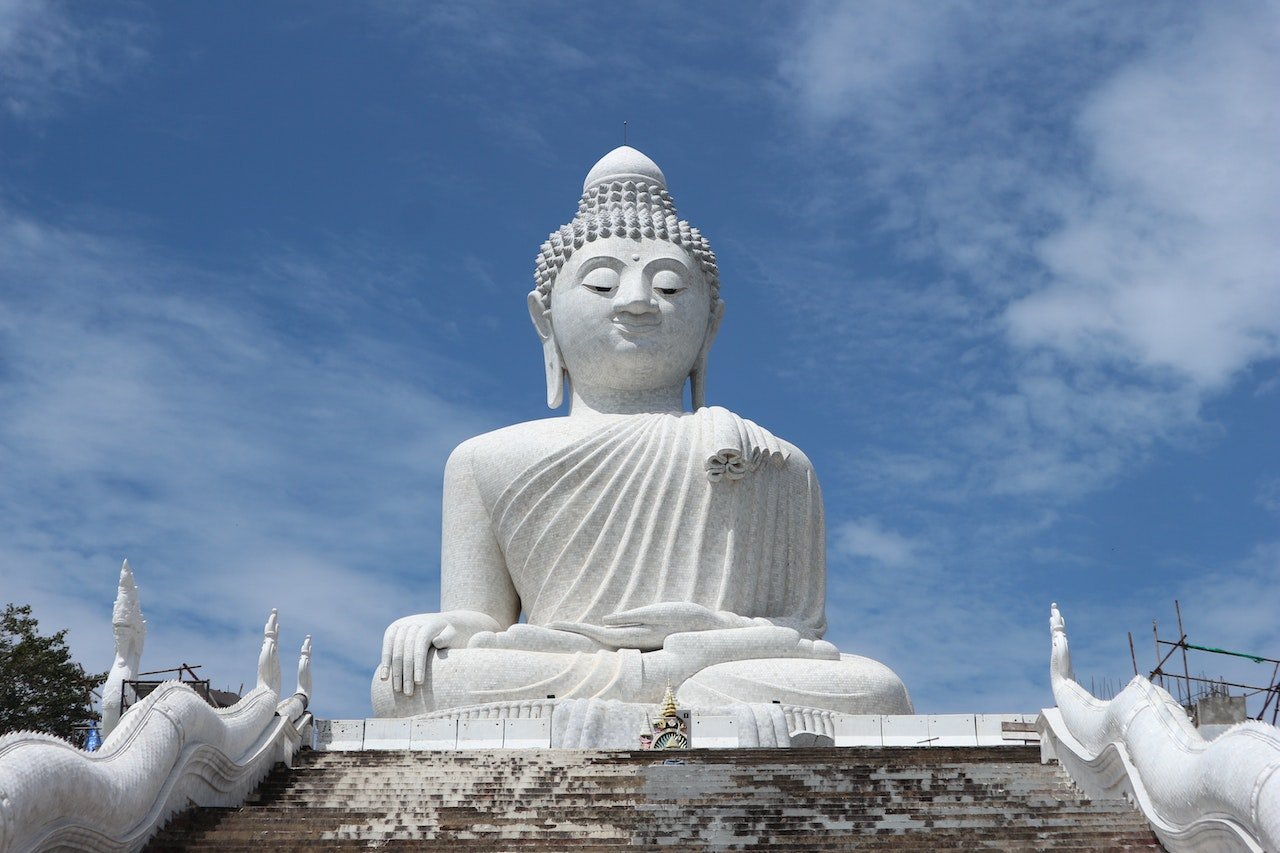
Phuket Big Buddha is one of the most iconic landmarks on the island. It is a 45-meter tall marble statue of the Buddha that sits on top of the Nakkerd Hills between Chalong and Kata. The statue was built in 2004 as a symbol of peace and faith for the people of Phuket. From the statue, you can enjoy panoramic views of the island, including Phuket Town, Kata, Karon, and Chalong Bay.

Phuket Big Buddha is open daily from 6 am to 7 pm and admission is free. You should dress modestly, covering your shoulders and knees, and remove your shoes before climbing up the stairs to the statue. You can also make a donation or buy souvenirs at the shops near the entrance. You can also write your name or a message on a small piece of metal that will be used to cover the statue.

Phuket Big Buddha is located near Chalong, about 10 km south of Phuket Town. You can get there by taxi, tuk-tuk, or motorbike. Alternatively, you can join a guided tour that includes Phuket Big Buddha and other attractions in Phuket.

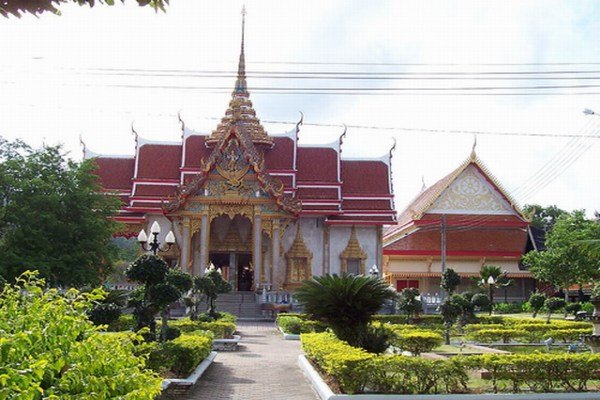
Wat Phra Thong

Wat Phra Thong is an ancient temple with a big legend. It is said that a boy found a golden Buddha image buried in the ground while plowing a field with his buffalo. He tried to dig it out but only managed to expose half of it. He then fell ill and died shortly after. The villagers believed that the image was cursed and left it alone. Later, a Burmese army tried to steal it but failed as well. The image was then covered with plaster and left as it is until today.

Wat Phra Thong is open daily from 8 am to late afternoon and admission is free. You should dress modestly, covering your shoulders and knees, and remove your shoes before entering the temple hall where the image is displayed. You can also make a donation or buy amulets at the temple grounds.

Wat Phra Thong is located in Thalang, about 20 km north of Phuket Town. You can get there by taxi, tuk-tuk, or motorbike. Alternatively, you can join a guided tour that includes Wat Phra Thong and other attractions in Phuket.

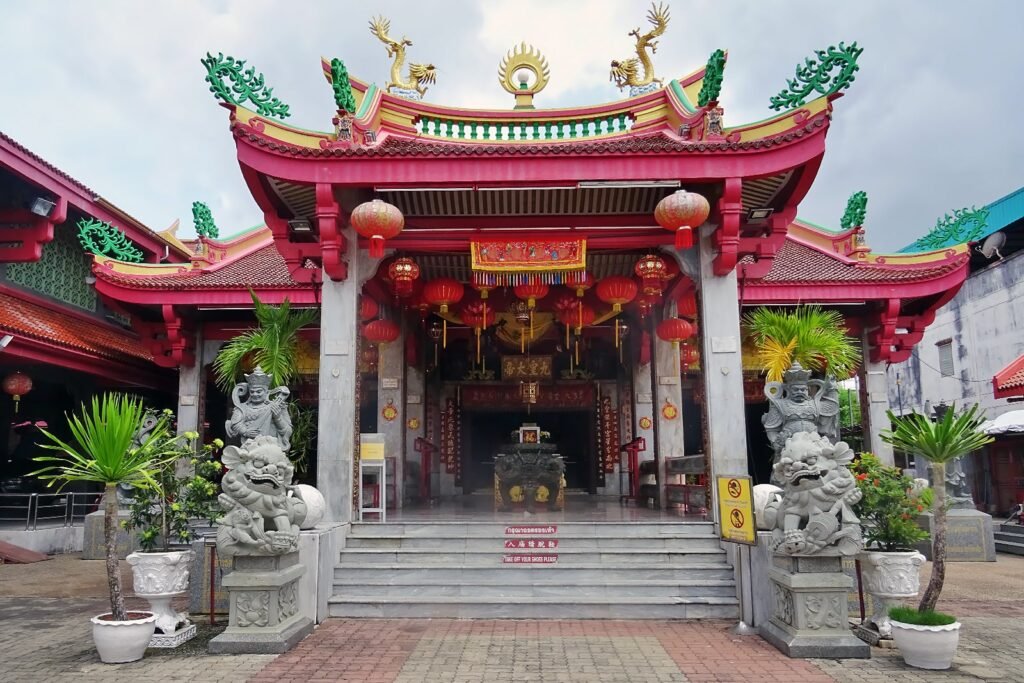
Jui Tui Shrine

Jui Tui Shrine is a popular Chinese shrine that plays a pivotal role in the annual Phuket Vegetarian Festival. The shrine was originally built in 1911 as a place of worship for Chinese immigrants who worked in tin mines. The shrine is dedicated to Tean Hu Huan Soy (Kiew Ong Tai Teh), the god of performing arts and dancing. The shrine features colorful decorations, lanterns, statues, and altars.

Jui Tui Shrine is open daily from 7 am to 5 pm and admission is free. You should dress modestly, covering your shoulders and knees, and remove your shoes before entering the shrine. You can also make a donation or buy incense and candles to offer to the gods. You can also consult the oracle sticks or the fortune tellers at the shrine.

Jui Tui Shrine is located in Phuket Town, near the fresh market. You can get there by taxi, tuk-tuk, or motorbike. Alternatively, you can join a guided tour that includes Jui Tui Shrine and other attractions in Phuket.

Phuket is not only a place for sun, sea, and sand, but also a place for spirituality, culture, and history. Visiting some of the temples in Phuket can give you a deeper insight into the local beliefs and traditions, as well as a chance to admire the architecture and art of the sacred sites. Whether you are a religious person or not, you can find peace and inspiration in these temples. Just remember to respect the rules and etiquette of the temples and enjoy your visit.

October 1, 2023 0 comments
0 FacebookTwitterPinterestEmail
AsiaDestinationsThailandTransportationTravel Tips

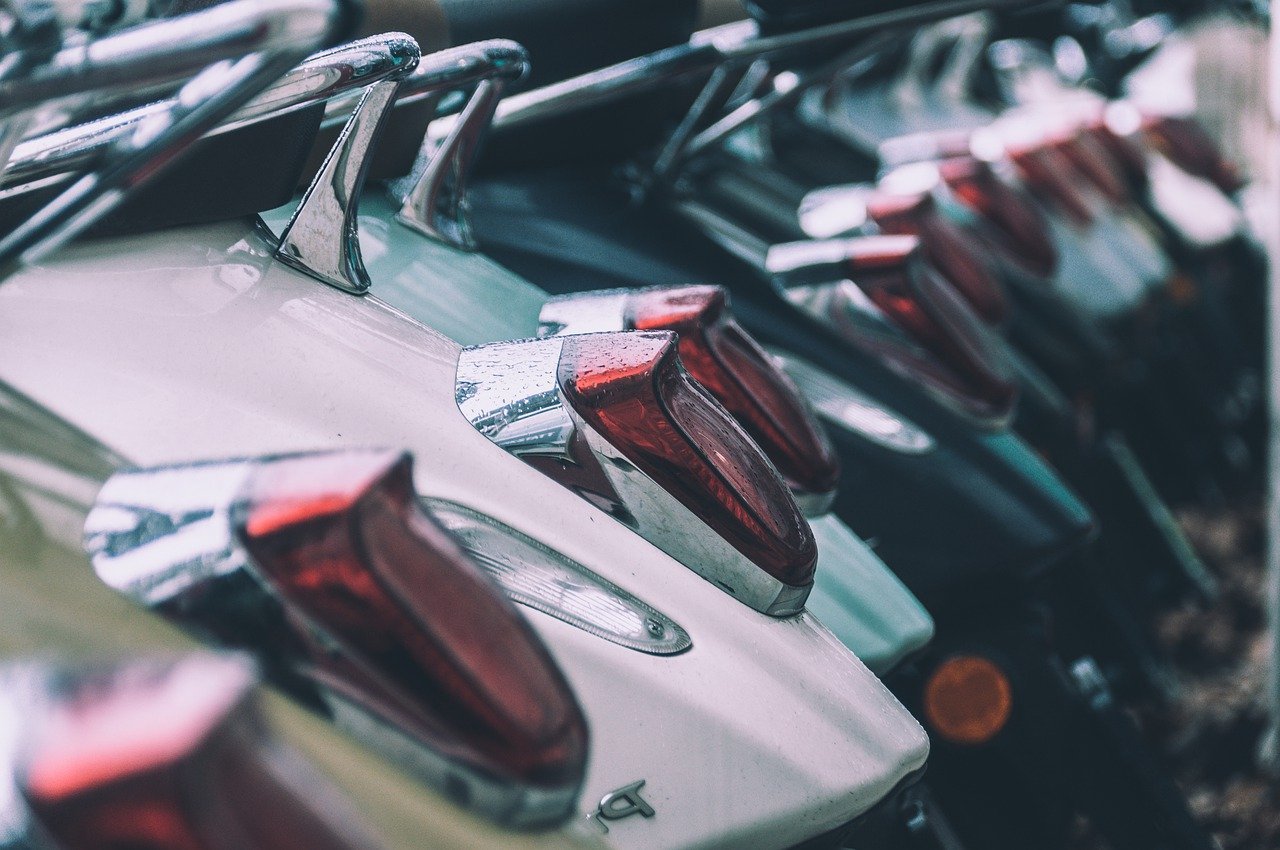
Scooter or Car: Which One to Rent in Phuket?

by Travel Geek October 1, 2023
written by Travel Geek

Phuket is one of the most popular tourist destinations in Thailand, offering beautiful beaches, stunning scenery, rich culture, and vibrant nightlife. However, getting around the island can be a challenge, especially during the peak season when traffic jams are common. Therefore, many visitors opt to rent a vehicle to explore Phuket at their own pace and convenience.

But what kind of vehicle should you rent? A scooter or a car? Both options have their pros and cons, depending on your budget, preferences, and travel plans. In this article, we will compare the advantages and disadvantages of renting a scooter vs renting a car in Phuket, and help you decide which one suits you best.

Advantages of Renting a Scooter in Phuket

  • Affordability: Renting a scooter in Phuket is very cheap, with prices starting from 150 baht per day. You can also save money on gas, as scooters are very fuel-efficient and can run for long distances with little consumption. Moreover, parking fees are usually free or minimal for scooters, unlike cars that may require paying for parking lots or garages.
  • Flexibility: Renting a scooter in Phuket gives you more freedom and flexibility to explore the island at your own pace and schedule. You can easily access narrow streets, hidden beaches, and local attractions that may be difficult or impossible to reach by car. You can also avoid the traffic jams that often plague the main roads and highways in Phuket, especially during the peak season. Scooters are also easier to park and maneuver than cars, which can be a hassle in crowded areas.
  • Fun: Renting a scooter in Phuket can be a fun and exciting way to experience the island’s beauty and culture. You can enjoy the fresh air, the scenic views, and the thrill of riding on two wheels. You can also interact more with the locals and other travelers, as scooters are very common and popular in Thailand. Riding a scooter can also give you a sense of adventure and independence, as you can discover new places and create your own itinerary.

Disadvantages of Renting a Scooter in Phuket

  • Safety: Renting a scooter in Phuket can be very risky, as Thailand has one of the highest rates of road accidents and fatalities in the world. Many drivers in Phuket do not follow the traffic rules or respect the right of way, making the roads chaotic and dangerous. Moreover, many scooter renters are inexperienced or reckless drivers who do not wear helmets or protective gear, increasing their chances of getting injured or killed in case of an accident. If you are not confident or skilled enough to ride a scooter, this is not the place to learn.
  • Legal: Renting a scooter in Phuket can also expose you to legal problems if you do not have the proper documents or insurance. To legally ride a scooter in Phuket, you need an International Driving Permit (IDP) that is valid for Thailand. You can obtain one from your home country before your trip or from the International Drivers Association online. However, many scooter rental shops do not check or require an IDP, which may seem convenient but can cause trouble if you get stopped by the police or involved in an accident. You may face fines, penalties, or even jail time if you are caught driving without an IDP. Furthermore, most scooter rental shops do not offer insurance or roadside assistance for their customers, leaving you liable for any damages or injuries that may occur while using their scooters. You may also fall victim to scams or frauds by unscrupulous rental shops that may charge you for repairs or new tires that you did not cause.
  • Comfort: Renting a scooter in Phuket may not be very comfortable or convenient for some travelers who prefer more space and amenities. Scooters are not suitable for long-distance trips or carrying heavy luggage, as they have limited storage capacity and endurance. They are also not ideal for traveling with children or elderly people who may need more safety and comfort. Moreover, scooters do not protect you from the weather elements such as rain, sun, wind, or dust that may affect your health or enjoyment.

Advantages of Renting a Car in Phuket

  • Safety: Renting a car in Phuket is safer than renting a scooter, as cars offer more protection and stability on the road. Cars have seat belts, airbags, brakes, lights, and other features that can reduce the impact or severity of an accident. Cars are also more visible and respected by other drivers than scooters, which may be ignored or overlooked on the road. Moreover, cars allow you to travel with more passengers and luggage, which can be helpful in case of an emergency or a breakdown.
  • Comfort: Renting a car in Phuket is more comfortable and convenient than renting a scooter, as cars offer more space and amenities. Cars have air conditioning, radio, GPS, and other features that can make your trip more enjoyable and relaxing. Cars also protect you from the weather elements such as rain, sun, wind, or dust that may affect your health or enjoyment. Moreover, cars allow you to travel with more passengers and luggage, which can be useful for families or groups who want to share the cost and experience.
  • Range: Renting a car in Phuket gives you more range and options to explore the island and beyond. Cars can travel faster and farther than scooters, allowing you to cover more ground and visit more places in less time. Cars can also access more roads and highways than scooters, which may be restricted or prohibited on some routes. Furthermore, cars can take you to other destinations outside Phuket, such as Krabi, Phang Nga, or Khao Lak, which may be too far or difficult to reach by scooter.

Disadvantages of Renting a Car in Phuket

  • Cost: Renting a car in Phuket is more expensive than renting a scooter, as cars have higher rental fees and maintenance costs. You can expect to pay around 1,000 baht per day for a basic car rental in Phuket, which is about six times more than a scooter rental. You also have to pay for gas, which is more expensive and consumed faster by cars than scooters. Moreover, parking fees are usually higher or mandatory for cars than scooters, especially in popular or crowded areas.
  • Traffic: Renting a car in Phuket can be frustrating and stressful due to the traffic congestion and chaos on the road. Phuket has limited road infrastructure and public transportation, making the roads overcrowded and prone to jams during the peak season. Driving a car in Phuket can be challenging and exhausting, as you have to deal with aggressive drivers, erratic motorcyclists, pedestrians, animals, and other obstacles on the road. You may also waste a lot of time and gas stuck in traffic or looking for parking spaces.
  • Availability: Renting a car in Phuket may not be easy or convenient for some travelers who do not have prior reservations or arrangements. Car rental shops are not as common or accessible as scooter rental shops in Phuket, which are everywhere and easy to find. You may have to book your car rental online or at the airport before your trip, which may limit your choices or flexibility. You may also have to pay a deposit or provide a credit card for your car rental, which may not be possible or preferable for some travelers.

Renting a scooter vs renting a car in Phuket is a personal decision that depends on your budget, preferences, and travel plans. Both options have their pros and cons that you should weigh carefully before making your choice.

If you are looking for a cheap and flexible way to explore Phuket at your own pace and schedule, renting a scooter may be the best option for you. However, you should be aware of the safety and legal risks involved in renting a scooter in Phuket, and make sure that you have the proper documents and insurance. You should also be confident and skilled enough to ride a scooter in Phuket’s chaotic traffic conditions.

If you are looking for a safe and comfortable way to explore Phuket and beyond with more passengers and luggage, renting a car may be the best option for you. However, you should be prepared to pay more for your car rental and gas expenses, and deal with the traffic congestion and chaos on the road. You should also book your car rental online or at the airport before your trip, and provide a deposit or credit card for your car rental.

Whatever option you choose, renting a vehicle in Phuket can enhance your travel experience and allow you to discover more of the island’s beauty and culture. We hope that this article has helped you decide which one suits you best. Have a great trip!

October 1, 2023 0 comments
0 FacebookTwitterPinterestEmail
scooter in thailand
AsiaDestinationsThailandTransportationTravel Tips

Ultimate Guide to Scooter Rental in Thailand

by Travel Geek September 30, 2023
written by Travel Geek

Thailand is a beautiful country with many attractions and activities to offer. One of the best ways to explore Thailand is by renting a scooter, which gives you the freedom and flexibility to travel at your own pace and discover hidden gems. However, renting a scooter in Thailand can also be a daunting task, especially if you are not familiar with the process and the rules. In this article, we will guide you through the steps of renting a scooter in Thailand, from choosing a reliable rental shop to returning the scooter and getting your deposit back. We will also provide you with some tips and advice on how to ride safely and enjoyably in Thailand.

Step 1: Choose a reliable scooter rental shop.

The first thing you need to do is to find a trustworthy and reputable scooter rental shop near your location. You can check the reviews on Facebook or Google to see what other customers have said about their experience. You can also ask your hotel or hostel staff for recommendations. Some of the factors you should consider when choosing a scooter rental shop are:

  • The quality and condition of the scooters
  • The price and payment options
  • The insurance and deposit policy
  • The customer service and support

Some examples of scooter rental shops in Phuket are Phuket Scooter Rental and Cheap as Chips Motorbike Rental, which have good ratings and reviews from previous customers.

Step 2: Contact the scooter rental shop and make a reservation.

Once you have chosen a scooter rental shop, you can contact them by phone, email, or online booking system to make a reservation. You can also visit the shop directly if you prefer. You should provide some basic information such as:

  • Your name and contact details
  • Your preferred scooter model and size
  • Your rental period and dates
  • Your pick-up and drop-off location

Some scooter rental shops offer free delivery and pick-up service to your hotel or resort, while others may charge a small fee. You should confirm the details and availability of this service with the shop before making a reservation.

Step 3: Prepare the necessary documents and deposit.

When you arrive at the scooter rental shop or meet the delivery person, you will need to fill out a rental agreement form and provide some documents and deposit. The documents you need to rent a scooter in Thailand are:

  • A valid passport or ID card
  • A valid driver’s license (either Thai or international)
  • A copy of your travel insurance policy (optional but recommended)

The deposit you need to pay is usually between 1,000 THB to 3,000 THB, depending on the scooter model and the rental shop’s policy. Some shops may accept cash, credit card, or PayPal as payment methods. The deposit is refundable when you return the scooter in good condition.

Step 4: Inspect the scooter and get a helmet.

Before you take off with your scooter, you should inspect it carefully and take photos of any existing damage or scratches. You should also check the fuel level, tire pressure, brakes, lights, horn, and mirrors. If you find any problem or defect, you should report it to the shop immediately and ask for a replacement or repair.

You should also get a helmet from the shop, as it is mandatory to wear one when driving a scooter in Thailand. The helmet should fit well and have a strap that can be fastened securely. You can also bring your own helmet if you have one.

Step 5: Enjoy your ride and follow the traffic rules.

Now that you have your scooter and helmet, you are ready to enjoy your ride and explore Thailand at your own pace. However, you should also be aware of the traffic rules and regulations in Thailand, such as:

  • Drive on the left side of the road
  • Obey the speed limits and traffic signs
  • Use indicators when turning or changing lanes
  • Wear a helmet at all times
  • Do not drink and drive
  • Do not use your phone while driving
  • Do not carry more than one passenger

You should also be careful of other road users, especially cars, buses, trucks, and pedestrians. You should avoid driving at night or in bad weather conditions, as the visibility and road conditions may be poor.

Step 6: Return the scooter and get your deposit back.

When your rental period is over, you should return the scooter to the same shop or location where you picked it up. You should also refill the fuel tank to the same level as when you received it. You should inspect the scooter again and take photos of any new damage or scratches that may have occurred during your rental period.

You should then hand over the keys and helmet to the shop staff or delivery person, who will check the scooter’s condition and mileage. If everything is fine, you will get your deposit back in full. If there is any damage or problem, you may have to pay for the repair or replacement costs.

Renting a scooter in Thailand can be a fun and rewarding experience, as long as you follow the steps and precautions outlined in this article. By choosing a reputable rental shop, preparing the necessary documents and deposit, inspecting the scooter and getting a helmet, following the traffic rules and regulations, and returning the scooter and getting your deposit back, you can ensure a smooth and hassle-free rental process. Renting a scooter in Thailand can also open up many possibilities for your travel, as you can explore places that are not accessible by public transportation or tour groups. We hope this article helps you rent a scooter in Thailand easily and safely. Have fun! 😊

September 30, 2023 0 comments
0 FacebookTwitterPinterestEmail
Travel InsuranceTravel Tips

Travel Insurance for Backpackers

by Travel Geek September 28, 2023
written by Travel Geek

Backpacking is a thrilling adventure that allows you to explore the world on a budget, experience different cultures, and make lasting memories. However, the unpredictability of travel means that mishaps and emergencies can occur. This is where travel insurance for backpackers becomes an essential tool for ensuring a safe and worry-free journey. In this comprehensive guide, we’ll delve into what backpackers need to know about travel insurance before embarking on their escapades.

Understanding the Backpacking Adventure

Backpacking is a unique style of travel, often characterized by its flexibility, budget-consciousness, and focus on experiencing the local culture and environment. Backpackers typically carry minimal belongings, use public transportation, stay in hostels or budget accommodations, and have a strong desire for exploration and adventure.

The Importance of Travel Insurance for Backpackers

Travel insurance is your safety net while on the road. It provides financial protection and peace of mind against various unforeseen events, including but not limited to medical emergencies, trip cancellations, travel delays, lost belongings, and personal liability. For backpackers, having appropriate travel insurance is crucial due to the nature of their journey and the potential risks associated with it.

Key Aspects of Travel Insurance for Backpackers

1. Medical Coverage:

  • Backpackers should prioritize comprehensive medical coverage, including emergency medical expenses and evacuation. Travel insurance should cover injuries, illnesses, hospitalization, and repatriation to your home country if needed.

2. Trip Cancellation and Interruption:

  • Coverage for trip cancellations and interruptions is essential, considering the flexibility of backpacking plans. This ensures reimbursement for pre-paid, non-refundable expenses if your trip is unexpectedly canceled or cut short.

3. Baggage and Belongings Protection:

  • Insurance that covers lost, stolen, or damaged belongings is vital for backpackers who carry their essentials in a backpack. It helps in recovering the cost of lost items during the trip.

4. Adventure Activities Coverage:

  • Backpackers often engage in adventure sports and activities. Ensure your insurance covers these activities to protect against accidents and injuries.

5. Travel Delays and Missed Connections:

  • Coverage for travel delays and missed connections is valuable, especially if you’re relying on tight schedules or connecting flights for your backpacking journey.

6. Personal Liability and Legal Assistance:

  • Comprehensive insurance should include personal liability coverage, protecting you in case of accidental harm to others. Legal assistance coverage is also beneficial for unforeseen legal issues in a foreign country.

Tips for Selecting the Right Travel Insurance

  1. Understand Your Itinerary: Assess the countries you’ll be visiting, the activities you plan to engage in, and the duration of your trip. Tailor your insurance to match your itinerary.

  2. Compare Policies: Compare multiple travel insurance policies, considering coverage, deductibles, limits, and exclusions. Choose a plan that aligns with your needs and budget.

  3. Read the Fine Print: Thoroughly read and understand the policy terms, conditions, and exclusions to avoid surprises during a claim. Ensure you know what is covered and what is not.

  4. Consider a Specialized Plan: If you plan to engage in specific adventure activities, consider specialized adventure travel insurance that caters to your requirements.

  5. Check Reviews and Ratings: Look for reviews and ratings of the insurance provider to ensure they have a good reputation for processing claims and providing assistance.

Travel insurance is an indispensable part of any backpacking journey. It offers peace of mind, financial protection, and assistance when faced with unexpected situations. Backpackers should carefully select a travel insurance plan that provides comprehensive coverage, aligning with their unique travel style and needs. Prioritize your safety and well-being by investing in the right travel insurance before you hit the road on your backpacking adventure. Happy travels!

September 28, 2023 0 comments
0 FacebookTwitterPinterestEmail
Travel InsuranceTravel Tips

How Travel Insurance Can Save Your Trip

by Travel Geek September 28, 2023
written by Travel Geek

Traveling is an exciting adventure, but it’s not without its share of unforeseen events and unexpected circumstances. From flight cancellations to medical emergencies, these incidents can disrupt your trip and lead to financial loss and emotional distress. This is where travel insurance steps in as a savior, offering protection and assistance when you need it the most. In this article, we’ll delve into real-life stories that highlight how travel insurance can save your trip and the valuable lessons we can learn from them.

The Lost Luggage Debacle

Sarah, an avid traveler, embarked on a dream vacation to Europe. However, upon arrival, her luggage went missing. Frustrated and worried, she contacted her travel insurance provider, who guided her on the necessary steps to file a claim. Thanks to her travel insurance’s baggage coverage, Sarah received reimbursement for the essentials she needed until her luggage was recovered. The incident emphasized the importance of baggage coverage in a travel insurance policy.

Always Prioritize Baggage Coverage

Baggage coverage is a vital aspect of travel insurance, offering compensation for lost, stolen, or damaged belongings during your trip. Ensure your travel insurance policy includes sufficient baggage coverage to minimize the impact of such unfortunate incidents.

The Medical Emergency in a Foreign Land

During a family vacation in Asia, Mark’s son fell seriously ill and needed immediate medical attention. Panicked and unfamiliar with the local healthcare system, Mark contacted the travel insurance helpline. The insurance provider guided him to the nearest reputable hospital, facilitated communication with the medical staff, and covered the medical expenses. The incident reinforced the necessity of comprehensive medical coverage in travel insurance.

Prioritize Comprehensive Medical Coverage

Medical emergencies can happen at any time and place. Having robust medical coverage in your travel insurance ensures that you receive the necessary care without worrying about the financial burden.

The Trip Cancellation Dilemma

Lucy and James were all set for a luxurious cruise vacation, but an unexpected family emergency forced them to cancel their trip at the last minute. Disheartened by the thought of losing the entire cost of the cruise, they remembered they had purchased travel insurance with trip cancellation coverage. After filing a claim and providing the required documentation, they received a reimbursement for the trip they couldn’t embark upon.

Value of Trip Cancellation Coverage

Life is unpredictable, and unforeseen circumstances can force trip cancellations. Trip cancellation coverage provides financial protection, allowing you to recover a portion of your pre-paid expenses.

The Flight Delay Nightmare

Tom had an important business meeting in another country. However, due to inclement weather, his flight was severely delayed. Concerned about missing his meeting and potential business opportunities, he contacted his travel insurance provider. They assisted him in rearranging his travel plans and reimbursed the additional expenses incurred due to the delay.

Understanding Travel Delay Coverage

Travel delays are inconvenient and can lead to additional costs. Travel insurance often covers these delays, providing compensation for meals, accommodations, and other necessary expenses during the delay.

These real-life stories vividly illustrate how travel insurance can be a lifesaver during your travels. Whether it’s protecting your belongings, ensuring access to quality healthcare, recovering trip costs, or assisting during travel delays, travel insurance plays a crucial role in ensuring a smoother and less stressful trip. Remember, investing in comprehensive travel insurance is an investment in a worry-free and enjoyable travel experience. Safe travels!

September 28, 2023 0 comments
0 FacebookTwitterPinterestEmail
AsiaDestinationsFood and DiningThailandTravel Tips

The Best Fruits in Thailand

by Travel Geek September 27, 2023
written by Travel Geek

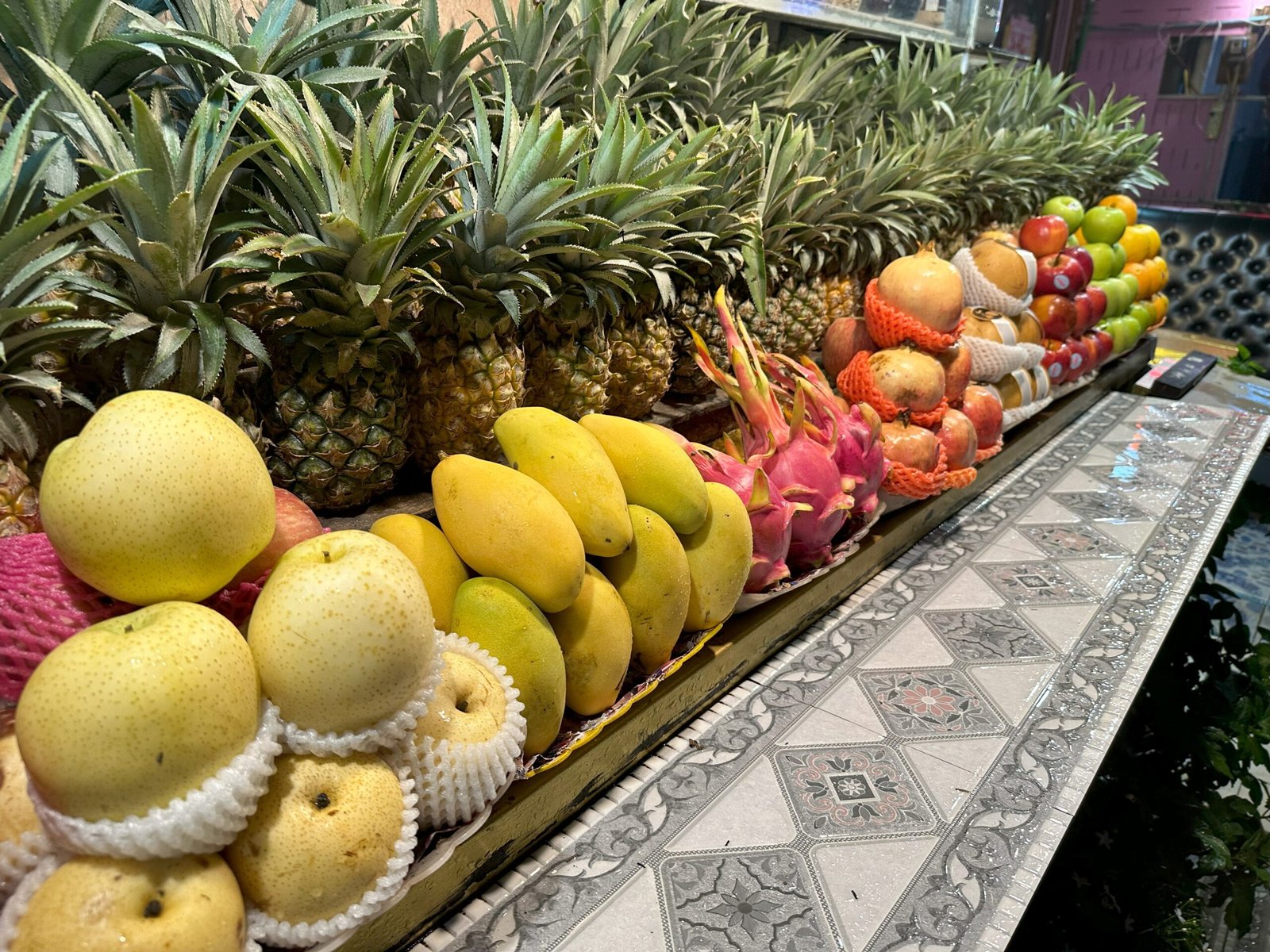
Thailand is a paradise for fruit lovers, as it offers a wide variety of tropical fruits that are juicy, sweet, and refreshing. Whether you are looking for a healthy snack, a refreshing drink, or a delicious dessert, you will find something that suits your taste buds in Thailand. Here are some of the best fruits to eat in Thailand and why you should buy them from local street vendors or hole-in-the-wall type of shops.

Mango

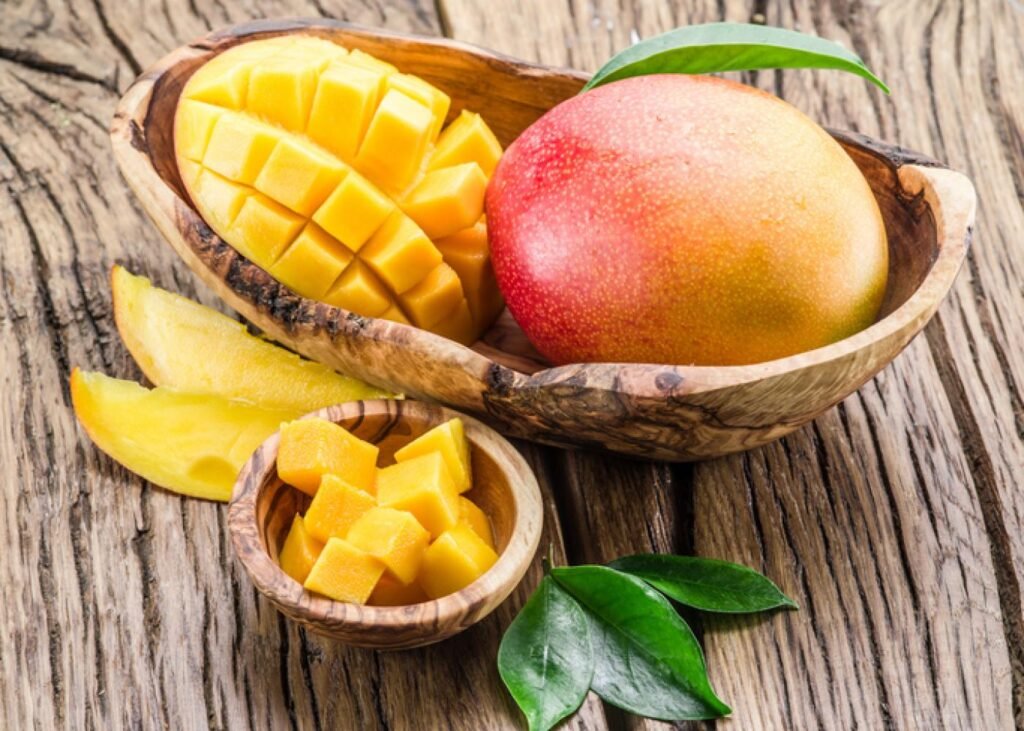
Mango is one of the most popular fruits in Thailand, and for good reason. It is rich in vitamin C, vitamin A, fiber, and antioxidants, and it has a sweet and fragrant flavor that can be enjoyed in many ways. You can eat it ripe and fresh, or unripe and sour with salt or sugar. You can also try the famous mango sticky rice, a dessert made with glutinous rice, coconut milk, and sliced mango. Or you can have a mango smoothie, juice, or ice cream to cool off on a hot day.

The best place to buy mangoes in Thailand is from local street vendors or hole-in-the-wall type of shops, where you can find them fresh and cheap. You can buy a whole mango for about 20 to 40 baht (0.60 to 1.20 USD), or a peeled and sliced one for about 10 to 20 baht (0.30 to 0.60 USD). You can also find mango sticky rice for about 40 to 60 baht (1.20 to 1.80 USD), or a mango smoothie for about 30 to 50 baht (0.90 to 1.50 USD).

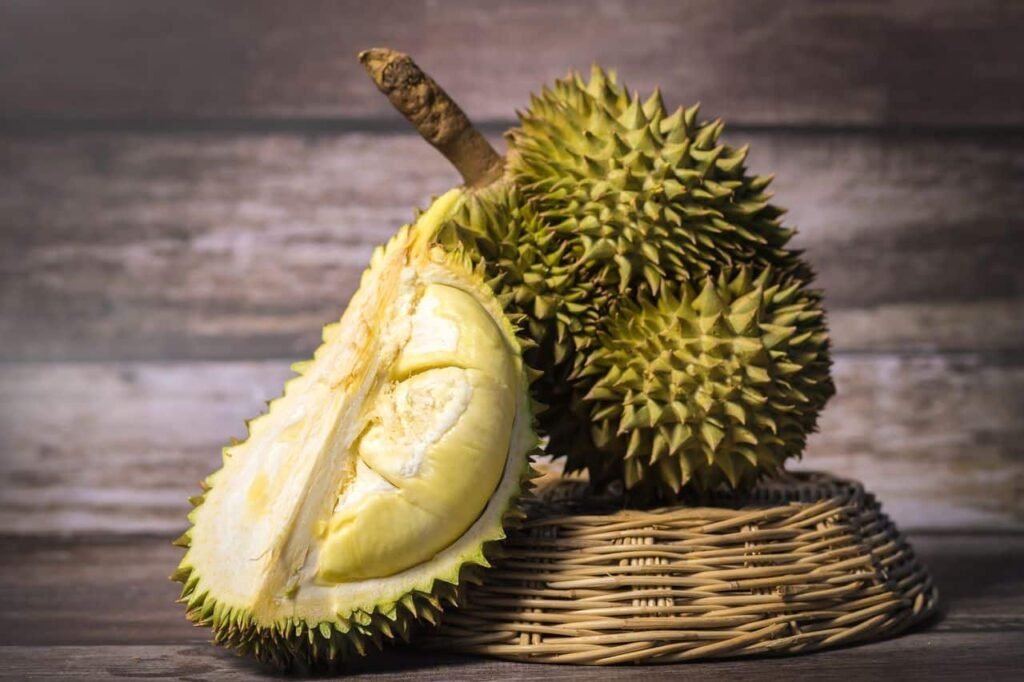
Durian

Durian is the most controversial fruit in Thailand, as it has a strong and pungent smell that some people love and some people hate. It is also known as the king of fruits, as it is large, spiky, and expensive. It has a creamy and custardy texture, and a sweet and savory flavor that can be addictive once you get used to it. It is high in calories, potassium, iron, and vitamin C, and it is said to have many health benefits such as improving digestion, boosting immunity, and enhancing mood.

The best place to buy durians in Thailand is from local street vendors or hole-in-the-wall type of shops, where you can find them fresh and ripe. You can buy a whole durian for about 200 to 400 baht (6 to 12 USD), depending on the size and variety. You can also buy a small bowl of prepared durian flesh for about 50 to 100 baht (1.50 to 3 USD). You can also try durian ice cream, cake, candy, or chips for about 20 to 40 baht (0.60 to 1.20 USD).

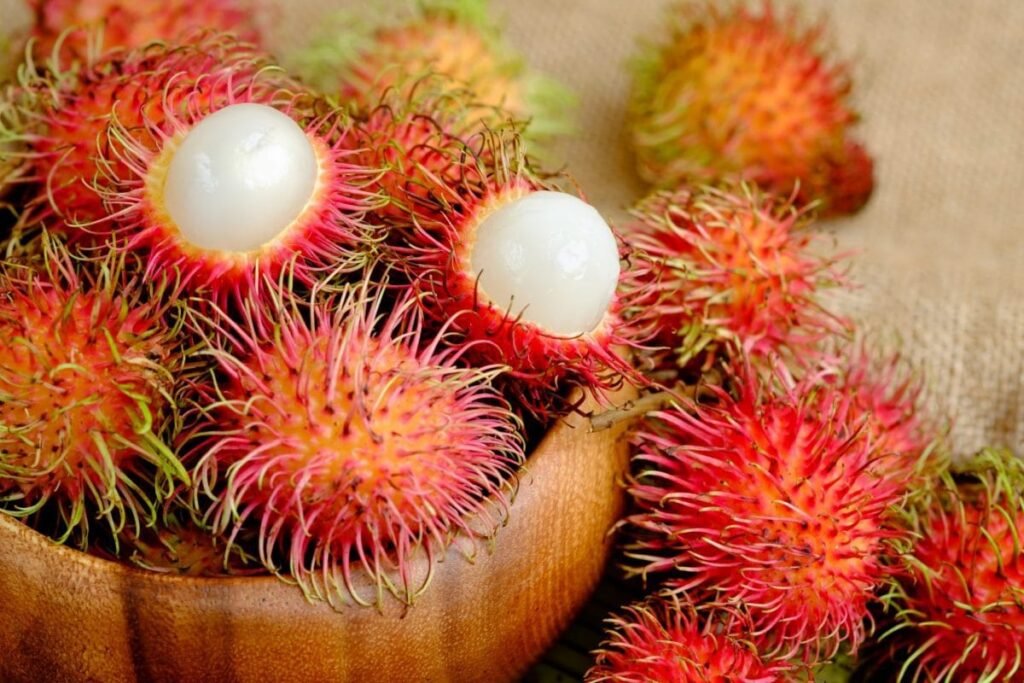
Rambutan

Rambutan is another exotic fruit in Thailand that has a hairy and colorful appearance. It is similar to lychee, but not as sweet or aromatic. It has a white and juicy flesh that surrounds a brown seed that should be discarded. It is low in calories, but high in vitamin C, manganese, copper, and iron. It is good for your skin, hair, bones, and blood.

The best place to buy rambutans in Thailand is from local street vendors or hole-in-the-wall type of shops, where you can find them fresh and cheap. You can buy a kilogram of rambutans for about 35 baht (1 USD), or a small bag of peeled ones for about 10 baht (0.30 USD). You can also find rambutan juice, jam, or salad for about 20 to 40 baht (0.60 to 1.20 USD).

Rose Apple

Rose apple is also known as wax apple or bell fruit because of its shape and appearance. It has a bright and shiny skin that can be green, red, or pink. It has a crunchy and watery flesh that has a mild and sweet flavor. It is low in calories, but high in vitamin C, vitamin A, calcium, and potassium. It is good for your eyesight, teeth, bones, and hydration.

The best place to buy rose apples in Thailand is from local street vendors or hole-in-the-wall type of shops, where you can find them fresh and cheap. You can buy a kilogram of rose apples for about 60 baht (1.80 USD), or a small bag of sliced ones for about 10 baht (0.30 USD). You can also find rose apple juice or vinegar for about 20 to 40 baht (0.60 to 1.20 USD).

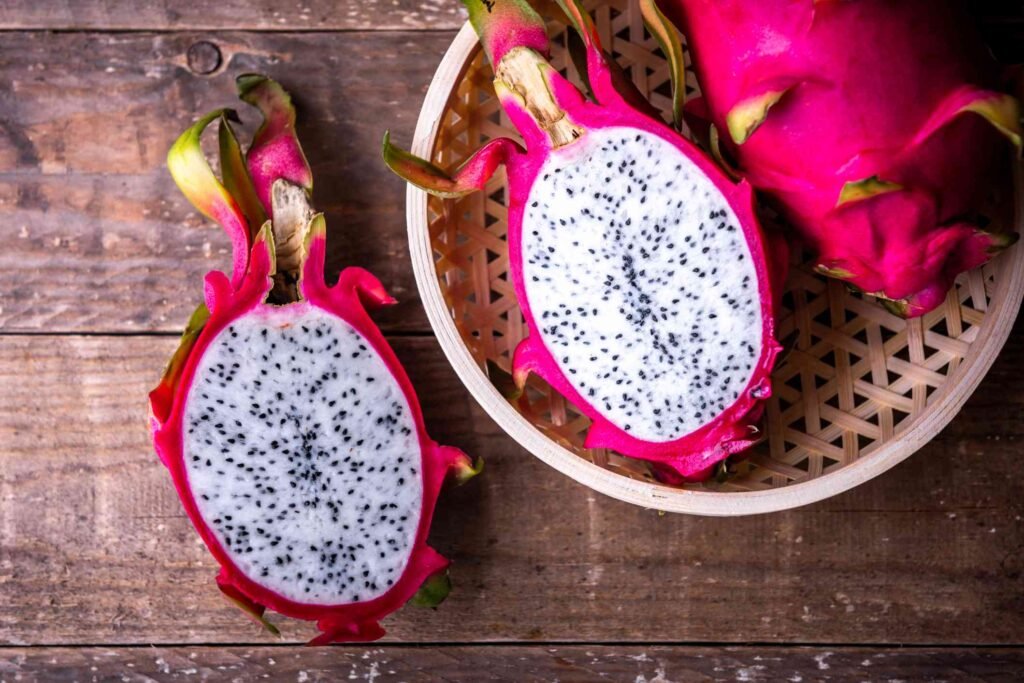
Dragon Fruit

Dragon fruit is a stunning fruit that has a bright pink or yellow skin with green scales and a white or red flesh with tiny black seeds. It has a mild and sweet flavor that is similar to a pear or a kiwi. It is high in vitamin C, fiber, iron, and antioxidants, and it has many health benefits such as improving immunity, digestion, skin health, and blood sugar control .

The best place to buy dragon fruit in Thailand is from local street vendors or hole-in-the-wall type of shops, where you can find them fresh and cheap. You can buy a whole dragon fruit for about 20 to 40 baht (0.60 to 1.20 USD), or a peeled and sliced one for about 10 to 20 baht (0.30 to 0.60 USD). You can also try dragon fruit smoothie, juice, yogurt, or salad for about 30 to 50 baht (0.90 to 1.50 USD).

Dragon fruit is also a great ingredient for making desserts, such as dragon fruit pudding, ice cream, cake, or pie. You can also make your own dragon fruit jam or syrup by cooking the pulp with sugar and lemon juice. Dragon fruit is a versatile and delicious fruit that you should not miss when you are in Thailand.

Why You Should Buy Fruits from Local Street Vendors or Hole-in-the-Wall Type of Shops

There are many benefits of buying fruits from local street vendors or hole-in-the-wall type of shops in Thailand, such as:

  • You can find a wider variety of fruits that are not available in supermarkets or convenience stores, such as mangosteen, longan, jackfruit, dragon fruit, and more.
  • You can find fresher and riper fruits that are harvested and sold on the same day, unlike the ones that are stored and transported for long periods of time.
  • You can find cheaper and more reasonable prices that are based on the season and supply, unlike the ones that are marked up for tourists or middlemen.
  • You can support the local farmers and vendors who rely on selling fruits for their livelihood, and contribute to the local economy and culture.

Thailand is a great place to enjoy a variety of tropical fruits that are delicious, nutritious, and refreshing. You can find them easily and cheaply from local street vendors or hole-in-the-wall type of shops, where you can also experience the authentic Thai culture and hospitality. The next time you visit Thailand, don’t miss the chance to try some of these amazing fruits and discover their flavors and benefits.

September 27, 2023 0 comments
0 FacebookTwitterPinterestEmail
AsiaDestinationsThailand

Phuket: A Tropical Paradise with Diverse Weather and Seasons

by Travel Geek September 27, 2023
written by Travel Geek

Phuket is a popular destination for sun-seekers and beach lovers, but it also offers a variety of attractions and activities for all kinds of travelers. Whether you are looking for culture, adventure, nature, or relaxation, you will find something that suits your taste and budget in Phuket. However, before you plan your trip, you should know that Phuket has different weather and seasons throughout the year, and each one has its own advantages and disadvantages. Here is a guide to help you choose the best time to visit Phuket according to your preferences and expectations.

The Dry Season: November to February

The dry season is the most favorable time to visit Phuket in terms of weather. This is when the northeast monsoon brings cool and dry air from the Asian continent, resulting in a slight drop in temperature and humidity. The average temperature ranges from 26°C (79°F) to 29°C (84°F), and the rainfall is minimal. The sky is clear and blue, the sea is calm and turquoise, and the breeze is gentle and refreshing. This is the ideal time to enjoy the beautiful beaches and islands of Phuket, as well as outdoor activities such as snorkeling, diving, kayaking, hiking, golfing, and sightseeing.

However, the dry season is also the peak season for tourism in Phuket, which means that the island is crowded with visitors from all over the world. The prices of hotels, flights, tours, and other services are at their highest, and the availability is limited. You may need to book well in advance to secure your accommodation and transportation. You may also encounter traffic jams, long queues, noisy bars, and littered beaches. If you are looking for a quiet and peaceful vacation, you may want to avoid this period or choose less popular areas of the island.

The Hot Season: March to April

The hot season is the transition period between the dry season and the rainy season. This is when the temperature and humidity start to rise, reaching their highest levels of the year. The average temperature ranges from 27°C (80°F) to 29°C (85°F), but it can feel much hotter due to the high moisture in the air. The rainfall is moderate, but it can be unpredictable. Sometimes it rains heavily for a few hours or days, while other times it stays dry for weeks. The sky is often cloudy or hazy, and the sea can be choppy or calm depending on the wind direction.

The hot season is not the most comfortable time to visit Phuket in terms of weather, but it can still be enjoyable if you are prepared for the heat and humidity. You should drink plenty of water, wear light clothing, use sunscreen and hat, and avoid strenuous activities during midday. You can also cool off by swimming in the pool or the sea, or by visiting air-conditioned places such as malls, cinemas, museums, or spas. The hot season is also a good time to experience some of the local festivals and events that take place in Phuket, such as Songkran (the Thai New Year), Chakri Day (the anniversary of the founding of the Chakri dynasty), or Turtle Release Fair (a conservation program that releases baby turtles into the sea).

The hot season is also a low season for tourism in Phuket, which means that there are fewer visitors on the island. The prices of hotels, flights, tours, and other services are lower than in the peak season, and the availability is higher. You can find some great deals and discounts if you shop around or negotiate. You can also enjoy more space and privacy on the beaches and islands of Phuket, as well as less traffic and noise on the roads and streets. If you are looking for a budget-friendly and hassle-free vacation, you may want to consider this period or choose more remote areas of the island.

The Rainy Season: May to October

The rainy season is the most challenging time to visit Phuket in terms of weather. This is when the southwest monsoon brings warm and moist air from the Indian Ocean, resulting in heavy rainfall and strong winds. The average temperature ranges from 27°C (80°F) to 28°C (82°F), but it can feel cooler or warmer depending on the rain intensity and duration. The rainfall is abundant, averaging about 2500 mm (100 inches) per year. It usually rains at night or in the early morning, but sometimes it lasts until noon or all day long. The sky is dark and gloomy, the sea is rough and murky, and the wind is gusty and stormy.

The rainy season is not the most pleasant time to visit Phuket in terms of weather, but it can still be worthwhile if you are flexible and adventurous. You should pack a raincoat, an umbrella, and waterproof shoes, and be ready to change your plans according to the weather conditions. You can also take advantage of the indoor activities and attractions that Phuket has to offer, such as shopping, dining, entertainment, culture, or wellness. The rainy season is also a good time to explore the natural beauty and diversity of Phuket, such as the rainforest, the waterfalls, the wildlife, or the flowers.

The rainy season is also a very low season for tourism in Phuket, which means that there are very few visitors on the island. The prices of hotels, flights, tours, and other services are at their lowest, and the availability is at its highest. You can find some amazing bargains and offers if you are willing to take the risk of bad weather. You can also enjoy the most solitude and tranquility on the beaches and islands of Phuket, as well as the most authentic and friendly interaction with the locals. If you are looking for a cheap and quiet vacation, you may want to try this period or choose more secluded areas of the island.

As you can see, there is no definitive answer to the question of when is the best time to visit Phuket. It depends on what you are looking for and what you are willing to accept. Each season has its pros and cons, and each traveler has their own preferences and expectations. The best way to decide is to do your research, compare your options, and weigh your priorities. Whatever you choose, you will surely have a memorable and enjoyable experience in Phuket.

September 27, 2023 0 comments
0 FacebookTwitterPinterestEmail
Things to Do on a Rainy Day in Phuket
AsiaDestinationsThailand

Things to Do on a Rainy Day in Phuket

by Travel Geek September 27, 2023
written by Travel Geek

Phuket is a popular destination for sun-seekers and beach lovers, but what if the weather is not cooperating? Don’t worry, there are still plenty of things to do on a rainy day in Phuket that will keep you entertained and happy. Here are some of the best activities to enjoy when the sky is grey and the rain is pouring.

1. Get a Spa Treatment

One of the most relaxing and indulgent things to do on a rainy day in Phuket is to get a spa treatment. Thailand is famous for its massages and wellness services, and Phuket has many options to choose from. You can pamper yourself with a traditional Thai massage, a soothing aromatherapy session, a rejuvenating facial, or a luxurious manicure and pedicure. Some of the best spas in Phuket are the Banyan Tree Spa, the Oasis Spa, and the Coqoon Spa. You can also find many affordable and convenient massage shops around the island, especially in Patong, Kata, and Karon.

2. Shop, Eat and Have Fun at Jungceylon

If you are looking for some retail therapy and entertainment, head to Jungceylon Shopping Center in Patong. This is the largest and most modern mall in Phuket, with over 200 shops, restaurants, cafes, and bars. You can find everything from international brands to local souvenirs, from fast food to fine dining, from coffee shops to cocktail bars. Jungceylon also has a cinema, a bowling alley, a laser tag arena, an arcade, and a water park. You can easily spend hours here without getting bored.

3. Visit the Upside Down House and Maze

For something quirky and fun, check out the Upside Down House and Maze near Phuket Town. This attraction features a three-story house that is inverted, with furniture and objects hanging from the ceiling. You can walk inside and take some hilarious photos that will make you look like you are defying gravity. Next to the house is a garden maze that will challenge your sense of direction and logic. You can also try the escape rooms inside the house, where you have to solve puzzles and clues to get out within a time limit.

4. Explore Old Phuket Town

If you want to learn more about the history and culture of Phuket, take a stroll around Old Phuket Town. This area is rich in heritage and architecture, with colorful Sino-Portuguese buildings, temples, museums, and art galleries. You can admire the beautiful facades of the old shophouses, visit the Thalang National Museum or the Thai Hua Museum, see some street art at Soi Romanee, or shop for antiques at Thalang Road. You can also stop by a local restaurant or cafe for some delicious food and drinks.

5. Watch a Movie

Another classic thing to do on a rainy day in Phuket is to watch a movie at one of the cinemas on the island. You can catch the latest Hollywood blockbusters or Thai films at SF Cinema City in Jungceylon or SFX Coliseum Cinema in Central Festival. Both cinemas have comfortable seats, large screens, and good sound systems. You can also opt for a VIP experience at SFX First Class Cinema, where you can watch a movie in bed with a blanket and a pillow.

6. Enjoy Some Indoor Activities

If you are feeling adventurous and energetic, you can try some indoor activities that will get your adrenaline pumping. You can go surfing at Surf House Phuket, where you can ride an artificial wave on a surfboard or a bodyboard. You can go karting at Patong Go-Kart Speedway, where you can race around a track with different levels of difficulty. You can go ziplining at Flying Hanuman, where you can glide through the rainforest canopy on cables and platforms. Or you can go bungee jumping at Jungle Bungy Jump, where you can plunge into a lagoon from a height of 50 meters.

7. Visit an Aquarium or an Animal Sanctuary

If you love animals and nature, you can visit an aquarium or an animal sanctuary on a rainy day in Phuket. You can see hundreds of marine creatures at Phuket Aquarium, where you can walk through an underwater tunnel and watch sharks, rays, turtles, and fish swim above you. You can also feed some fish at the touch pool or watch a sea turtle release program. You can also interact with some rescued animals at Phuket Elephant Sanctuary, where you can feed, bathe, and walk with the gentle giants. Or you can cuddle with some furry friends at Soi Dog Foundation, where you can volunteer to help the stray dogs and cats.

8. Experience the Local Culture

If you want to immerse yourself in the local culture, you can visit some of the temples and shrines on the island. You can admire the stunning architecture and statues of Wat Chalong, the largest and most revered temple in Phuket. You can also see the Big Buddha, a 45-meter tall white marble statue that overlooks the island from a hilltop. You can also pay your respects at Jui Tui Shrine, a Chinese temple that hosts the famous Vegetarian Festival every year.

As you can see, there are many things to do on a rainy day in Phuket that will make your holiday memorable and enjoyable. Whether you want to relax, shop, have fun, learn, or explore, you will find something that suits your mood and interests. Don’t let the rain ruin your vacation, embrace it and discover the other side of Phuket.

September 27, 2023 0 comments
0 FacebookTwitterPinterestEmail
Newer Posts
Older Posts

Follow Us

Facebook Twitter Instagram Pinterest Youtube Tiktok

Recent Posts

  • Asia Fuel Crisis 2026: Should You Cancel Your Travel Plans?

    March 31, 2026
  • Guide to Crossing the Thailand-Laos Border via Friendship Bridge IV

    March 28, 2026
  • How to See the Best of Nizwa, Oman in One Day

    March 27, 2026
  • Is Cancel For Any Reason (CFAR) Travel Insurance Worth It?

    March 26, 2026
  • What to Pack: 7 Travel Items That Actually Matter in 2026

    March 25, 2026

Categories

  • Destinations (77)
    • Africa (7)
      • Egypt (2)
      • Kenya (2)
      • Morocco (3)
      • Namibia (1)
      • Rwanda (1)
      • South Africa (2)
      • Tanzania (1)
      • Zambia (1)
    • Asia (66)
      • Bhutan (1)
      • Cambodia (1)
      • China (2)
      • Indonesia (7)
      • Laos (1)
      • Malaysia (2)
      • Maldives (1)
      • Nepal (2)
      • Thailand (58)
      • Turkmenistan (1)
      • Vietnam (3)
    • Europe (12)
      • Bulgaria (1)
      • Croatia (1)
      • Georgia (3)
      • Greece (2)
      • Iceland (1)
      • Ireland (1)
      • Italy (1)
      • Montenegro (1)
      • Norway (1)
      • Portugal (2)
      • Scotland (1)
      • Spain (1)
      • Switzerland (1)
      • Turkey (5)
    • Middle East (5)
      • Jordan (1)
      • Oman (1)
      • UAE (2)
    • North America (5)
      • Canada (1)
      • Mexico (1)
      • USA (4)
    • Oceania (3)
      • Australia (1)
      • New Zealand (2)
    • South America (7)
      • Argentina (1)
      • Bolivia (2)
      • Chile (4)
      • Costa Rica (3)
      • Dominica (1)
      • Ecuador (1)
      • Peru (2)
  • Travel Gear (64)
    • Clothing (15)
    • Luggage (10)
    • Photography Gear (7)
    • Security Gear (8)
    • Travel Accessories (21)
    • Travel Electronics (10)
  • Travel Tips (217)
    • Budget Travel (42)
    • Family Travel (35)
    • Food and Dining (16)
    • Health and Wellness (48)
    • Luxury Travel (24)
    • Packing (12)
    • Safety (19)
    • Solo Travel (33)
    • Sustainable Travel (12)
    • Transportation (45)
    • Travel Insurance (14)
    • Visa and Immigration (13)

Subscribe to our newsletter and be the first to know about our latest and greatest news, exclusive offers, and funny cat videos (yes, we promise to include those too)..

We don’t spam! Read our privacy policy for more info.

You’ve been successfully subscribed to our newsletter!

  • About Us
  • Destinations
  • Travel Tips
  • Travel Gear
  • Contact Us
  • Terms and Conditions
  • Privacy policy
  • Refund and Cancelation Policy

© Copyright 2026 FitcationHQ

FitcationHQ
FitcationHQ
  • Home
  • Travel Planning
  • Destinations
    • Africa
      • Egypt
      • Kenya
      • Morocco
      • Mozambique
      • Namibia
      • Rwanda
      • South Africa
      • Tanzania
    • Asia
      • Bhutan
      • Cambodia
      • China
      • Indonesia
      • Laos
      • Malaysia
      • Maldives
      • Nepal
      • Thailand
      • Turkmenistan
    • Europe
      • Bulgaria
      • Croatia
      • Georgia
      • Greece
      • Iceland
      • Ireland
      • Italy
      • Montenegro
      • Norway
      • Portugal
      • Scotland
      • Turkey
    • Middle East
      • Jordan
      • UAE
    • North America
      • Canada
      • USA
    • Oceania
      • New Zealand
    • South America
      • Argentina
      • Bolivia
      • Chile
      • Costa Rica
      • Ecuador
      • Peru
  • Travel Tips
    • Budget Travel
    • Family Travel
    • Food and Dining
    • Health and Wellness
    • Luxury Travel
    • Packing
    • Safety
    • Solo Travel
    • Transportation
    • Travel Insurance
    • Sustainable Travel
    • Visa and Immigration
  • Travel Gear
    • Luggage
    • Clothing
    • Photography Gear
    • Security Gear
    • Travel Accessories
    • Travel Electronics

Shopping Cart

Close

No products in the cart.

Close