
FitcationHQ
  • Home
  • Travel Planning
  • Destinations
    • Africa
      • Egypt
      • Kenya
      • Morocco
      • Mozambique
      • Namibia
      • Rwanda
      • South Africa
      • Tanzania
    • Asia
      • Bhutan
      • Cambodia
      • China
      • Indonesia
      • Laos
      • Malaysia
      • Maldives
      • Nepal
      • Thailand
      • Turkmenistan
    • Europe
      • Bulgaria
      • Croatia
      • Georgia
      • Greece
      • Iceland
      • Ireland
      • Italy
      • Montenegro
      • Norway
      • Portugal
      • Scotland
      • Turkey
    • Middle East
      • Jordan
      • UAE
    • North America
      • Canada
      • USA
    • Oceania
      • New Zealand
    • South America
      • Argentina
      • Bolivia
      • Chile
      • Costa Rica
      • Ecuador
      • Peru
  • Travel Tips
    • Budget Travel
    • Family Travel
    • Food and Dining
    • Health and Wellness
    • Luxury Travel
    • Packing
    • Safety
    • Solo Travel
    • Transportation
    • Travel Insurance
    • Sustainable Travel
    • Visa and Immigration
  • Travel Gear
    • Luggage
    • Clothing
    • Photography Gear
    • Security Gear
    • Travel Accessories
    • Travel Electronics
FitcationHQ
Health and WellnessTravel Tips

The Benefits of Hiking Adventures

by Travel Geek August 22, 2024
written by Travel Geek

Hiking is one of the simplest and most rewarding ways to enjoy the great outdoors. It doesn’t require much—just a good pair of shoes, some basic gear, and a trail to explore. Whether you’re taking a leisurely stroll through a local park or tackling a challenging mountain trail, hiking offers something for everyone.

In recent years, more and more people have turned to hiking as a way to escape the hustle and bustle of daily life. The appeal is clear: it’s an accessible activity that allows you to reconnect with nature, get some exercise, and clear your mind, all at your own pace. With the rise of social media, the stunning views and personal achievements shared by hikers have only fueled its popularity, inspiring others to lace up their boots and hit the trails.

Physical Health Benefits

Hiking is a great way to boost your overall fitness. When you’re out on the trail, your heart works harder to keep up with the demands of walking on uneven terrain, which helps improve cardiovascular health and build endurance over time.

It’s not just your heart that benefits, though. Hiking engages your leg and core muscles, strengthening them with every step you take. This natural resistance training helps tone your body and build muscle without the need for a gym.

If weight loss is a goal, hiking can be a fun and effective way to burn calories. Depending on the difficulty of the trail and your pace, you can torch a significant number of calories, supporting your weight management efforts.

Hiking also plays a role in keeping your bones strong. The weight-bearing nature of hiking—where your body works against gravity—helps increase bone density, which is crucial for maintaining bone health as you age.

Mental Health Benefits

Hiking isn’t just good for your body; it’s also great for your mind. Spending time in nature has a calming effect that can help reduce stress. The fresh air, the sounds of birds, and the simple act of being outdoors all work together to help you unwind.

As you walk along the trail, you’ll likely find your mind beginning to clear. Hiking encourages mindfulness—focusing on each step, the scenery around you, and the present moment. This mental clarity can make it easier to sort through your thoughts and leave you feeling more centered.

The physical activity of hiking also releases endorphins, those natural mood boosters that help you feel happier and more positive. It’s one of the reasons why people often feel a sense of well-being after a good hike.

For those dealing with depression or anxiety, hiking can be a natural way to find some relief. The combination of physical activity, fresh air, and time away from daily stresses provides a powerful remedy that can help lift your spirits and ease mental health challenges.

Connection with Nature

One of the biggest benefits of hiking is the deeper connection it creates with the natural world. When you spend time in nature, you start to notice the small details—the way the light filters through the trees, the sounds of the forest, or the colors of a sunset. This heightened awareness often leads to a greater appreciation for the environment and its beauty.

Hiking also encourages you to be fully present. As you walk, you can focus on your surroundings and let go of distractions. This mindful experience helps you feel more connected to the world around you and brings a sense of peace.

With this connection comes a sense of responsibility. The more time you spend in nature, the more you may feel a desire to protect it. Hiking fosters environmental stewardship, inspiring you to care for the trails you walk on and the ecosystems you enjoy, ensuring they remain intact for future generations.

Social Benefits

Hiking isn’t just an individual activity; it’s a great way to connect with others. When you hit the trail with friends or family, you’re not only enjoying the outdoors but also creating shared memories that can strengthen your relationships. Whether it’s a challenging climb or a peaceful walk, these experiences can bring you closer together.

Hiking also provides opportunities to meet new people who share your interests. Many trails and hiking groups bring together individuals who love the outdoors, creating a sense of community. It’s a chance to make new friends and connect with people who value the same things you do.

When hiking in a group, teamwork naturally comes into play. Whether it’s helping someone over a tough spot or making decisions about the route, working together enhances the experience. This teamwork builds problem-solving skills and fosters a sense of camaraderie that can make your hike even more rewarding. 

Personal Growth and Development

Hiking can be a powerful tool for personal growth. The challenges you face on the trail—whether it’s navigating difficult terrain or pushing through fatigue—help build resilience. Overcoming these obstacles strengthens your mental toughness, giving you the confidence to tackle challenges both on and off the trail.

Hiking also encourages you to set and achieve goals. Whether it’s reaching the summit of a mountain or simply finishing a long trail, these accomplishments give you a sense of pride and personal achievement. Each hike becomes a milestone that pushes you to strive for more.

Beyond the physical and mental challenges, hiking offers valuable time for introspection. The quiet of nature and the steady rhythm of your steps create a space for self-discovery. As you walk, you might find yourself reflecting on your life, your goals, and what truly matters to you. This time alone in nature can lead to personal growth and a deeper understanding of yourself.

Practical Benefits

One of the great things about hiking is that it’s a low-cost activity. Most trails are free or require only a small fee, making it an affordable way to stay active and enjoy the outdoors. You don’t need fancy equipment—just a decent pair of shoes and a sense of adventure.

Hiking is also incredibly accessible. Whether you’re a seasoned athlete or just starting out, there are trails suited to all fitness levels and ages. From easy walks in the park to more challenging mountain hikes, there’s something for everyone.

Another practical benefit is the flexibility that hiking offers. You can hike almost anywhere, whether you’re exploring a nearby nature reserve, trekking through a forest, or climbing a mountain. This makes it easy to fit hiking into your lifestyle, no matter where you live or how much time you have.

Hiking offers a wide range of benefits, from improving your physical health to boosting your mental well-being and strengthening your connection with nature. It’s an activity that can be enjoyed alone or with others, and it provides an opportunity for personal growth and development.

If you’re looking for a way to enhance your overall well-being, consider making hiking a regular part of your routine. Whether it’s a weekend hike or a short daily walk, getting out on the trail can bring balance to your life and keep you feeling healthy and happy.  

August 22, 2024 0 comments
0 FacebookTwitterPinterestEmail
Budget TravelFamily TravelLuxury TravelSolo TravelSustainable TravelTravel Tips

How to Plan a Perfect Holiday.

by Travel Geek August 21, 2024
written by Travel Geek

Planning a holiday is one of the most exciting parts of the entire experience. Whether you’re dreaming of a relaxing beach escape or an adventure-packed trip, having a plan in place can make all the difference. By organizing the details ahead of time, you can avoid last-minute stress and ensure that your trip runs smoothly from start to finish.

In this guide, we’ll walk you through the essential steps to planning a perfect holiday. From choosing the right destination to packing smart and staying safe, each step is designed to help you make the most of your time away. Let’s get started on making your next holiday everything you want it to be.

Choose Your Destination

Picking the right destination is where your holiday planning really begins. It’s important to think about what kind of experience you’re looking for—whether it’s a relaxing beach getaway, a cultural city trip, or an outdoor adventure. Start by doing some research on destinations that match your interests. Consider the time of year you’re planning to travel, as weather and peak tourist seasons can greatly affect your experience and budget.

Another key factor to consider is the local culture and events. Sometimes, traveling during a local festival or cultural event can offer a unique and enriching experience. However, it’s also important to be aware of how these events might affect things like accommodation availability and prices. By taking these factors into account, you can choose a destination that not only meets your expectations but also offers the best experience for your holiday.

Set a Budget

Creating a budget is one of the most important steps in planning your holiday. Start by estimating the major costs—flights, accommodation, food, and activities. It helps to do some research on typical prices for your chosen destination, so you can set a realistic budget. Don’t forget to include smaller expenses, like transportation, tips, and any souvenirs you might want to buy.

Once you have a rough idea of your total costs, it’s time to keep track of your spending. There are plenty of budgeting tools and apps that can help you stay organized. Apps like Mint or Trail Wallet make it easy to monitor your expenses and ensure you’re sticking to your budget while you’re traveling. By planning your budget ahead of time, you can enjoy your holiday without worrying about overspending.

Plan Your Itinerary

Once you’ve chosen your destination, it’s time to plan out what you’ll do while you’re there. Start by researching the must-see attractions and experiences. These are the highlights that most visitors don’t want to miss—whether it’s a famous landmark, a popular museum, or a beautiful natural spot. Make a list of the top places you want to visit, but be sure to leave some room for flexibility.

A good itinerary strikes a balance between activities and relaxation. It’s tempting to pack your days full of sightseeing, but it’s important to give yourself some downtime too. Schedule breaks to relax, enjoy a leisurely meal, or simply soak in the atmosphere of your destination. This will help you avoid burnout and make your trip more enjoyable.

Don’t forget to explore beyond the typical tourist spots. Seek out local experiences and hidden gems that give you a deeper connection to the place you’re visiting. This might be a quaint café, a neighborhood market, or a quiet park that’s not on the usual tourist map. These unique experiences often end up being the most memorable parts of your holiday.

Book Your Accommodation and Transportation

Finding the right place to stay is a big part of making your holiday comfortable and enjoyable. There are plenty of accommodation options to choose from, depending on your preferences and budget. Hotels offer convenience and a range of amenities, while hostels can be a more affordable choice, especially for solo travelers or those who don’t mind a social atmosphere. Vacation rentals, like those found on Airbnb, provide a more home-like experience, often with more space and the option to cook your own meals.

When it comes to transportation, consider what makes the most sense for your trip. For long distances, flights are usually the quickest option, but if you’re traveling within a country or region, trains can offer a more scenic and relaxed way to get around. Car rentals give you the freedom to explore at your own pace, especially if you plan to visit more remote areas.

Booking in advance can help you secure the best deals, but it’s important to do your research first. Compare prices on different websites, check reviews, and make sure you understand the cancellation policies. Also, be on the lookout for hidden fees, especially with budget airlines or rental cars. Taking the time to carefully book your accommodation and transportation can save you money and headaches later on.

Pack Smart

Packing can make or break your holiday experience, so it’s worth taking the time to do it right. Start by creating a packing checklist tailored to your destination and planned activities. Think about the weather, the types of activities you’ll be doing, and any specific items you might need, like hiking boots or swimwear. This way, you won’t forget anything important, and you won’t end up overpacking.

When it comes to travel gear, a few essentials can make your trip much more comfortable. A good travel neck pillow can be a lifesaver on long flights, helping you arrive at your destination well-rested. Don’t forget to bring adapters if you’re traveling to a country with different power outlets. Packing cubes can help you stay organized, and a small, portable charger is always a smart idea to keep your devices powered up on the go.

To make the most of your luggage space, roll your clothes instead of folding them—it’s a great way to save space and minimize wrinkles. Stick to versatile clothing that can be mixed and matched, and limit yourself to just a few pairs of shoes. Remember, it’s often better to pack light and leave a little room for any souvenirs or items you might pick up along the way.

Consider Health and Safety

When planning a holiday, it’s important to think about health and safety so you can enjoy your trip with peace of mind.

First, don’t overlook travel insurance. It might seem like an extra cost, but it can save you a lot of trouble if something unexpected happens. Whether it’s a medical emergency, lost luggage, or a canceled flight, a good travel insurance policy can cover these situations. When choosing a policy, make sure it covers the activities you plan to do and any pre-existing medical conditions you might have.

Before you leave, check if you need any vaccinations or special medications for your destination. Some countries require proof of vaccinations, and others might have health risks like malaria or typhoid that you’ll need to prepare for. It’s best to visit your doctor or a travel clinic well in advance to get the necessary shots and advice.

Safety should also be a priority during your travels. Stay aware of your surroundings, especially in unfamiliar places, and be cautious with your belongings to avoid scams or theft. It’s helpful to research common scams in your destination and know what to watch out for. Keep copies of important documents like your passport, and have a list of emergency contacts, including your country’s embassy or consulate. By taking these steps, you can focus on enjoying your trip, knowing you’re well-prepared for any situation.

Travel Planning Service

Planning a holiday can be a lot of work, especially if you’re aiming for a trip that’s perfectly tailored to your needs and interests. That’s where a travel planning service comes in. These services take the stress out of organizing your trip by handling everything from choosing the destination to booking your flights and accommodations. The big benefit is that you get a personalized itinerary without having to spend hours researching and planning.

Here’s how it works: First, you’ll have a conversation with a travel planner about your preferences, budget, and any specific things you want to do or see. Based on that, the planner will create a detailed itinerary that matches your vision. This might include recommendations for accommodations, activities, dining options, and even tips on local customs. You’ll review the plan and can make any adjustments before finalizing it. Once you’re happy with the itinerary, the planner can also help with booking everything, so all you have to do is enjoy your holiday.

A travel planning service is a great option if you’re short on time, planning a complicated trip, or just want the peace of mind that comes with knowing every detail is handled by an expert. It’s especially helpful for trips that involve multiple destinations, special events, or when you want to explore a place off the beaten path. Whether you’re looking for a completely stress-free experience or just need some expert advice, a travel planning service can make your holiday planning a breeze.

Final Preparations

As your trip approaches, it’s important to make sure everything is set before you leave. Start by double-checking all your bookings. Confirm your flight, accommodation, and any other reservations to avoid any last-minute surprises. It’s also a good idea to check your passport’s expiration date to ensure it’s valid for the duration of your trip and any required entry periods. Don’t forget to gather and organize any necessary documents, like visas or travel insurance papers.

Preparing for departure day can help your trip start off smoothly. Make sure you’re aware of any specific airport requirements, such as check-in times and security procedures. Pack your carry-on with essentials like snacks, a book, and any important items you’ll need during your journey. Also, double-check your packing list to ensure you haven’t forgotten anything crucial.

Finally, have a plan for unexpected situations. Keep a list of emergency contacts, including the local embassy or consulate, in case you need assistance while abroad. It’s also wise to have a backup plan for things like lost luggage or unexpected delays. By taking these final steps, you’ll set yourself up for a smooth and enjoyable start to your holiday.

After all the planning and preparation, it’s time to relax and enjoy your holiday. Remember, the effort you put into organizing your trip will pay off when you’re soaking up new experiences and making memories. Take the time to appreciate each moment and savor every aspect of your well-planned journey.

If you’re looking for a hassle-free way to plan your next getaway, consider using a travel planning service. With expert help, you can focus on enjoying your trip while someone else takes care of the details. Let us handle the planning so you can make the most of your next adventure.

August 21, 2024 0 comments
0 FacebookTwitterPinterestEmail
Budget TravelFamily TravelSolo TravelTransportationTravel Tips

What to Do During a Long Layover: The Ultimate Guide

by Travel Geek July 24, 2024
written by Travel Geek

Long layovers can often feel like a tedious part of traveling, but they don’t have to be. Instead of seeing them as wasted time, think of layovers as an opportunity to explore, relax, or get things done that you might not have had time for otherwise. Making the most of a long layover can turn what might seem like a dull wait into a memorable and productive part of your journey.

In this guide, we’ll cover everything you need to know to make your next long layover enjoyable. We’ll start with tips on how to prepare in advance, so you’re not caught off guard. Then we’ll look into ways to explore the airport and its amenities, ideas for stepping out into the city if you have the time, and suggestions for staying productive and healthy during your wait. By the end of this guide, you’ll be ready to turn any layover into a positive experience.

Preparing for Your Layover

Research and Planning Ahead

The key to making a long layover enjoyable is good preparation. Start by checking how long your layover will be and what facilities are available at the airport. Some airports are like small cities with plenty of things to do, while others might be more limited. Knowing what to expect can help you plan your time better.

If you’re thinking about leaving the airport to explore the city, make sure you understand the visa requirements. Some countries allow visa-free entry for short stays, while others might require a visa even for a few hours outside the airport. It’s always better to check ahead than to be surprised at immigration.

Packing Essentials for a Comfortable Layover

Having the right items with you can make a big difference during a long layover. Pack a travel pillow and eye mask to help you catch some rest, and bring along some snacks in case the airport food options are limited or expensive. Don’t forget to have some entertainment options like a book, magazine, or downloaded movies on your device to pass the time.

A portable charger is a must-have to keep your electronics powered up, especially if you’ll be using them for entertainment or work. And, of course, keep all necessary documents like your passport, boarding passes, and any travel confirmations easily accessible. With these essentials, you’ll be well-prepared to handle whatever your layover throws at you.

Exploring the Airport

Utilizing Airport Amenities

Airports these days are packed with amenities to make your layover more enjoyable. One of the best perks is access to lounges. Even if you’re not flying business class, many lounges offer day passes. Lounges provide comfortable seating, free Wi-Fi, complimentary food and drinks, and sometimes even showers and nap areas. They’re a great way to relax and refresh during your wait.

For those who love shopping, airports can be a treasure trove. Duty-free shops often have a variety of items at tax-free prices, from luxury goods to local souvenirs. It’s a perfect opportunity to pick up gifts or treat yourself without leaving the airport.

Dining in airports has come a long way from just fast food and vending machines. Many airports feature a range of eateries offering everything from quick snacks to full meals. Try local cuisine if you can, or hit up a popular chain for something familiar.

Relaxation and Wellness

If you’re looking to unwind, many airports offer spa services and massage chairs. A quick massage can do wonders to ease the stiffness from flying and help you feel rejuvenated. Some airports even have nap pods or designated sleeping areas where you can catch up on some much-needed rest in a quiet environment.

Entertainment and Activities

Airports also provide various forms of entertainment to help pass the time. Some have museums or art installations showcasing local culture and history, which can be a fascinating way to learn about the area. Other airports have movie theaters or gaming zones where you can watch a film or play video games while you wait.

Leaving the Airport

Exploring the Layover City

If you have enough time during your layover, leaving the airport to explore the city can be a great way to break up your journey. Many major international airports are located near some of the world’s top attractions, making it easy to fit in a quick sightseeing trip.

Top Attractions Near Major International Airports

For example, if you find yourself in Paris with a long layover, you could visit the Eiffel Tower or take a stroll along the Seine. In Tokyo, a visit to the bustling streets of Shibuya or a peaceful walk through a nearby temple might be just the thing to make your layover memorable.

Transportation Options: Public Transit, Taxis, and Rideshares

Getting into the city is often easier than you might think. Most airports have excellent public transit connections, including trains and buses that can get you downtown quickly. Taxis and rideshares like Uber or Lyft are also convenient options, especially if you’re in a hurry or have a lot of luggage. Just make sure to factor in the time it takes to get through security when you return to the airport.

Guided Tours and Layover Excursions

If you prefer a more structured approach, there are companies that specialize in layover tours. These guided excursions are designed to fit within your layover time and take care of all the logistics for you. It’s a stress-free way to see the highlights of a city without worrying about missing your next flight.

Customizing Your Own Short City Tour

Alternatively, you can plan your own mini-tour. Look up a few key attractions you’d like to see, check their proximity to the airport, and plan a route that makes the most of your available time. This way, you have the flexibility to explore at your own pace and tailor the experience to your interests.

Leaving the airport and exploring the city can turn a potentially boring layover into an adventure, giving you a taste of a new place and some great stories to tell.

Staying Productive

Working During a Layover

A layover can be a perfect time to catch up on work. Many airports have quiet workspaces and business centers where you can focus without too many distractions. Look for areas specifically designed for business travelers, which often come equipped with desks, comfortable seating, and plenty of outlets for charging your devices.

Using Airport Wi-Fi and Charging Stations

Most airports offer free Wi-Fi, though it might require a sign-in process. Make sure you know the details so you can get connected quickly. If you need to stay online for a long time, consider investing in a VPN for added security. Charging stations are usually scattered throughout the airport, so keep an eye out for those to keep your devices powered up.

Learning Something New

Layovers can also be a great opportunity to learn something new. Consider taking an online course in a subject that interests you. Many platforms offer courses that can be completed in just a few hours, making them perfect for layovers. Alternatively, listening to an audiobook can be a relaxing yet productive way to pass the time.

Language Learning Apps and Cultural Insights

If you’re traveling to a country where you don’t speak the language, use your layover to get a head start. Language learning apps like Duolingo or Babbel can help you pick up some basic phrases. Additionally, reading about the local culture and customs can enrich your travel experience and make you feel more prepared for your destination.

Staying Fit and Healthy

Exercising During a Layover

Staying active during a layover can help you feel refreshed and ready for the next leg of your journey. Many airports now have gyms and yoga rooms where you can get in a quick workout. These facilities often have exercise equipment, mats, and sometimes even classes to help you stay in shape while on the go.

Stretching and Walking Routes

If a gym or yoga room isn’t available, you can still get some exercise by walking around the airport. Some airports have designated walking routes, or you can simply make your own path by exploring different terminals. Take the time to stretch your legs, do some light stretching exercises, and keep your circulation flowing.

Healthy Eating Tips

Eating well during a layover can make a big difference in how you feel. Opt for nutritious meal options available at airport restaurants. Look for salads, sandwiches with whole-grain bread, and dishes that include plenty of vegetables. Avoid overly processed foods and heavy meals that can make you feel sluggish.

Staying Hydrated and Avoiding Excessive Caffeine or Alcohol

Staying hydrated is crucial, especially when flying. Drink plenty of water throughout your layover and avoid excessive caffeine or alcohol, which can dehydrate you. Carry a refillable water bottle and make use of water fountains or bottle-filling stations in the airport.

Safety and Security Tips

Keeping Your Belongings Secure

When you’re in an unfamiliar airport, it’s important to keep your belongings safe. Consider using luggage storage services if you don’t want to carry all your bags around. These services are usually secure and allow you to explore the airport or city without being weighed down.

Being Aware of Your Surroundings

Always stay aware of your surroundings. Keep an eye on your bags, especially in crowded areas where it’s easy to get distracted. Use a lock for your carry-on if you’re going to take a nap or leave it unattended for a moment.

Personal Safety Measures

Your personal safety is just as important. Stick to well-lit and populated areas of the airport. Avoid secluded spots, especially if you’re traveling alone. It’s always better to be in areas where there are plenty of people around.

Knowing Emergency Contact Information

Make sure you know the emergency contact information for the airport and your destination. Save local emergency numbers and the contact details for your airline and embassy, just in case you need them. Being prepared can make a big difference if something unexpected happens.

Long layovers don’t have to be a drag. With a bit of preparation, you can turn them into a productive and enjoyable part of your journey. Remember to research and plan ahead, explore the airport’s amenities, or even venture out into the city if you have the time. Stay productive by working or learning something new, and take care of your health with some exercise and healthy eating. Most importantly, keep your belongings and yourself safe.

Next time you find yourself with hours to kill between flights, try to make the most of it. Use these tips to transform your layover from a tedious wait into a mini-adventure or a chance to relax and recharge. Safe travels and enjoy every moment, whether you’re in the air or on the ground.

July 24, 2024 0 comments
0 FacebookTwitterPinterestEmail
Sustainable TravelTravel Tips

The Responsible Traveler’s Guide to Ethical Animal Sanctuaries

by Travel Geek July 19, 2024
written by Travel Geek

When we travel, it’s not just about seeing new places but also about making choices that respect and protect our world. Ethical tourism is all about making sure our adventures do good, rather than harm. This means being mindful of where we go and how our actions impact the environment, local communities, and wildlife.

Animal sanctuaries play a crucial role in this effort. These are safe havens for animals that have been rescued from harmful situations, such as captivity, abuse, or the wild. Unlike zoos or entertainment parks, true sanctuaries prioritize the well-being of the animals, providing them with care, comfort, and as much freedom as possible.

Choosing an ethical animal sanctuary is important because it ensures that our visit supports places that genuinely help animals. It also means that we’re not inadvertently supporting facilities that exploit or mistreat animals. By picking the right sanctuaries, we can enjoy our travel experiences while also contributing to the protection and preservation of the animals we care about.

Understanding Animal Sanctuaries

An animal sanctuary is a place where animals are brought to live in safety for the rest of their lives. These animals are often rescued from situations of neglect, abuse, or danger and are given a chance to recover and live out their days in a secure and caring environment.

It’s important to distinguish sanctuaries from zoos and rescue centers. Zoos are primarily designed for public display and entertainment, often keeping animals in enclosures that don’t fully meet their needs. Rescue centers, on the other hand, focus on saving animals from immediate danger and may work to rehabilitate and release them back into the wild if possible. Sanctuaries differ in that their main goal is to provide a lifelong home for animals that can’t be released back into the wild, ensuring they are treated with respect and given the best possible care.

Ethical practices are the cornerstone of true animal sanctuaries. This means not breeding animals for captivity, not allowing direct contact between visitors and animals, and prioritizing the animals’ well-being over profit. It also involves providing proper medical care, nutritious diets, and environments that allow the animals to express natural behaviors. When sanctuaries operate ethically, they help raise awareness about animal welfare and set a positive example for how we should treat animals.

Researching the Sanctuary

Before you visit an animal sanctuary, doing your homework is crucial. Thorough research ensures that the place you choose genuinely cares for its animals and operates ethically. This not only makes your visit more meaningful but also helps support the right kind of organizations.

Start by checking the sanctuary’s official website. Look for detailed information about their mission, the animals they care for, and their policies. A good sanctuary will be transparent about their practices and the origins of their animals.

Next, read reviews and testimonials. Sites like TripAdvisor or Google Reviews can give you insights from other visitors. Pay attention to comments about animal welfare, living conditions, and the overall experience. Reviews can help you spot red flags or confirm that a sanctuary meets ethical standards.

Social media and online forums are also valuable resources. Platforms like Facebook, Instagram, and Reddit often have communities dedicated to animal lovers and ethical travel. These groups can offer firsthand accounts, photos, and discussions about various sanctuaries. Engaging with these communities can provide you with a well-rounded perspective on the places you’re considering.

By taking the time to research, you ensure that your visit supports a sanctuary that truly prioritizes the well-being of its animals.

Ethical Standards and Practices

When choosing an animal sanctuary, it’s important to look for key ethical practices that show the organization genuinely cares for the animals. Here are some important things to consider:

First, make sure the sanctuary does not have breeding programs. Ethical sanctuaries focus on caring for animals that cannot return to the wild, not on increasing their numbers for display or profit.

Next, check if the sanctuary allows physical interaction between visitors and animals. Ethical sanctuaries avoid this because it can be stressful and harmful to the animals. They should provide environments that respect the animals’ need for space and natural behavior.

Proper living conditions are another crucial factor. Animals should have enough space, enrichment activities, and a habitat that resembles their natural environment as closely as possible. Look for signs that animals are healthy, active, and well cared for.

Veterinary care and rehabilitation programs are also important. Ethical sanctuaries ensure animals receive regular health check-ups, medical treatment, and rehabilitation if needed. This shows a commitment to the animals’ long-term well-being.

Finally, see if the sanctuary has accreditation and affiliations with recognized organizations. This can be a good indicator that they meet certain standards of care and ethics. Look for certifications or memberships with groups like the Global Federation of Animal Sanctuaries (GFAS) or other reputable bodies.

Questions to Ask

When you’re considering visiting an animal sanctuary, asking the right questions can help you determine if it’s ethical and well-managed. Here are some essential questions to ask:

How do they acquire their animals? Understanding where the animals come from is crucial. Ethical sanctuaries often rescue animals from abusive situations, illegal trade, or places where they can no longer be cared for properly. If a sanctuary can’t clearly explain how they get their animals, that’s a red flag.

What is their policy on breeding? A responsible sanctuary will have a strict no-breeding policy. They focus on providing a safe haven for animals that can’t be released back into the wild, not on breeding them for captivity or profit.

How do they fund their operations? Transparency about funding is important. Ask how the sanctuary sustains its operations. Do they rely on donations, grants, or visitor fees? Ethical sanctuaries will be upfront about their financial practices and how funds are used to benefit the animals.

What is the goal of their sanctuary? Every sanctuary should have a clear mission or goal. Whether it’s rescuing and rehabilitating animals, educating the public about wildlife, or advocating for animal rights, understanding their purpose can help you gauge their commitment to ethical practices.

Red Flags to Watch Out For

When evaluating animal sanctuaries, it’s important to be aware of warning signs that might indicate unethical practices. Here are some red flags to watch out for:

Involvement in the pet trade If a sanctuary is involved in buying or selling animals, that’s a major red flag. Ethical sanctuaries rescue animals and do not participate in the pet trade. If you see signs of animals being bred for sale or adoption, it’s best to steer clear.

Poor living conditions for animals Take a close look at the living conditions of the animals. They should have plenty of space, clean enclosures, and environments that mimic their natural habitats. If the animals appear stressed, malnourished, or are kept in cramped or dirty conditions, the sanctuary is not prioritizing their welfare.

Overemphasis on entertainment Sanctuaries should focus on the well-being of the animals, not on entertaining visitors. Be wary of places that offer activities like animal rides, selfies with animals, or performances. These practices can be harmful and stressful for the animals.

Lack of transparency Transparency is key. If the sanctuary is unwilling to answer your questions or provide information about their practices, funding, or the origins of their animals, it’s a red flag. Ethical sanctuaries will be open and honest about their operations.

Making a Responsible Decision

Making a well-informed decision about which animal sanctuary to visit is crucial for ensuring your visit supports ethical practices. Here’s how to do it:

How to make a well-informed decision

Start by doing your research. Look into the sanctuary’s background, mission, and the way they treat their animals. Read reviews, ask questions, and seek out firsthand accounts from previous visitors. Gathering as much information as possible helps you make a responsible choice.

Importance of prioritizing animal welfare over personal desires

While it might be tempting to choose a sanctuary that offers close encounters or photo opportunities with animals, it’s important to prioritize their welfare. Activities that put animals in unnatural situations or cause them stress are not worth the short-term enjoyment. Choose a sanctuary that prioritizes the animals’ needs and well-being over entertainment.

The impact of your visit on the sanctuary and its animals

Remember that your visit has an impact. By supporting ethical sanctuaries, you’re contributing to the care and protection of animals that need it. Your money helps fund proper medical care, nutritious food, and safe living environments. Moreover, your visit can help spread awareness about the importance of animal welfare and encourage others to make responsible choices too.

Choosing an ethical animal sanctuary is an essential part of responsible tourism. It ensures that the animals you encounter are well cared for and that your visit supports positive practices in animal welfare.

Supporting sanctuaries that prioritize the well-being of their animals helps promote a kinder and more respectful way of interacting with wildlife. These sanctuaries provide safe havens for animals, rescue them from harmful situations, and raise awareness about the importance of protecting our fellow creatures.

As you plan your trips, keep a few final tips in mind. Always do your research and ask the right questions to ensure you’re visiting a genuine sanctuary. Prioritize the welfare of the animals over personal entertainment, and be wary of any red flags that suggest unethical practices. By making informed choices, you can enjoy meaningful travel experiences that contribute to the well-being of animals and support ethical tourism.

July 19, 2024 0 comments
0 FacebookTwitterPinterestEmail
AsiaBudget TravelDestinationsFamily TravelLuxury TravelSolo TravelThailandTravel Tips

Phuket’s Seasonal Weather Guide

by Travel Geek July 15, 2024
written by Travel Geek

Phuket is a tropical paradise with weather that varies throughout the year. Here’s a detailed month-by-month breakdown, including travel tips and activities:

January

  • Temperature: 24-32°C (75-90°F)
  • Rainfall: Around 30mm
  • Sunshine: About 9 hours per day
  • Travel Tips & Activities: January is part of the dry season, so pack light clothing, sunscreen, and swimwear. It’s perfect for beach activities, snorkeling, and boat tours. Don’t miss visiting Patong Beach for its vibrant nightlife and Kata Beach for a more relaxed vibe. January is also a great time for a day trip to the Phi Phi Islands or Phang Nga Bay.

February

  • Temperature: 24-32°C (75-90°F)
  • Rainfall: Around 30mm
  • Sunshine: About 9 hours per day
  • Travel Tips & Activities: Similar to January, February offers great beach weather. Consider bringing a light jacket for cooler evenings. This month is ideal for diving and exploring the Similan Islands, one of the best diving spots in the world. Also, take advantage of the favorable weather to explore Phuket Old Town and its charming Sino-Portuguese architecture.

March

  • Temperature: 25-33°C (77-91°F)
  • Rainfall: Around 40mm
  • Sunshine: About 8 hours per day
  • Travel Tips & Activities: With temperatures rising, it’s a good idea to stay hydrated and use plenty of sunscreen. Water sports like jet-skiing and parasailing are popular. Consider a visit to the Big Buddha and Wat Chalong Temple for some cultural experiences. March is also a good time for jungle trekking in Khao Phra Thaeo National Park.

April

  • Temperature: 25-33°C (77-91°F)
  • Rainfall: Around 80mm
  • Sunshine: About 8 hours per day
  • Travel Tips & Activities: April marks the end of the dry season and the start of the Songkran festival, Thailand’s New Year. Be prepared to get wet during the celebrations, as water fights are common. Enjoy the festivities in Patong or Phuket Town. The warmer weather also makes it a good time for island-hopping tours to Racha Island and Coral Island.

May

  • Temperature: 25-32°C (77-90°F)
  • Rainfall: Around 210mm
  • Sunshine: About 6 hours per day
  • Travel Tips & Activities: May brings the beginning of the rainy season. Pack a raincoat or umbrella and plan for some indoor activities like visiting the Phuket Aquarium or enjoying spa treatments. Take advantage of fewer tourists to explore the quieter beaches and enjoy a cooking class to learn how to make traditional Thai dishes.

June

  • Temperature: 25-31°C (77-88°F)
  • Rainfall: Around 190mm
  • Sunshine: About 5 hours per day
  • Travel Tips & Activities: June offers a mix of sunny and rainy days. Beaches are less crowded, and it’s a good time to explore local markets like the Phuket Weekend Market. Visit the Phuket Elephant Sanctuary for an ethical wildlife experience. For adventure seekers, white-water rafting and zip-lining in Phang Nga are great options.

July

  • Temperature: 24-31°C (75-88°F)
  • Rainfall: Around 260mm
  • Sunshine: About 5 hours per day
  • Travel Tips & Activities: Expect frequent showers. Outdoor activities are still possible, but it’s wise to have a backup plan for indoor fun. Explore the Trickeye Museum and the Phuket Trick Art Museum. July is also a good time for a wellness retreat, with many resorts offering yoga and detox programs.

August

  • Temperature: 24-31°C (75-88°F)
  • Rainfall: Around 280mm
  • Sunshine: About 5 hours per day
  • Travel Tips & Activities: With the rainy season in full swing, August is great for enjoying Phuket’s lush greenery. Pack waterproof gear and enjoy the quieter tourist spots. Visit the Gibbon Rehabilitation Project or take a Thai cooking class. Surfing enthusiasts can catch some waves at Kata Beach, which is known for good surfing conditions during the monsoon season.

September

  • Temperature: 24-31°C (75-88°F)
  • Rainfall: Around 400mm
  • Sunshine: About 5 hours per day
  • Travel Tips & Activities: September is the wettest month. Take advantage of lower prices and explore Phuket’s indoor attractions, like aquariums and cultural shows. Visit the Phuket Seashell Museum or spend a day at the Splash Jungle Water Park. It’s also a great time for a spa day or a traditional Thai massage.

October

  • Temperature: 24-31°C (75-88°F)
  • Rainfall: Around 310mm
  • Sunshine: About 6 hours per day
  • Travel Tips & Activities: As the rainy season starts to wind down, October offers a mix of rain and sunshine. Beach visits are still possible, but have a rain plan in mind. Explore the vibrant nightlife in Patong or take a Thai boxing class. October is also a good time for cultural festivals like the Phuket Vegetarian Festival, which features unique and colorful celebrations.

November

  • Temperature: 24-31°C (75-88°F)
  • Rainfall: Around 150mm
  • Sunshine: About 7 hours per day
  • Travel Tips & Activities: November marks the return of the dry season. It’s a great time for beach activities, boat tours, and exploring the islands. Take a sunset cruise around Phang Nga Bay or visit the famous James Bond Island. November is also a good time for diving, as underwater visibility improves.

December

  • Temperature: 24-31°C (75-88°F)
  • Rainfall: Around 50mm
  • Sunshine: About 8 hours per day
  • Travel Tips & Activities: December is one of the best months to visit Phuket. The weather is perfect for all kinds of outdoor activities. Don’t forget your swimsuit and sunscreen! Enjoy Christmas and New Year celebrations on the beach, and take part in water sports like jet-skiing and parasailing. Visit the Phuket FantaSea show for a spectacular cultural performance.


Phuket’s weather is inviting year-round, but each month offers something unique. Whether you’re chasing the sun or exploring during the rainy season, there’s always something to enjoy. Pack appropriately, plan your activities, and make the most of your time in this beautiful tropical destination.

July 15, 2024 0 comments
0 FacebookTwitterPinterestEmail
TransportationTravel Tips

Phuket Transport Options: Comprehensive Guide

by Travel Geek July 10, 2024
written by Travel Geek

Phuket, Thailand’s largest island, is a favorite destination for travelers seeking stunning beaches, vibrant nightlife, and rich culture. Known for its crystal-clear waters, lively markets, and delicious street food, Phuket offers something for every type of visitor, whether you’re looking to relax on the beach, explore local temples, or indulge in some water sports.

Navigating Phuket can be a bit tricky for first-time visitors, so understanding the various transportation options is crucial. From taxis and tuk-tuks to buses and rental scooters, knowing how to get around can save you time, money, and hassle, allowing you to make the most of your trip. Whether you’re planning to explore the island’s hidden gems or just want an easy way to get to the best beaches, having a clear picture of your transport choices will help ensure a smooth and enjoyable stay.

1. Airport Transfers

Phuket International Airport (HKT)

Phuket International Airport is the main gateway for travelers coming to this beautiful island. Located in the northern part of Phuket, it’s about 32 kilometers from the popular Patong Beach. The airport is modern and well-equipped, handling millions of passengers each year.

When you arrive at Phuket International Airport, you’ll find several transportation options to get you to your hotel or next destination:

  • Taxis: Taxis are readily available outside the arrivals area. They offer a convenient and direct way to reach your destination. Make sure to use the official taxi service and agree on the fare beforehand if it’s not metered.

  • Airport Shuttles: Shuttle services are a cost-effective option, especially if you’re traveling alone or on a budget. They run on fixed routes and can take a bit longer than taxis, but they’re reliable and comfortable.

  • Private Transfers: For a more personalized and stress-free experience, consider booking a private transfer. These can be arranged in advance and often include a meet-and-greet service at the airport. It’s a bit more expensive than a taxi, but perfect if you prefer a seamless transition from the airport to your accommodation. This can be arranged through your hotel or third party companies.  

  • Public Buses: The Phuket Smart Bus and other local buses are the most economical way to get around. They cover major routes and popular beaches. While it might take longer due to multiple stops, it’s a great way to travel if you’re not in a hurry and want to save money.

  • Grab: Grab is the most widely used ride-hailing app in Phuket. It’s known for its reliability, ease of use, and multiple service options, including standard taxis, private cars, and even motorbike taxis for solo travelers. There is a dedicated Grab pick up area at the Phuket airport.

2. Taxis

Types of Taxis

When getting around Phuket, you’ll find two main types of taxis:

  • Metered Taxis: These are taxis equipped with meters that calculate your fare based on the distance traveled and the time taken. They are generally more affordable and transparent, as you pay for what you use.

  • Non-Metered Taxis: These taxis don’t use meters, so you’ll need to negotiate the fare before starting your journey. This can sometimes lead to higher costs, especially for tourists who are unfamiliar with typical rates.

How to Book

  • Taxi Stands: You can find taxi stands at popular spots like hotels, shopping malls, and tourist attractions. These stands usually have a steady supply of taxis ready to take you where you need to go.

  • Apps: Using ride-hailing apps like Grab is a convenient way to book a taxi in Phuket. You can easily request a ride, see the fare estimate, and track your driver’s location. It’s a popular choice for both locals and tourists.

Pros and Cons

  • Convenience: Taxis are a very convenient way to travel, offering door-to-door service. They’re especially handy when you have luggage or want to travel comfortably in the heat.

  • Cost: While convenient, taxis can be more expensive than other forms of transport, particularly if you use non-metered taxis without negotiating a fair price in advance. Metered taxis tend to be more reasonably priced but may not always be available.

3. Ride-Hailing Services

Popular Apps

  • Grab: Grab is the most widely used ride-hailing app in Phuket. It’s known for its reliability, ease of use, and multiple service options, including standard taxis, private cars, and even motorbike taxis for solo travelers.

  • InDriver: InDriver is another popular app that allows you to negotiate your fare with the driver directly. This can sometimes result in cheaper rides, especially for shorter distances or less busy times.

  • Bolt: Bolt is the other widely used ride-hailing app in Phuket. It’s known for its reliability, ease of use, and multiple service options, including standard taxis, private cars, and even motorbike taxis for solo travelers.

How They Work

  • Booking Process: To book a ride, simply open the app, enter your destination, and choose your preferred type of ride. The app will then show you the estimated fare and the availability of drivers nearby. Once you confirm the booking, you’ll be matched with a driver who will pick you up at your specified location.

  • Payment Methods: Both Grab and InDriver offer multiple payment options. You can pay with cash or use a credit/debit card linked to your app account. Grab also accepts digital wallets, making it convenient for those who prefer cashless transactions.

Comparison to Traditional Taxis

  • Convenience: Ride-hailing services offer a high level of convenience, as you can book a ride directly from your smartphone without needing to find a taxi stand or hail one on the street. You can also track your driver’s arrival in real time.

  • Cost: The cost of ride-hailing services can be competitive with traditional taxis, especially with the transparent fare estimates provided upfront. However, prices can surge during peak times or in high-demand areas. With InDriver, the ability to negotiate fares can sometimes lead to cheaper rides than standard taxis.

4. Public Buses

Types of Buses

  • Blue Songthaews (Local Buses): These are open-air, converted trucks that serve as local buses. They’re a common sight on the roads and offer a more authentic, if somewhat basic, way to get around Phuket. They typically have bench seating and can get quite crowded, but they are a budget-friendly option.

  • Smart Buses: The Smart Bus system in Phuket is more modern and comfortable. These buses are air-conditioned, have more structured routes, and are geared towards tourists and locals who prefer a bit more convenience and predictability.

Routes and Coverage

  • Major Routes: Blue Songthaews cover a wide range of routes, connecting major towns and beaches across Phuket. For example, you can easily travel from Phuket Town to Patong, Kata, Karon, and other popular areas.

  • Key Destinations: The Smart Buses primarily run along the main tourist routes. They connect the airport with key destinations such as Patong, Karon, Kata, and Rawai, making them a great option for getting to and from popular beaches and hotels.

Costs and Schedules

  • Ticket Prices: Blue Songthaews are very affordable, with fares usually ranging from 30 to 50 THB, depending on the distance. Smart Buses have a slightly higher fare, generally around 50 to 170 THB, but offer a more comfortable ride.

  • Frequency of Buses: Blue Songthaews don’t have a fixed schedule and tend to run when they are full, which can mean waiting a bit longer during off-peak times. Smart Buses, on the other hand, operate on a more regular schedule, with buses running every 30 minutes to an hour, depending on the route and time of day.

5. Motorbike Rentals

Rental Process

  • Requirements: To rent a motorbike in Phuket, you’ll need a valid driving license. An international driving permit is recommended, as local police may not recognize foreign licenses. Some rental shops might still rent you a bike without one, but you risk fines if stopped by the police.

  • Rental Costs: Motorbike rentals are relatively cheap, usually ranging from 200 to 400 THB per day, depending on the type and condition of the bike. Weekly or monthly rentals can bring down the daily rate. Always check for any hidden costs and inspect the bike thoroughly before taking it out.

Safety Considerations

  • Helmet Laws: Thai law requires both the driver and passenger to wear helmets. However, enforcement can be lax, especially among locals. For your safety and to avoid fines, always wear a helmet.

  • Road Conditions: Phuket’s roads can be challenging, with heavy traffic, sharp turns, and occasional potholes. Some areas, especially near the beaches, can get slippery. Always drive cautiously and be prepared for sudden changes in road conditions.

Pros and Cons

  • Flexibility: Renting a motorbike gives you the freedom to explore Phuket at your own pace. You can easily visit remote beaches, local markets, and hidden spots that might be hard to reach by car or bus.

  • Safety Concerns: While motorbikes offer flexibility, they also come with higher risks. Traffic can be chaotic, and accidents involving motorbikes are common. If you’re not an experienced rider, it might be safer to consider other transport options.

6. Car Rentals

Rental Agencies

  • International vs. Local Agencies: You can rent a car from well-known international companies like Hertz, Avis, or Budget, as well as from local rental agencies. International agencies usually offer more reliable service, newer cars, and comprehensive insurance options, but they can be more expensive. Local agencies often have lower rates, but it’s crucial to read reviews and check the car condition thoroughly before renting.

Rental Requirements

  • Age: Most car rental companies require drivers to be at least 21 years old, though some may have a higher age limit of 23 or 25. There may also be an additional fee for younger drivers.

  • Driving License: You need a valid driving license to rent a car in Phuket. An international driving permit (IDP) is recommended, as it’s officially required by Thai law, though not all rental agencies will ask for it.

  • Insurance: Basic insurance is usually included in the rental price, but it often comes with a high deductible. You can opt for additional coverage to reduce your liability, which is advisable for peace of mind.

Driving in Phuket

  • Road Rules: In Thailand, driving is on the left side of the road. Speed limits vary, with 50 km/h in urban areas, 90 km/h on rural roads, and 120 km/h on highways. Always wear seatbelts and avoid using your phone while driving.

  • Traffic Conditions: Traffic in Phuket can be heavy, especially in tourist areas like Patong and Phuket Town. Roads can be narrow and winding, with occasional potholes. Be prepared for motorbikes weaving in and out of traffic and unexpected obstacles.

Pros and Cons

  • Freedom: Renting a car provides the ultimate freedom to explore Phuket at your own pace. You can visit remote beaches, hidden viewpoints, and local markets without worrying about public transport schedules.

  • Cost and Traffic: While car rentals offer convenience, they can be pricey, especially when factoring in insurance and fuel costs. Additionally, traffic congestion in busy areas can be frustrating and time-consuming, making it less ideal for those who prefer a more relaxed travel experience.

7. Tuk-Tuks

Overview

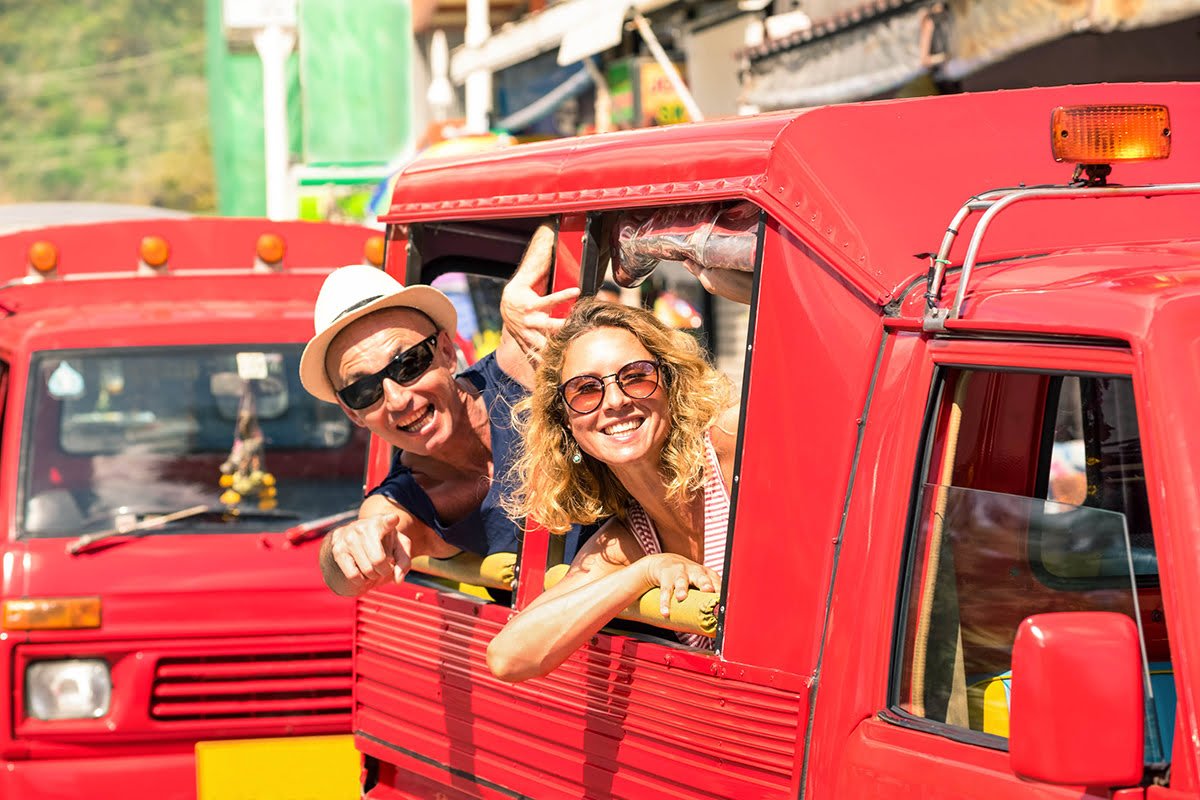
  • What Are Tuk-Tuks?: Tuk-tuks are three-wheeled motorized vehicles that serve as an iconic mode of transport in many parts of Thailand, including Phuket. They are open-air and can usually carry up to three passengers. Tuk-tuks are a fun and quirky way to get around, offering a unique travel experience.

  • Where to Find Them: You can find tuk-tuks almost everywhere in Phuket, especially in tourist hotspots like Patong Beach, Kata Beach, and Phuket Town. They often line up near popular attractions, markets, and nightlife areas, making them easy to hail.

Costs

  • Typical Fare Ranges: Tuk-tuk fares can vary widely depending on the distance, time of day, and your bargaining skills. Short trips within town might cost around 100 to 200 THB, while longer journeys can be significantly more. Always agree on the fare before starting your trip to avoid any misunderstandings.

Pros and Cons

  • Unique Experience: Riding in a tuk-tuk is a quintessential Thai experience. The open-air design lets you enjoy the sights and sounds of the city as you travel, making it a memorable part of your trip.

  • Potential Overcharging: One downside of tuk-tuks is the potential for overcharging, especially in tourist areas. Drivers may quote high prices, so it’s essential to negotiate and agree on a fair fare before getting in. It’s also worth noting that tuk-tuks don’t have meters, so the price can be somewhat arbitrary.

8. Boats and Ferries

Types of Services

  • Long-tail Boats: These traditional Thai boats have a long tail shaft that extends from the engine, making them agile and suitable for navigating shallow waters. They are commonly used for short trips and excursions around Phuket’s coastal areas.

  • Speedboats: Speedboats are faster and more powerful, offering quick transfers between islands and popular tourist destinations. They are ideal for day trips and island hopping adventures due to their speed and comfort.

  • Ferries: Ferries provide regular passenger and vehicle transportation between Phuket and nearby islands like Phi Phi Islands, Koh Yao Yai, and Koh Lanta. They are larger vessels with scheduled departures and are a more economical option for longer journeys.

Popular Routes

  • Island Hopping: Phuket is a hub for island hopping adventures, with popular routes including visits to the Phi Phi Islands, James Bond Island (Khao Phing Kan), and the Similan Islands. Each destination offers unique landscapes, crystal-clear waters, and opportunities for snorkeling, diving, and beach relaxation.

Costs and Booking

  • Price Range: The cost of boat and ferry trips can vary widely depending on the route, type of vessel, and season. For example, a short long-tail boat ride might cost around 1,000 to 2,000 THB per hour for private charter, while a speedboat trip to Phi Phi Islands could range from 2,000 to 4,000 THB per person for a day tour.

  • Where to Book: You can book boat trips and ferry tickets through local tour operators, hotels, or online platforms. It’s advisable to book in advance during peak tourist seasons to secure your preferred departure times and avoid last-minute hassles.

9. Bicycles

Rental Options

  • Where to Rent: Bicycles are readily available for rent in Phuket, particularly in tourist areas like Patong, Kata, and Phuket Town. You can find rental shops near hotels, guesthouses, and popular attractions.

  • Rental Costs: Rental prices for bicycles are quite affordable, usually ranging from 100 to 300 THB per day, depending on the type of bike (standard, mountain bike, etc.) and the duration of the rental. Weekly rates may offer better value if you plan to explore over several days.

Best Areas for Cycling

  • Scenic Routes: Phuket offers some fantastic cycling routes, particularly along the coastal roads and through the island’s interior. Popular scenic routes include cycling from Phuket Town to Cape Panwa, or along the west coast from Patong to Kamala Beach. These routes offer stunning ocean views and opportunities to explore local villages and attractions.

Safety Tips

  • Road Safety: While cycling in Phuket can be enjoyable, it’s essential to prioritize safety. Wear a helmet at all times, even though it’s not legally required for adults in Thailand. Be aware of traffic, especially in busy areas like Patong and Phuket Town, and follow traffic rules as you would in your home country.

  • Weather Considerations: Phuket’s weather can be hot and humid, especially during the day. Plan your cycling trips during the cooler early morning or late afternoon hours to avoid the heat. Stay hydrated and wear sunscreen to protect yourself from the sun’s rays.

10. Walking

When Walking is Feasible

Walking can be a feasible and enjoyable way to explore certain parts of Phuket, especially in areas that are compact and pedestrian-friendly. While the island is known for its motorized transport options, there are areas where walking offers a more intimate experience of local life and attractions.

Areas Suitable for Walking

  • Old Phuket Town: The historic district of Phuket Town is ideal for walking, with its charming Sino-Portuguese architecture, colorful shophouses, and vibrant street art. Stroll along Thalang Road and Soi Rommanee to discover quaint cafes, boutique shops, and hidden temples.

  • Beachfront Promenades: Coastal areas like Patong Beach and Kata Beach have scenic promenades that are perfect for a leisurely stroll. Enjoy ocean views, soak up the sun, and explore beachside restaurants and bars.

Safety Tips for Pedestrians

  • Watch for Traffic: Phuket’s roads can be busy and chaotic, with motorbikes, tuk-tuks, and cars sharing the streets. Always use pedestrian crossings where available, and be cautious when crossing roads. Vehicles may not always yield to pedestrians.

  • Stay Hydrated: Phuket’s tropical climate can be hot and humid, especially during the day. Carry a bottle of water and wear sunscreen to stay protected from the sun’s rays.

  • Be Aware of Your Surroundings: While walking, keep an eye on your belongings, especially in crowded tourist areas. Petty theft can occur, so it’s wise to keep valuables secure and avoid displaying large sums of money or expensive items.

Exploring Phuket is not just about its stunning beaches and vibrant culture but also about navigating its diverse transport options to make the most of your stay. Here’s a recap of the various transport options and tips for choosing the best one based on your preferences:

Phuket offers a range of transport options to suit every traveler:

  • Taxis and Ride-Hailing Services: Convenient for door-to-door service, with ride-hailing apps like Grab providing transparency in pricing.

  • Public Buses: Economical for getting around town and exploring nearby areas like beaches and local markets.

  • Motorbike Rentals: Ideal for flexibility and exploring remote areas, but be mindful of safety precautions.

  • Car Rentals: Perfect for exploring at your own pace, though traffic and costs should be considered.

  • Tuk-Tuks: A fun and iconic way to travel short distances, but negotiate fares to avoid overcharging.

  • Boats and Ferries: Essential for island hopping adventures to nearby destinations like the Phi Phi Islands and James Bond Island.

  • Bicycles and Walking: Eco-friendly options for exploring local neighborhoods, beaches, and scenic routes.

Tips for Choosing the Best Option

Consider these factors when choosing your transport:

  • Budget: Decide how much you’re willing to spend on transport during your stay.

  • Comfort: Choose based on your comfort level and preferences, whether it’s speed, convenience, or the experience itself.

  • Destination: Tailor your choice to the places you want to visit, as some transport options may be more suitable for certain locations than others.

  • Safety: Always prioritize safety, whether you’re renting a vehicle, riding a motorbike, or walking in busy areas.

Final Advice for Travelers in Phuket

  • Plan Ahead: Research transport options and book in advance during peak seasons to avoid last-minute hassles.

  • Respect Local Customs: Be mindful of local customs and laws, especially when riding motorbikes or negotiating fares with tuk-tuk drivers.

  • Stay Hydrated and Protected: Phuket’s tropical climate can be intense, so carry water, wear sunscreen, and dress appropriately for the weather.

By choosing the right transport options and following these tips, you can navigate Phuket with ease, ensuring a memorable and enjoyable travel experience from start to finish.

July 10, 2024 0 comments
0 FacebookTwitterPinterestEmail
Budget TravelLuxury TravelTravel Tips

Prepaid Currency Cards vs. Credit Cards Comprehensive Guide

by Travel Geek July 8, 2024
written by Travel Geek

Traveling internationally can be exciting, but figuring out how to manage your money while abroad is crucial. The right payment method can save you money, provide convenience, and give you peace of mind. Two popular options are international prepaid currency cards and credit cards. Both have their own set of benefits and drawbacks, so choosing the one that best suits your travel needs can make a big difference in your overall experience. Let’s take a closer look at these two options to see which one might be the better choice for your next trip.

What is an International Prepaid Currency Card?

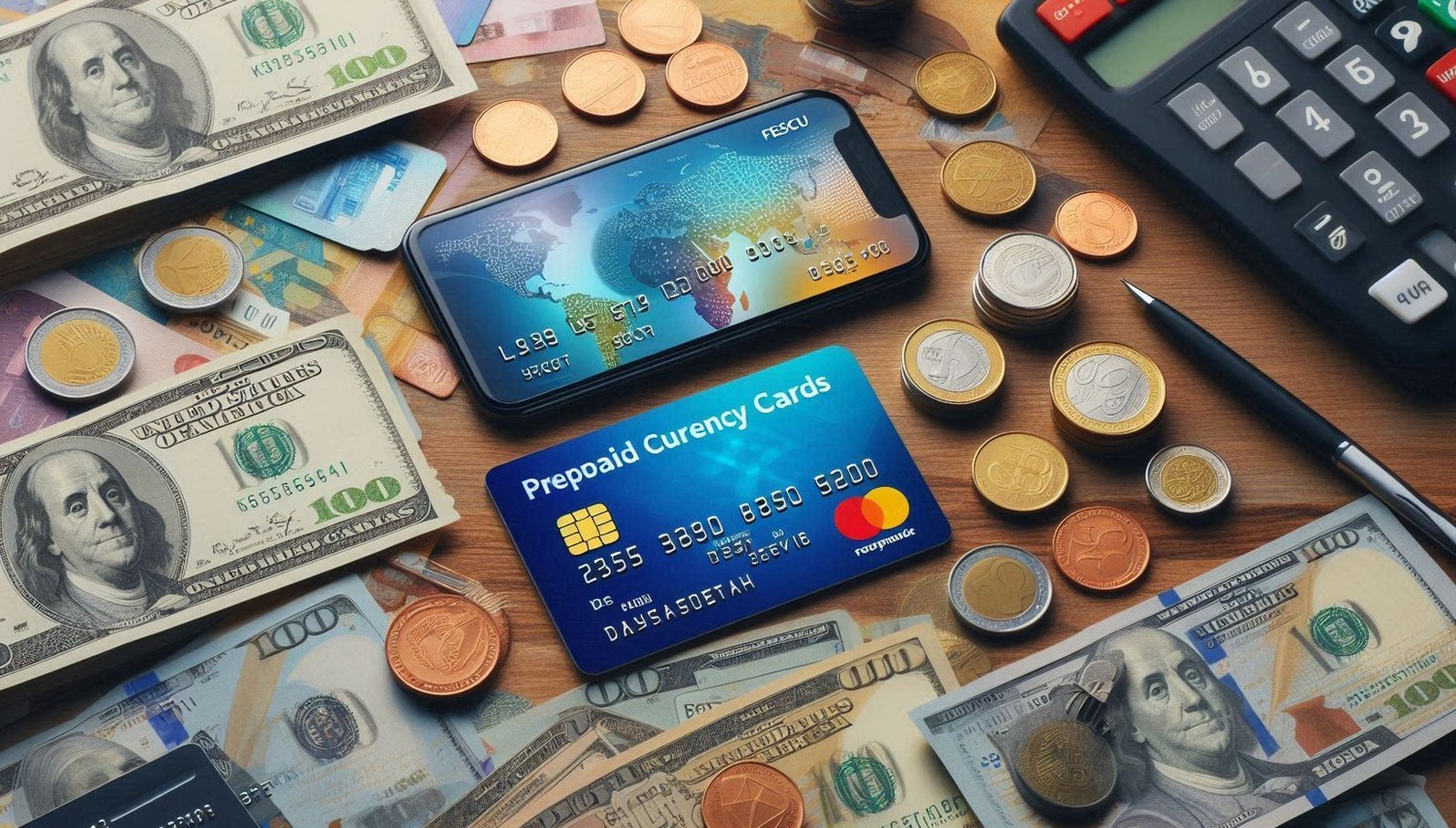
An international prepaid currency card is a card you load with money before you travel. It’s like a prepaid debit card that you can use to spend money in different currencies. This type of card lets you convert and hold multiple currencies, making it convenient for international trips.

Some popular options include Wise (formerly TransferWise) and Revolut. These cards often come with apps that allow you to manage your funds, track spending, and convert money at competitive exchange rates. They are designed to help you avoid high fees and unfavorable exchange rates that you might encounter with traditional bank cards.

What is a Credit Card?

A credit card is a payment card that allows you to borrow money from a bank or financial institution to make purchases. You can use it to pay for goods and services, both online and in stores, and then pay back the borrowed amount later, usually with interest if not paid off within a set period.

Credit cards come with various features like rewards programs, travel perks, and protection benefits. Popular travel-friendly credit cards include the Chase Sapphire Preferred and the American Express Platinum. These cards often offer points or miles for every dollar spent, which can be redeemed for travel expenses. They may also provide benefits such as travel insurance, airport lounge access, and no foreign transaction fees, making them a great choice for frequent travelers.

Key Differences Between Prepaid Currency Cards and Credit Cards

Funding Mechanism

  • Prepaid Cards: These cards are preloaded with a set amount of money. You add funds to the card before using it, which means you can only spend what you’ve loaded onto the card.
  • Credit Cards: These are linked to a line of credit provided by your bank or financial institution. You borrow money up to a certain limit and pay it back later, usually with interest if you don’t pay off the balance in full each month.

Spending Limits

  • Prepaid Cards: Your spending is limited to the amount of money you’ve loaded onto the card. Once you’ve spent that amount, you can’t use the card until you add more funds.
  • Credit Cards: Your spending limit is set by the card issuer and is based on your creditworthiness. This limit can be quite high, allowing you more flexibility in your spending.

Benefits of Using an International Prepaid Currency Card

Cost Savings One of the main advantages of using an international prepaid currency card is the potential for cost savings. These cards often come with lower fees and offer better exchange rates compared to traditional bank cards. This means you can get more for your money when traveling abroad.

Budget Control With a prepaid card, you can only spend the amount of money you’ve loaded onto it. This helps you stick to your budget and avoid overspending, as you can’t spend more than you have.

Security If your prepaid card is lost or stolen, the risk is minimized because it’s not linked to your bank account or line of credit. Most cards also offer the ability to quickly lock or cancel the card through a mobile app, adding an extra layer of security.

Multi-Currency Support International prepaid currency cards allow you to hold and manage multiple currencies. This makes it easier to pay in local currency without worrying about conversion fees each time you make a purchase. It’s a convenient feature for frequent travelers visiting multiple countries.

Drawbacks of Using an International Prepaid Currency Card

Fees While prepaid currency cards can save you money in some areas, they can come with various fees. You might encounter ATM withdrawal fees, reloading fees, and inactivity fees if you don’t use the card for a certain period. These can add up and reduce the overall savings.

Acceptance Another drawback is that prepaid currency cards might not be as widely accepted as credit cards in some locations. This can be inconvenient, especially in places where only major credit cards are recognized. It’s always a good idea to carry a backup payment method just in case.

Limited Rewards Prepaid currency cards typically don’t offer the same rewards programs that credit cards do. You might miss out on earning points, miles, or cash back on your purchases. If you value rewards and travel perks, a credit card might be a better option.

Benefits of Using a Credit Card for International Travel

Rewards and Benefits One of the biggest advantages of using a credit card for international travel is the opportunity to earn rewards. Many travel-friendly credit cards offer points, miles, or cashback on purchases. These rewards can be redeemed for travel expenses like flights, hotels, and rental cars, helping you save money on your trip.

Travel Perks Credit cards often come with a range of travel perks that can enhance your travel experience. These may include travel insurance coverage, access to airport lounges, and special discounts on travel-related purchases. These perks can add value and convenience to your journey.

Acceptance Credit cards are widely accepted globally, making them a convenient payment option almost anywhere you go. Whether you’re shopping in a bustling city or dining in a remote village, you can usually rely on your credit card to make payments without hassle.

Credit Building Using a credit card responsibly can also help build and improve your credit score. By making timely payments and managing your credit utilization effectively, you demonstrate financial responsibility to lenders. This can be beneficial when applying for loans or mortgages in the future.

Drawbacks of Using a Credit Card for International Travel

Fees One of the primary drawbacks of using a credit card for international travel is foreign transaction fees. These fees are typically charged by the card issuer for purchases made in a foreign currency or transactions processed outside your home country. While some credit cards waive these fees, others may charge a percentage of each transaction, which can add up quickly.

Interest Rates Credit cards often come with high-interest rates, especially if you carry a balance from month to month. If you don’t pay off your full balance by the due date, interest charges will accrue on the remaining balance. This can increase the overall cost of your trip if you’re not careful about managing your spending.

Risk of Debt Using a credit card abroad can lead to overspending and accumulating debt. The availability of credit can tempt travelers to make purchases beyond their means, especially when enjoying the convenience of a credit card. It’s important to budget wisely and resist the temptation to overspend to avoid financial stress after your trip.

Comparing Costs

Fees

When comparing the costs associated with prepaid currency cards and credit cards for international travel, it’s important to consider the following fees:

  • Prepaid Currency Cards: Common fees include ATM withdrawal fees, reloading fees (when adding money to the card), and inactivity fees (if the card isn’t used for a certain period). These fees can vary between different card providers and should be carefully reviewed before choosing a card.

  • Credit Cards: Fees associated with credit cards may include foreign transaction fees, annual fees, and late payment fees. Foreign transaction fees are typically a percentage of each transaction made in a foreign currency, while annual fees vary depending on the card’s benefits and rewards program.

Exchange Rates

Exchange rates are another factor to consider when comparing prepaid currency cards and credit cards:

  • Prepaid Currency Cards: These cards often offer competitive exchange rates, sometimes close to the interbank rate. Some providers also allow you to lock in exchange rates when you load money onto the card, which can be beneficial if you’re concerned about currency fluctuations.

  • Credit Cards: Credit cards also provide exchange rates for transactions made in foreign currencies. The rates offered by credit card issuers may vary and are typically set by the payment networks (e.g., Visa, Mastercard). It’s important to check whether your credit card charges a foreign transaction fee in addition to the exchange rate.

Situational Recommendations

Long-Term Travel

For extended trips, both prepaid currency cards and credit cards have their advantages and disadvantages:

  • Prepaid Currency Cards: Pros include budget control, as you can only spend what’s loaded onto the card, and potentially lower fees. However, cons may include limited acceptance in some locations and fewer rewards compared to credit cards.

  • Credit Cards: Pros include wider acceptance globally, rewards programs that can accrue over time, and additional travel perks like insurance and lounge access. On the downside, you may incur foreign transaction fees and interest charges if you carry a balance.

Short-Term Travel

For shorter vacations, consider the following:

  • Prepaid Currency Cards: These can be beneficial for budget travelers who want to stick to a set spending limit. They offer security and the convenience of multiple currencies without the risk of overspending.

  • Credit Cards: Ideal for short-term travel due to their widespread acceptance and potential for earning rewards. However, watch out for foreign transaction fees and interest rates if you don’t pay off your balance promptly.

Budget Travelers

Budget travelers may find prepaid currency cards more suitable as they provide better control over spending. With no risk of accruing debt, these cards allow travelers to manage expenses closely and avoid unexpected charges.

Luxury Travelers

For luxury travelers seeking additional benefits and perks, credit cards often offer more value. Benefits like travel insurance, airport lounge access, and rewards programs can enhance the travel experience, although it’s important to weigh these advantages against potential fees and interest costs.

Tips for Choosing the Right Option

When deciding between a prepaid currency card and a credit card for your international travels, consider the following tips to make an informed choice:

Evaluate Your Travel Needs Before selecting a payment method, assess factors such as the length of your stay, your destination(s), and your typical spending habits while traveling. Understanding these aspects will help you determine which features are most important for your trip.

Compare Fees and Benefits Take the time to compare the fees and benefits associated with each option based on your personal priorities. For prepaid currency cards, look into fees such as ATM withdrawal fees, reloading fees, and any inactivity fees. For credit cards, consider foreign transaction fees, annual fees, and the potential rewards and perks offered.

Check Acceptance in Destination Research the acceptance of both prepaid currency cards and credit cards at your travel destination(s). While credit cards are generally widely accepted, especially in major cities and tourist areas, some places may prefer cash or have limited acceptance of certain cards. Prepaid currency cards may not be accepted everywhere, so it’s wise to have a backup payment method on hand.

Choosing between an international prepaid currency card and a credit card boils down to understanding your specific travel needs and preferences. Here’s a recap of the key points to consider:

  • International Prepaid Currency Card: Offers cost savings with lower fees and favorable exchange rates. It provides budget control by limiting spending to the amount loaded onto the card, along with enhanced security features. However, it may have limited acceptance in some locations and typically lacks rewards programs.

  • Credit Card: Provides convenience with widespread acceptance globally and the potential to earn rewards such as points, miles, or cashback. Credit cards also offer additional benefits like travel insurance and access to airport lounges. On the downside, they may come with foreign transaction fees and the risk of accumulating debt if not managed responsibly.

When making your decision, evaluate factors such as the length and nature of your trip, your spending habits, and the destinations you plan to visit. Consider whether you prioritize cost savings and budget control or if you value rewards and travel perks more. It’s also important to have a backup plan in case one payment method isn’t accepted.

Ultimately, the best choice between an international prepaid currency card and a credit card will depend on what matters most to you during your travels. By weighing these factors carefully, you can select the option that enhances your travel experience and meets your financial needs effectively.

July 8, 2024 0 comments
0 FacebookTwitterPinterestEmail
Sustainable TravelTravel Tips

Sustainable Travel Tips: Explore the World Without Hurting It

by Travel Geek July 4, 2024
written by Travel Geek

Traveling sustainably means exploring the world while taking care of the environment. It’s all about making choices that reduce the negative impact on the places we visit. This could be anything from picking eco-friendly accommodations to supporting local communities.

Why is this important? Well, travel can put a lot of pressure on natural resources and local ecosystems. By being mindful of our actions, we can help preserve these beautiful destinations for future generations to enjoy.

The benefits of sustainable travel go beyond just helping the planet. It often leads to more authentic experiences, connecting with local cultures, and even saving money. Sustainable travel allows us to see the world in a way that’s responsible and rewarding, ensuring that our adventures leave a positive mark.

Planning Your Trip

Choose Eco-friendly Destinations

When planning your next trip, consider destinations that prioritize sustainability. These places often have eco-friendly policies and practices in place, like preserving natural habitats, reducing waste, and supporting local communities. Look for destinations with eco-certifications and green initiatives, such as national parks, wildlife reserves, and cities committed to reducing their carbon footprint.

Travel Off-peak

Traveling during off-peak seasons can be a great way to minimize your environmental impact. Fewer tourists mean less strain on local resources, and you’ll often find a more relaxed and authentic experience. Plus, traveling off-peak can help reduce overcrowding and overuse of popular sites, preserving them for future visitors.

Pack Light and Smart

Packing light is not only easier on your back but also better for the environment. The heavier the plane, the more fuel it consumes, so every bit of weight counts. Try to bring only what you really need and opt for eco-friendly travel products. Use reusable items like water bottles, shopping bags, and utensils to cut down on single-use plastics. Choose clothes made from sustainable materials and pack versatile pieces that can be worn multiple times.

Transportation Choices

Opt for Greener Transportation

When you’re getting around on your trip, consider greener options like public transport, biking, and walking. Using buses, trains, and trams can greatly reduce your carbon footprint compared to renting a car. Plus, biking and walking are not only eco-friendly but also great ways to explore a new place and get some exercise. If you do need to drive, consider carpooling or using rideshare services to cut down on emissions.

Fly Smart

Flying is sometimes unavoidable, but there are ways to make it more environmentally friendly. Choose direct flights whenever possible, as takeoffs and landings use the most fuel. Fewer stops mean fewer emissions. Additionally, consider offsetting your carbon footprint through reputable programs. These initiatives allow you to invest in projects that reduce carbon emissions, like reforestation or renewable energy, helping to balance out the impact of your flight.

Accommodation

Stay in Eco-friendly Lodgings

Choosing where to stay can have a big impact on your travel footprint. Look for green hotels and eco-lodges that focus on sustainability. These places often use renewable energy, have water-saving measures, and reduce waste. When booking, check for certifications like LEED or Green Key, which indicate that the lodging meets high environmental standards.

Support Local

Staying in locally owned accommodations is another great way to travel sustainably. It helps boost the local economy and gives you a more authentic experience. Local hosts can provide unique insights into the area, and your money goes directly to the community. Additionally, try to support local businesses by eating at family-owned restaurants, shopping at local markets, and using local tour operators. This way, your travel dollars make a positive impact on the places you visit.

Responsible Tourism

Respect Local Cultures and Environments

When visiting a new place, it’s important to understand and respect the local culture. Take the time to learn about customs and traditions, and be mindful of your actions. Dress appropriately, be polite, and show appreciation for the local way of life. Following the “leave no trace” principles is also crucial. This means picking up after yourself, not disturbing wildlife, and being careful not to damage natural habitats.

Support Sustainable Activities

Choose tours and activities that prioritize sustainability. Look for operators who focus on eco-friendly practices and support conservation efforts. Avoid activities that exploit wildlife, such as riding elephants or swimming with captive dolphins. Instead, opt for experiences that allow you to observe animals in their natural habitats without causing harm. By supporting responsible tourism, you help protect the environment and ensure that future generations can enjoy these amazing places too.

Sustainable Practices During Travel

Reduce, Reuse, Recycle

Reducing waste while traveling is easier than you might think. Start by bringing reusable items like water bottles, shopping bags, and utensils. This helps cut down on single-use plastics, which are a major environmental issue. When shopping, try to buy products with minimal packaging and recycle whenever you can. If your accommodation doesn’t have recycling bins, hold onto your recyclables until you find a place that does.

Conserve Resources

Saving water and energy during your trip is also important. In your accommodation, take shorter showers and turn off the tap while brushing your teeth. Reuse towels and sheets instead of having them washed daily. Turn off lights, air conditioning, and electronics when you leave the room. Simple actions like these can significantly reduce your resource consumption and help protect the environment.

After the Trip

Reflect and Share

After your trip, take some time to reflect on your experiences and what you learned about sustainable travel. Share your stories and tips with friends and family. Talking about the positive impact of your choices can inspire others to travel more sustainably too. Whether it’s through social media, a blog, or casual conversations, your experiences can help spread awareness and encourage others to make eco-friendly decisions.

Continued Efforts

Sustainable practices shouldn’t end when your trip does. Keep up the good habits at home by conserving water and energy, reducing waste, and supporting local businesses. You can also continue to support sustainable travel initiatives and organizations. Consider donating to or volunteering with groups that work on conservation and environmental protection. By maintaining these efforts, you can make a lasting positive impact on the planet, long after your vacation is over.

Sustainable travel is about exploring the world while taking care of it. By making mindful choices, like choosing eco-friendly destinations, using greener transportation, staying in local accommodations, respecting cultures and environments, and reducing waste, we can minimize our impact on the planet.

I encourage you to adopt these sustainable practices in all your travels. Every small action can make a big difference. Whether you’re planning a weekend getaway or a month-long adventure, think about how you can travel more responsibly.

Let’s all make a positive impact on the environment while enjoying the beauty and diversity our world has to offer. Your efforts not only help preserve amazing places for future generations but also create a more sustainable and connected global community. Happy travels!

July 4, 2024 0 comments
0 FacebookTwitterPinterestEmail
SafetyTravel Tips

Avoiding Scams A Comprehensive Guide

by Travel Geek July 2, 2024
written by Travel Geek

Traveling is one of the most exciting and rewarding experiences, but it comes with its own set of risks. Scams targeting travelers are unfortunately common, and they can turn a dream vacation into a nightmare. From pickpockets on crowded streets to fake accommodation listings online, scammers are always finding new ways to trick unsuspecting tourists.

Being aware of these potential dangers and knowing how to avoid them is crucial. This guide will help you spot common travel scams and provide practical tips on how to stay safe. We’ll cover everything from street scams and transport tricks to fake rental listings and shopping rip-offs. Plus, you’ll learn what to do if you do fall victim to a scam, so you can recover quickly and get back to enjoying your trip.

Stay vigilant, and with the right knowledge, you can keep your travels safe and stress-free.ulvinar dapibus leo.

Common Types of Travel Scams

Street Scams

When you’re out exploring new places, it’s important to stay alert to some common street scams.

Pickpocketing: This is one of the oldest tricks in the book. Skilled pickpockets can snatch your wallet or phone without you even noticing. They often work in busy areas like markets, tourist attractions, and public transport. Keeping your valuables in a secure, hard-to-reach place can help protect you.

Fake Charities: You’ll sometimes encounter people asking for donations for seemingly good causes. They might show you convincing documents or even wear uniforms. Unfortunately, many of these are scams. If you want to donate, it’s safer to do so through verified organizations.

Distraction Techniques: Scammers often use distractions to catch you off guard. Someone might “accidentally” spill something on you, ask for directions, or create a commotion. While you’re distracted, an accomplice might be stealing your belongings. Staying aware of your surroundings and not getting too distracted can help you avoid falling victim to these tactics.

Transport Scams

Traveling around a new place can be tricky, and scammers know this. Here are some common transport scams to watch out for:

Overcharging Taxis: Some taxi drivers take advantage of tourists by overcharging them. They might take longer routes or claim their meter is broken. To avoid this, always agree on a fare before getting in or make sure the meter is running. Using reputable taxi services or apps can also help ensure you’re not being ripped off.

Fake Rideshares: With the popularity of rideshare apps, scammers have found ways to exploit this too. Fake rideshares can look legitimate but may charge you extra or take you to unsafe areas. Always check the license plate and driver details before getting in, and use the app to track your route.

Ticket Fraud: Buying transport tickets from unofficial sources can lead to trouble. Scammers might sell you fake tickets for buses, trains, or attractions. To avoid this, always purchase tickets from official counters or trusted websites. If a deal seems too good to be true, it probably is.

Accommodation Scams

Finding a place to stay is a big part of travel, but there are scams to watch out for here too:

Fake Rental Listings: Scammers create fake listings for apartments, houses, or rooms that either don’t exist or aren’t available. They might ask for a deposit upfront and then disappear. To avoid this, use reputable booking platforms and read reviews carefully. If possible, contact the host directly through the platform’s messaging system before making any payments.

Overcharging for Rooms: Some hotels or landlords might try to charge you more than the agreed price, especially if they think you won’t argue. Always confirm the price in writing when you book and bring a copy of the confirmation with you. If you’re charged more than expected, don’t hesitate to question it.

Hidden Fees: Unexpected fees can pop up at the end of your stay, from extra charges for amenities to inflated cleaning fees. To avoid surprises, read the fine print when booking and ask about any additional charges upfront. Knowing exactly what’s included in your stay can help you avoid these hidden costs.

Shopping and Dining Scams

When you’re out enjoying local shops and restaurants, it’s important to be aware of these common scams:

Overpriced Souvenirs: Tourist shops often hike up prices, hoping you won’t know the local rates. You might end up paying way more than an item is worth. To avoid this, compare prices at different stores and try bargaining if it’s common in that area. Shopping at local markets where locals buy can also give you a better idea of fair prices.

Restaurant Bill Padding: Some restaurants add extra items or inflate prices on your bill, counting on you not to notice. Always check your bill carefully before paying. If you see charges you don’t recognize, ask the waiter to explain them. Keeping a mental note of what you ordered can help you spot any discrepancies.

Fake Goods: It’s tempting to buy branded items at a fraction of the cost, but often these are counterfeit. From designer clothes to electronics, fake goods are everywhere. Stick to reputable stores for high-value purchases and be skeptical of deals that seem too good to be true. Remember, if the price is significantly lower than expected, it’s probably not the real deal.

How to Spot a Scam

Knowing how to recognize a scam can save you a lot of trouble. Here are some red flags to watch out for:

Unsolicited Offers: Be cautious if someone approaches you with an offer out of the blue. Whether it’s a “special deal” on a tour, a great price on an item, or an offer to help with something, unsolicited offers are often too good to be true. Scammers rely on catching you off guard, so it’s best to be skeptical of these situations.

High-Pressure Tactics: Scammers often try to rush you into making a decision. They might say the deal is only available for a limited time or that you need to act immediately. High-pressure tactics are a major red flag. Take your time to think things through and don’t be afraid to walk away if you feel uncomfortable or rushed.

Too-Good-to-Be-True Deals: If a deal sounds too good to be true, it probably is. Whether it’s a heavily discounted tour package, a cheap luxury item, or an unbelievable exchange rate, these deals often come with hidden catches or are outright scams. Trust your instincts and remember that it’s better to miss out on a deal than to fall victim to a scam.

Recognizing Fake Documents

Scammers often use fake documents to trick travelers. Here’s how to spot them:

IDs, Permits, and Tickets: Fake IDs, permits, and tickets can look very convincing. Scammers might show you a fake ID to prove their legitimacy or sell you counterfeit tickets to events or transportation. Always be cautious when dealing with documents you didn’t obtain yourself.

How to Verify Authenticity:

  • Check Details: Look for misspellings, inconsistent fonts, and low-quality images. Genuine documents usually have high-quality printing and clear details.
  • Use Official Channels: Whenever possible, get your permits, tickets, and other important documents directly from official sources. Avoid buying from street vendors or unofficial websites.
  • Ask for Verification: If you’re unsure about a document’s authenticity, ask for verification. For example, you can call the event venue or transportation company to confirm the ticket is legitimate.
  • Know the Features: Familiarize yourself with the security features of the documents you need. For example, official tickets often have holograms, watermarks, or unique barcodes that are hard to replicate.

Understanding Local Customs and Practices

Being aware of local customs can help you distinguish between genuine practices and scams.

Common Practices That Might Seem Suspicious but Are Legitimate: In some cultures, friendly locals might offer help or invite you to join them for a meal. While this can be genuine hospitality, it’s important to stay cautious. For example, in many places, bargaining is a common practice and not a sign of a scam. Knowing what’s normal in the area can help you avoid misunderstandings.

How Scammers Exploit Cultural Differences: Scammers often take advantage of tourists who aren’t familiar with local customs. They might pretend to be helpful locals offering advice, only to lead you to overpriced shops or demand a tip later. In other cases, they might exploit cultural norms by playing on your politeness or unfamiliarity with the language.

To protect yourself:

  • Do Your Research: Before you travel, learn about common customs and practices in your destination. This can help you recognize what’s normal and what’s not.
  • Ask Locals You Trust: If you’re unsure about a situation, ask for advice from someone you trust, like a hotel staff member or a tour guide.
  • Stay Polite but Cautious: While it’s important to respect local customs, don’t hesitate to say no or walk away if something doesn’t feel right.

Steps to Avoid Scams

Research and Preparation

The best way to avoid scams is to be prepared and informed before you travel.

Researching Common Scams in Your Destination: Start by looking up common scams in the place you’re visiting. Travel forums, blogs, and websites like TripAdvisor often have detailed posts from other travelers about what to watch out for. Knowing the typical scams in advance can help you recognize and avoid them.

Using Reputable Sources for Bookings and Purchases: When booking flights, accommodations, tours, and other services, stick to well-known, reputable websites and companies. Read reviews and check ratings on multiple platforms to ensure the provider is trustworthy. If something seems off, trust your instincts and look for alternatives.

Staying Alert and Vigilant

When you’re in unfamiliar surroundings, it’s essential to stay on guard to protect yourself from scams.

Keeping Your Belongings Secure: Keep your valuables like passports, wallets, and electronics secure at all times. Use a money belt or a secure bag that’s difficult for pickpockets to access. When you’re in crowded places or using public transportation, be especially mindful of your belongings.

Being Aware of Your Surroundings: Stay alert to what’s happening around you. Scammers often look for distracted or unaware travelers to target. Avoid getting lost in your phone or maps for too long, especially in busy areas. Trust your instincts—if something feels off or someone seems overly interested in you, it’s okay to move away or seek help.

Safe Money Practices

Protecting your money is crucial while traveling. Here are some smart practices to follow:

Using Credit Cards Over Cash: Credit cards offer more security than carrying large amounts of cash. They often have fraud protection features, and you can easily dispute unauthorized charges. Plus, using a credit card can earn you rewards like cash back or travel points. Just be sure to notify your bank of your travel plans to avoid any issues with card usage abroad.

Avoiding Public ATMs: Public ATMs can be targets for card skimmers and thieves. Instead, use ATMs inside banks or reputable establishments, especially those that are well-lit and monitored. Check the machine for any unusual attachments or signs of tampering before inserting your card. Consider withdrawing larger amounts less frequently to minimize your exposure to potential risks.

Using Technology

Technology can be a valuable tool in keeping yourself safe while traveling. Here are some ways to leverage it effectively:

Helpful Apps for Safe Traveling: There are plenty of apps designed to enhance your safety and convenience while on the road. For example, mapping apps with real-time updates can help you navigate unfamiliar streets safely. Apps that offer language translation can also be useful for communicating effectively in different countries. Additionally, there are apps that provide emergency assistance, such as local emergency numbers and medical services.

Verifying Reviews and Credentials Online: Before booking accommodations, tours, or even restaurants, it’s a good idea to check reviews and credentials online. Websites like TripAdvisor, Yelp, and Google Reviews feature user-generated content that can give you insights into the quality and reliability of services. Look for reviews that mention specific details or experiences to get a clearer picture. Verified reviews from multiple sources can help you make informed decisions and avoid potential scams.

What to Do If You Get Scammed

Experiencing a scam while traveling can be upsetting, but taking immediate action is crucial. Here’s what you should do:

Immediate Actions

Reporting the Incident to Local Authorities: If you’ve been scammed, report the incident to local law enforcement as soon as possible. They can help document the incident and may be able to assist in recovering any losses or belongings. Be sure to provide them with as much detail as you can about what happened and any information you have about the scammer.

Contacting Your Embassy or Consulate: Reach out to your country’s embassy or consulate in the area where you’re traveling. They can provide you with assistance and guidance, especially if you need help with legal matters or replacing important documents like passports. They may also have resources to help you recover financially or navigate local procedures.

Recovering Losses

If you’ve fallen victim to a scam while traveling, there are steps you can take to recover your losses:

Contacting Your Bank or Credit Card Company: Immediately notify your bank or credit card issuer about the fraudulent charges or transactions. They can freeze your account to prevent further unauthorized use and initiate an investigation into the charges. Provide them with any documentation or details about the scam to support your claim. Many banks offer fraud protection services that can help you recover lost funds.

Filing Insurance Claims: If you have travel insurance, check your policy to see if it covers financial losses due to scams or theft. Contact your insurance provider as soon as possible to start the claims process. They may require documentation such as police reports, receipts, or proof of ownership for stolen items. Be thorough in providing all necessary information to expedite your claim.

Learning from the Experience

Experiencing a scam while traveling can be a learning opportunity to better protect yourself in the future. Here are steps you can take:

Steps to Take to Prevent Future Incidents:

  • Stay Informed: Continue researching common scams in different destinations. Awareness is your best defense against falling victim again.
  • Trust Your Instincts: If something feels off or too good to be true, it probably is. Don’t hesitate to question or walk away from suspicious situations.
  • Secure Your Belongings: Invest in secure travel accessories like locks for your luggage and money belts to keep your valuables safe.
  • Use Technology Wisely: Keep using apps and websites to research and verify services before making bookings or purchases.
  • Educate Others: Share your experience with friends, family, or online communities. By raising awareness, you can help others avoid similar scams.

Sharing Your Story to Help Others: Consider sharing your experience on travel forums, social media, or review websites. Your story can warn fellow travelers and empower them to stay vigilant. It’s also a way to contribute to a community that relies on shared knowledge to stay safe while exploring new places.

Additional Tips and Resources

As you continue to prioritize your safety while traveling, consider these additional tips and resources:

Useful Websites and Hotlines:

  • Websites like the State Department’s travel advisories or local tourism boards can provide up-to-date information on safety concerns and emergency contacts.
  • Keep local emergency numbers handy, as well as the contact information for your embassy or consulate in case of emergencies.

Traveler Communities and Forums:

  • Joining online traveler communities and forums can be invaluable for sharing experiences and tips. Websites like Lonely Planet’s Thorn Tree forum or Reddit’s travel subreddits often have active discussions on travel safety and recommendations from fellow travelers.

Books and Guides on Travel Safety:

  • Look for books and guides specifically focused on travel safety and scam prevention. Authors like Rick Steves and Lonely Planet publish comprehensive guides that include safety tips specific to different regions.


As you prepare for your next adventure, remember these essential tips to stay safe and savvy while traveling:

  • Stay Informed: Research common scams and safety concerns in your destination.
  • Stay Alert: Keep an eye on your surroundings and trust your instincts.
  • Use Technology Wisely: Utilize apps and online resources to verify services and stay connected.
  • Act Promptly: If you encounter a scam, report it to authorities and take steps to recover any losses.

Traveling is about exploring new cultures, trying new foods, and creating unforgettable memories. By staying vigilant and informed, you can minimize risks and focus on enjoying your journey.

Remember, your experiences and insights can help others too. Share your travel tips and stories with friends, family, and fellow travelers. Together, we can all contribute to safer and more enriching travel experiences for everyone.

Safe travels!

July 2, 2024 0 comments
0 FacebookTwitterPinterestEmail
Health and WellnessTravel Tips

Why Your Health Should Be Your Priority Investment

by Travel Geek May 28, 2024
written by Travel Geek

“Health is the greatest gift,” said Buddha, and it’s a truth that resonates across all cultures and generations. Our well-being is the foundation upon which we build our lives, and yet, it’s often the most neglected aspect of our busy routines. In this article, we’ll explore why taking care of our health should be our number one priority and how starting with a fitness holiday can set you on the right path.

Investing in your health is the best decision you can ever make. Once your health starts to decline, it’s incredibly difficult to regain it. The sooner you start focusing on your well-being, the better off you’ll be in the long run. This article will cover the vital importance of maintaining good health, the long-term benefits of a healthy lifestyle, and the consequences of neglecting your well-being. We’ll also dive into practical ways to invest in your health every day, and why a fitness holiday might be the perfect kick-start for your body transformation.

The Value of Health

Health as a Foundation for Life

Good health is the bedrock of a fulfilling life. When we feel physically strong and mentally clear, we can fully engage in our daily activities and enjoy our experiences. There’s a strong connection between our physical health, mental well-being, and overall happiness. When our bodies are healthy, our minds are more likely to be positive and focused. This balance allows us to handle stress better, make wiser decisions, and foster deeper relationships with those around us. Essentially, good health empowers us to live life to the fullest.

Long-term Benefits of Health Investment

Maintaining good health brings a wealth of long-term benefits. Firstly, it significantly increases our chances of living a longer life. Studies have shown that regular exercise, a balanced diet, and avoiding harmful habits like smoking can add years to our lives. For example, a study from the Harvard T.H. Chan School of Public Health found that adopting five healthy habits could extend life expectancy by over a decade.

In addition to longevity, investing in our health can lead to reduced medical expenses. Preventive care and healthy living can minimize the risk of chronic diseases such as diabetes, heart disease, and hypertension, which are often expensive to manage. The Centers for Disease Control and Prevention (CDC) states that chronic diseases account for 75% of healthcare spending in the United States, highlighting the cost-saving potential of a healthy lifestyle.

Lastly, a commitment to good health enhances our quality of life. When we prioritize our well-being, we enjoy more energy, better mobility, and a greater ability to participate in activities we love. This translates to more meaningful experiences and a higher level of overall satisfaction. Investing in our health is not just about adding years to our life but also about adding life to our years.

The Consequences of Neglecting Health

Physical Consequences

Neglecting our health can lead to a host of physical problems. Poor health habits like lack of exercise, unhealthy eating, and smoking can result in chronic diseases such as diabetes, heart disease, and obesity. These conditions not only shorten our lifespan but also severely impact our quality of life. For instance, people with chronic diseases often experience reduced mobility, making it difficult to enjoy everyday activities. Furthermore, poor health can lead to decreased energy levels, leaving us feeling tired and unmotivated. This lack of energy can hinder our productivity at work and our ability to engage in recreational activities, creating a cycle of inactivity and poor health.

Mental and Emotional Impact

The neglect of our physical health also takes a significant toll on our mental and emotional well-being. Chronic stress, often a result of poor health habits, can lead to anxiety and depression. When our bodies are not functioning well, it can affect our mood and outlook on life. Additionally, there is a strong connection between physical health and cognitive function. Poor nutrition, lack of physical activity, and insufficient sleep can lead to decreased concentration, memory problems, and a decline in overall mental sharpness. This can make everyday tasks more challenging and reduce our ability to think clearly and make sound decisions. Overall, neglecting our health can create a downward spiral that affects every aspect of our lives, highlighting the importance of taking proactive steps to maintain our well-being.

Strategies for Investing in Your Health

Regular Exercise

Regular physical activity is crucial for maintaining good health. Exercise helps keep your body strong, boosts your immune system, and improves your mental well-being. Incorporating exercise into your daily routine doesn’t have to be complicated. Start by finding activities you enjoy, whether it’s walking, cycling, swimming, or dancing. Aim for at least 30 minutes of moderate exercise most days of the week. You can break this into shorter sessions if needed, like three 10-minute walks throughout the day. Also, consider adding strength training exercises a couple of times a week to build muscle and support bone health.

Balanced Nutrition

A balanced diet is essential for providing your body with the nutrients it needs to function properly. Focus on eating a variety of whole foods, including plenty of fruits and vegetables, lean proteins, whole grains, and healthy fats. Avoid processed foods high in sugar, salt, and unhealthy fats. Practical tips for healthy eating include planning your meals ahead of time, cooking at home more often, and being mindful of portion sizes. Try to include a rainbow of colors on your plate to ensure you’re getting a wide range of nutrients. Drinking plenty of water and limiting sugary beverages is also key to maintaining a healthy diet.

Preventive Healthcare

Taking a proactive approach to your health through regular check-ups, vaccinations, and screenings can prevent many health issues before they become serious. Schedule annual physical exams with your doctor to monitor your overall health and catch potential problems early. Stay up-to-date with vaccinations to protect yourself from preventable diseases. Regular screenings, such as blood pressure checks, cholesterol tests, and cancer screenings, are essential for early detection and treatment. By making preventive healthcare a priority, you can address health concerns promptly and maintain better long-term health.

The Role of Fitness Holidays in Health Investment

What is a Fitness Holiday?

A fitness holiday is a vacation specifically designed to help you improve your health and fitness. Instead of lounging by the pool all day, you’ll engage in a variety of physical activities and wellness practices. These holidays can include everything from yoga retreats in Bali to hiking adventures in the Swiss Alps. Activities often include group workouts, guided meditation, healthy cooking classes, and personalized fitness plans. Popular destinations for fitness holidays include tropical islands, mountain resorts, and even urban wellness centers that offer a mix of exercise and relaxation.

Benefits of Fitness Holidays

Fitness holidays can be a great way to kick-start a healthier lifestyle. By stepping out of your daily routine and immersing yourself in a health-focused environment, you can make significant progress in a short amount of time. Physically, these holidays can help you lose weight, build muscle, and improve your overall fitness level. Mentally, the change of scenery and dedicated time for self-care can reduce stress and improve your mood. Emotionally, the sense of achievement and the support from like-minded people can boost your confidence and motivation. A fitness holiday can leave you feeling rejuvenated and inspired to maintain healthy habits long after you return home.

Success Stories and Testimonials

Many people have experienced life-changing results from fitness holidays. For instance, Sarah, a 35-year-old from New York, went on a two-week fitcation in Thailand. She not only lost 10 pounds but also developed a daily routine that helped her manage stress better. Similarly, Mark, a 45-year-old businessman, joined a hiking tour in the Canadian Rockies. He returned feeling more energetic and motivated, having also made new friends who share his passion for outdoor activities. These stories highlight how fitness holidays can provide a powerful boost to your health and well-being, offering both immediate results and long-term benefits.

Practical Tips for Planning a Fitness Holiday

Choosing the Right Destination

Selecting the right destination for your fitness holiday is key to ensuring you get the most out of your experience. Start by identifying your personal goals—do you want to lose weight, build strength, de-stress, or try a new activity? If you love the outdoors, consider a hiking retreat in the mountains or a beachside yoga camp. For those who enjoy structured workouts, a fitness boot camp might be ideal. Look for destinations that offer activities you enjoy and facilities that match your fitness level. Reading reviews and seeking recommendations can also help you find a spot that’s reputable and well-suited to your needs.

Preparing for Your Trip

Proper preparation can make your fitness holiday more enjoyable and effective. Start by setting realistic goals—think about what you want to achieve and how you’ll measure your progress. Pack essentials such as comfortable workout clothes, suitable footwear, and any personal items like a yoga mat or resistance bands. Don’t forget to include weather-appropriate gear if you’re heading to a place with a different climate. Mentally preparing for your trip is just as important; be open to new experiences and ready to push yourself. Ensure you’re physically ready by maintaining a basic fitness routine in the weeks leading up to your holiday.

Making the Most of Your Fitness Holiday

To get the most out of your fitness holiday, immerse yourself fully in the experience. Participate in all the activities offered, even those that might be new or challenging. This is your chance to try something different and push your limits. Stay motivated by setting daily goals and tracking your progress. Engage with fellow participants; sharing your journey with others can provide support and encouragement, and you might even make new friends who share your health and fitness interests. Lastly, take time to relax and enjoy the surroundings—balance intense workouts with periods of rest and reflection to recharge both physically and mentally.

Investing in your health is one of the most important decisions you can make. Maintaining good health enhances your quality of life, boosts longevity, and reduces medical expenses. Fitness holidays offer a unique and enjoyable way to kick-start a healthier lifestyle by combining physical activity, mental relaxation, and emotional well-being.

Don’t wait to start taking care of yourself. Begin with small, manageable steps—whether it’s incorporating regular exercise, eating a balanced diet, or scheduling preventive healthcare appointments. Consider a fitness holiday as a powerful way to jump-start this journey, providing you with the motivation and support you need.

Remember, as the saying goes, “The greatest wealth is health.” By prioritizing your well-being today, you’re investing in a brighter, happier future. So take that step, plan that trip, and make your health your top priority.

May 28, 2024 0 comments
0 FacebookTwitterPinterestEmail
Newer Posts
Older Posts

Follow Us

Facebook Twitter Instagram Pinterest Youtube Tiktok

Recent Posts

  • Asia Fuel Crisis 2026: Should You Cancel Your Travel Plans?

    March 31, 2026
  • Guide to Crossing the Thailand-Laos Border via Friendship Bridge IV

    March 28, 2026
  • How to See the Best of Nizwa, Oman in One Day

    March 27, 2026
  • Is Cancel For Any Reason (CFAR) Travel Insurance Worth It?

    March 26, 2026
  • What to Pack: 7 Travel Items That Actually Matter in 2026

    March 25, 2026

Categories

  • Destinations (77)
    • Africa (7)
      • Egypt (2)
      • Kenya (2)
      • Morocco (3)
      • Namibia (1)
      • Rwanda (1)
      • South Africa (2)
      • Tanzania (1)
      • Zambia (1)
    • Asia (66)
      • Bhutan (1)
      • Cambodia (1)
      • China (2)
      • Indonesia (7)
      • Laos (1)
      • Malaysia (2)
      • Maldives (1)
      • Nepal (2)
      • Thailand (58)
      • Turkmenistan (1)
      • Vietnam (3)
    • Europe (12)
      • Bulgaria (1)
      • Croatia (1)
      • Georgia (3)
      • Greece (2)
      • Iceland (1)
      • Ireland (1)
      • Italy (1)
      • Montenegro (1)
      • Norway (1)
      • Portugal (2)
      • Scotland (1)
      • Spain (1)
      • Switzerland (1)
      • Turkey (5)
    • Middle East (5)
      • Jordan (1)
      • Oman (1)
      • UAE (2)
    • North America (5)
      • Canada (1)
      • Mexico (1)
      • USA (4)
    • Oceania (3)
      • Australia (1)
      • New Zealand (2)
    • South America (7)
      • Argentina (1)
      • Bolivia (2)
      • Chile (4)
      • Costa Rica (3)
      • Dominica (1)
      • Ecuador (1)
      • Peru (2)
  • Travel Gear (64)
    • Clothing (15)
    • Luggage (10)
    • Photography Gear (7)
    • Security Gear (8)
    • Travel Accessories (21)
    • Travel Electronics (10)
  • Travel Tips (217)
    • Budget Travel (42)
    • Family Travel (35)
    • Food and Dining (16)
    • Health and Wellness (48)
    • Luxury Travel (24)
    • Packing (12)
    • Safety (19)
    • Solo Travel (33)
    • Sustainable Travel (12)
    • Transportation (45)
    • Travel Insurance (14)
    • Visa and Immigration (13)

Subscribe to our newsletter and be the first to know about our latest and greatest news, exclusive offers, and funny cat videos (yes, we promise to include those too)..

We don’t spam! Read our privacy policy for more info.

You’ve been successfully subscribed to our newsletter!

  • About Us
  • Destinations
  • Travel Tips
  • Travel Gear
  • Contact Us
  • Terms and Conditions
  • Privacy policy
  • Refund and Cancelation Policy

© Copyright 2026 FitcationHQ

FitcationHQ
FitcationHQ
  • Home
  • Travel Planning
  • Destinations
    • Africa
      • Egypt
      • Kenya
      • Morocco
      • Mozambique
      • Namibia
      • Rwanda
      • South Africa
      • Tanzania
    • Asia
      • Bhutan
      • Cambodia
      • China
      • Indonesia
      • Laos
      • Malaysia
      • Maldives
      • Nepal
      • Thailand
      • Turkmenistan
    • Europe
      • Bulgaria
      • Croatia
      • Georgia
      • Greece
      • Iceland
      • Ireland
      • Italy
      • Montenegro
      • Norway
      • Portugal
      • Scotland
      • Turkey
    • Middle East
      • Jordan
      • UAE
    • North America
      • Canada
      • USA
    • Oceania
      • New Zealand
    • South America
      • Argentina
      • Bolivia
      • Chile
      • Costa Rica
      • Ecuador
      • Peru
  • Travel Tips
    • Budget Travel
    • Family Travel
    • Food and Dining
    • Health and Wellness
    • Luxury Travel
    • Packing
    • Safety
    • Solo Travel
    • Transportation
    • Travel Insurance
    • Sustainable Travel
    • Visa and Immigration
  • Travel Gear
    • Luggage
    • Clothing
    • Photography Gear
    • Security Gear
    • Travel Accessories
    • Travel Electronics

Shopping Cart

Close

No products in the cart.

Close