
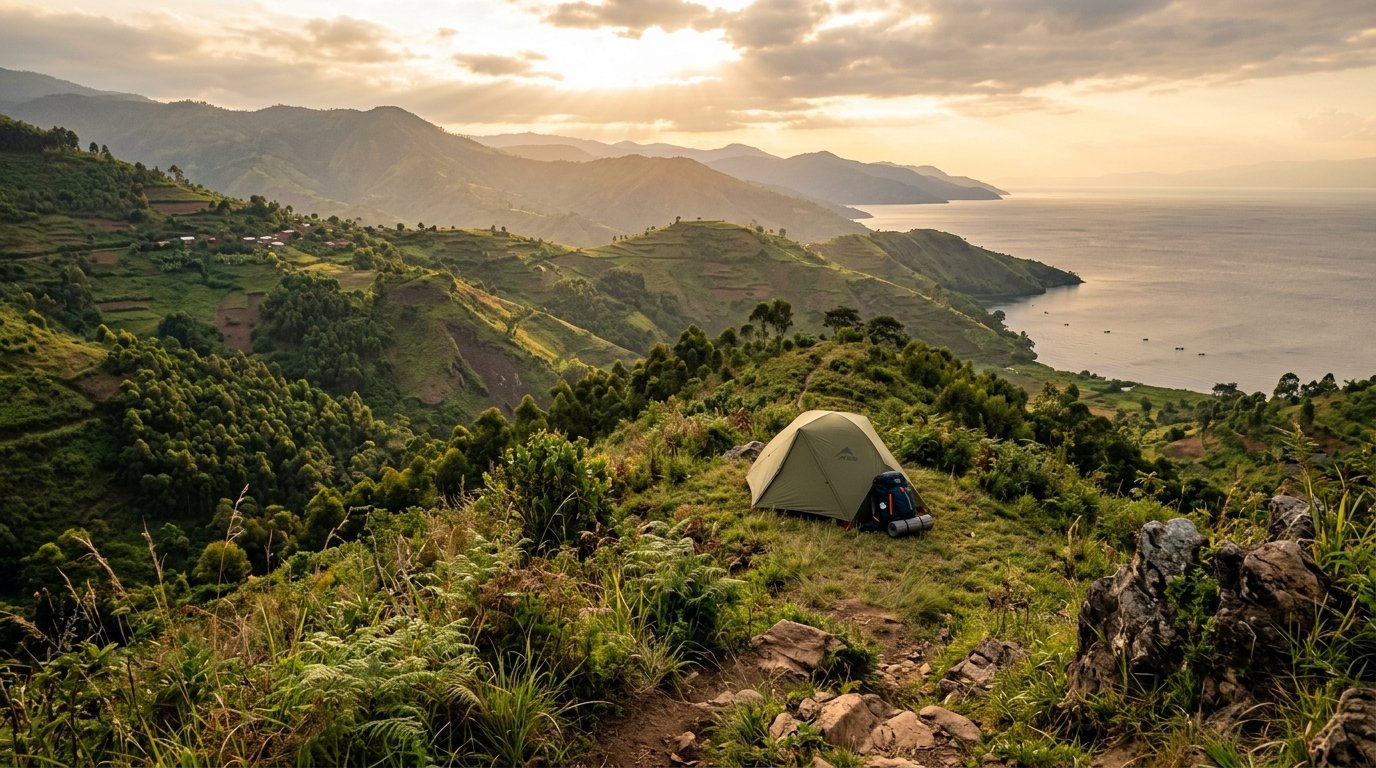
1. 🏕️ The Short Answer
Wild and dispersed camping is effectively illegal and highly discouraged for foreign tourists in Burundi. If you plan to camp, you are strictly restricted to officially designated sites within national parks or secured private grounds, such as walled hotel compounds and eco-lodges.
2. 🌲 Wild & Dispersed Camping Rules
- Is camping outside official campsites legal for tourists on public land? No. There is no legal framework or cultural tolerance for wild camping by foreign tourists on public land in Burundi. Attempting to pitch a tent in rural or wilderness areas outside of managed zones will immediately draw suspicion from locals and authorities.
- Are there duration limits or distance rules? Because wild camping is banned, standard rules about distance from water or roads do not apply. You simply cannot pitch a tent on public land.
- Is this actively enforced? Yes, active enforcement is a reality. Burundi maintains strict domestic security protocols. The movement of foreigners is closely monitored by local police, military checkpoints, and community leaders. If you are found camping in the wild, you will almost certainly be interrogated by security forces and instructed to move to a formal hotel or police station for your own safety.
3. 🏞️ National Park & Protected Area Rules
- Do national parks have a separate camping permit system? Yes. Burundi’s three main national parks—Ruvubu, Kibira, and Rusizi—allow limited bush camping, but you must pay park entry fees and secure a camping permit from park authorities.
- Is camping restricted to designated sites and does it require advance booking? Camping is strictly limited to designated zones within the parks. Advance booking through a local tour operator or the park authority is absolutely essential. Facilities are incredibly basic (often non-existent), so you must bring all your own food, water, and gear. Furthermore, you are required to be accompanied by an official park guide or armed ranger during your stay.
- Are there seasonal closures? While the parks technically remain open year-round, seasonal weather dictates accessibility. During the heavy wet seasons (typically February to May and September to November), dirt tracks wash out, river levels rise, and remote campsites become entirely inaccessible and effectively closed to tourists.
4. 🚐 Van Life & Overnight Vehicle Sleeping
- Is it legal to sleep overnight in a vehicle in public spaces? No. Sleeping in a car or van along the roadside, at public rest stops, or in village car parks is illegal, unsafe, and highly discouraged. Furthermore, virtually all foreign embassies advise against any overland travel outside of the capital, Bujumbura, after dark.
- Does local law distinguish between “parking” and “camping”? In practice, no. A tourist lingering overnight in a parked vehicle will be viewed as a security anomaly. Local police and military patrols will intervene, regardless of whether you have set up camping equipment outside the vehicle.
- Are there designated overnight areas? There is zero “van life” infrastructure in Burundi (no European-style aires or RV parks). If you are traveling in a 4×4 with a rooftop tent, you must pay to park overnight inside an official national park campsite or negotiate to sleep inside a secure, walled, and guarded private compound (such as a hotel or missionary guest house).
5. 🔥 Campfires & Practical Restrictions
- Are open campfires generally allowed? Outside of national parks, open campfires by tourists are not permitted. Within national parks, fires are strictly limited to designated fire pits at your official campsite and should be managed by your local guide to prevent bushfires during the dry seasons (June to August and December to January).
- Key no-camp zones tourists should avoid:
- Border Regions: Absolutely avoid lingering or attempting to camp near the Democratic Republic of the Congo (DRC) border (including the Rusizi River outside park boundaries) and the Rwandan border.
- Military Areas: Do not park, camp, or take photographs anywhere near military bases, government infrastructure, or police checkpoints.
- Isolated Rural Areas: Never camp in unlit, isolated rural areas or agricultural land without the express invitation and protection of a local village chief, though sticking to official lodging is vastly preferred.
6. 🔗 Official Sources & Links
To verify the latest information, book park permits, and check current security conditions, consult the following resources:
- Burundi National Tourism Office (Ministère du Tourisme) – The official government tourism portal.
- Visit Burundi – A comprehensive, independent portal for discovering national park operators, travel logistics, and local guides.
Disclaimer: Land-use laws, park regulations, and security situations in Burundi can change rapidly. Always consult your home country’s official travel advisories (e.g., US State Department or UK FCDO) and verify all camping and travel plans with a trusted local Burundian tour operator before beginning your journey.

Adrenaline junkie with a passion for exploring off-the-beaten-path destinations and finding unique ways to stay active. Expect stunning scenery, challenging workouts, awesome travel tips and a whole lot of fun. Let’s get sweaty and explore the world together!