
1. 🏕️ The Short Answer
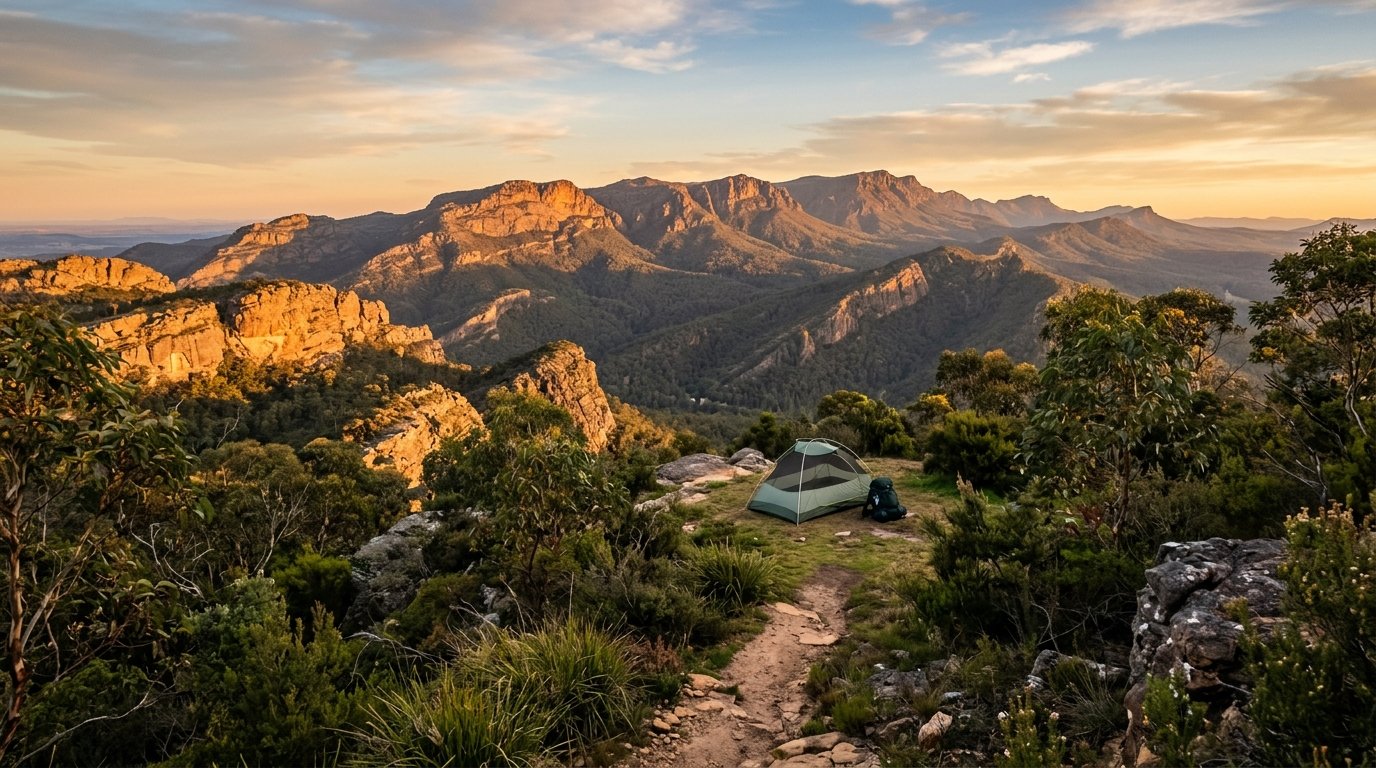
True “wild camping” anywhere you please is generally illegal for tourists in Australia, as pulling over on random public land or beaches to sleep is strictly prohibited. However, the country compensates with a massive, highly structured network of thousands of designated free or low-cost bush camps, state forest zones, and highway rest areas where overnight stays are perfectly legal and encouraged.
2. 🌲 Wild & Dispersed Camping Rules
- Legality on Public Land: Tourists cannot simply pitch a tent or park a van on any beach, city street, or random roadside. However, many State Forests and designated parcels of Crown Land permit legal, free dispersed camping. Private property and Indigenous lands strictly require advance permission or permits.
- Duration and Distance Limits: Rules vary heavily by state. In New South Wales, for example, you can legally camp in state forests for up to 28 consecutive days, provided you set up at least 20 meters away from waterways. In Tasmania, bush camping is allowed in some specific reserves if you are at least 500 meters from a road.
- Enforcement: Enforcement is highly active and strict, particularly along the East Coast, in tourist hubs (like Byron Bay or Noosa), and near beaches. Local rangers and police patrol these areas nightly, and tourists will face on-the-spot fines ranging from $300 to over $1000. In the remote Outback, enforcement is less frequent, but tourists are still legally required to use designated roadside stops.
3. 🏞️ National Park & Protected Area Rules
- Permit Systems: National parks are managed by individual states (e.g., Parks Victoria, NSW National Parks) rather than the federal government. Most require a vehicle park pass and a specific camping permit.
- Designated Sites & Booking: Dispersed wild camping is rarely allowed in Australian National Parks. Camping is strictly restricted to designated campgrounds. Advance online booking is highly recommended and often mandatory, especially during school holidays and the peak summer season.
- Seasonal Closures: Parks frequently experience total closures due to environmental factors. Expect closures during the summer bushfire season, the tropical “Wet Season” (November to April) in the north due to severe flooding and impassable roads, or during sensitive wildlife breeding cycles.
4. 🚐 Van Life & Overnight Vehicle Sleeping
- Sleeping in Vehicles: While federal law does not technically ban sleeping in a car to manage driver fatigue, local municipal councils control overnight parking laws. Sleeping overnight in a vehicle on city streets, beach car parks, or scenic lookouts is effectively illegal in most coastal and tourist-heavy councils.
- Parking vs. Camping: Australian local laws strictly distinguish between parking and camping. If you are legally parked, but you set up camp chairs, an awning, or a cooking stove outside your van, you are “camping” and risk immediate fines. Even if you stay inside the van, councils in tourist areas heavily fine overnight sleeping.
- Designated Overnight Areas: Tourists should rely on “RV-Friendly Towns,” 24-hour highway rest areas (designed for 20-hour fatigue management stays), and free council-run campsites. Essential digital tools for tourists include smartphone apps like WikiCamps or CamperMate to locate legal overnight parking spots.
5. 🔥 Campfires & Practical Restrictions
- Campfire Regulations: Due to extreme bushfire risks, open fires are heavily restricted. They are generally only allowed in established concrete or metal fire rings within designated campgrounds. During the warmer months, state fire authorities frequently declare Total Fire Bans (TFBs). During a TFB, all open flames—including campfires and solid-fuel cooking stoves—are strictly illegal, with severe financial and criminal penalties for non-compliance.
- Key No-Camp Zones: Tourists must entirely avoid unauthorized camping on First Nations land, active military training zones, local beach parking lots, urban commercial centers, and city parks.
6. 🔗 Official Sources & Links
To purchase park passes, book campsites, and review the most up-to-date state laws, tourists should consult:
- Parks Australia (For federal parks like Kakadu and Uluru)
- Tourism Australia – Road Trips & Campervan Guide
Disclaimer: Land-use laws, council by-laws, and fire regulations in Australia change frequently and can vary wildly from one town to the next. Foreign travelers should always read local street signage and verify current rules with official local government or state park sources prior to their trip.

Adrenaline junkie with a passion for exploring off-the-beaten-path destinations and finding unique ways to stay active. Expect stunning scenery, challenging workouts, awesome travel tips and a whole lot of fun. Let’s get sweaty and explore the world together!