
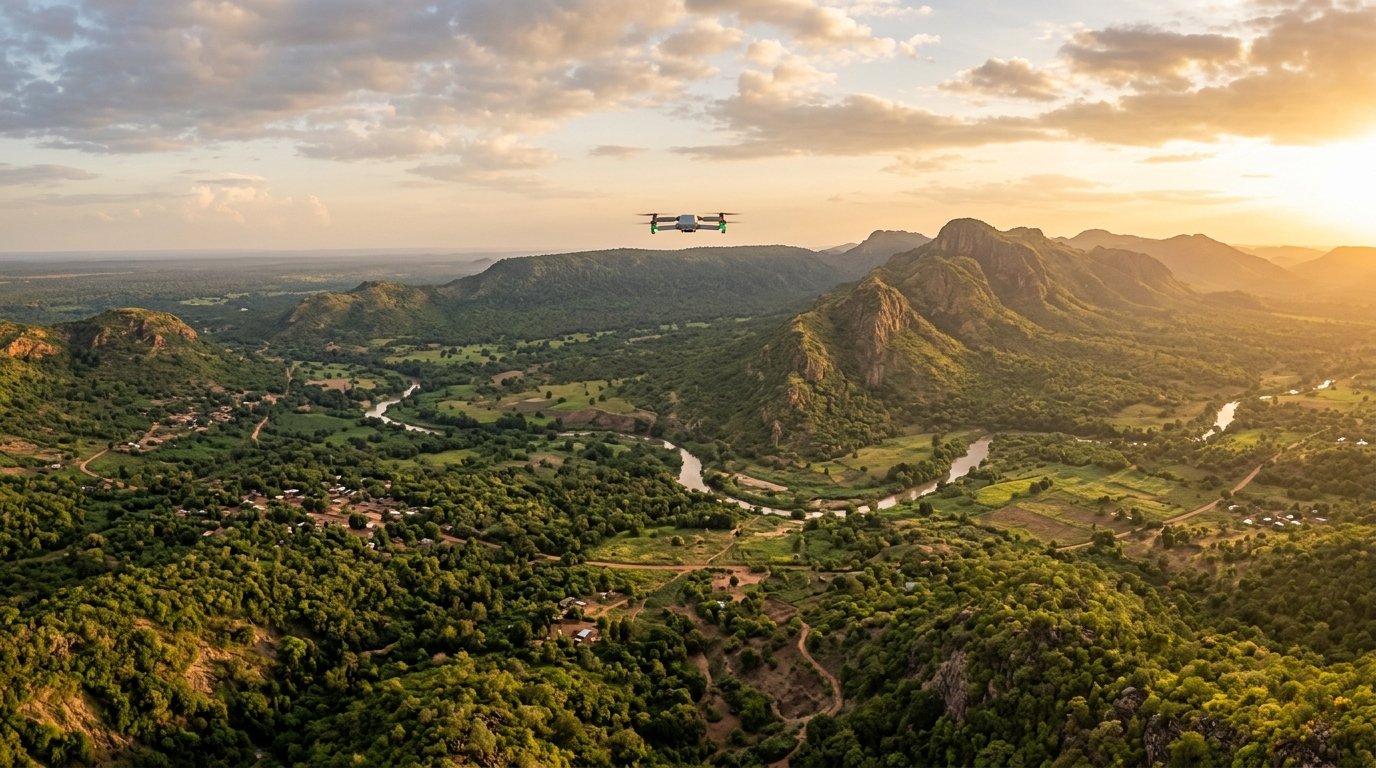
1. 🚦 The Short Answer
Recreational drones are allowed with strict registration in Benin. All foreign tourists must obtain a temporary flight authorization from the Agence Nationale de l’Aviation Civile (ANAC) before arriving in the country.
2. 🛃 Customs & Importation Rules
- Airport Customs: Tourists can legally bring a drone into Benin only if they have obtained prior written authorization from ANAC.
- Declarations: You must declare your drone at customs upon arrival and present your printed approval documents.
- Confiscation Risk: If you arrive at the border without prior authorization, customs officials are highly likely to confiscate your drone. It may be held until you obtain proper documentation, or you may face expensive storage fees and mandatory shipping requirements to send it back home.
3. 📝 Registration & Permit Process for Tourists
- Advance Approval Required: Yes, a foreign tourist must apply for a temporary permit at least 30 days before traveling to Benin.
- The Process: You must submit an application directly to ANAC. This application must include your proposed flight plans, technical details of the drone (such as make, model, and weight), and proof of temporary civil liability insurance covering your flights.
- Approval Timeline: Processing can take up to 30 days, and the issued temporary authorizations are typically valid for up to 90 days. Always carry physical copies of your authorization while navigating the country.
4. 🚫 Key Flight Rules & Restrictions
- Standard Operations: You must keep the drone within your visual line of sight at all times. Flights are strictly restricted to daylight hours and must take place in good weather conditions.
- Maximum Altitude: The maximum allowed altitude for recreational drone flights is 122 meters (400 feet) above ground level.
- Weight Classes: Recreational drones weighing 5kg or less are classified as Class 1. While lighter drones like the sub-250g DJI Mini are generally safer, Benin’s strict laws do not currently exempt them from the mandatory ANAC authorization process.
- No-Fly Zones: Do not fly over people, large crowds, or urban areas. You must maintain a distance of at least 10 kilometers from major airports, or 7 kilometers from smaller regional aerodromes. Flying near government buildings, military facilities, and sensitive heritage sites is strictly prohibited.
5. 🔗 Official Sources & Links
You can verify current rules, regulations, and contact information at the official local civil aviation authority website:
Disclaimer: Aviation laws and customs policies change frequently. Travelers should always double-check official government sources or contact ANAC directly before planning their trip.
Adrenaline junkie with a passion for exploring off-the-beaten-path destinations and finding unique ways to stay active. Expect stunning scenery, challenging workouts, awesome travel tips and a whole lot of fun. Let’s get sweaty and explore the world together!