
1. 🚦 The Short Answer
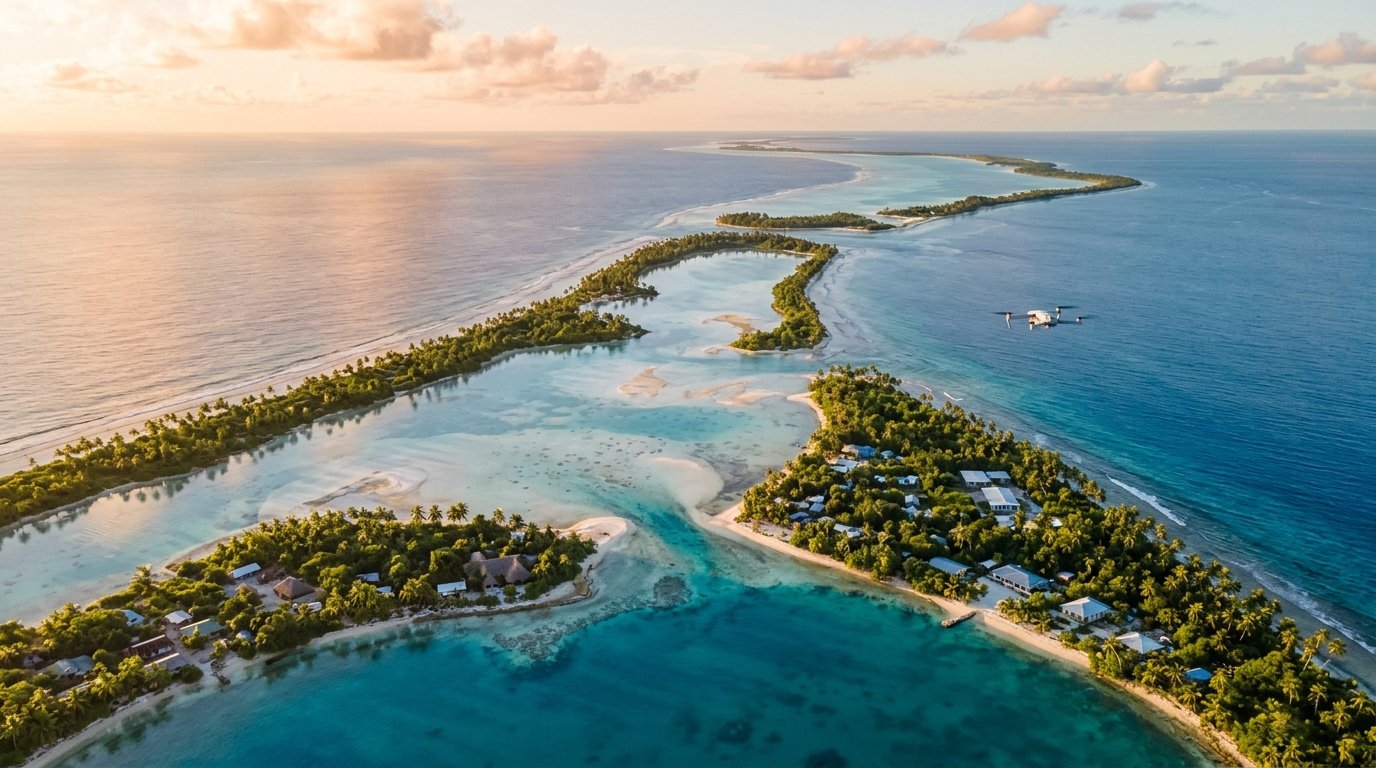
Recreational drones are generally allowed in Kiribati. The country currently does not have strict, formal national drone regulations codified into law, meaning drone use is mostly unrestricted for foreign tourists. However, because the airspace is regulated by general international standards, you are expected to follow basic aviation safety guidelines recommended by the Pacific Aviation Safety Office (PASO).
2. 🛃 Customs & Importation Rules
- Bringing the Drone: Tourists can legally bring standard recreational drones into Kiribati through airport customs. There are currently no known bans or restrictions specifically targeting the importation of consumer drones.
- Declarations: There is no specific drone declaration paperwork to complete upon arrival. You only need to comply with standard traveler customs declarations.
- Confiscation Risk: Your drone will not be confiscated for lacking specific permit paperwork, but you must ensure you comply with international airline rules regarding lithium batteries (they must be packed safely in your carry-on luggage, never in checked bags).
3. 📝 Registration & Permit Process for Tourists
- Registration Requirements: Because Kiribati lacks a formal recreational drone framework, foreign tourists do not need to register their drones or obtain a permit before arriving.
- Process for Tourists: You can simply pack your drone and fly it recreationally upon arrival. There is no application step, no official portal, and no aviation exams to pass for hobbyist flights.
- Fees and Wait Times: Since no permit is required for recreational tourists, there are absolutely no fees to pay and zero waiting periods. Note: If you plan to fly commercially (e.g., paid filmmaking), you will need to contact the local aviation authorities for a specialized permit.
4. 🚫 Key Flight Rules & Restrictions
- Standard Operations: You must follow standard International Civil Aviation Organization (ICAO) rules: keep the drone within your direct visual line of sight at all times, only fly during daylight hours, and only fly in good weather conditions.
- Altitude Limits: Never fly your drone higher than 120 to 150 meters (400 to 490 feet) above the ground.
- Weight Restrictions: There are no specific sub-categories or weight class restrictions (like rules for sub-250g drones) codified into Kiribati law yet. The same general rules apply to all consumer sizes.
- No-Fly Zones: Do not fly within 8 kilometers (5 miles) of any airport, airstrip, or aircraft operating area. It is strictly prohibited to fly over large crowds, private property without permission, government buildings, and military facilities.
5. 🔗 Official Sources & Links
For the most accurate and up-to-date inquiries, travelers should refer to the oversight agencies governing Kiribati’s civil aviation:
- Pacific Aviation Safety Office (PASO)
- Ministry of Information, Communication and Transport (MICT) (which oversees the Civil Aviation Authority of Kiribati)
Disclaimer: Aviation laws and customs policies change frequently. While this information is current for 2026, travelers should always double-check with official Kiribati authorities or their specific airline prior to traveling to ensure smooth and lawful drone operations.
Adrenaline junkie with a passion for exploring off-the-beaten-path destinations and finding unique ways to stay active. Expect stunning scenery, challenging workouts, awesome travel tips and a whole lot of fun. Let’s get sweaty and explore the world together!