
1. 🚦 The Short Answer
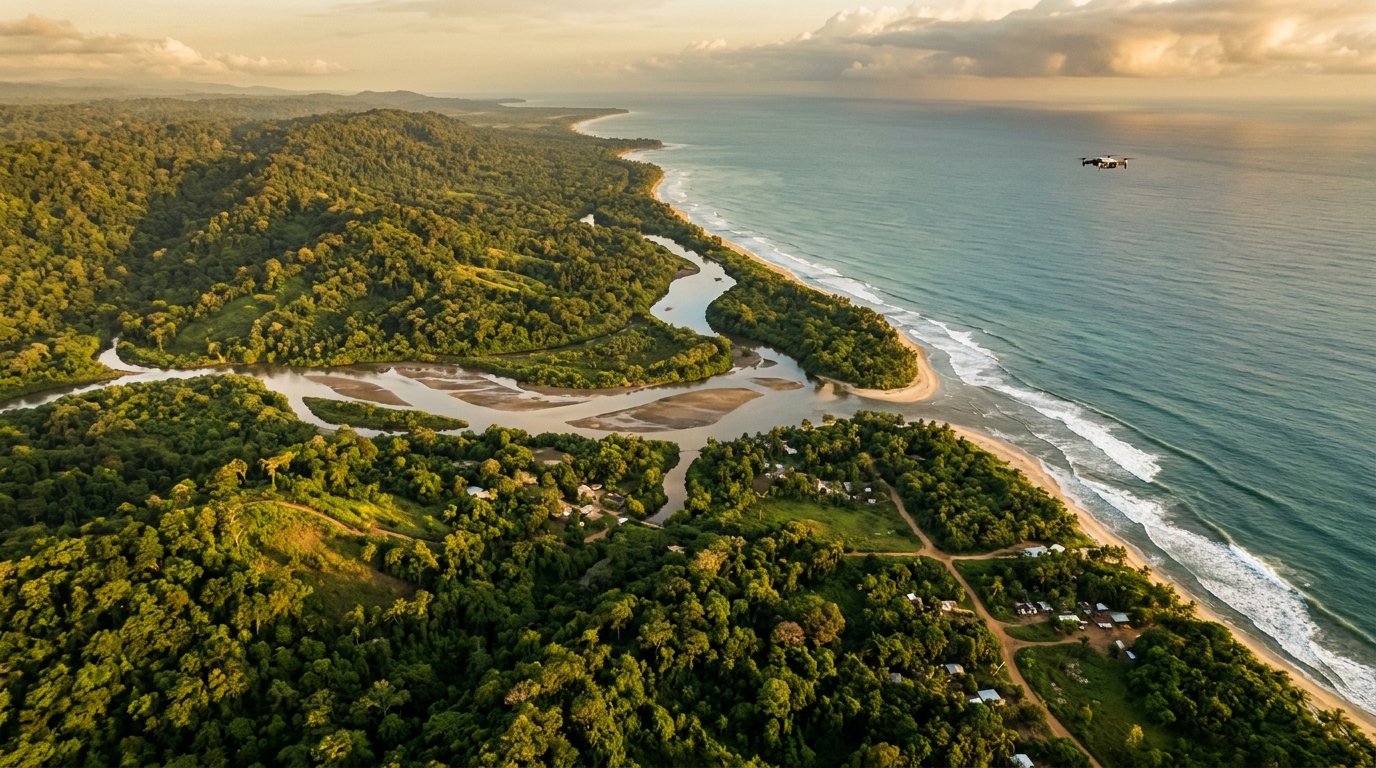
Recreational drones are permitted in Liberia, but they operate under evolving regulations. Foreign tourists can fly drones for fun by following standard international safety guidelines, provided any drone weighing over 1 kilogram is formally registered with local aviation authorities to avoid severe penalties.
2. 🛃 Customs & Importation Rules
- Airport Customs: Tourists can legally bring recreational drones into Liberia. There is no explicit import ban on personal unmanned aerial vehicles.
- Declarations: It is highly recommended to declare your drone and related electronic equipment upon arrival. Have your original purchase receipts ready to prove the equipment is for personal use and not for commercial resale.
- Confiscation Risks: While confiscation is rare for standard consumer drones, customs officers may inspect your equipment. Being transparent and polite at the border helps prevent unnecessary questioning or temporary holds.
3. 📝 Registration & Permit Process for Tourists
- Pre-Arrival Requirements: According to the Liberia Civil Aviation Authority (LCAA), drones weighing more than 1 kilogram (2.2 lbs) MUST be registered. Operating an unregistered drone over this limit carries exceptionally harsh legal penalties, including massive fines or imprisonment.
- Sub-1kg Drones: Drones under 1 kg currently do not require formal registration for recreational tourist flights, though operators must still follow basic safety rules.
- The Process: Because Liberia’s drone regulatory framework is still developing, there is no standardized online portal for tourists. If your drone requires registration, you must contact the LCAA directly well before your trip to request approval and clarify any permit fees.
4. 🚫 Key Flight Rules & Restrictions
- Visual Line of Sight: You must keep your drone within your direct visual line of sight at all times.
- Maximum Altitude: Flights are restricted to a maximum altitude of 120 meters (400 feet) above ground level for registered drones, and 15 meters (50 feet) for unregistered drones.
- Daylight Only: Night flights are strictly prohibited without a special exemption from the LCAA.
- Weight Classes: Since drones under 1 kg avoid the strict registration mandate, traveling with a sub-250g drone (like the DJI Mini series) is highly recommended for tourists to minimize legal friction.
- No-Fly Zones: Never fly near airports (maintain at least an 8 to 10 km distance). Strictly avoid flying over military bases, the Executive Mansion, government ministries, embassies, crowds, and critical infrastructure like water treatment and power plants.
5. 🔗 Official Sources & Links
For the most current information, direct inquiries, and registration details, travelers should consult the local aviation authority:
Disclaimer: Aviation laws and customs policies change frequently, especially in countries actively developing new unmanned aircraft frameworks. Always verify the latest regulations directly with the LCAA or your local embassy before booking your travel and flying your drone.
Adrenaline junkie with a passion for exploring off-the-beaten-path destinations and finding unique ways to stay active. Expect stunning scenery, challenging workouts, awesome travel tips and a whole lot of fun. Let’s get sweaty and explore the world together!