1. 🚦 The Short Answer
For foreign tourists, recreational drones are technically permitted in Vietnam but are governed by extremely strict military and police regulations that make casual flying nearly impossible. Under the latest 2025/2026 aviation laws (including Decree 288/2025), almost every drone must be registered, and most flights require an advance permit that mandates a local Vietnamese sponsor. Unless you are on a specialized guided tour willing to handle the paperwork, tourists should assume it is best to leave the drone at home.
2. 🛃 Customs & Importation Rules
- Can a tourist legally bring a drone into the country? Yes, but it operates in a legal gray area. Drones are not on the strictly prohibited import list, but they are categorized as specialized equipment requiring management.
- Declarations upon arrival: If stopped or asked by customs officers, you must declare your drone. Honesty is the best policy to avoid fines.
- Confiscation risks: Without pre-approved paperwork from the Ministry of National Defence, customs officers have the authority to hold your drone at the border. Historically, airports like Da Nang have been known to confiscate drones and hold them in a locker until the tourist’s departure flight.
3. 📝 Registration & Permit Process for Tourists
- Pre-arrival requirements: Yes, you must have your paperwork sorted long before flying. The police manage drone registration, while the Ministry of National Defence issues flight permits.
- Step-by-step summary: To apply, a foreign tourist must have a written guarantee from a local Vietnamese sponsor (like a local organization or tour agency). Your sponsor submits your drone’s specifications, your identity documents, and exact flight coordinates to the Ministry of National Defence.
- Fees and processing time: Applications must be submitted at least 7 to 12 working days prior to your flight. Because of the need for a local guarantor and translated documents, the process is lengthy, heavily bureaucratic, and rarely successful for independent budget travelers.
4. 🚫 Key Flight Rules & Restrictions
- Standard rules: If you miraculously secure a permit, you must fly during daylight, maintain visual line of sight, and strictly adhere to the exact GPS coordinates and timeframes approved in your permit.
- Sub-250g weight classes: Drones under 250g (like the DJI Mini) may be exempt from the per-flight military permit if flown strictly for recreation outside of restricted zones. However, the drone itself must still be registered with the local police, which again requires navigating complex local bureaucracy.
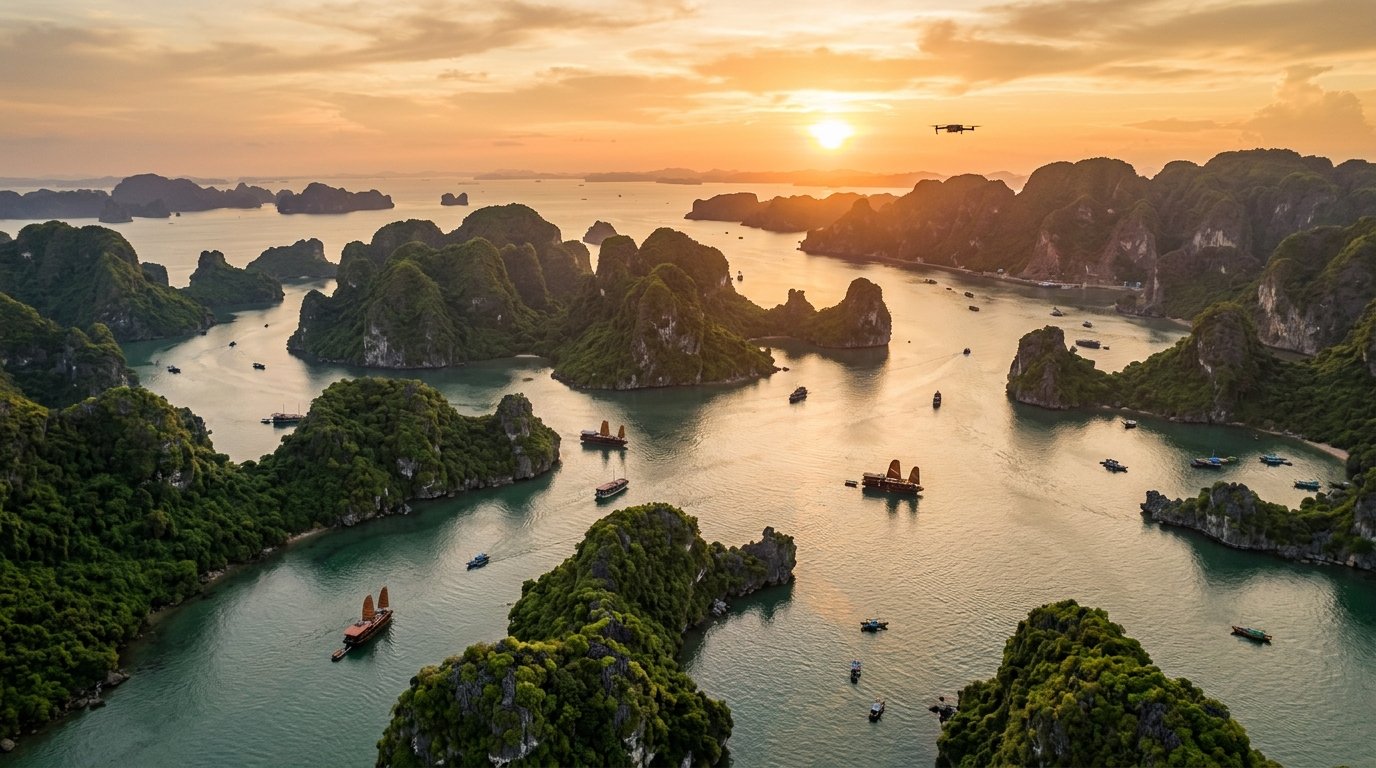
- No-Fly Zones: Never fly near military bases, government buildings, border regions (especially the sensitive northern borders), or airports. Major heritage sites (like Ha Long Bay) and national parks also require explicit, separate permission from local site managers.
5. 🔗 Official Sources & Links
For the most current information and to check official restricted airspace zones, travelers should consult:
- CAMBAY – Official Ministry of National Defence Map (The official portal for No-Fly and Restricted Zones)
- Civil Aviation Authority of Vietnam (CAAV)
Disclaimer: Aviation and drone laws change frequently. The rules in Vietnam were completely overhauled between 2025 and 2026. Travelers should always double-check with their local embassy, official authorities, or a licensed tour provider before attempting to travel internationally with a drone.

Adrenaline junkie with a passion for exploring off-the-beaten-path destinations and finding unique ways to stay active. Expect stunning scenery, challenging workouts, awesome travel tips and a whole lot of fun. Let’s get sweaty and explore the world together!