
Menu
Kamphaeng Phet Historical Park

Beyond Sukhothai: A Day Trip to the “Diamond Wall” of Kamphaeng Phet

If you are exploring the ancient capital of Sukhothai, it is easy to think you have seen it all. But just an hour south lies a “hidden” UNESCO site that feels wilder, older, and infinitely more mysterious.

I’m talking about Kamphaeng Phet Historical Park.

While Sukhothai is manicured and famous, Kamphaeng Phet feels like a lost city discovered in the jungle. The name literally translates to “Wall of Diamond”, a nod to its history as a fortress city built to protect the capital.

I recently took a day trip there, and if you have a free day in your itinerary, this is the side quest you need to take. Here is how to do it.

 How to Get There (And Why You Should Drive)

Kamphaeng Phet is roughly 80km south of Sukhothai.

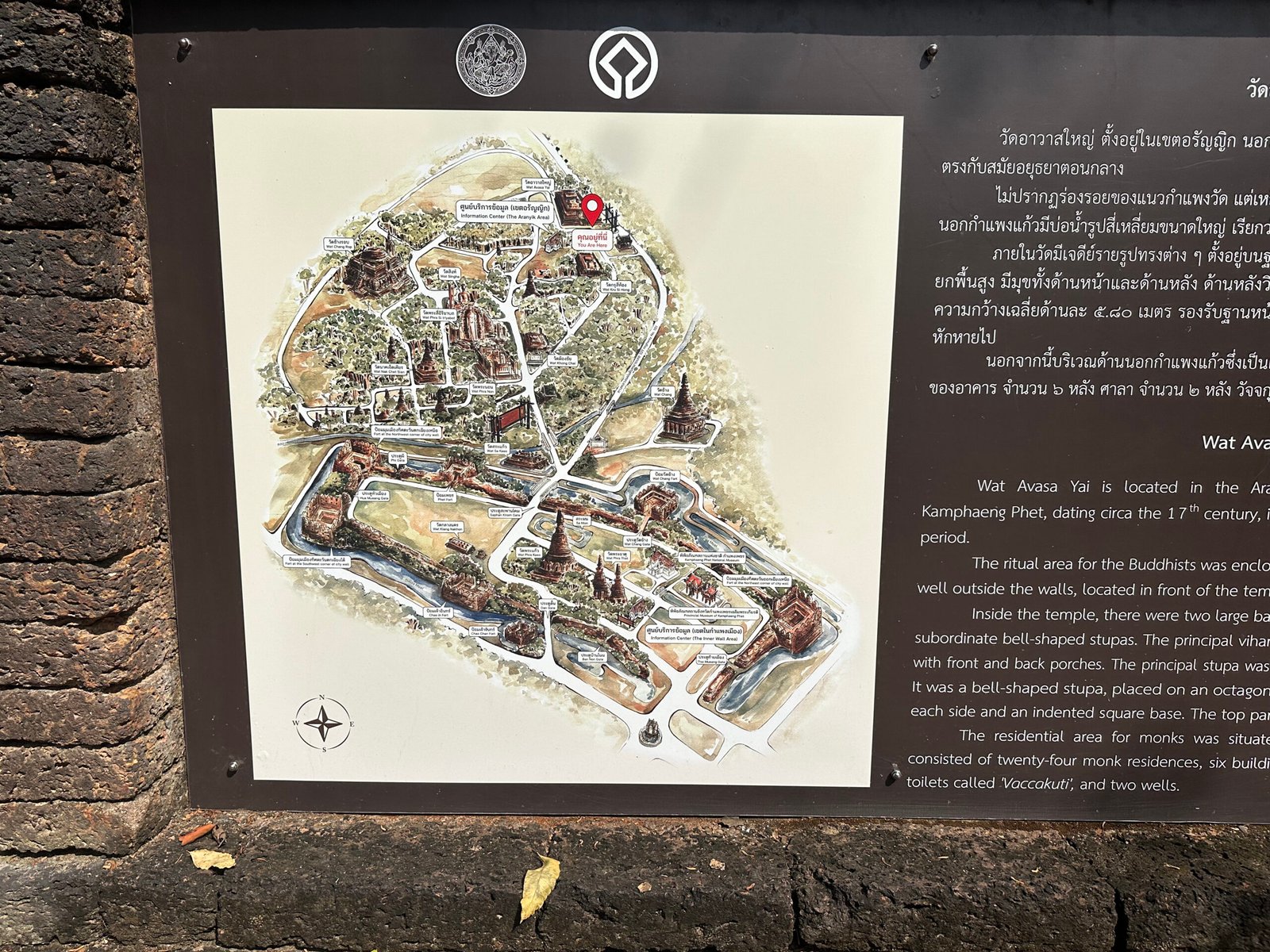
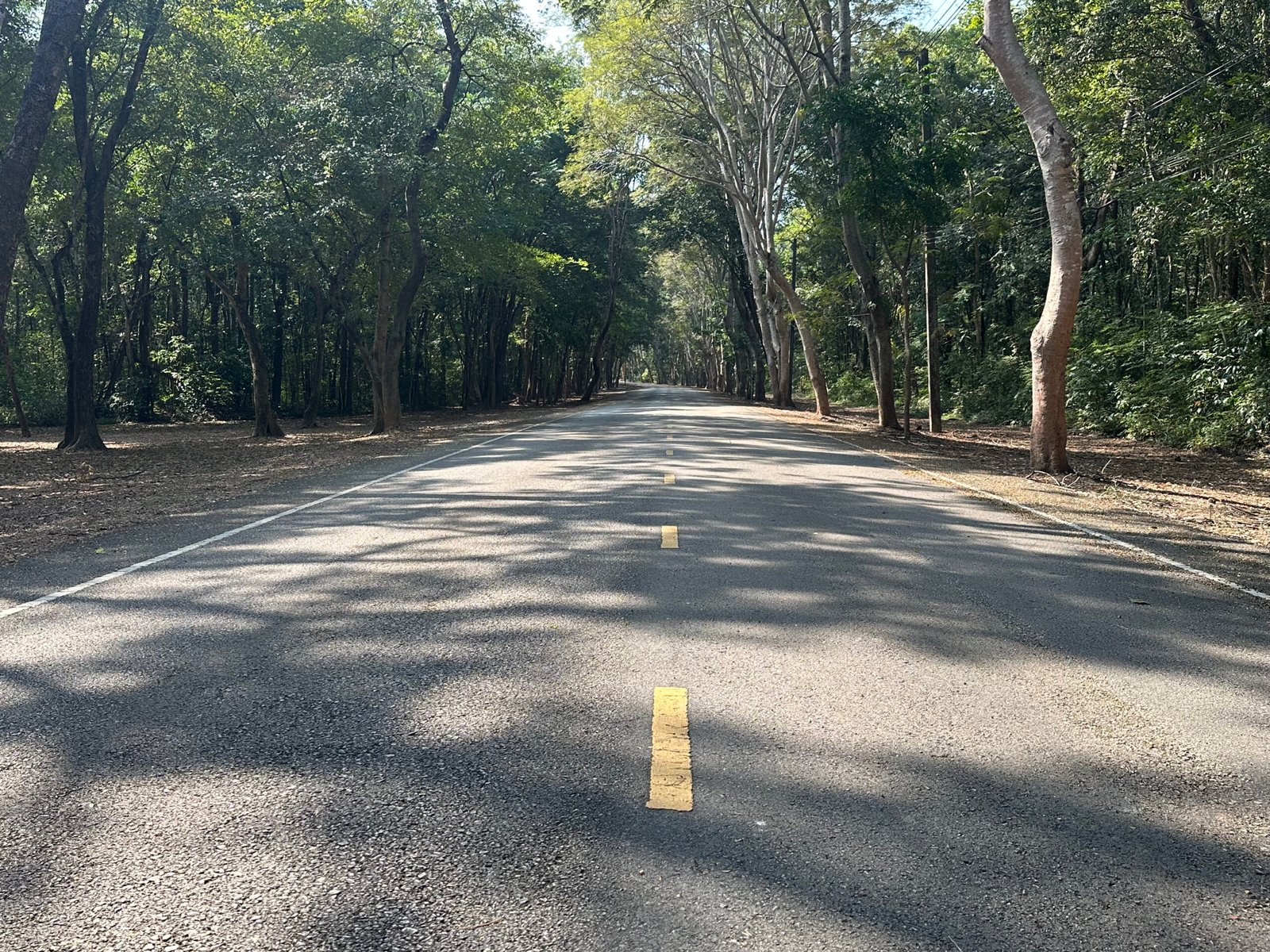
  • My Recommendation: Rental Car I rented a car for this trip, and I cannot recommend it enough. The drive is a straightforward shoot down Highway 101 and takes about 1 hour to 1 hour and 15 minutes. The park is split into two zones—the Central Zone (walled city) and the Aranyik Zone (forest area)—which are a few kilometers apart. Having your own car means you can zip between them easily and escape the midday heat.

  • Alternative: The Bus If you don’t drive, you can take a bus from the Sukhothai Bus Terminal, but it’s trickier. Most buses require a transfer in the town of Tak, pushing the travel time to over 3 hours. It’s doable, but it eats up a lot of your exploring time. Once you arrive at the bus station, you will need to hire a tuk-tuk or songthaew to get around the ruins.

The History: The “Diamond Wall”

Kamphaeng Phet literally translates to “Wall of Diamonds” (or “Wall as Hard as Diamond”). It served as a military frontier town protecting the southern border of the Sukhothai Kingdom.

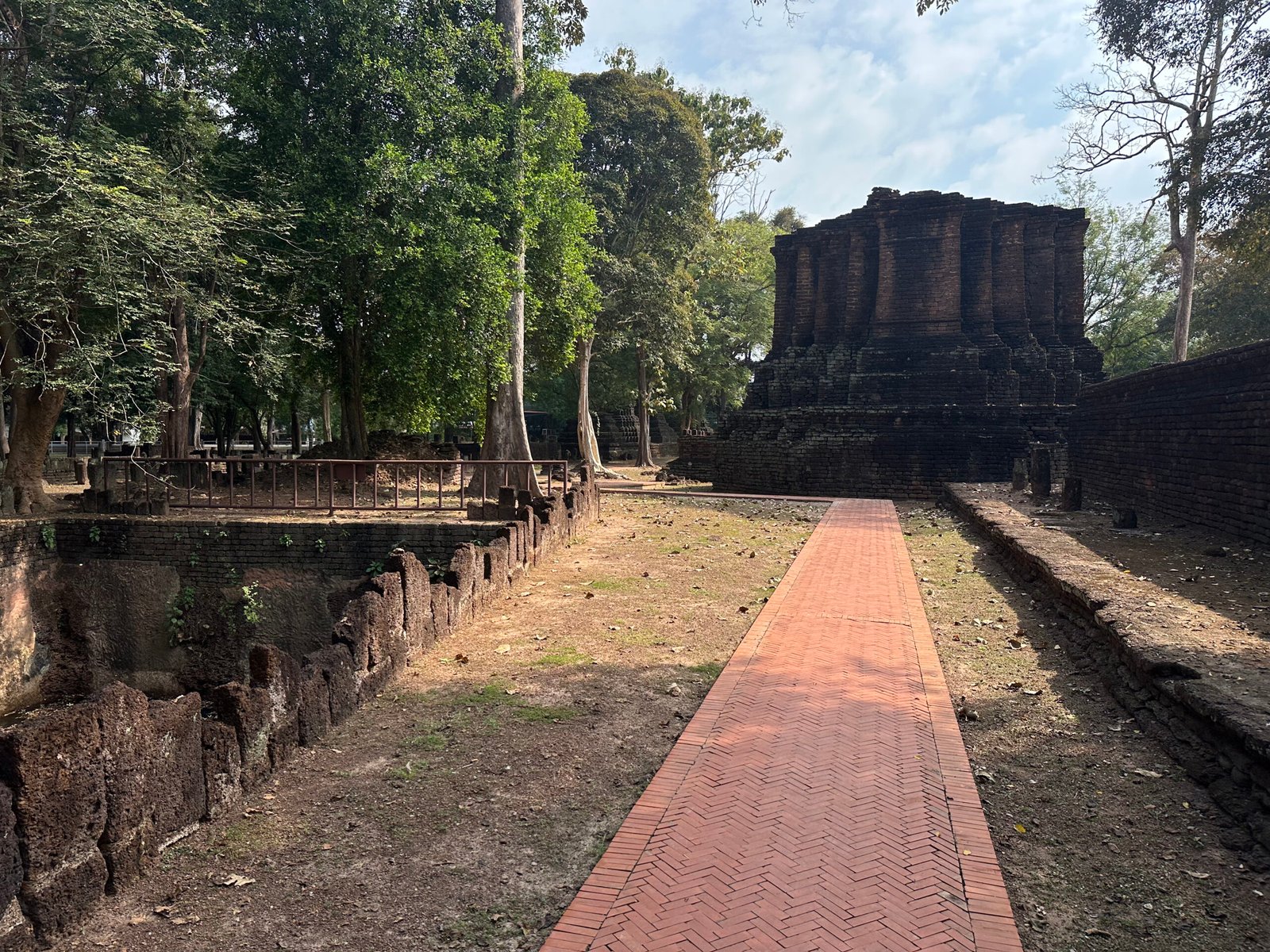
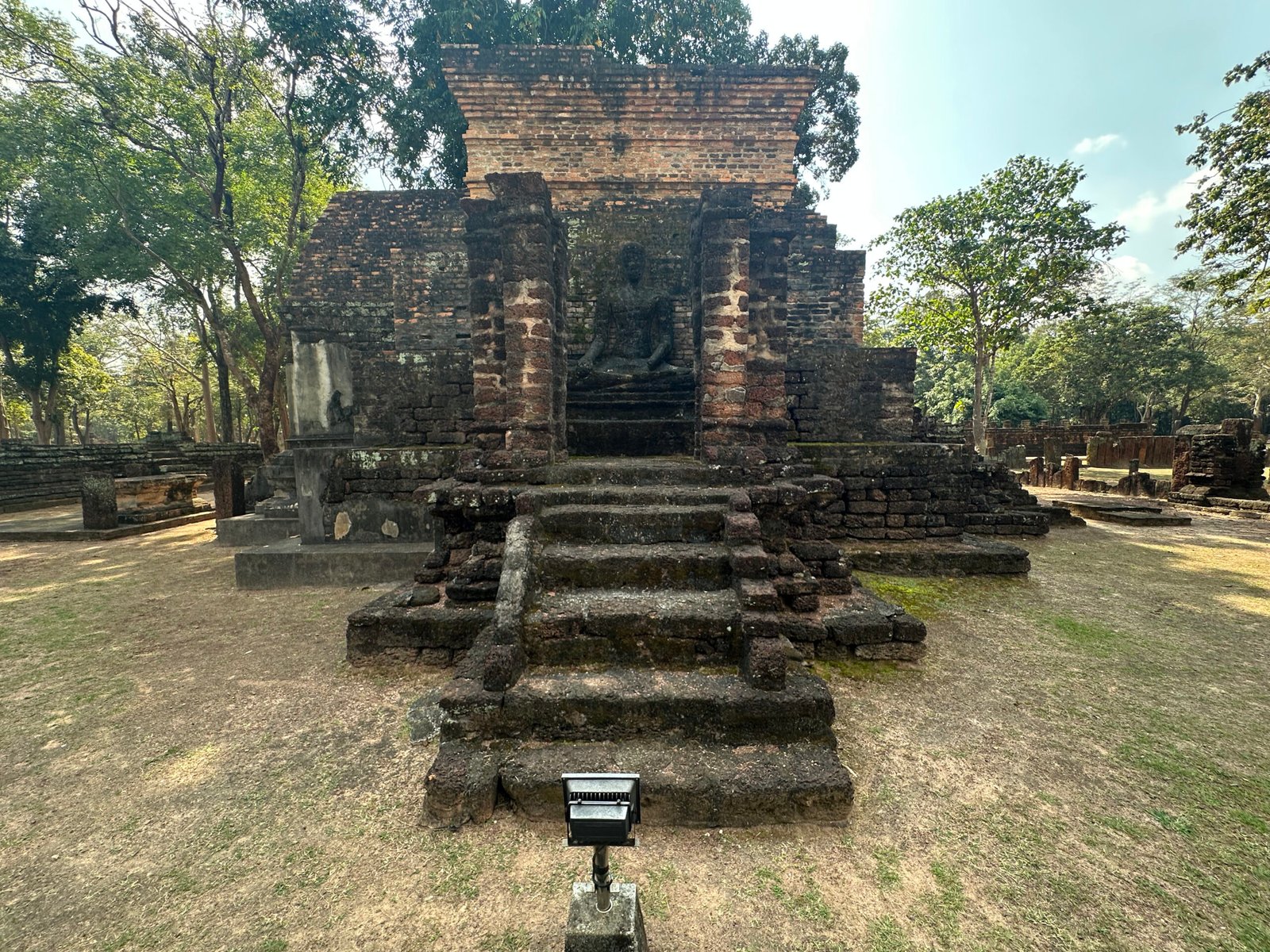
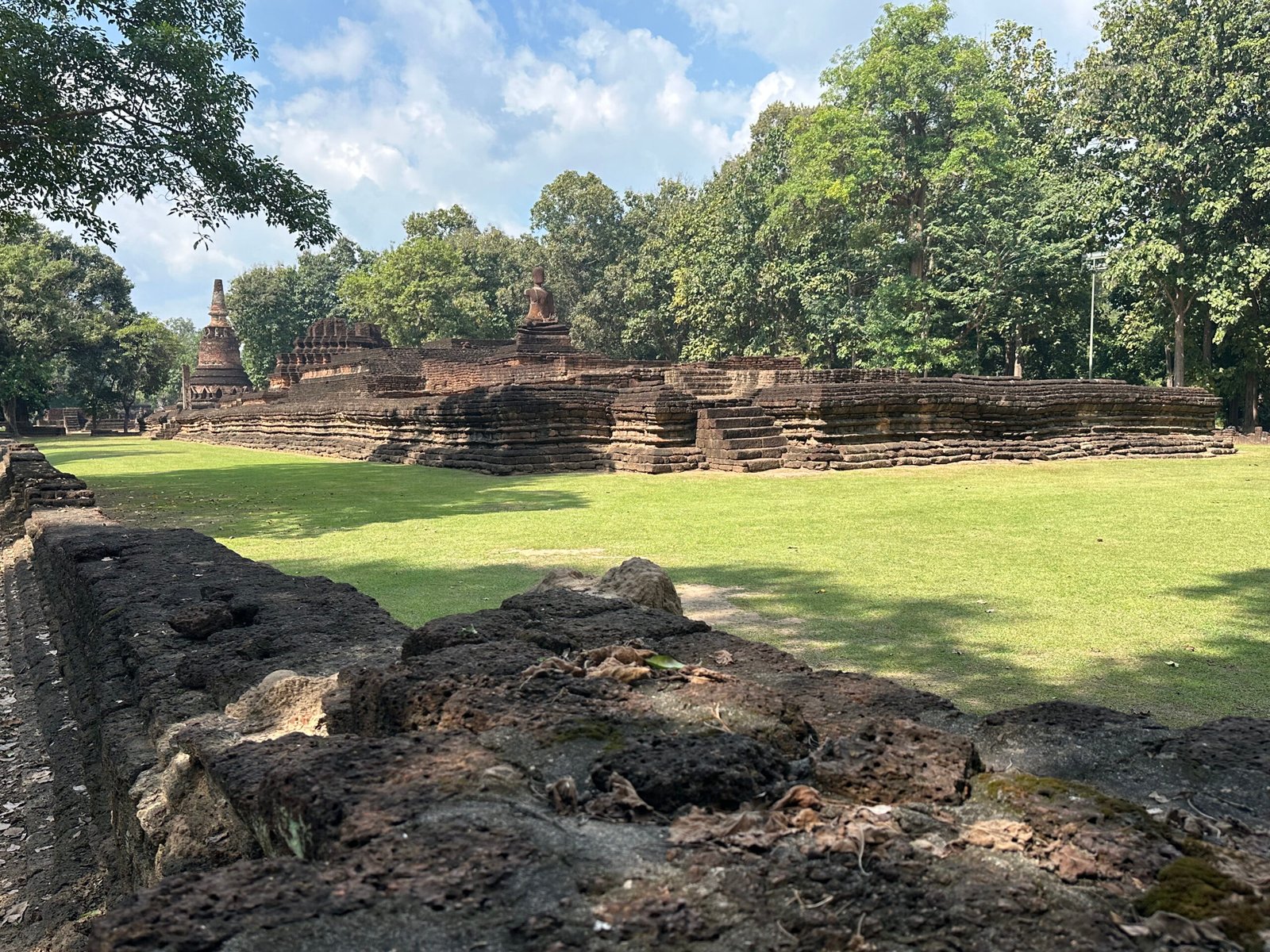
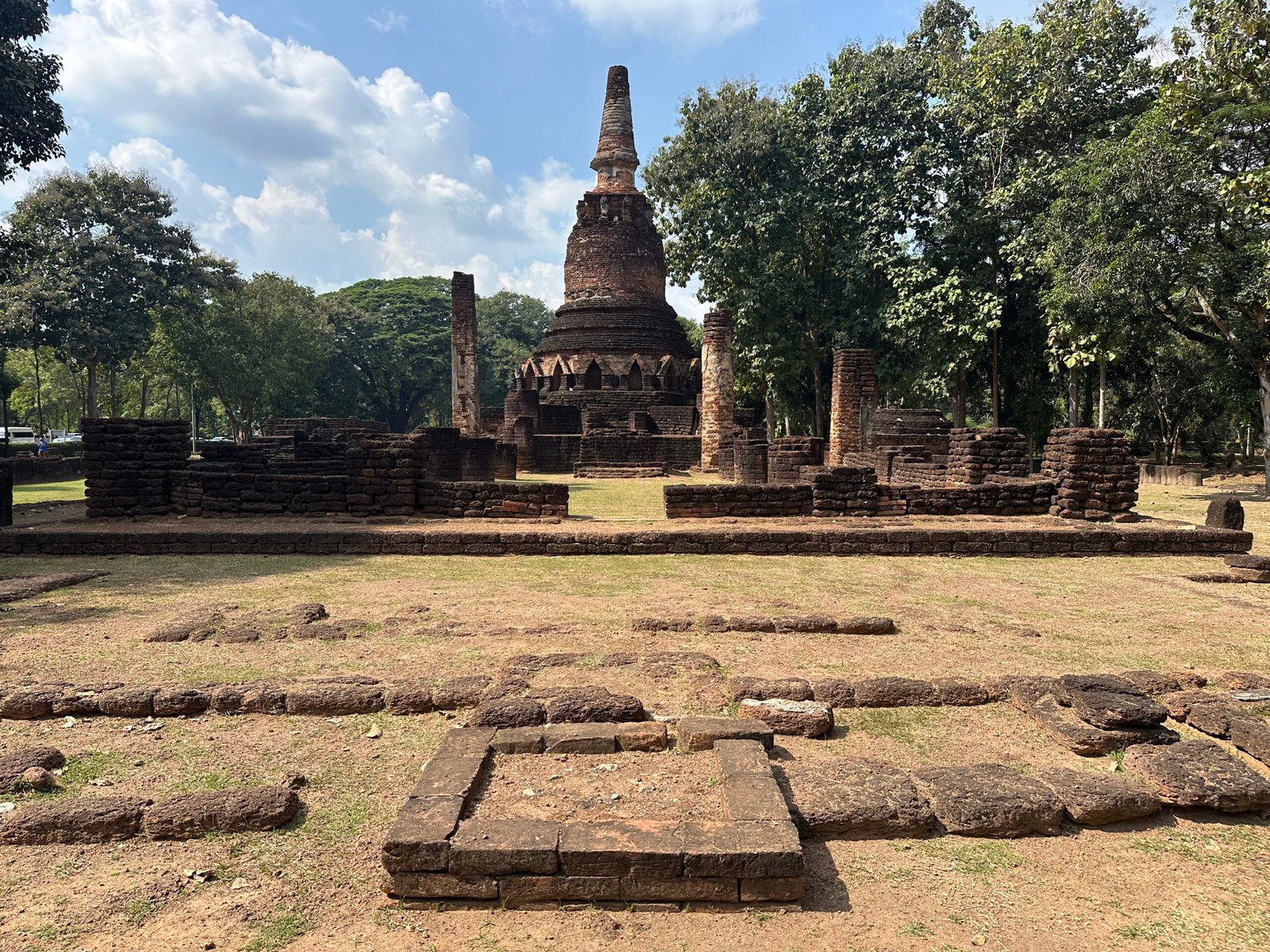
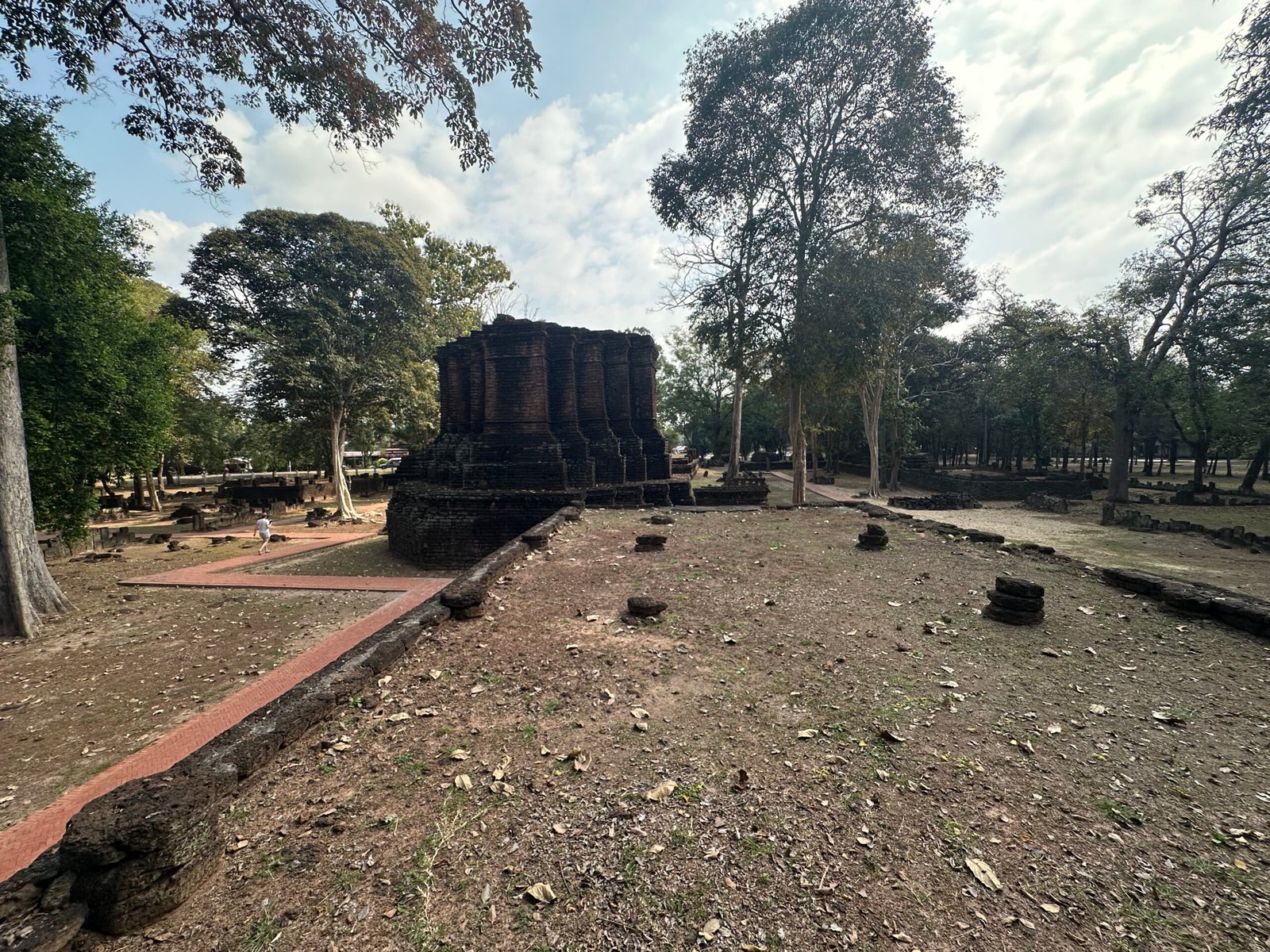
Because of its strategic military importance, the ruins here are built tough. You will notice the heavy use of laterite (a reddish, porous clay-stone) rather than brick, giving the temples a rugged, imposing look.

In 1991, it was declared a UNESCO World Heritage Site alongside Sukhothai and Si Satchanalai. Despite this prestigious status, it remains delightfully quiet.

Exploring the Ruins

Walking through the park, I was struck by how the forest has embraced the ruins. It feels ancient and untouched.
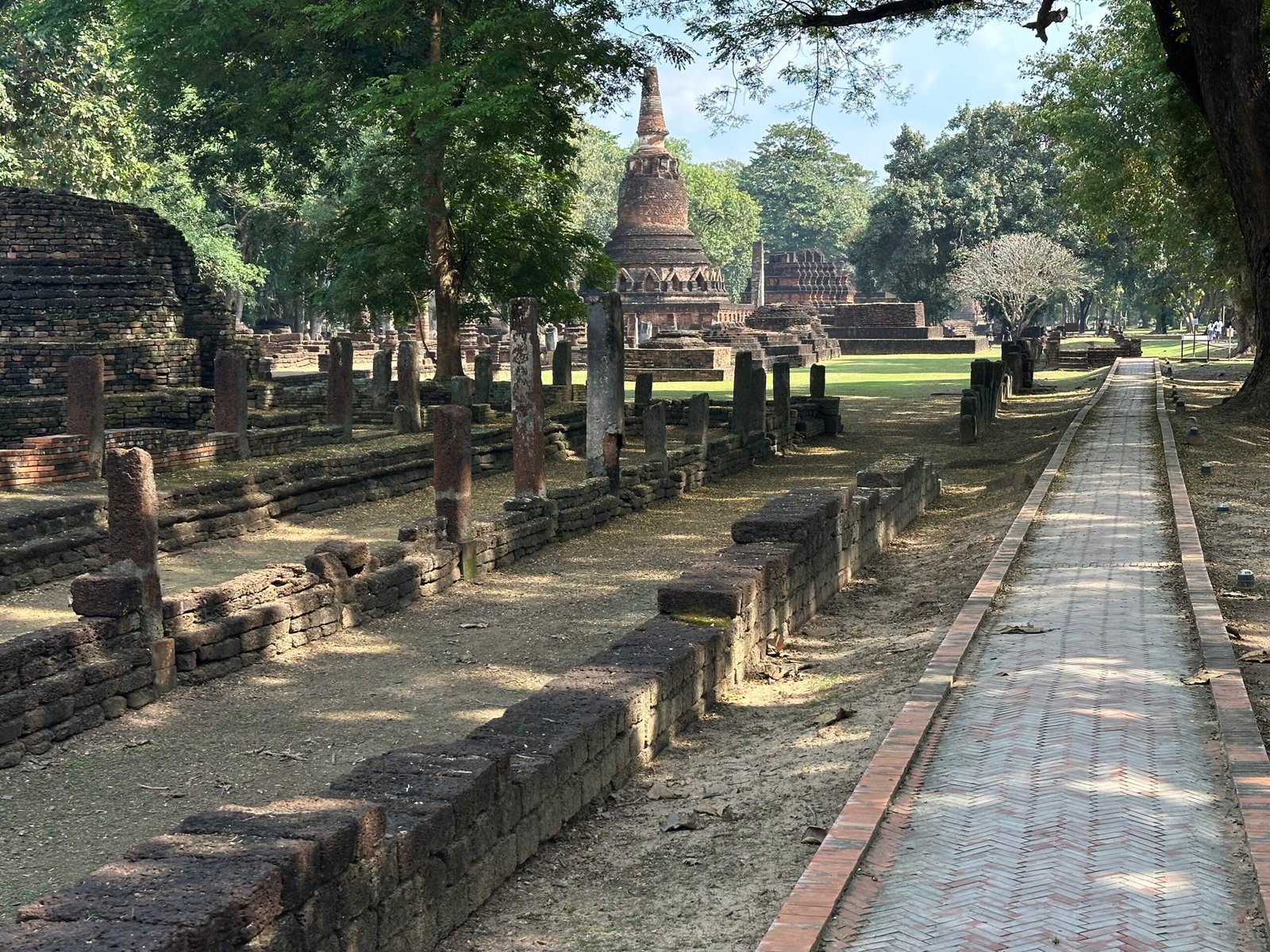
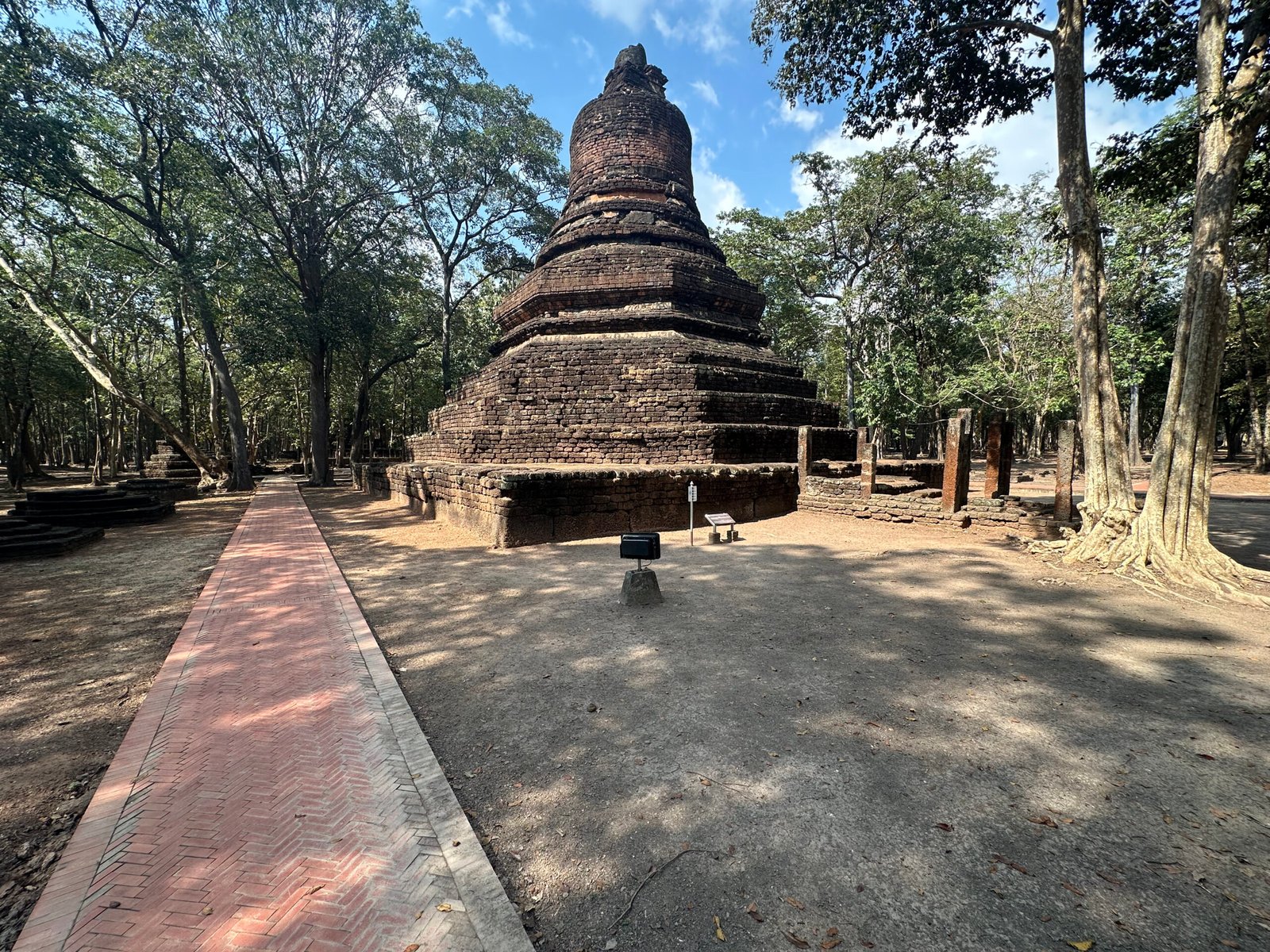
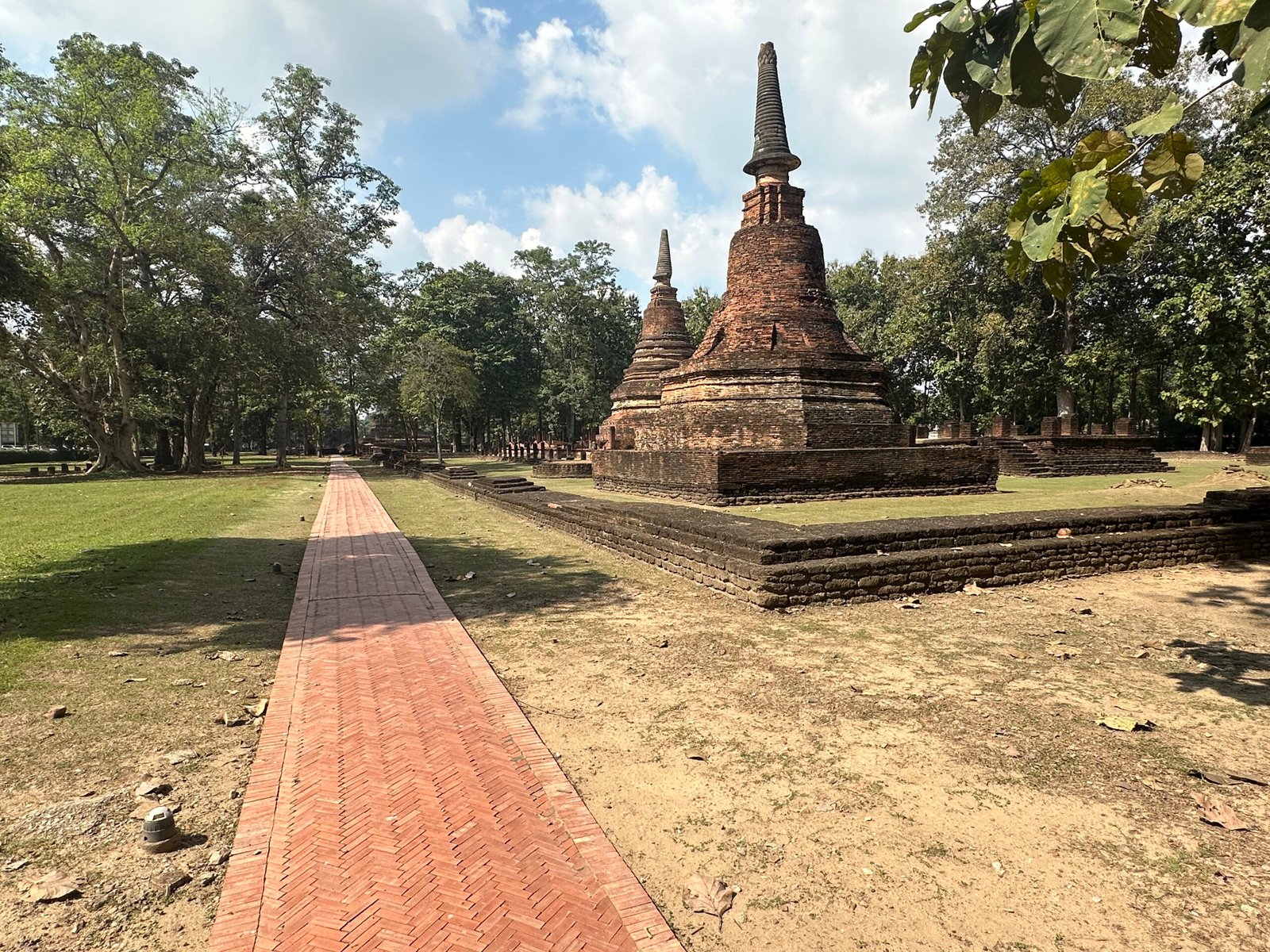
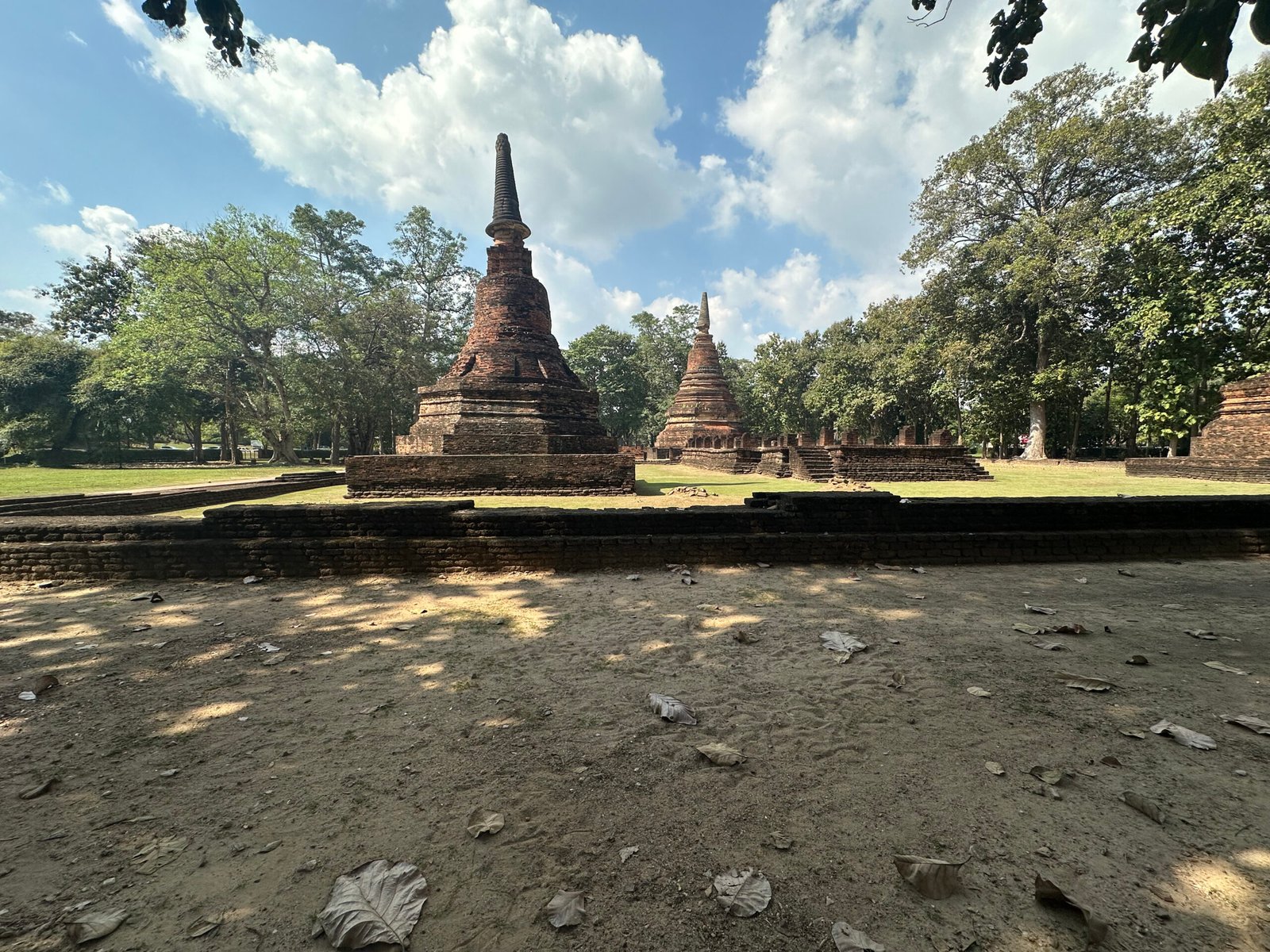
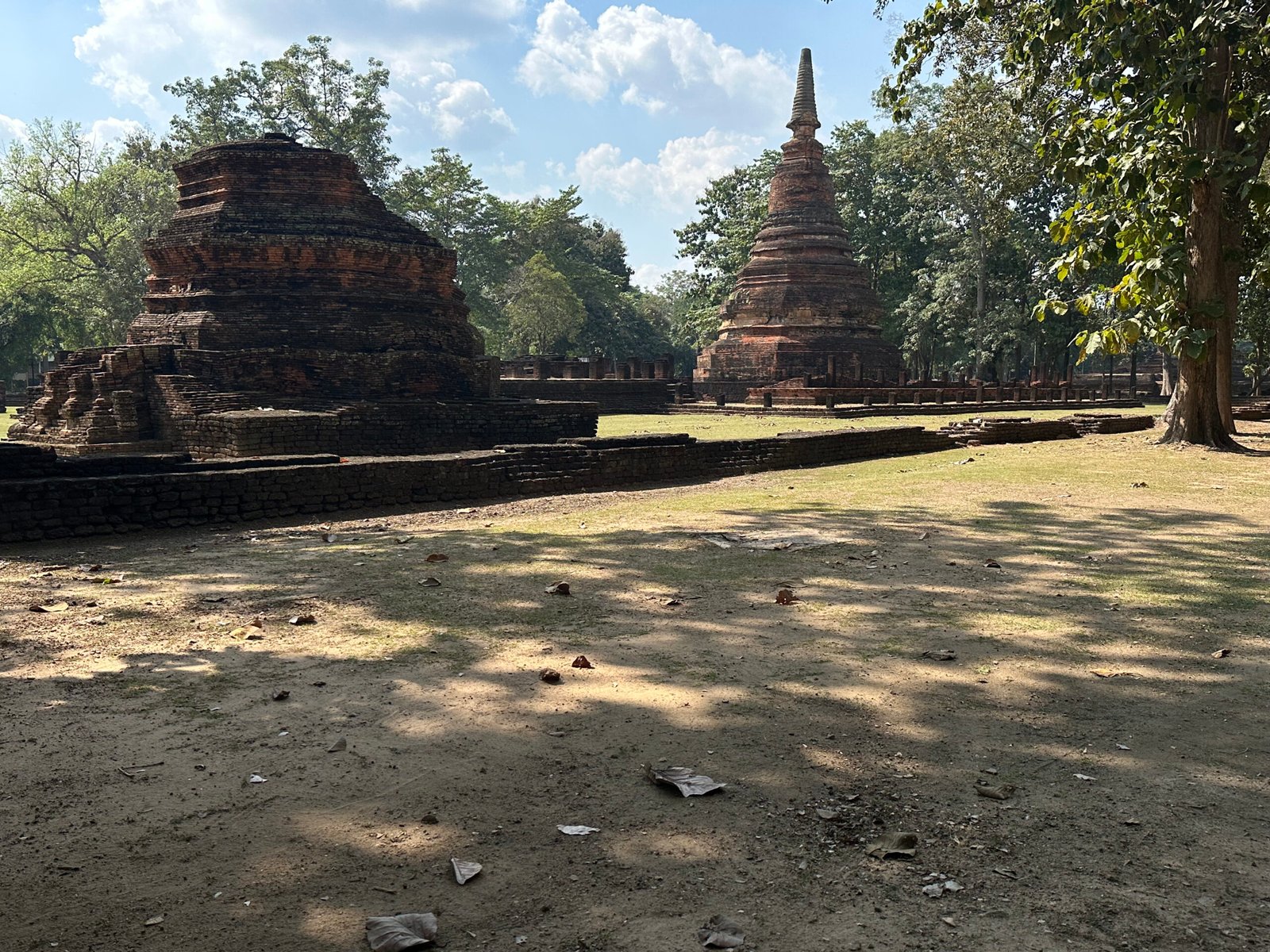
What amazed me most about Kamphaeng Phet was the atmosphere. In Sukhothai, you are often surrounded by other tourists. Here, in the Aranyik (Forest) Zone, I was often the only person standing among the ruins. The forest has grown around the temples, creating a beautiful contrast between the green canopy and the red laterite stone.

Here were the highlights that you defiantly should visit:

Wat Phra Si Iriyabot (The Temple of Four Postures)

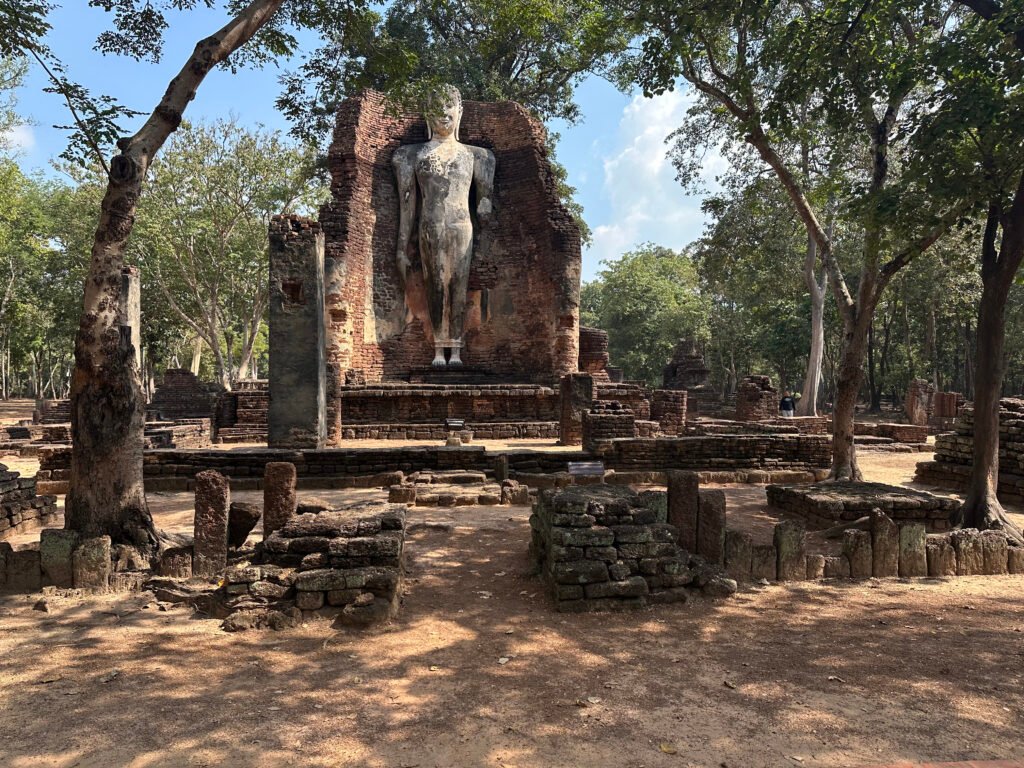
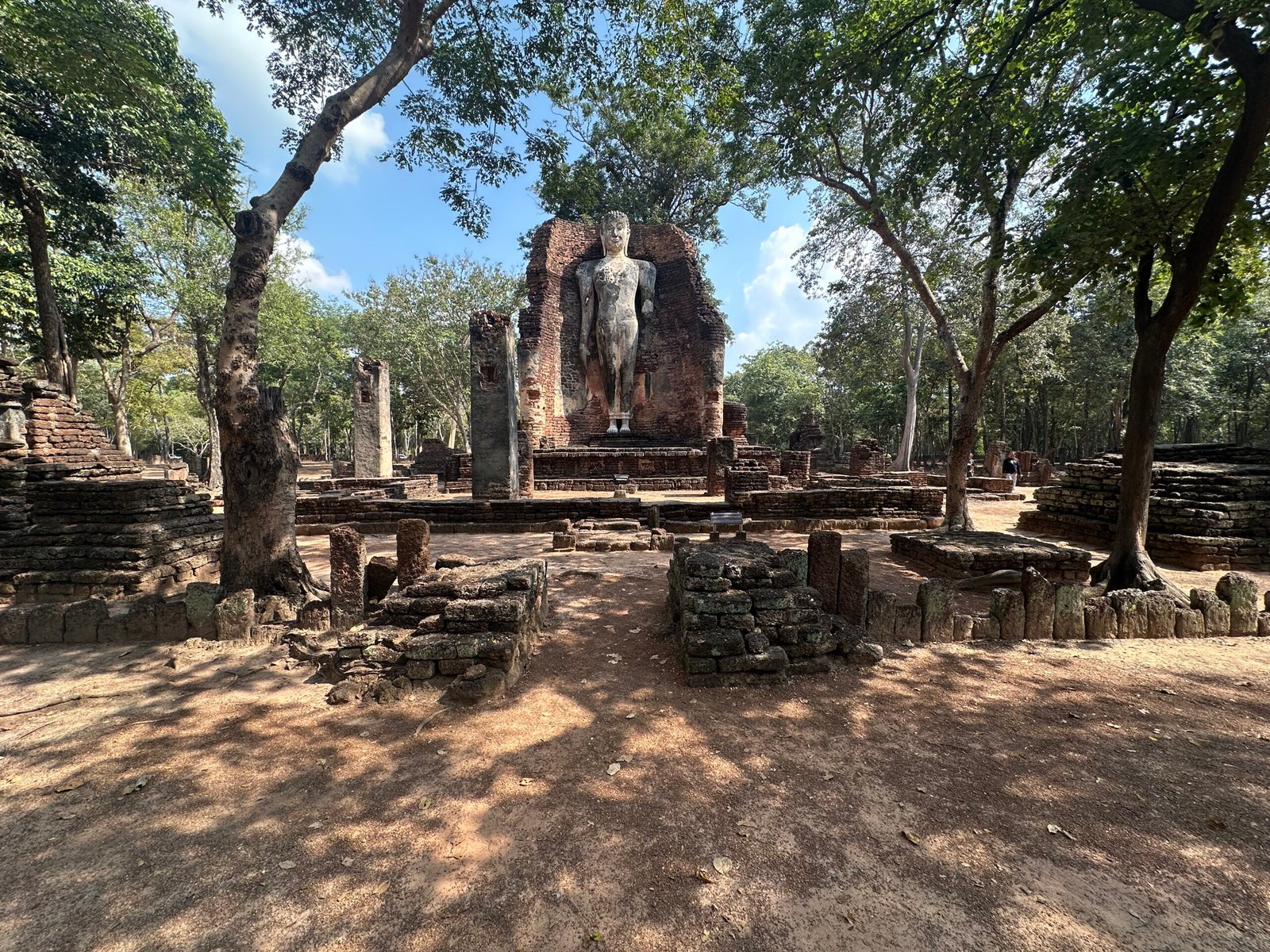
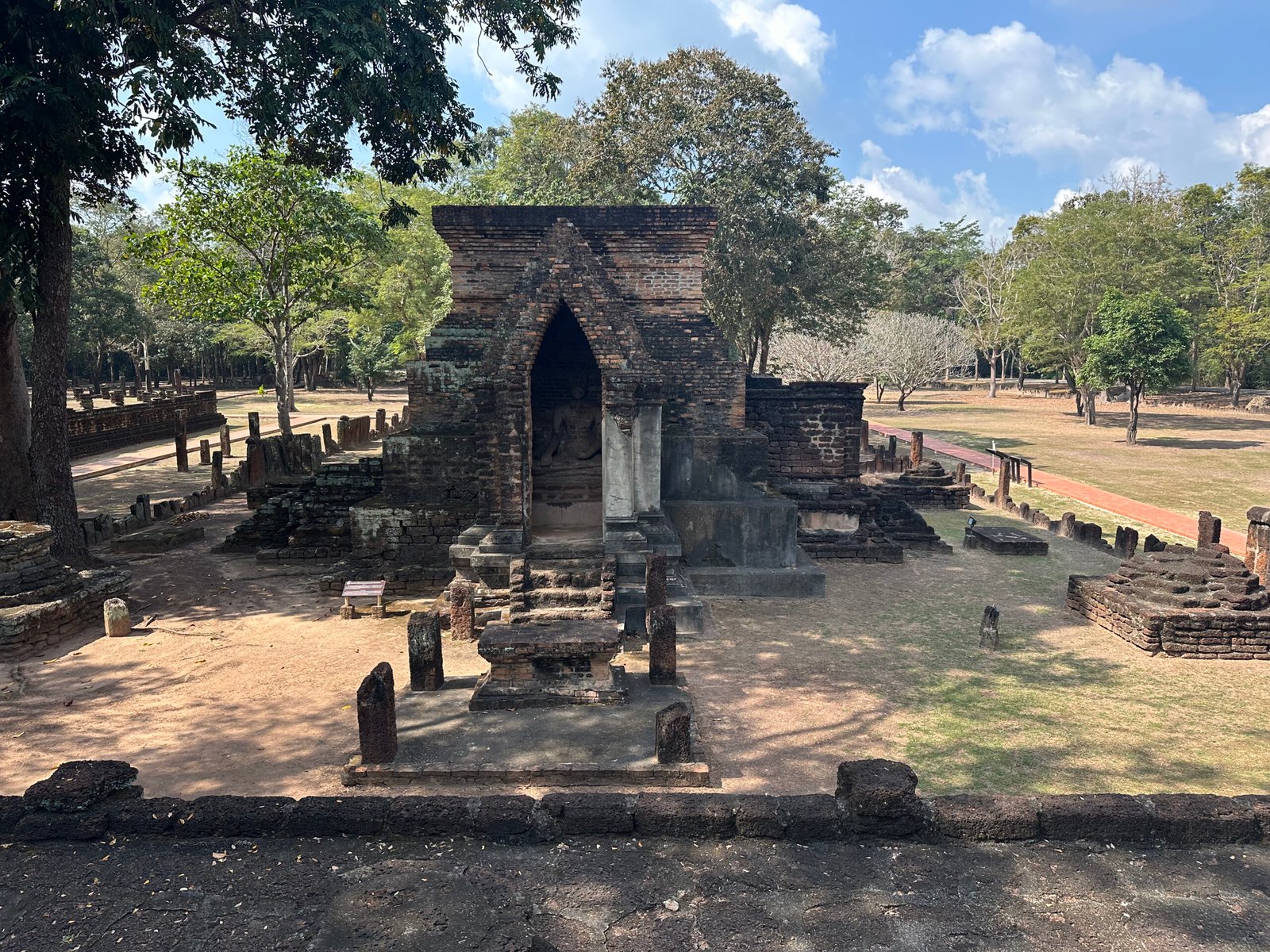
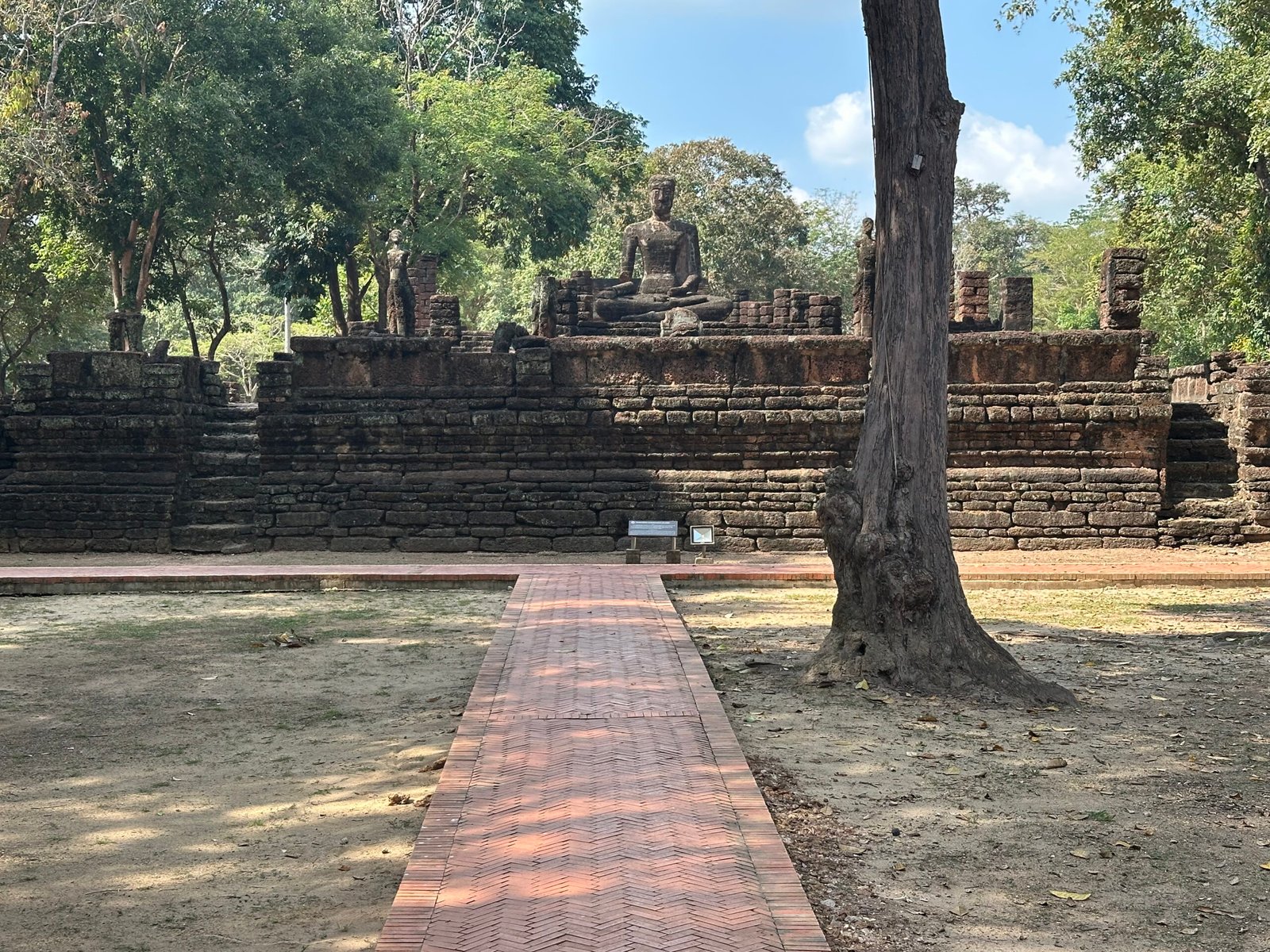
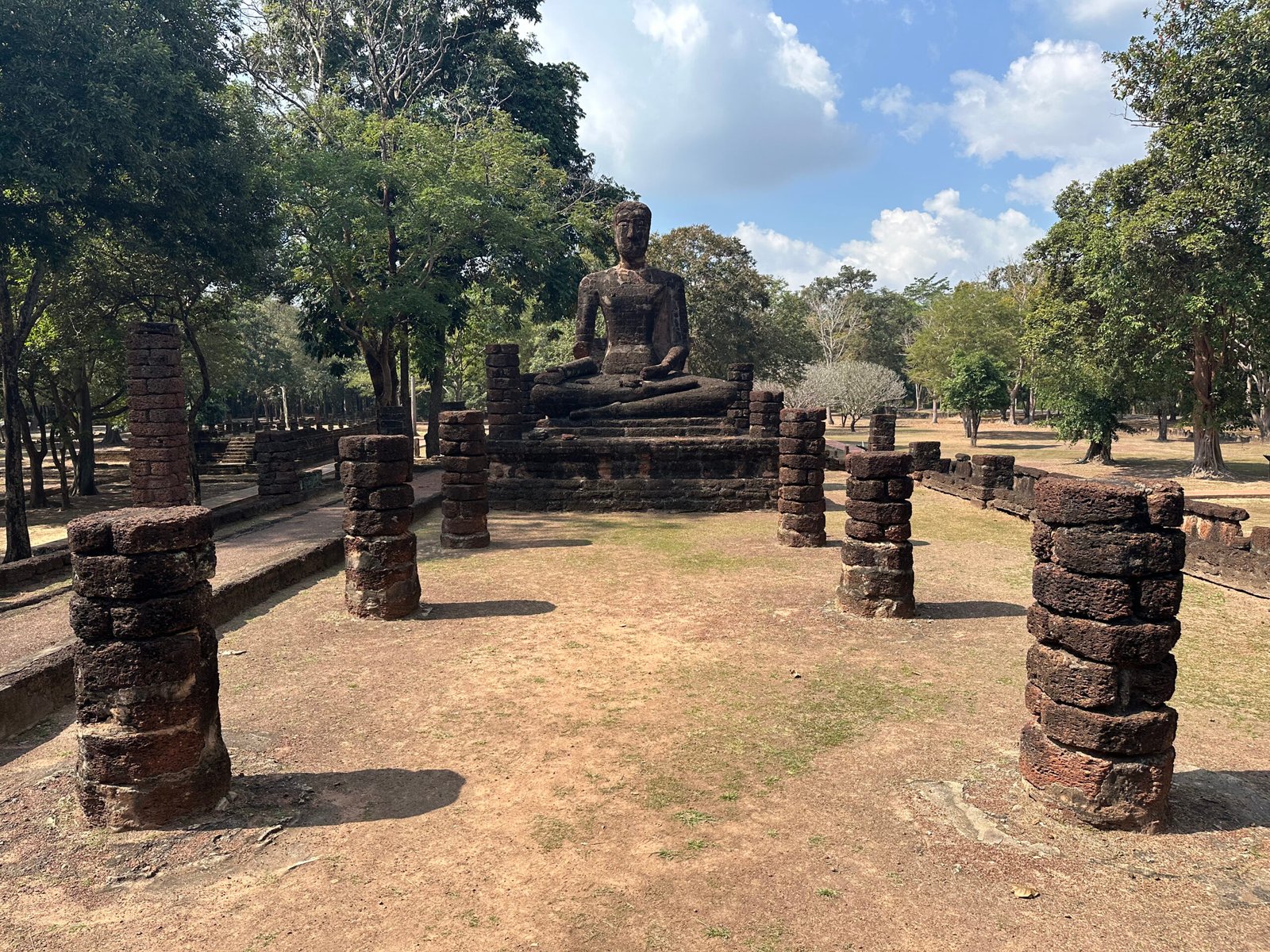
This was one of the most impressive stops. The name refers to the four positions of the Buddha: walking, sitting, standing, and reclining. While the other statues have crumbled over the centuries, the standing Buddha remains majestically intact. Seeing this towering figure tucked away in a narrow laterite shelter (which you can see in my photos) was a humbling moment. The scale is massive, yet the expression is incredibly peaceful.

Wat Chang Rop (The Temple Surrounded by Elephants)

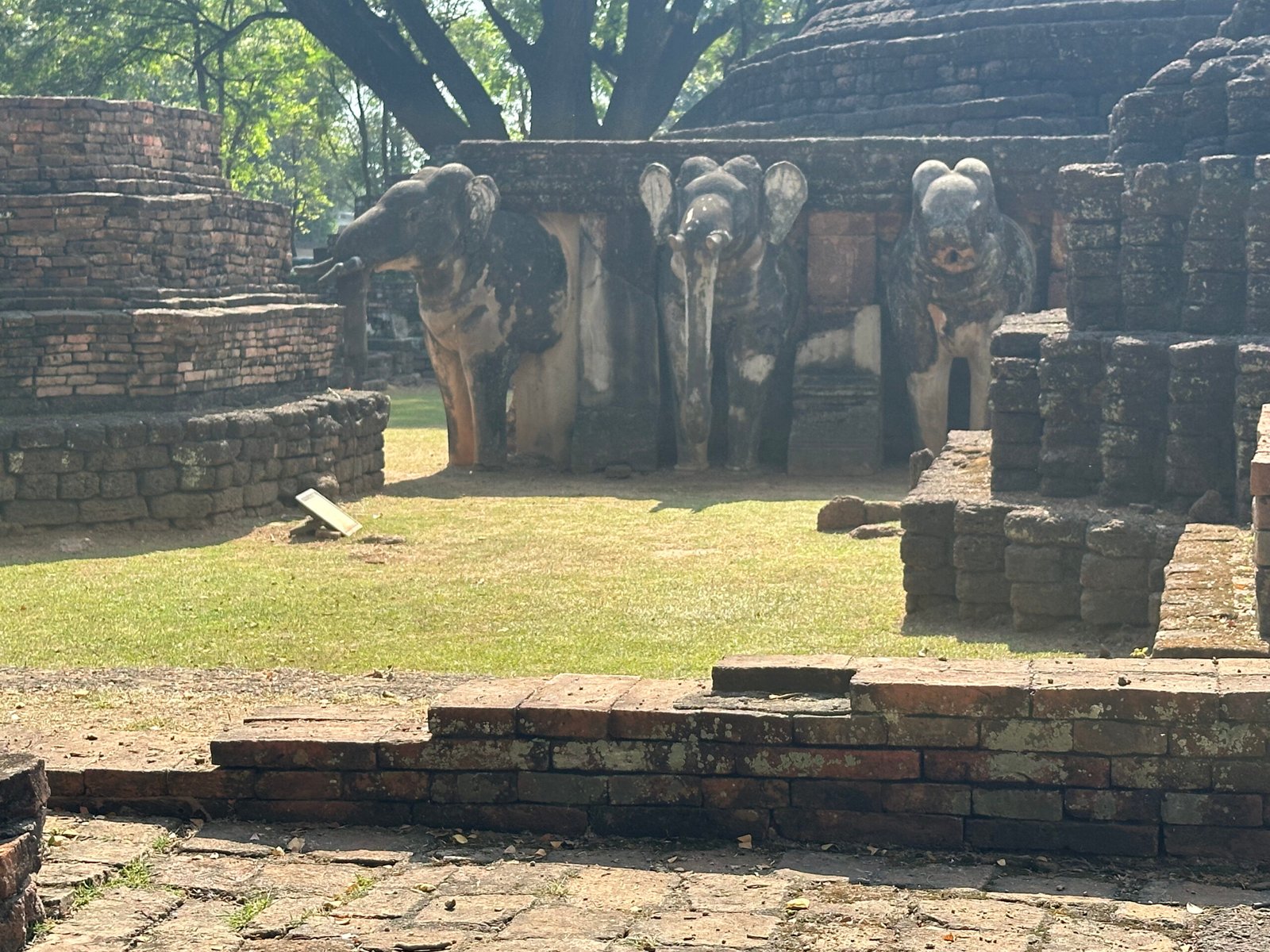
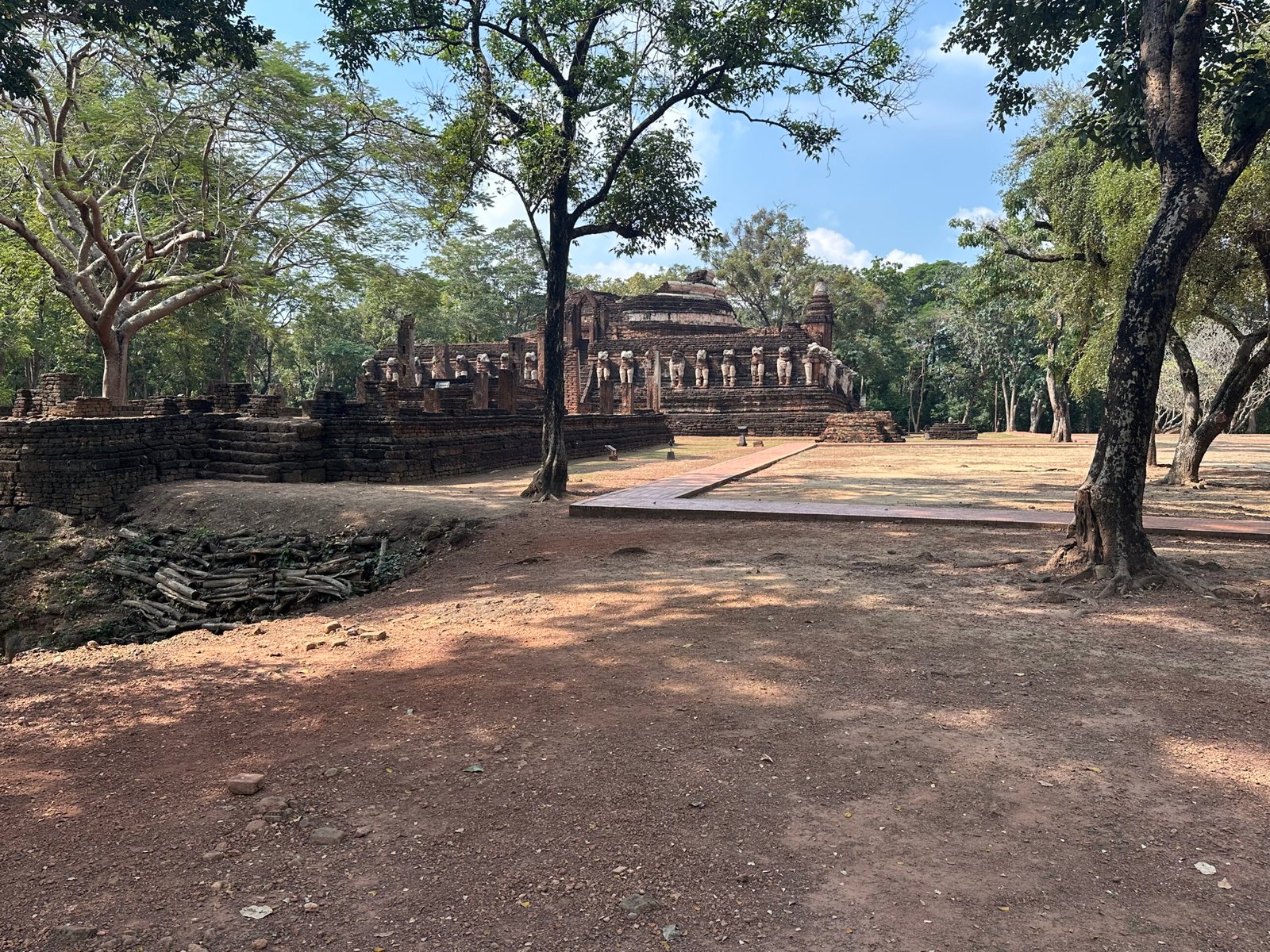
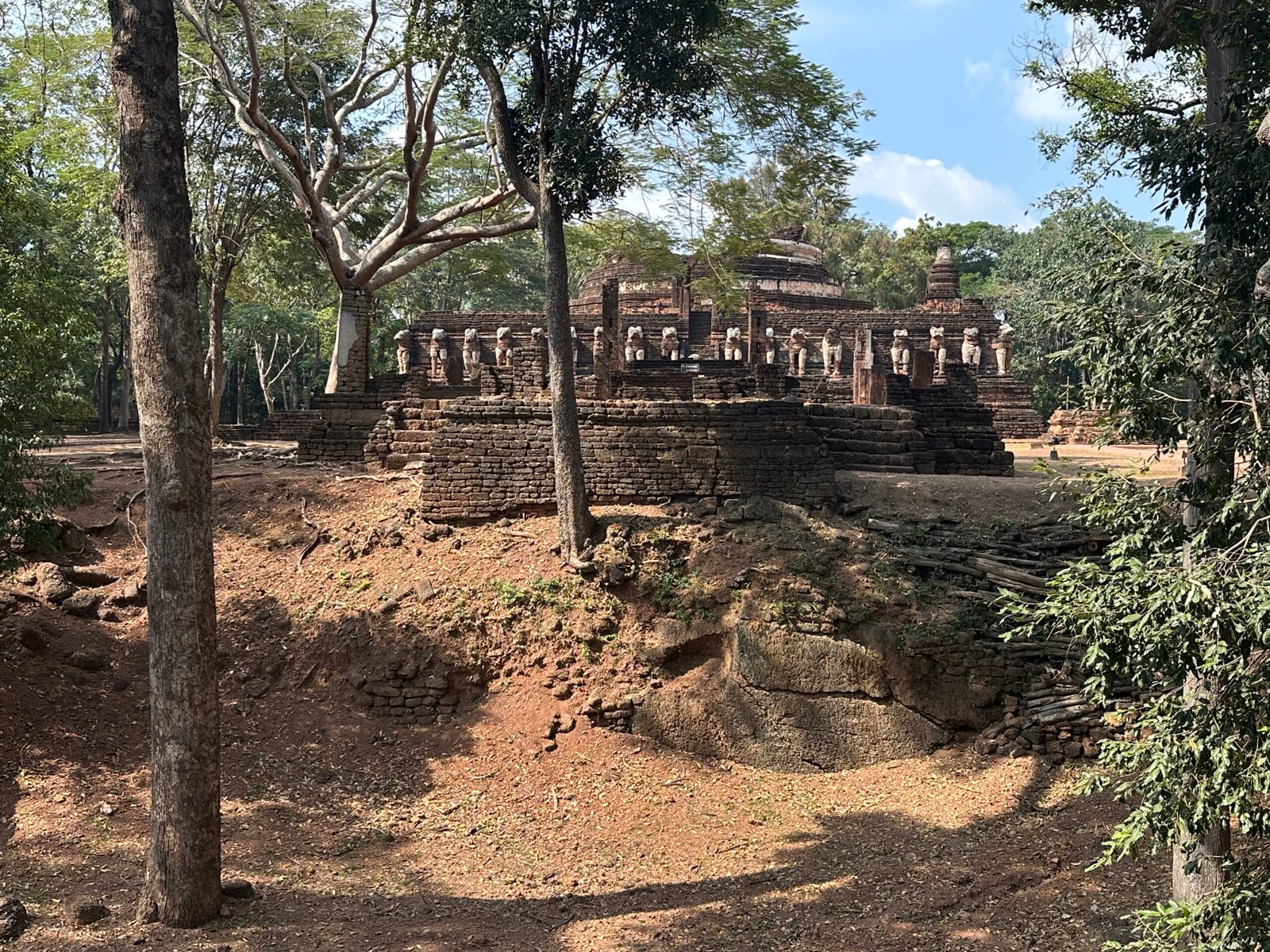
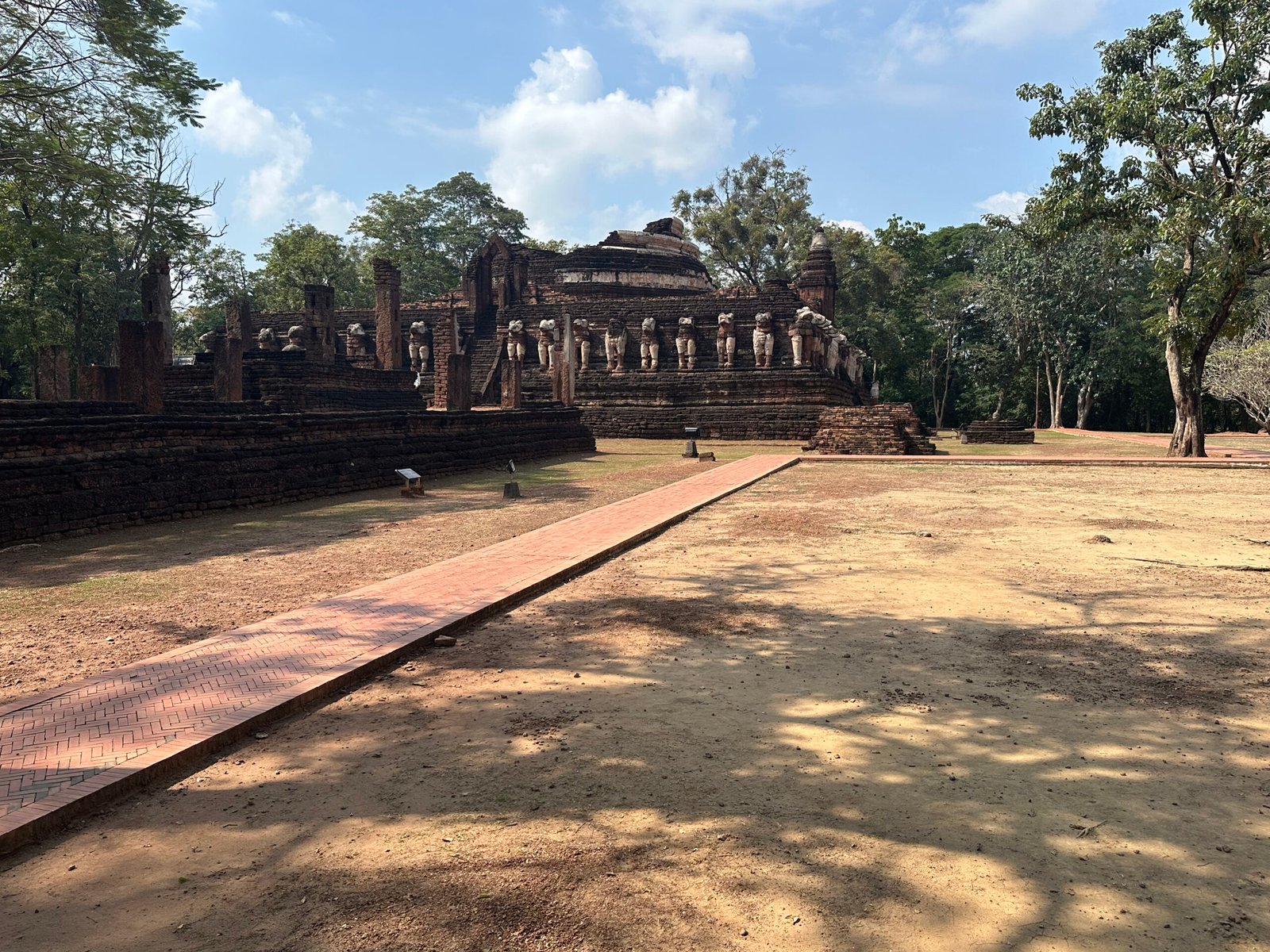
Located on a hill in the forest zone, this is perhaps the iconic image of Kamphaeng Phet. The main stupa is supported by a base adorned with 68 elephant statues emerging from the stone. Although time has weathered them, you can still see the intricate details on many of the elephants. It reminded me of similar temples in Sukhothai, but the isolation here made it feel like a personal discovery.

The Laterite Forest

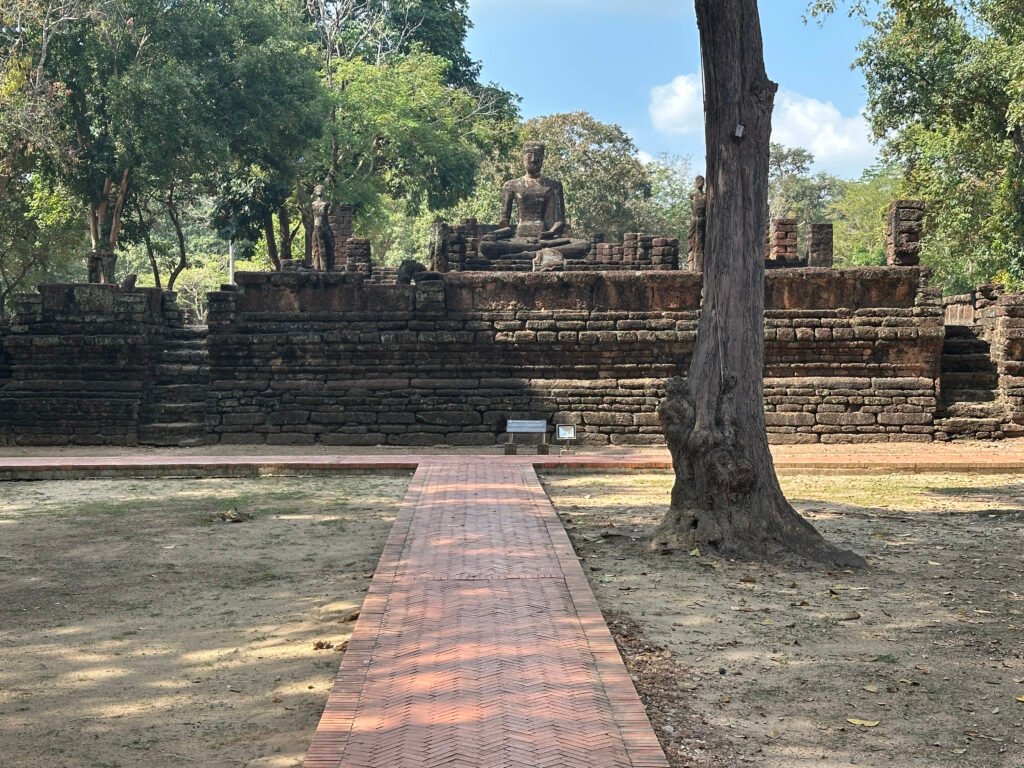
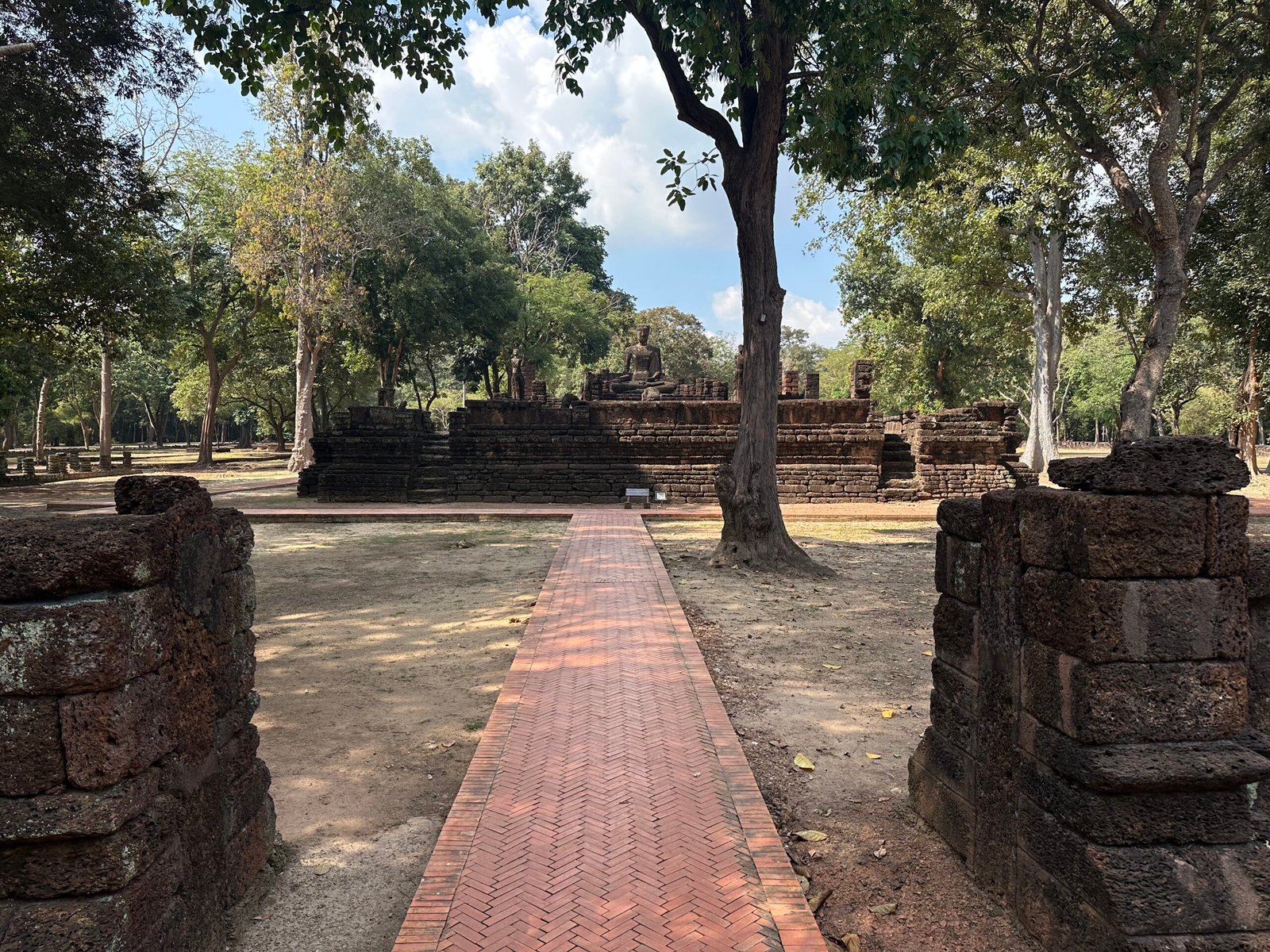
Beyond the main temples, I loved just wandering among the smaller stupas and rows of columns that seem to go on forever. The way the light filters through the trees and hits the red laterite stone creates a golden glow that is a photographer’s dream.

The Trio of Buddhas (Wat Phra Kaeo)

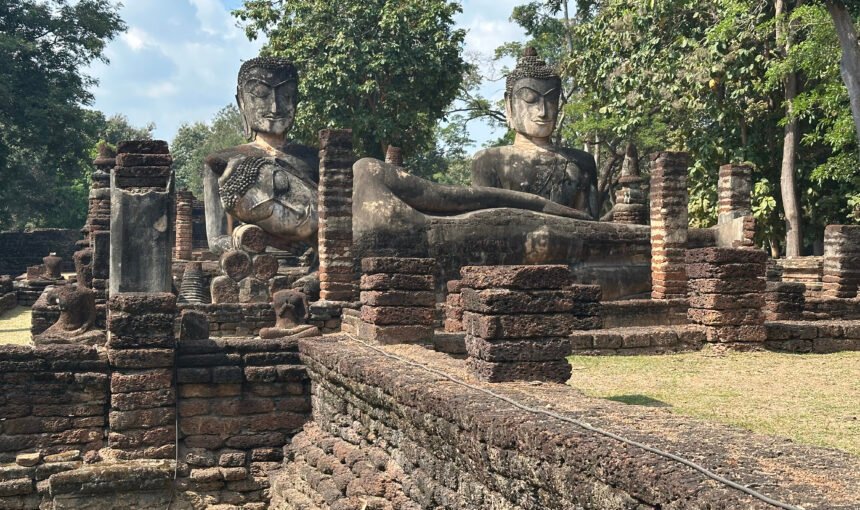
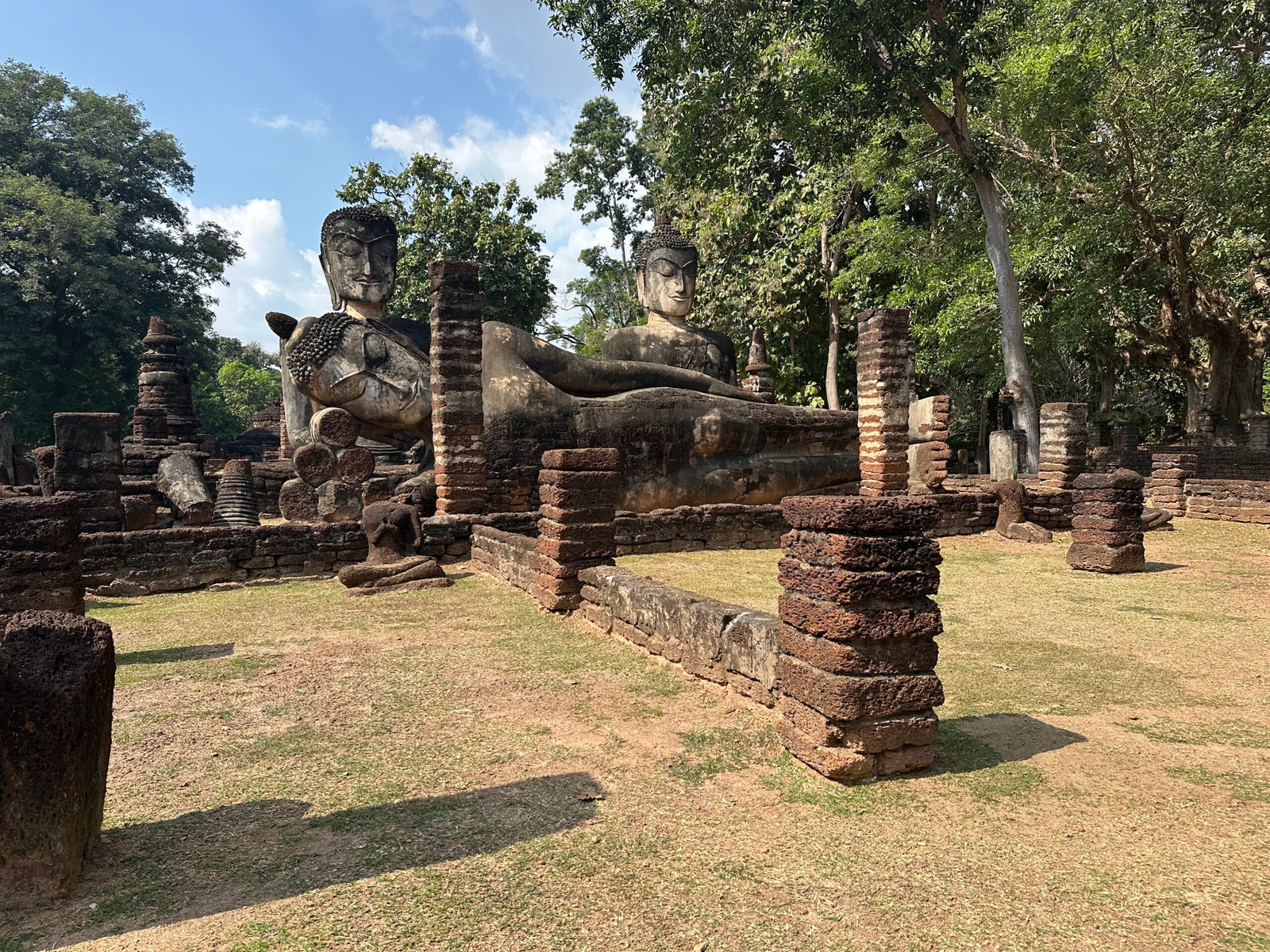
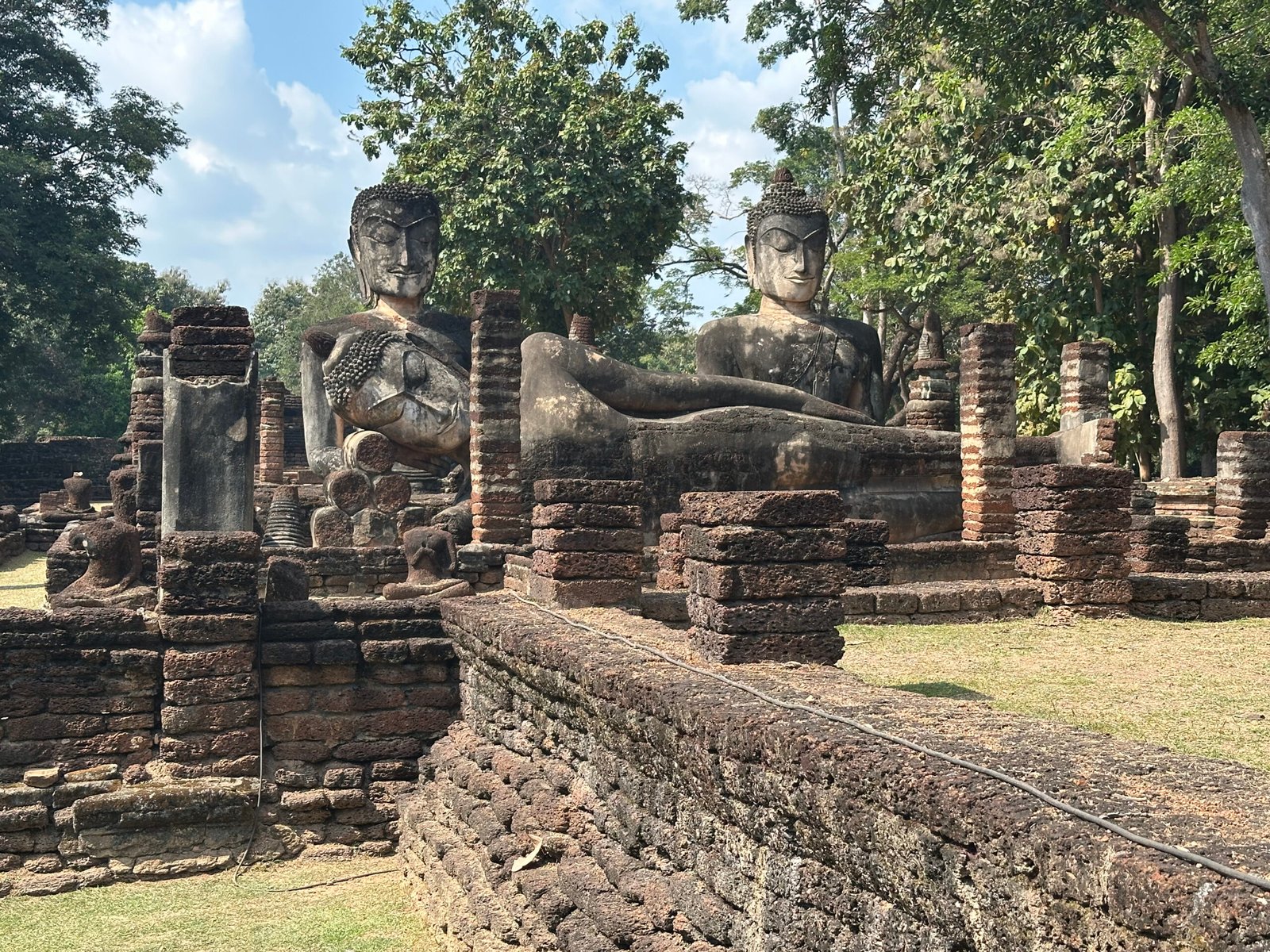
In the central zone, do not miss Wat Phra Kaeo. As you can see in my photos (IMG_3500), there is a stunning composition of three Buddha statues: two seated in the front and a massive reclining Buddha resting peacefully behind them. Seeing these weathered faces watching over the ruins is a powerful image that stays with you.

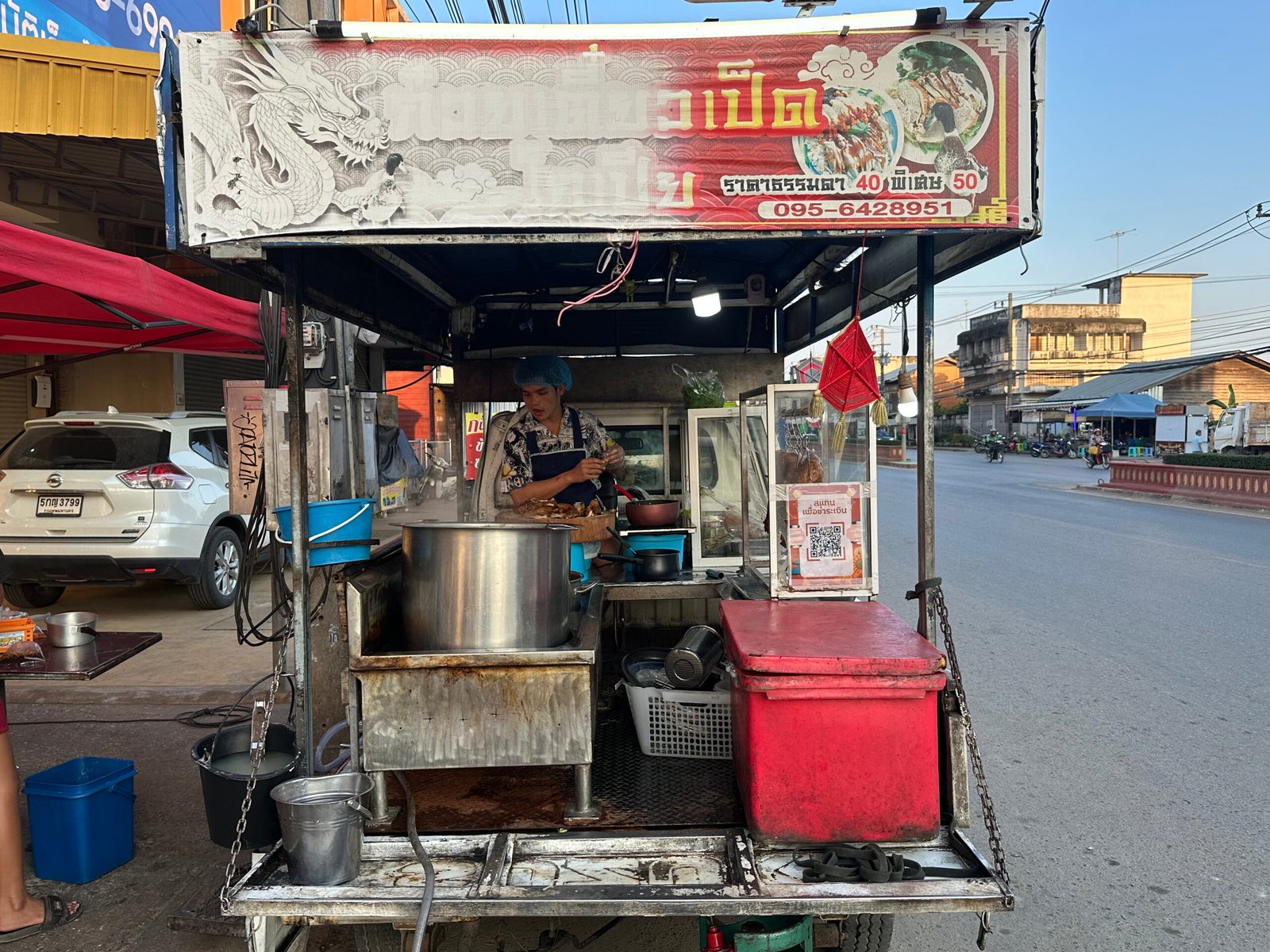
You cannot end this trip without rewarding yourself. Back in Sukhothai, there is a street food legend that locals swear by.

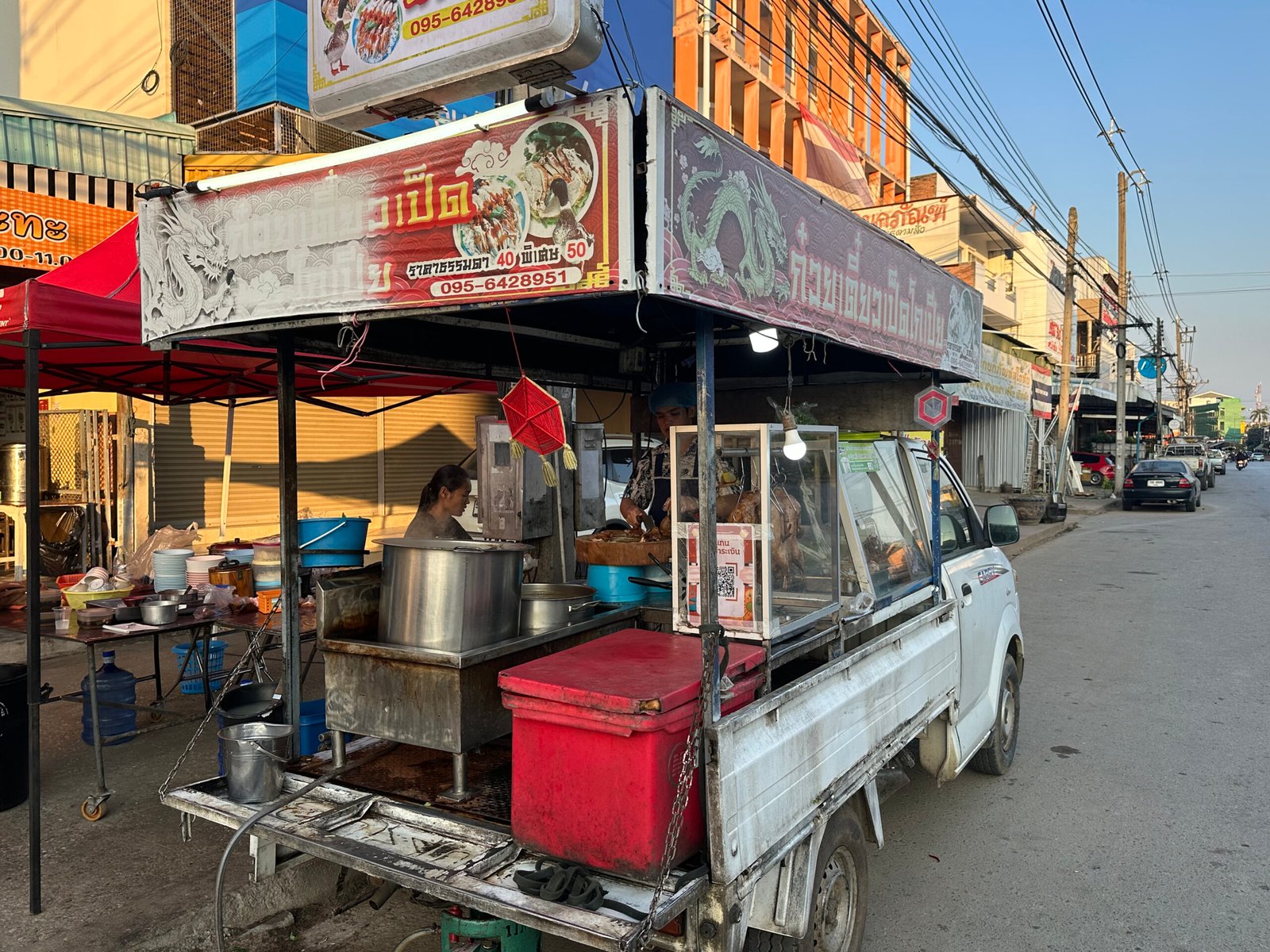
If you want the best Duck Noodle Soup (Kuay Tiew Ped) in the region, you have to find the specific truck.

  • The Look: It’s a silver pickup truck converted into a mobile kitchen. Look for the Red Banner with a dragon and a duck on it.

  • The Taste: The broth is deep, dark, and aromatic—the kind that has been simmering for hours. The duck meat falls off the bone. It is simple, unpretentious, and absolutely delicious.

  • How to Find It: Keep your eyes peeled on the main street for the truck in the picture. If you are desperate, the number on the banner is 095-6428951.

Kamphaeng Phet isn’t just a “smaller Sukhothai.” It’s a moodier, quieter, and more rugged experience. If you want to feel like an explorer discovering a lost civilization (and finish the day with world-class noodles), this is the day trip for you.