
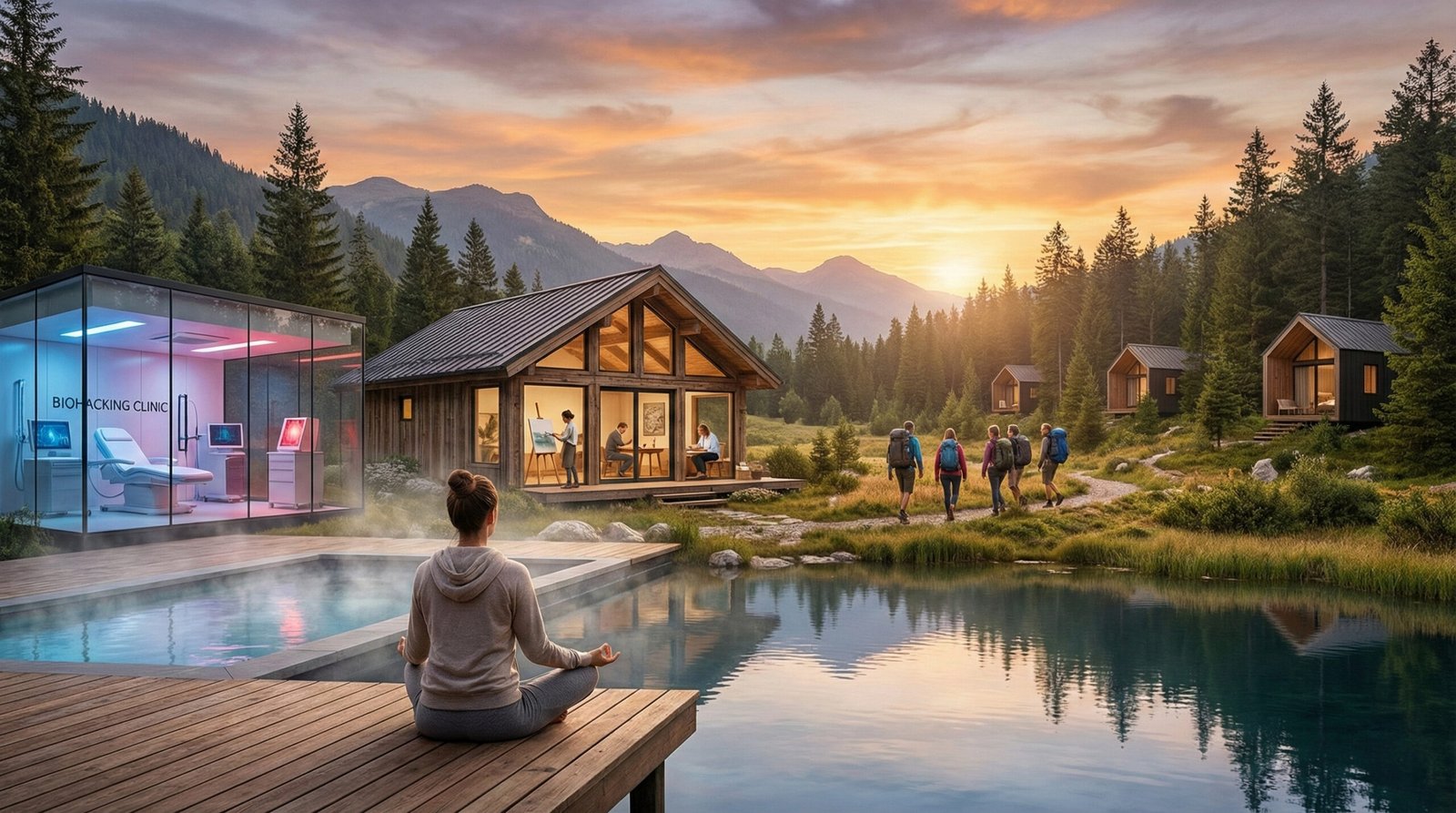
It used to be that if you were tired, you took a vacation. You’d fly somewhere warm, eat too much, sleep late, and maybe have a drink or two by the pool. But lately, many of us come back from those trips feeling just as drained as when we left.
That is why retreats are taking over travel right now.
Unlike a standard holiday, a retreat isn’t just about escaping your daily life. It is about fixing what feels broken. Whether you are dealing with burnout, grief, or just a lack of creativity, there is a program designed to help. But with so many options out there, how do you pick the right one?
Here is a breakdown of the different types of retreats available in 2026 and how to figure out which one you actually need.
Why a Vacation Isn’t Enough
Science shows a big difference between a vacation and a retreat. On a typical holiday, we often disrupt our sleep schedules and eat rich foods. It’s fun, but it can be hard on the body.
A retreat does the opposite. It is a structured break designed to calm your nervous system. Studies suggest that the benefits of a retreat—like lower blood pressure and better focus—can last for weeks after you get home. It’s not just a pause button; it’s a system reset.
The 5 Main Types of Retreats
To find the right fit, you need to know what’s out there. Most retreats fall into one of these five categories.
1. Biohacking and Longevity: The Science Route
This is for the person who loves data. If you treat your health like a project, this is your spot. These centers use high-tech tools to measure exactly what is going on inside your body.
What happens: You might try cryotherapy (freezing cold tanks), red light therapy, or oxygen training.
Best for: People who want to optimize their physical health and live longer.
Vibe: It feels more like a futuristic clinic than a spa.
2. Mental Health and Burnout: The Healing Route
Burnout is real, and it’s different from just being tired. If you feel numb, cynical, or like you can’t get anything done, you might need deep rest.
What happens: These programs focus on sleep, gentle movement, and therapy. The goal is to lower your stress hormones.
Best for: Anyone running on empty.
Important: There are also specific retreats for grief. These provide a safe space to process loss with others who understand what you are going through.
3. Spiritual and Silent: The Quiet Route
We live in a noisy place. Our phones buzz, screens flash, and people talk constantly. A silent retreat, like Vipassana, removes all of that.
What happens: You stop talking. No phone, no emails, no small talk. You spend days meditating and sitting with your thoughts.
Best for: People who feel overwhelmed by digital noise and want clarity.
Heads up: This can be intense. If you aren’t used to silence, your brain might get loud before it gets quiet.
4. Creative and Focus: The “Deep Work” Route
Sometimes you aren’t tired; you’re just distracted. Writers, artists, and business leaders use these retreats to finally finish that big project.
What happens: Days are split between strict “deep work” sessions and rest. You get uninterrupted time to think.
Best for: Finishing a book, planning a business strategy, or reconnecting with your art.
5. Adventure and Nature: The “Awe” Route
This is the opposite of sitting still. These retreats use nature to get you out of your head and into your body.
What happens: Think surfing in Costa Rica, hiking in Hawaii, or white-water rafting.
Why it works: Facing a challenge in nature releases feel-good chemicals in your brain. It reminds you that you are small and the planet is big, which puts problems in perspective.
How to Choose the Right One for You
Picking a retreat is a big investment of time and money. Use this simple two-step check to decide.
Step 1: Burnout vs. Boredom
Ask yourself how you really feel.
If you are irritable, exhausted, and numb: You have burnout. Do not book an intense hiking trip. You need a restorative retreat with lots of sleep and gentle food.
If you are restless and unmotivated: You are stagnant. You need stimulation. Book an adventure or creative retreat to wake up your brain.
Step 2: Introvert vs. Extrovert
Introverts: You recharge alone. A retreat with forced “team building” games will drain you. Look for silent retreats or solo cabins.
Extroverts: You get energy from others. A week of silence might make you lonely. Look for group adventures or communal wellness festivals.
A Note on Safety
The wellness industry is not fully regulated. Anyone can rent a villa and call themselves a “healer.” Here is how to stay safe:
Check Qualifications: If a retreat claims to treat trauma or PTSD, the leaders must be licensed therapists, not life coaches.
Read the Bad Reviews: Ignore the 5-star ratings. Look at the 1-star reviews. If people mention feeling pressured, unsafe, or ignored, stay away.
Avoid “Gurus”: Be wary of any leader who says they have all the answers or tries to isolate you from your family.
Going on a retreat is a powerful way to take care of yourself. It sends a message that your health matters. Whether you choose to freeze in an ice bath or sit silently in a meditation hall, the goal is the same: to come home feeling more like yourself.
Just remember to take it slow when you get back. Give yourself a day or two before jumping back into work. Your brain will thank you.

Adrenaline junkie with a passion for exploring off-the-beaten-path destinations and finding unique ways to stay active. Expect stunning scenery, challenging workouts, awesome travel tips and a whole lot of fun. Let’s get sweaty and explore the world together!